


U.S. Victims Lose $333 Million to Bitcoin ATM Fraud in 2025, FBI Reports
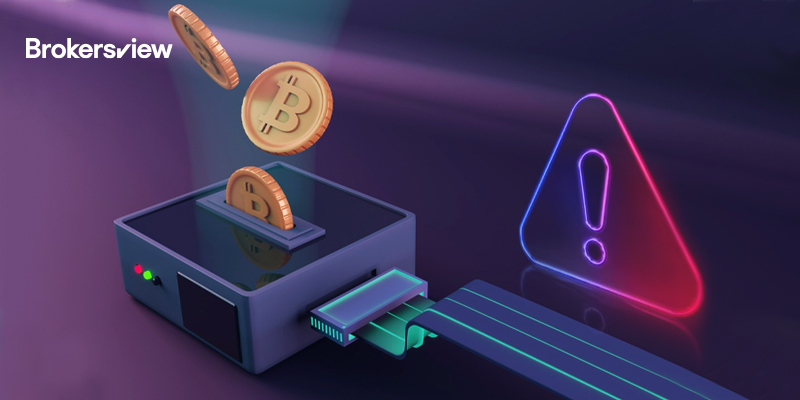
The U.S. Federal Bureau of Investigation (FBI) has reported a sharp rise in Bitcoin ATM-related fraud, with losses reaching $333 million in 2025.
Scammers often impersonate banks or companies, claiming suspicious activity has been detected on a victim’s account. Victims are then instructed to deposit money into a Bitcoin ATM to “secure” their funds or resolve the supposed issue. Instead of protecting their accounts, the money is funneled directly into the scammers’ wallets.
Rapid ATM Growth Drives Surge in Crypto Fraud
Bitcoin ATMs have grown rapidly across the United States, with more than 30,000 machines in operation in 2024, accounting for approximately 81.27% of Global Bitcoin ATMs.
The FBI’s Internet Crime Complaint Center (IC3) revealed that more than 10,000 victims were defrauded through Bitcoin ATMs in 2025. Between January and November alone, IC3 received over 12,000 complaints linked to such scams, with losses exceeding $333.5 million, a significant increase compared to the same period in 2024.
Historical data highlights the alarming trend. Bitcoin ATM fraud resulted in $114 million in losses in 2023 and $78 million in 2022.
The Federal Trade Commission (FTC) has urged the public to remain cautious when contacted by individuals claiming to represent banks or companies. The agency advises verifying phone numbers, contacting institutions directly, and resisting pressure to act quickly, as scammers often push victims into rushed transactions.
In a recent case of crypto ATM fraud, a special education teacher from Berkeley, California, was duped into transferring nearly $70,000 after receiving a phone call from scammers impersonating police officers.
In September, U.S. Bitcoin ATM operator Athena was accused of enabling fraud and profiting from it, allegedly charging undisclosed fees of up to 26% while failing to block fraudulent transactions.

Hottest



Copyright © 2026 FastBull Ltd


Risk Warning
FX trading is of high risk and may not be suitable for all investors. Leverage will create additional risks and loss. Before trading, please carefully consider your investment objectives, experience level and risk tolerance. You may lose part or all of your initial investment; do not invest money that you cannot afford. Educate yourself about the risks associated with FX trading. If you have any questions, please consult an independent financial or tax advisor. Any data and information are provided "as is" and only for information purpose, not for trading or recommendations. Past performance does not predict future results.
Disclaimer
The data contained in this website may not be real-time and accurate. The data and prices on this site are not necessarily provided by the market or exchange, but may be provided by market makers, so prices may be inaccurate and differ from actual market prices. Namely, this price is indicative price only to reflect market trend, and is unfavorable for trading purpose. The provider of the data contained in the Website shall not be liable for any loss incurred by you as a result of your trading activities or reliance on the information contained in the Website.