


Thailand Introduces “No ID, No Ads” Rules to Curb Online Scams
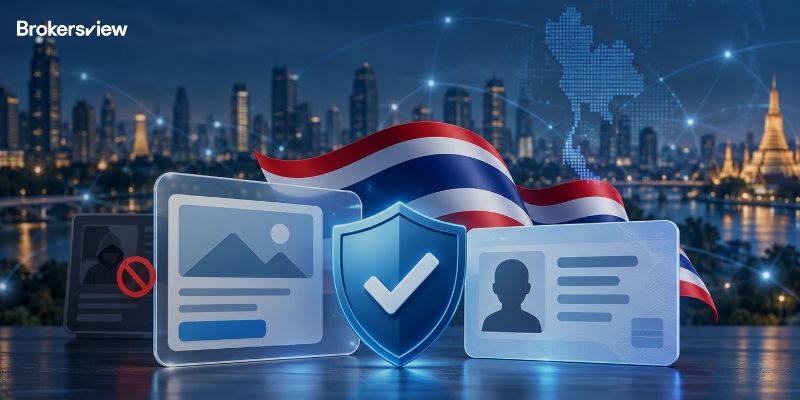
Thailand’s advertiser verification measures took effect on November 1, 2026, requiring covered social media platforms to verify advertisers’ identities before publishing ads. The “No ID, No Ads” policy aims to restrict scammers’ access to users through paid advertising.
Identity Checks and Record Retention
In an October 23 statement, the Thai government said Meta had confirmed its readiness to comply. Verification involves document checks combined with facial comparison, or a highly reliable digital identity system.
Platforms must retain advertiser information for at least 90 days after an advertisement ends. Meta will also work with Thailand’s digital ministry and the Electronic Transactions Development Agency to help advertisers, particularly small and medium-sized businesses, prepare.
Overseas Advertisers Also Covered
The government subsequently clarified that the rules cover overseas advertisers reaching users in Thailand and apply to qualifying platforms beyond Meta, including TikTok.
Platforms may face shared liability if they fail to meet legal requirements and harm from technology-related crime occurs, subject to the conditions prescribed by law. Liability depends on the facts and applicable law; it is not automatic in every case.
Investor Warning
Advertiser identity verification does not establish that an investment provider is licensed or that its offer is safe. Investors should independently check the company, website and relevant regulatory permissions before transferring money.
Anyone encountering suspected scam ads should preserve screenshots, links, conversations and payment records, promptly contact their bank, and report the matter to police and the platform.
For more updates on broker credentials, regulatory warnings and investment risks, follow BrokersView Q&A.
Related Reading

Hottest



Copyright © 2026 FastBull Ltd


Risk Warning
FX trading is of high risk and may not be suitable for all investors. Leverage will create additional risks and loss. Before trading, please carefully consider your investment objectives, experience level and risk tolerance. You may lose part or all of your initial investment; do not invest money that you cannot afford. Educate yourself about the risks associated with FX trading. If you have any questions, please consult an independent financial or tax advisor. Any data and information are provided "as is" and only for information purpose, not for trading or recommendations. Past performance does not predict future results.
Disclaimer
The data contained in this website may not be real-time and accurate. The data and prices on this site are not necessarily provided by the market or exchange, but may be provided by market makers, so prices may be inaccurate and differ from actual market prices. Namely, this price is indicative price only to reflect market trend, and is unfavorable for trading purpose. The provider of the data contained in the Website shall not be liable for any loss incurred by you as a result of your trading activities or reliance on the information contained in the Website.