


South Korea Targets Illicit Crypto Channels with Cross-Agency Data Crackdown and “Dark Coin” Controls
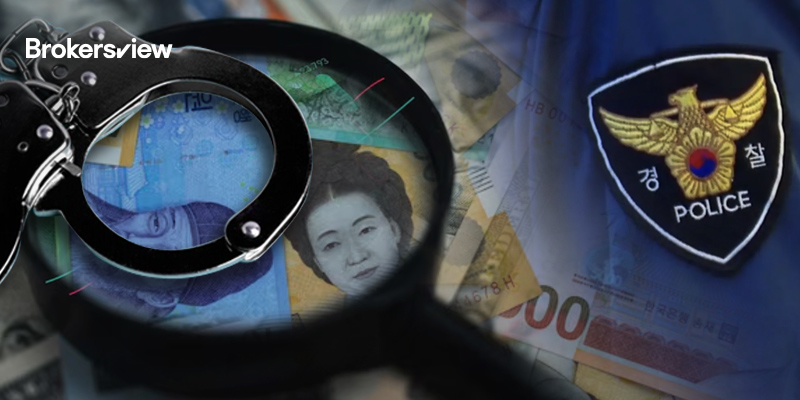
South Korean regulators are tightening oversight of crypto-linked financial crime, rolling out a coordinated enforcement framework aimed at disrupting illicit fund flows and closing gaps in transaction monitoring.
The initiative—led by the Financial Supervisory Service and the Korea Customs Service in cooperation with the Credit Finance Association and major card issuers—focuses on tracking overseas card usage as a key channel for laundering proceeds from scams and illegal crypto activity.
Under the new agreement, authorities will integrate credit card transaction data with immigration records, enabling real-time identification of abnormal patterns. Transactions conducted overseas that do not align with a user’s travel history will be flagged, a move primarily targeting voice phishing syndicates and cross-border fraud networks that rely on layered payment routes before converting funds into cryptocurrency.
A parallel enforcement focus is being placed on privacy-focused tokens, or “dark coins,” which obscure sender, receiver, and transaction data. Regulators warn these assets are increasingly used in laundering structures due to their low traceability compared to mainstream cryptocurrencies such as Bitcoin and Ethereum.
To address operational risks, the National Police Agency is finalizing its first formal guidelines for handling seized crypto assets, particularly those stored in hot wallets. The move follows multiple security lapses, including a recent incident where exposed wallet credentials led to the loss of approximately $4.8 million in seized tokens.
Despite holding nearly $40 million in confiscated digital assets, authorities continue to face structural challenges in custody and risk management. Efforts to outsource asset handling to private firms have failed amid concerns over liability and insufficient compensation.
The latest measures signal a shift toward integrated surveillance and enforcement, as South Korea moves to counter increasingly complex crypto-enabled financial crime. Regulators are expected to further tighten controls on cross-border transactions and anonymized assets as part of a broader anti-fraud strategy.

Hottest




Copyright © 2026 FastBull Ltd


Risk Warning
FX trading is of high risk and may not be suitable for all investors. Leverage will create additional risks and loss. Before trading, please carefully consider your investment objectives, experience level and risk tolerance. You may lose part or all of your initial investment; do not invest money that you cannot afford. Educate yourself about the risks associated with FX trading. If you have any questions, please consult an independent financial or tax advisor. Any data and information are provided "as is" and only for information purpose, not for trading or recommendations. Past performance does not predict future results.
Disclaimer
The data contained in this website may not be real-time and accurate. The data and prices on this site are not necessarily provided by the market or exchange, but may be provided by market makers, so prices may be inaccurate and differ from actual market prices. Namely, this price is indicative price only to reflect market trend, and is unfavorable for trading purpose. The provider of the data contained in the Website shall not be liable for any loss incurred by you as a result of your trading activities or reliance on the information contained in the Website.