


South Korea Moves to Enforce Freeze-and-Burn Controls on Stablecoins as Crypto Is Linked to Drug Payments and Laundering Networks
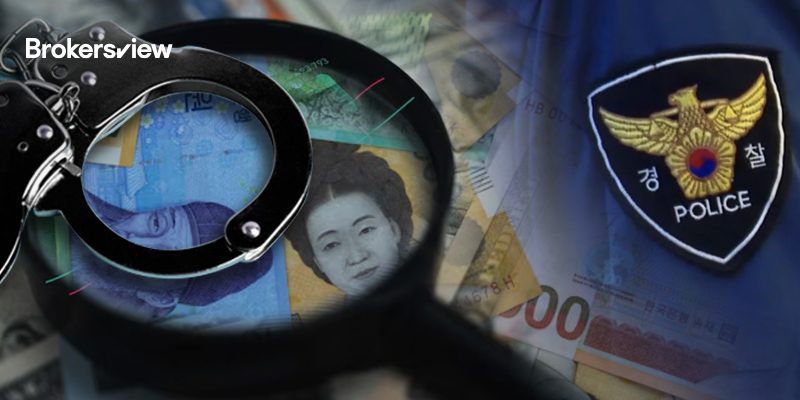
In one recent case uncovered by law enforcement, a narcotics network operated through Telegram and dark-web channels, collecting payments via accounts registered under a so-called “virtual asset purchase agency.” The funds were converted into Bitcoin and other cryptocurrencies, then rapidly liquidated into cash to evade tracing. Authorities identified 149 buyers and seized evidence linking more than KRW 1 billion in drug transactions to crypto-based laundering pipelines.
In response, South Korean regulators have confirmed that stablecoin issuers will be required to integrate freezing and burning mechanisms at the protocol level, allowing funds linked to criminal activity to be immediately immobilized or destroyed. The measures form part of a wider anti-money laundering overhaul targeting the use of virtual assets in drug distribution, scam proceeds, tax evasion, and cross-border crime. Financial intelligence officials said the objective is to block illicit flows before assets are dispersed across wallets, exchanges, and jurisdictions, rather than relying on post-incident recovery.
Stablecoins placed under full AML control
Under the new framework, stablecoin issuers will be formally classified as anti-money laundering obligors, subject to customer verification, suspicious transaction reporting, and internal compliance controls. Authorities have explicitly identified stablecoins as higher-risk instruments due to their price stability, liquidity, and suitability for large-scale laundering operations.
Issuers will be required to embed technical controls that allow law enforcement to freeze or burn tokens once linked to crimes such as drug trafficking, illegal gambling, or terrorist financing. Officials acknowledged this approach conflicts with decentralization narratives but stated that failure to implement minimum safeguards would undermine financial crime prevention obligations.
Expanded transaction surveillance and cross-border powers
Regulators are also moving to lower transaction monitoring thresholds and expand the scope of the Travel Rule to smaller crypto transfers. Transactions involving self-hosted wallets or overseas entities will face tighter risk-based screening, with permissions limited to clearly low-risk scenarios.
Legal changes are being prepared to grant financial intelligence units the authority to order immediate account suspensions where major criminal indicators are detected, without waiting for court-level confirmation. The strategy mirrors enforcement patterns seen in scam and laundering crackdowns across Asia and beyond (BrokersView investigations into cross-border crypto laundering tied to organized crime syndicates).
Authorities confirmed that international coordination has intensified, with direct communication channels established to counter overseas criminal groups targeting victims through digital asset infrastructure.
Hottest



Copyright © 2026 FastBull Ltd


Risk Warning
FX trading is of high risk and may not be suitable for all investors. Leverage will create additional risks and loss. Before trading, please carefully consider your investment objectives, experience level and risk tolerance. You may lose part or all of your initial investment; do not invest money that you cannot afford. Educate yourself about the risks associated with FX trading. If you have any questions, please consult an independent financial or tax advisor. Any data and information are provided "as is" and only for information purpose, not for trading or recommendations. Past performance does not predict future results.
Disclaimer
The data contained in this website may not be real-time and accurate. The data and prices on this site are not necessarily provided by the market or exchange, but may be provided by market makers, so prices may be inaccurate and differ from actual market prices. Namely, this price is indicative price only to reflect market trend, and is unfavorable for trading purpose. The provider of the data contained in the Website shall not be liable for any loss incurred by you as a result of your trading activities or reliance on the information contained in the Website.