


U.S. Dollar-Backed Stablecoins Could Risk $500 Billion in Bank Deposits by 2028, Standard Chartered Warns
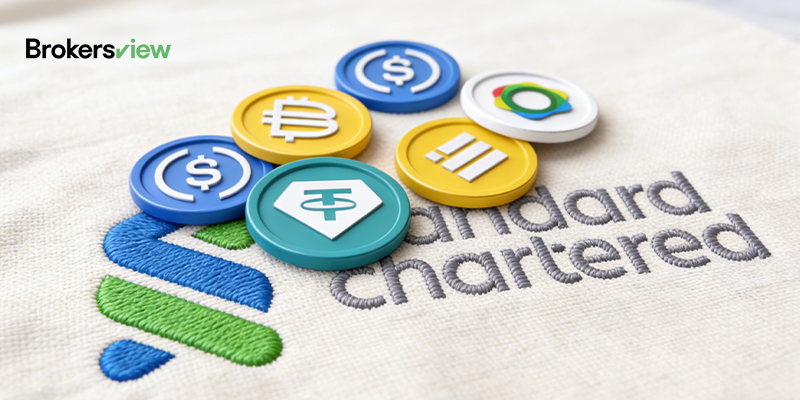
U.S. dollar-backed stablecoins could draw up to $500 billion in deposits away from the U.S. banking system by the end of 2028, according to a recent analysis by Standard Chartered. The findings highlight concerns among banks as lawmakers continue debating regulatory frameworks for digital asset issuers and related payment activities.
The report identifies regional U.S. banks as the most vulnerable to potential deposit outflows. Geoff Kendrick, global head of digital assets research at Standard Chartered, stated that the risk arises from stablecoins replacing traditional bank deposits in payments and transactional use cases. "U.S. banks ... face a threat as payment networks and other core banking activities shift to stablecoins," Kendrick wrote in the research note.
The analysis calculates potential impact based on banks' net interest margin, reflecting the difference between interest earned on loans and interest paid on deposits. Large-scale withdrawals to stablecoins would directly affect this income, particularly for institutions dependent on retail and commercial deposits for funding. Regional banks are considered more exposed than large national lenders if stablecoins gain traction as payment and cash-management tools.
The warning follows legislation signed last year by U.S. President Donald Trump, establishing a federal regulatory framework for stablecoins. The law is expected to encourage broader adoption of dollar-pegged tokens by providing issuers with clearer legal standing. While the legislation prohibits stablecoin issuers from directly paying interest on tokens, banks have argued that third parties, such as crypto exchanges, could still offer yield, creating potential competition for traditional deposits.
Bank industry groups have cautioned that unchecked migration of deposits into yield-bearing stablecoin products could weaken balance sheets and raise systemic risks. Crypto firms counter that restricting yield on stablecoins would hinder competition and innovation, favoring traditional banks.
Legislative disagreements have delayed crypto-related lawmaking, including a Senate Banking Committee hearing that was postponed earlier this month. Central to the debate is whether stablecoins should be regulated as payment instruments, securities, or bank-like liabilities, each carrying distinct implications for reserves, interest payments, and consumer protection.
Standard Chartered's analysis also notes that the scale of deposit outflows depends on how stablecoin issuers manage reserves. Kendrick said the risk would be mitigated if a large share of reserves were held in U.S. banks. However, most reserves, particularly for major issuers Tether and Circle, are held in U.S. Treasuries rather than commercial bank deposits, limiting any offsetting effect on the banking system.
The $500 billion deposit risk underscores the stakes for lawmakers. For regional banks, the concern centers on stablecoins becoming widely used as everyday payment and cash-holding instruments. For crypto firms, regulatory clarity could expand stablecoins' role in domestic payments, while balancing bank funding models against new payment technologies remains a key unresolved issue.





Copyright © 2026 FastBull Ltd


Risk Warning
FX trading is of high risk and may not be suitable for all investors. Leverage will create additional risks and loss. Before trading, please carefully consider your investment objectives, experience level and risk tolerance. You may lose part or all of your initial investment; do not invest money that you cannot afford. Educate yourself about the risks associated with FX trading. If you have any questions, please consult an independent financial or tax advisor. Any data and information are provided "as is" and only for information purpose, not for trading or recommendations. Past performance does not predict future results.
Disclaimer
The data contained in this website may not be real-time and accurate. The data and prices on this site are not necessarily provided by the market or exchange, but may be provided by market makers, so prices may be inaccurate and differ from actual market prices. Namely, this price is indicative price only to reflect market trend, and is unfavorable for trading purpose. The provider of the data contained in the Website shall not be liable for any loss incurred by you as a result of your trading activities or reliance on the information contained in the Website.