


Over 1,000 Illegal Investment Ads Slip Through Meta’s Filters, FCA Warns of Ongoing Risks
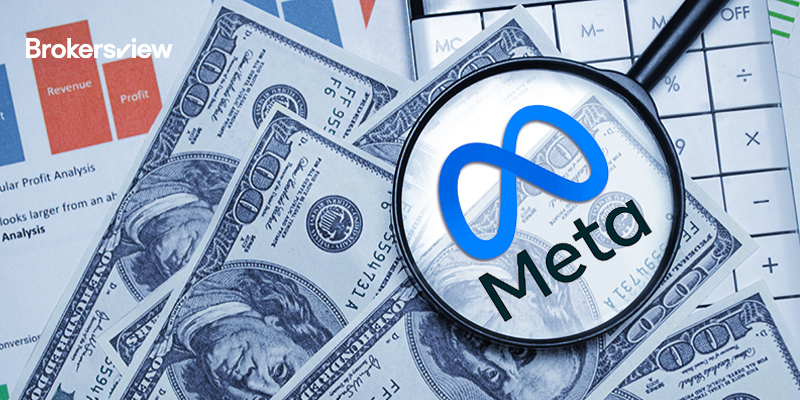
Financial Conduct Authority (FCA) has identified significant gaps in Meta’s ability to block illegal financial promotions, raising fresh concerns over scam exposure on social media platforms.
According to findings reviewed by Reuters, more than 1,050 unauthorised ads promoting high-risk financial products—including forex trading and contracts for difference (CFDs)—were published across platforms operated by Meta Platforms within a single week in November. Notably, 56% of these ads originated from advertisers already flagged to the company.
The regulator has repeatedly warned that social media remains a primary distribution channel for online investment scams, particularly those involving leveraged trading products. CFDs, in particular, are considered high-risk due to their complexity and the potential for losses exceeding initial deposits.
Despite a 2022 voluntary commitment by Meta Platforms to restrict financial advertising in the UK to authorised firms only, the FCA said it has seen no material improvement in enforcement outcomes. A follow-up review conducted in December reportedly produced similar results, with repeat offenders continuing to dominate illegal ad activity.
The issue is compounded by a regulatory gap. While the UK’s Online Safety Act allows for substantial fines on platforms hosting illegal user-generated content, enforcement powers over paid scam advertisements have been delayed until at least 2027. This has left regulators with limited authority to directly sanction platforms.
Market participants have raised concerns over the scale of exposure. Data suggests that over half of sampled financial ads referencing major banks may contain scam indicators, pointing to systemic weaknesses in ad screening mechanisms.
BrokersView calls on authorities and industry stakeholders to strengthen platform accountability, as financial scams increasingly exploit paid advertising channels to reach retail investors at scale.



Hottest




Copyright © 2026 FastBull Ltd


Risk Warning
FX trading is of high risk and may not be suitable for all investors. Leverage will create additional risks and loss. Before trading, please carefully consider your investment objectives, experience level and risk tolerance. You may lose part or all of your initial investment; do not invest money that you cannot afford. Educate yourself about the risks associated with FX trading. If you have any questions, please consult an independent financial or tax advisor. Any data and information are provided "as is" and only for information purpose, not for trading or recommendations. Past performance does not predict future results.
Disclaimer
The data contained in this website may not be real-time and accurate. The data and prices on this site are not necessarily provided by the market or exchange, but may be provided by market makers, so prices may be inaccurate and differ from actual market prices. Namely, this price is indicative price only to reflect market trend, and is unfavorable for trading purpose. The provider of the data contained in the Website shall not be liable for any loss incurred by you as a result of your trading activities or reliance on the information contained in the Website.