


J.P. Morgan to Pay $18M Penalty to SEC Due to Whistleblower Protection Violations
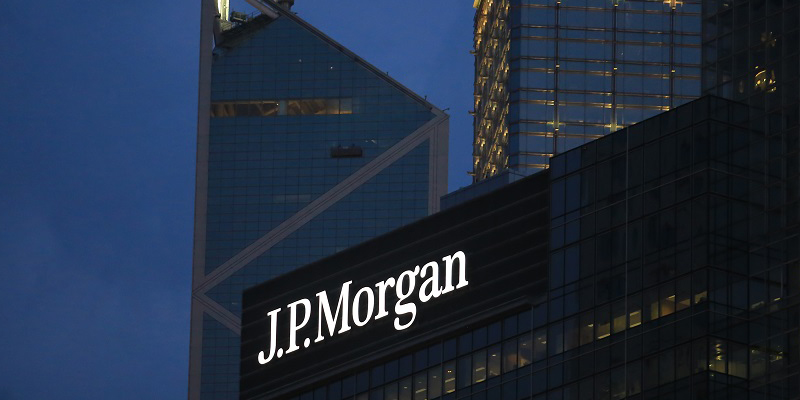
On January 16, 2024, the U.S. Securities and Exchange Commission (SEC) announced that J.P. Morgan Securities LLC (JPMS) has agreed to pay an $18 million civil penalty and settle a lawsuit against JPMorgan for impeding its clients from reporting potential law violations.
The SEC had charged JPMorgan with violating whistleblower protection rules, preventing hundreds of advisory and brokerage clients from reporting potential securities law violations to the regulator.
According to the Commission, between March 2020 and July 2023, retail clients who received more than $1,000 in credit or settlements from JPMorgan would be required to sign a confidentiality agreement. The agreement requires the clients to keep the settlement, all underlying facts relating to the settlement, and all information relating to the account at issue. While the agreement allowed the client to respond to SEC inquiries, it did not allow the client to voluntarily contact the regulator.
"Whether it's in your employment contracts, settlement agreements or elsewhere, you simply cannot include provisions that prevent individuals from contacting the SEC with evidence of wrongdoing," said Gurbir S. Grewal, Director of the SEC's Division of Enforcement. "But that's exactly what we allege J.P. Morgan did here. For several years, it forced certain clients into the untenable position of choosing between receiving settlements or credits from the firm and reporting potential securities law violations to the SEC. This either-or proposition not only undermined critical investor protections and placed investors at risk, but was also illegal."
"Investors, whether retail or otherwise, must be free to report complaints to the SEC without any interference," said Corey Schuster, Co-Chief of the Enforcement Division's Asset Management Unit. "Those drafting or using confidentiality agreements need to ensure that they do not include provisions that impede potential whistleblowers."



Copyright © 2026 FastBull Ltd


Risk Warning
FX trading is of high risk and may not be suitable for all investors. Leverage will create additional risks and loss. Before trading, please carefully consider your investment objectives, experience level and risk tolerance. You may lose part or all of your initial investment; do not invest money that you cannot afford. Educate yourself about the risks associated with FX trading. If you have any questions, please consult an independent financial or tax advisor. Any data and information are provided "as is" and only for information purpose, not for trading or recommendations. Past performance does not predict future results.
Disclaimer
The data contained in this website may not be real-time and accurate. The data and prices on this site are not necessarily provided by the market or exchange, but may be provided by market makers, so prices may be inaccurate and differ from actual market prices. Namely, this price is indicative price only to reflect market trend, and is unfavorable for trading purpose. The provider of the data contained in the Website shall not be liable for any loss incurred by you as a result of your trading activities or reliance on the information contained in the Website.