


Investment Scams Drive £629 Million Fraud Surge in the UK’s First Half of 2025

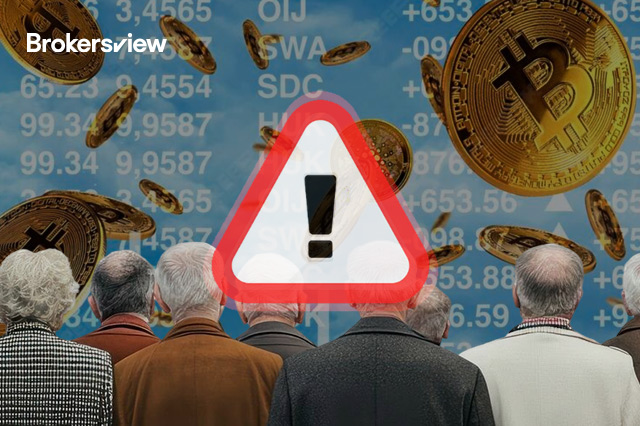
Fraud losses in the United Kingdom have reached alarming new heights, with over £629 million stolen from consumers in the first six months of 2025 — a 3% rise compared to the same period last year, according to UK Finance’s Half-Year Fraud Report. The data paints a troubling picture for investors, with investment-related scams emerging as one of the fastest-growing categories of financial crime.
Between January and June 2025, investment scams soared by 55%, inflicting nearly £98 million in losses. These schemes often lure victims through polished online adverts, fake comparison sites, and cloned brokerage brands — convincing individuals to transfer funds into bogus investment opportunities promising unrealistic returns. Many of these operations now mimic legitimate trading and asset management firms, using fabricated credentials, falsified performance data, and even stolen regulatory licenses to appear authentic.
UK Finance notes that over two-thirds of all fraud now begins online, primarily through social media, messaging apps, and digital marketplaces. The lines between legitimate marketing and criminal solicitation have blurred, and even experienced investors are falling prey to highly coordinated social engineering campaigns. Despite banks intercepting £870 million in attempted unauthorised fraud, the systemic threat is expanding faster than industry defences can evolve.
The report also highlights a regulatory challenge. While financial institutions continue to enhance monitoring systems and reimbursement policies, most scams originate outside the banking perimeter — in digital spaces that remain largely unregulated. UK Finance’s managing director of economic crime, Ben Donaldson, has called for stronger cross-sector collaboration and increased government accountability, stressing that “the scale of the threat is not commensurate with the current level of government investment or the insufficient action by other sectors.”
The escalation in investment fraud mirrors a broader erosion of public trust in online financial promotions, particularly amid growing sophistication in how scams replicate real brokers and trading platforms. Experts warn that without greater cooperation between regulators, technology companies, and financial institutions, the line between investor protection and exposure will continue to thin.
In this context, the responsibility extends beyond banks. Regulators are expected to tighten verification standards for investment advertising and clamp down on unverified broker promotions, while the upcoming UK Fraud Strategy may pressure social media and telecoms companies to play a more active role in fraud prevention.
The first half of 2025 reinforces a critical truth: investment scams are no longer fringe operations but a structural threat to financial markets’ integrity. As fraudulent schemes increasingly masquerade as regulated investment opportunities, vigilance and cross-industry cooperation have never been more essential to maintaining investor confidence.


Copyright © 2026 FastBull Ltd


Risk Warning
FX trading is of high risk and may not be suitable for all investors. Leverage will create additional risks and loss. Before trading, please carefully consider your investment objectives, experience level and risk tolerance. You may lose part or all of your initial investment; do not invest money that you cannot afford. Educate yourself about the risks associated with FX trading. If you have any questions, please consult an independent financial or tax advisor. Any data and information are provided "as is" and only for information purpose, not for trading or recommendations. Past performance does not predict future results.
Disclaimer
The data contained in this website may not be real-time and accurate. The data and prices on this site are not necessarily provided by the market or exchange, but may be provided by market makers, so prices may be inaccurate and differ from actual market prices. Namely, this price is indicative price only to reflect market trend, and is unfavorable for trading purpose. The provider of the data contained in the Website shall not be liable for any loss incurred by you as a result of your trading activities or reliance on the information contained in the Website.