


How to Trade the News With a Directional Bias

In the ever-evolving landscape of financial markets, news releases play a pivotal role in shaping price moements and market sentiment. As traders seek to capitalize on these rapid market shifts, adopting a well-informed approach becomes paramount. Enter the concept of trading the news with a directional bias – a strategic framework that empowers traders to navigate the volatility of news events with greater precision. By understanding the dynamics of directional bias and its impact on trade decisions, traders can position themselves for success in the fast-paced world of news trading. This article delves into the intricacies of eveloping, executing, and profiting from news trades through the lens of a directional bias.
What Is Directional Bias?
Directional bias, in the context of trading, refers to a trader's leaning or preference towards a particular direction in price movement for a given asset. It signifies whether a trader expects the price to go up (bullish bias) or down (bearish bias). This bias is formed based on various factors, including technical and fundamental analysis, market sentiment, and the trader's overall outlook.
Directional bias plays a crucial role in trade decisions, as it influences entry, exit, and risk management strategies. Traders with a directional bias are more likely to initiate trades aligned with their anticipated price direction. However, it's essential to note that directional bias is not a guarantee of accurate predictions; rather, it's a guiding principle that helps traders make informed decisions based on their expectations for market movement.
While some traders may maintain a constant directional bias for an extended period (such as consistently being bullish or bearish), others adopt a situational bias based on specific market conditions or news events. In both cases, understanding and managing directional bias are fundamental to effective trading strategies.

Constant vs Situational Directional Bias
Constant and situational directional biases are two approaches traders use to guide their forex trading decisions. Each has advantages and drawbacks, and understanding when to apply them is vital for success.
Constant Directional Bias:
Traders with a constant bias maintain a consistent outlook on market direction over time. For instance, a trader might consistently lean bullish, anticipating rising prices. This approach simplifies decision-making but can lead to missed opportunities in changing markets.
Pros:
Clarity and Consistency: A fixed bias streamlines decision-making and strategy adherence.
Reduced Overthinking: Traders are less likely to second-guess decisions.
Cons:
Missed Opportunities: Constant bias can overlook market shifts.
Lack of Flexibility: Unyielding bias might not adapt well to new information.
Situational Directional Bias:
Traders with a situational bias adjust their outlook based on current market conditions or events. They might turn bearish during economic downturns, regardless of their usual stance. This approach adapts to new information but can be complex.
Pros:
Adaptability: Traders respond quickly to market dynamics.
Risk Mitigation: Flexibility avoids losses in unfavorable conditions.
Cons:
Increased Complexity: Frequent adjustments can lead to confusion.
Emotional Impact: Changes might trigger emotional responses.
Both biases have roles. Some traders combine both, using constant bias as a foundation and adjusting situationally. The key lies in consistent practice, disciplined risk management, and adaptation to market conditions.
How Directional Bias Affects Trade Selection & Trade Management
Directional bias significantly shapes trade selection and management strategies. Traders rely on their bias to determine entry and exit points, as well as risk management. Understanding its influence is vital for effective trading.
Trade Selection:
Directional bias impacts which trades traders enter. A bullish bias leads to long positions, while a bearish bias favors short positions. This bias relies on market trends, indicators, and fundamentals.
For example, a bullish bias prompts traders to look for upward trends and support levels for buying. Conversely, a bearish bias leads them to identify resistance levels and downward trends.
Trade Management:
Bias guides trade management. It affects stop-loss and take-profit levels. A bullish bias might set tighter stop-losses for downward protection and looser take-profits for upward gains. A bearish bias may do the opposite.
Bias also affects adjustments. Traders might scale out as price aligns with their bias. Adjustments to stop-loss and take-profit follow bias confirmation.
Risk Management:
Bias influences risk management. Traders evaluate bias strength and potential reversals. Bias should align with risk management principles, like proper position sizes and acceptable losses.
Psychological Impact:
Bias affects trader psychology. Seeing bias play out boosts confidence, while contrary movement might lead to frustration.
Preparing for News Trading
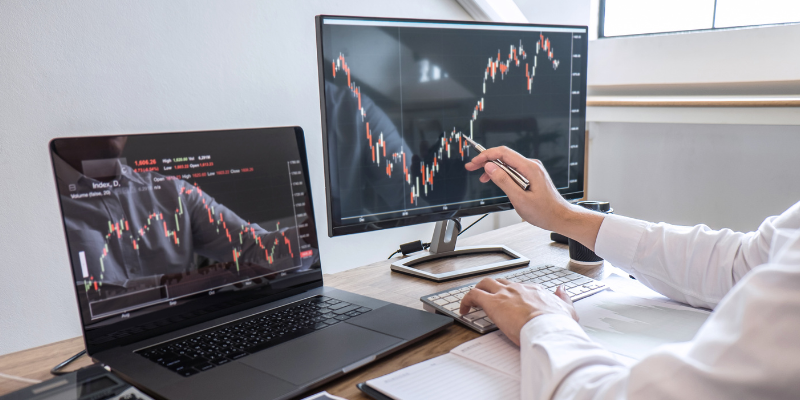
News trading is a popular forex strategy, capitalizing on price shifts sparked by economic releases, central bank decisions, and geopolitical events. Yet, this strategy demands prudent preparation due to the market turbulence accompanying such events. Here's how traders can navigate this terrain:
1. Economic Calendar:
Stay updated using an economic calendar. It lists key announcements, their impact expectations, and relevance to your trading pairs and strategy.
2. Know the News:
Comprehend news significance and its potential influence. Different releases impact various forex facets, like rates, employment, inflation, and sentiment. Context enhances decisions.
3. Volatility Expectations:
News spawns volatility. Expect abrupt price shifts and wider spreads. Avoid tight-stop trades prone to short-term volatility.
4. Risk Management:
Implement robust risk management. Scale back positions or avoid trading during impactful news if your strategy isn't suited for volatile conditions.
5. Use of Stop-Loss and Take-Profit:
Set stop-loss and take-profit considering risk tolerance and possible price movements. Account for potential gaps due to news-driven volatility.
6. Wait for Confirmation:
Don't rush post-news trades. Wait for confirmation of market direction. Early entries can expose you to volatile swings. Patience prevails.
7. Understand Market Reaction:
Be ready for varied reactions. Unexpected factors can lead to contrary movements. Actual market response matters more than forecasts.
8. Avoid Overtrading:
Focus on high-impact events aligning with your strategy. Trading all news can lead to overtrading and unnecessary risk.
In sum, mastering news trading entails thorough preparation and understanding market dynamics during impactful events. Awareness of the economic calendar, news importance, volatility, and risk management is pivotal.
News Trading Strategies with a Directional Bias
News trading with a directional bias involves capitalizing on price movements following significant news releases. It aims to profit from the initial volatility and anticipated price direction. Here are effective strategies:
1. Straddle Strategy:
Place both buy and sell orders before a major release to capture price movement in either direction. Useful for uncertain reactions.
2. Breakout Strategy:
Set orders beyond key support/resistance levels before a release. Benefit from momentum if news breaks these levels.
3. Fading the News Strategy:
Trade against initial reactions. Anticipate retracements after overreactions.
4. Trend Following Strategy:
Trade in the prevailing trend's direction post-news. Momentum from news supports existing trends.
5. News Retracement Strategy:
Wait for initial volatility to subside. Trade retracements to key levels after knee-jerk reactions.
6. Volatility Expansion Strategy:
Trade increased volatility. Profit from price movements spurred by news-induced volatility.
7. Time-Based Strategy:
Trade around high-volatility times. Align trades with events for increased price action.
8. Event-Driven Strategy:
Trade specific high-impact news releases. Requires thorough research and understanding of market correlation.
9. Correlation Strategy:
Analyze how multiple pairs react to the same news. Trade correlated pairs to diversify risk and benefit from broader moves.
10. News Momentum Strategy:
Capture immediate momentum after news. Enter trades in initial movement direction for short-term gains.
Remember, news trading is volatile and risky. Thorough research, demo practice, and robust risk management are vital. Unexpected market reactions can occur, requiring flexibility and quick decisions. In conclusion, news trading with a directional bias offers opportunities to profit from market-moving events. Caution, risk management, and staying informed are key to making calculated trading decisions.

Conclusion
Mastering news trading strategies with a directional bias can significantly enhance a trader's ability to navigate the forex market's volatility. The interplay between news events and price movements offers opportunities for informed traders to capitalize on momentum. By understanding how directional bias affects trade selection, management, and strategy, traders can make informed decisions and increase success chances.
However, news trading with a directional bias carries risks. While profitable, it can lead to losses due to news unpredictability. Thus, traders must be cautious, prioritize risk management, and prepare well.
Success in news trading requires staying updated, honing analysis skills, and refining strategies based on experience. Emotional control and adapting to market changes are essential.
In the end, news trading with a directional bias demands a balance of market knowledge, strategy, and quick decisions. Deep market understanding allows traders to harness directional bias for an edge. With preparation, a solid plan, and ongoing learning, traders can navigate news trading complexities and pursue consistent success in the dynamic forex world.



Hottest






Copyright © 2026 FastBull Ltd


Risk Warning
FX trading is of high risk and may not be suitable for all investors. Leverage will create additional risks and loss. Before trading, please carefully consider your investment objectives, experience level and risk tolerance. You may lose part or all of your initial investment; do not invest money that you cannot afford. Educate yourself about the risks associated with FX trading. If you have any questions, please consult an independent financial or tax advisor. Any data and information are provided "as is" and only for information purpose, not for trading or recommendations. Past performance does not predict future results.
Disclaimer
The data contained in this website may not be real-time and accurate. The data and prices on this site are not necessarily provided by the market or exchange, but may be provided by market makers, so prices may be inaccurate and differ from actual market prices. Namely, this price is indicative price only to reflect market trend, and is unfavorable for trading purpose. The provider of the data contained in the Website shall not be liable for any loss incurred by you as a result of your trading activities or reliance on the information contained in the Website.