


Mastering Recency Bias: Making Smarter Choices

In the dynamic world of forex trading, making informed decisions is crucial. However, cognitive biases like recency bias can significantly influence trading outcomes. This article dives into the concept of recency bias within the realm of forex trading, delving into its causes, providing practical techniques to mitigate its impact, and emphasizing the importance of mastering this bias for successful trading endeavors.
Understanding Recency Bias in Forex Trading
Recency bias in forex trading refers to the psychological tendency of traders to give more weight and importance to recent market events or trends when making trading decisions. This bias can lead traders to overlook historical data, long-term trends, and overall market context, potentially leading to impulsive and irrational trading choices.
For instance, if a currency pair experiences a sudden and significant price movement in the past few hours or days, traders influenced by recency bias might disproportionately focus on this recent movement. They might ignore larger trends, key support and resistance levels, and other relevant factors that should inform their trading decisions.
This bias can result in rushed trades based solely on short-term price movements, leading to potential losses or missed opportunities. It's important for forex traders to recognize and mitigate recency bias by maintaining a broader perspective, considering historical data, and following a well-defined trading strategy that takes into account both short-term and long-term market dynamics.
Causes of Recency Bias
Recency bias in forex trading can arise from various psychological and cognitive factors that influence how traders perceive and interpret market information. Some of the key causes of recency bias include:
Emotional Impact: Recent market movements can trigger strong emotional responses, such as fear or excitement. These emotions can cloud traders' judgment and lead to hasty decisions.
Recency in News: News headlines and media coverage often emphasize recent market events, influencing traders' perceptions and decisions. This can lead to an undue emphasis on short-term developments.
Fear of Missing Out (FOMO): The fear of missing out on potential profit opportunities can drive traders to focus on recent price spikes or trends, even if these movements are not indicative of the overall market direction.
Availability Heuristic: Traders tend to rely on readily available information, and recent events are more vivid in memory. This can cause traders to overemphasize the importance of recent market movements when making decisions.
Anchoring: Traders may anchor their expectations and decisions to recent price levels, assuming that these levels are more relevant than historical data. This can lead to biased interpretations of market trends.
Herding Behavior: Traders often follow the crowd and the most recent market sentiment. This can lead to a collective overreaction to recent events, creating trends that may not be sustainable.
Confirmation Bias: Traders may seek information that confirms their existing beliefs or expectations about the market. Recent price movements can reinforce these biases and lead to impulsive decisions.
Limited Time and Attention: Traders with limited time for analysis may focus on recent data due to its convenience, neglecting the broader historical context.
Recognizing these causes of recency bias is crucial for traders to make informed decisions. Mitigating recency bias involves consciously seeking a balanced view of market information, considering historical data and long-term trends, and adhering to a well-defined trading plan that accounts for both short-term and long-term factors.
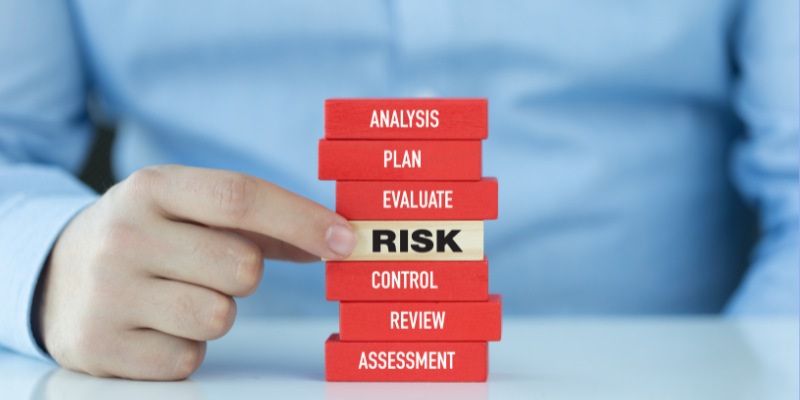
Cognitive Biases in Forex Trading
Cognitive biases are inherent tendencies in human thinking that can significantly impact decision-making, including in forex trading. While recency bias is one such cognitive bias, it's important to explore a few others that traders should be aware of:
Confirmation Bias: Traders tend to seek out information that confirms their existing beliefs or expectations while ignoring contradictory evidence. In forex trading, this bias can lead traders to overlook warning signs and trade solely based on data that supports their initial stance. To counter this bias, traders should actively seek diverse perspectives and evidence before making decisions.
Overconfidence Bias: This bias causes traders to overestimate their own abilities and underestimate the risks involved in trading. Overconfident traders may take larger positions than warranted by their analysis, leading to excessive risk-taking. To combat this bias, traders should maintain humility, continually reassess their strategies, and avoid over-leveraging.
Anchoring Bias: Traders influenced by anchoring bias rely heavily on the first piece of information they encounter. This could be an initial price quote or a significant event. As a result, their decisions may be skewed by this initial reference point, causing them to overlook evolving market conditions. To mitigate anchoring bias, traders should gather multiple data points before forming conclusions.
Loss Aversion Bias: Traders tend to be more sensitive to losses than gains of equal magnitude. This can lead to irrational decision-making, such as holding onto losing trades for too long in the hopes of recovering losses. To address loss aversion, traders should set clear stop-loss levels and avoid letting emotions dictate their actions.
Herd Mentality: Herd mentality refers to the tendency to follow the actions of a larger group, assuming that the majority can't be wrong. This can result in traders making decisions based on the market sentiment rather than their analysis. To counter herd mentality, traders should rely on their own research and analysis rather than blindly following the crowd.
Gambler's Fallacy: This bias involves believing that past random events influence future outcomes. In forex trading, it can lead traders to expect that a losing streak will eventually lead to a winning trade, even when market conditions don't support it. To avoid the gambler's fallacy, traders should base decisions on current market conditions and analysis, not on past outcomes.
It's crucial for traders to cultivate self-awareness, engage in continuous learning, and develop a disciplined approach to trading that prioritizes rational analysis over emotional reactions. Ultimately, overcoming cognitive biases enhances a trader's ability to make objective, well-informed decisions in the dynamic forex market.
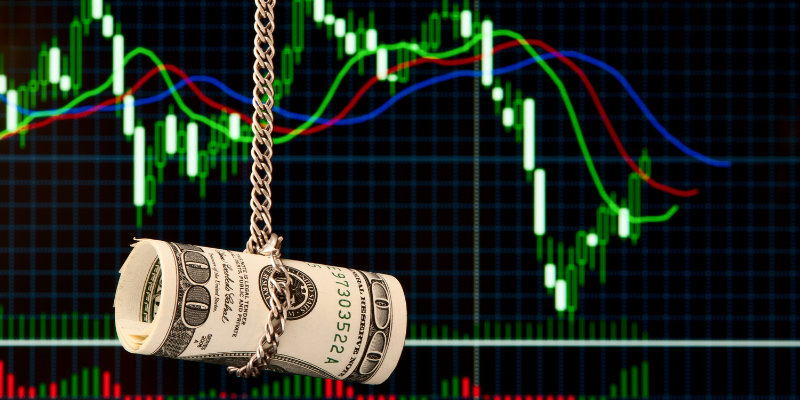
How to Avoid Recency Bias?
Avoiding recency bias in forex trading requires a combination of awareness, disciplined analysis, and strategic decision-making. Here are some effective strategies to help traders mitigate the impact of recency bias:
Diversify Information Sources: Rely on a variety of reputable sources for market analysis and news. Avoid making trading decisions solely based on the latest news or headlines.
Long-Term Perspective: Maintain a long-term perspective by considering historical data and broader market trends. Evaluate the current market movement within the context of its historical performance.
Use Technical Analysis: Incorporate technical analysis tools, such as moving averages and trendlines, to identify long-term trends and potential support/resistance levels. This can help you avoid overreacting to short-term fluctuations.
Stick to Trading Plan: Develop and adhere to a well-defined trading plan that outlines entry and exit criteria. Following a structured plan can help you make rational decisions rather than reacting impulsively to recent events.
Practice Patience: Avoid making quick decisions based solely on recent price movements. Take your time to analyze the market and consider both short-term and long-term factors.
Evaluate Fundamentals: Consider the underlying fundamental factors that impact the currency pairs you are trading. Economic indicators, interest rates, and geopolitical events play a role in long-term trends.
Monitor Multiple Timeframes: Analyze charts across different timeframes (e.g., daily, weekly, monthly) to gain a comprehensive view of market trends. Short-term movements may appear different when viewed in the context of longer timeframes.
Embrace Contrarian Thinking: Challenge your biases by considering opposing viewpoints and scenarios. This can help you avoid blindly following the crowd based on recent market sentiment.
Record and Review Trades: Maintain a trading journal to record your trades, including your thought process and rationale behind each decision. Regularly reviewing past trades can help you identify instances of recency bias.
Avoid Emotional Trading: Be mindful of emotional reactions to recent market movements. Emotional decisions are more likely to be influenced by recency bias. Maintain emotional discipline and stick to your trading plan.
Educate Yourself: Continuously educate yourself about behavioral biases, including recency bias. Understanding how cognitive biases impact decision-making can empower you to counteract their effects.
By consciously applying these strategies and consistently practicing disciplined analysis, traders can minimize the negative impact of recency bias on their trading decisions. The goal is to make well-informed choices based on a comprehensive assessment of market conditions rather than succumbing to the allure of recent events.
Conclusion
In the fast-paced and dynamic world of forex trading, the influence of recency bias cannot be underestimated. This cognitive bias has the potential to cloud judgment and lead to impulsive decisions based on recent market events. Recognizing the existence of recency bias is the first step towards mastering it. As traders, it's essential to develop the discipline to look beyond the most recent price movements and consider the broader context of historical data, long-term trends, and underlying fundamentals.
Successful forex trading requires a balanced and well-informed approach that transcends the lure of instant gratification that recency bias often brings. By diversifying information sources, maintaining a long-term perspective, utilizing technical analysis tools, and adhering to a solid trading plan, traders can navigate the challenges posed by recency bias.
Ultimately, overcoming recency bias is about training the mind to think critically, objectively, and strategically. As traders become more adept at recognizing and countering this bias, they position themselves to make smarter choices and optimize their trading outcomes. Through constant self-awareness, education, and disciplined practice, traders can empower themselves to make decisions that are driven by logic and analysis rather than short-term emotional reactions. By mastering recency bias, traders can navigate the forex market with increased confidence and achieve long-term success.


Hottest






Copyright © 2026 FastBull Ltd


Risk Warning
FX trading is of high risk and may not be suitable for all investors. Leverage will create additional risks and loss. Before trading, please carefully consider your investment objectives, experience level and risk tolerance. You may lose part or all of your initial investment; do not invest money that you cannot afford. Educate yourself about the risks associated with FX trading. If you have any questions, please consult an independent financial or tax advisor. Any data and information are provided "as is" and only for information purpose, not for trading or recommendations. Past performance does not predict future results.
Disclaimer
The data contained in this website may not be real-time and accurate. The data and prices on this site are not necessarily provided by the market or exchange, but may be provided by market makers, so prices may be inaccurate and differ from actual market prices. Namely, this price is indicative price only to reflect market trend, and is unfavorable for trading purpose. The provider of the data contained in the Website shall not be liable for any loss incurred by you as a result of your trading activities or reliance on the information contained in the Website.