


GBP vs Dollar: A Look at the Past, Present, and Future
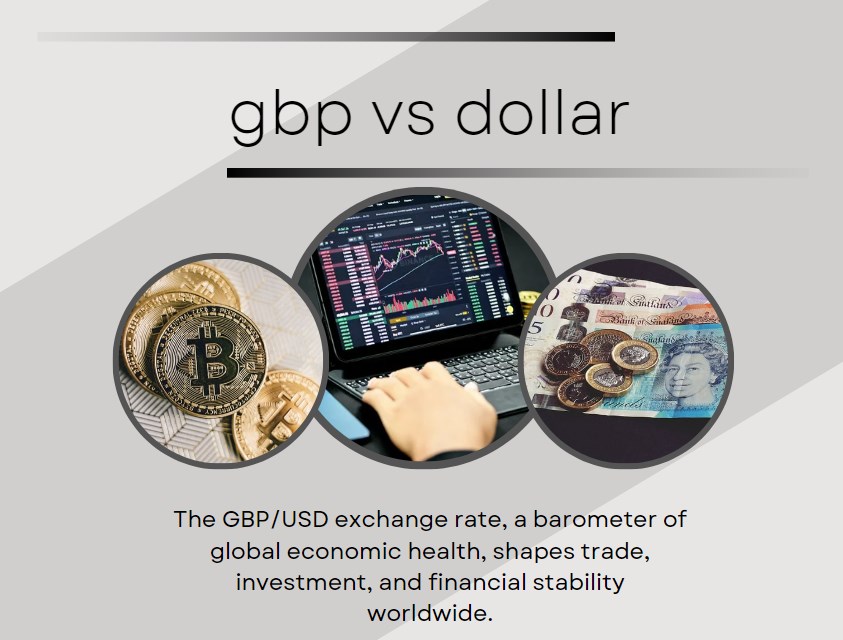
In the dynamic realm of global finance, the British pound (GBP) and the US dollar (USD) reign supreme, their exchange rate, denoted as GBP/USD, serving as a barometer of global economic health and a cornerstone of international trade and investment. This dynamic duo, with roots stretching back centuries, has evolved from mere currencies to symbols of economic power and financial stability.
A Historical Perspective: From Ancient Origins to Modern Currency Exchange
The GBP, with its origins deeply embedded in the 12th century, stands as a testament to the enduring legacy of British financial prowess. Its history is intertwined with the evolution of the British economy, from the establishment of the Bank of England in 1694 to the adoption of the gold standard in 1816. The GBP has weathered numerous economic storms, including two world wars and multiple economic crises, emerging as a symbol of resilience and stability.
The USD, introduced in 1792, has swiftly ascended to global dominance, its influence shaping the contours of the international financial landscape. Initially pegged to gold and silver, the USD transitioned to a fiat currency system in 1971, becoming the world's reserve currency. The USD's role in global trade and investment has cemented its position as a symbol of economic power and financial stability.
Also Read: Up to 750 EUR/USD/GBP Referral Reward in Admiral Markets
Unveiling the Forces Shaping GBP/USD Dynamics
A myriad of factors, both economic and political, conspire to influence the ever-fluctuating value of GBP/USD. These factors can be broadly categorized into three main groups:
Economic Fundamentals: Interest rate differentials, economic growth rates, inflation, and unemployment rates play a significant role in shaping the relative attractiveness of GBP-denominated assets compared to USD-denominated assets. When UK economic fundamentals are strong relative to those of the US, GBP tends to appreciate, and vice versa.
Political Developments: Political stability, government policies, and international relations can significantly impact investor sentiment towards GBP and USD. Uncertainties surrounding political events or policy changes can lead to fluctuations in the exchange rate.
Market Sentiment: Overall investor sentiment towards GBP and USD, driven by factors such as global economic outlook, risk appetite, and market trends, can also influence the exchange rate. A positive sentiment towards GBP can lead to its appreciation, and vice versa.
Decoding the Impact of GBP/USD Fluctuations
The ebb and flow of the GBP/USD exchange rate has far-reaching consequences for both economies, impacting trade, investment, and consumer spending:
Trade Dynamics: A stronger GBP makes UK exports more competitive in the global marketplace, stimulating exports and economic growth. However, it can also elevate the cost of imports, impacting domestic prices and consumer spending.
Investment Decisions: Businesses and investors consider GBP/USD exchange rates when making investment decisions. A stronger GBP can make UK investments more attractive, while a weaker GBP can make US investments more attractive.
Consumer Spending: Fluctuations in GBP/USD exchange rates can impact consumer spending patterns. A weaker GBP can make foreign travel and imported goods more expensive, while a stronger GBP can make them more affordable.
Forecasting the Future: Charting the Course of GBP/USD
Predicting the future movements of GBP/USD is a complex endeavor, but several methods offer valuable insights:
Technical Analysis: Technical analysts scrutinize chart patterns, technical indicators, and historical price data to identify potential trends and make informed forecasts. They utilize tools such as moving averages, trendlines, and support and resistance levels to analyze market behavior.
Fundamental Analysis: Fundamental analysts delve into economic data such as interest rates, inflation, economic growth, and trade balances to assess the underlying factors influencing GBP/USD dynamics. They evaluate the relative strength of the UK and US economies to gauge the future direction of the exchange rate.
Sentiment Analysis: Sentiment analysts monitor investor surveys, news articles, and social media data to assess overall sentiment towards GBP and USD. They identify trends in investor perception and use these insights to make informed forecasts about future price movements.
Navigating the Trading Landscape: Strategies for GBP/USD Trading
The GBP/USD exchange rate serves as a magnet for traders worldwide, offering a plethora of opportunities for profit and hedging against risks. Traders employ various strategies to navigate market fluctuations:
Day Trading: Day traders focus on short-term price movements, aiming to profit from intraday fluctuations. They utilize technical analysis tools and market sentiment to identify entry and exit points.
Swing Trading: Swing traders focus on intermediate-term price movements, holding positions for days or weeks. They analyze fundamental factors and technical indicators to identify trends and potential reversals.
Position Trading: Position traders focus on long-term price movements, holding positions for months or even years. They analyze fundamental factors, economic cycles, and global trends to identify long-term trends and capitalize on them.
Hedging: GBP/USD trading can be used for hedging purposes, protecting against risks associated with currency fluctuations. Businesses and investors can use GBP/USD derivatives to lock in exchange rates, mitigating the impact of adverse currency movements.
Conclusion: The Unwavering Significance of GBP/USD
The GBP/USD exchange rate stands as a cornerstone of global finance, its fluctuations profoundly impacting trade, investment, and economic activity worldwide. Understanding the factors influencing GBP/USD dynamics and employing effective trading strategies are crucial for businesses, investors, and individuals navigating the global economy. The GBP/USD exchange rate will continue to evolve over time, reflecting the dynamic interplay of economic, political, and market forces. As the world continues to intertwine, GBP/USD will undoubtedly remain a key driver of global financial trends.



Hottest





Copyright © 2026 FastBull Ltd


Risk Warning
FX trading is of high risk and may not be suitable for all investors. Leverage will create additional risks and loss. Before trading, please carefully consider your investment objectives, experience level and risk tolerance. You may lose part or all of your initial investment; do not invest money that you cannot afford. Educate yourself about the risks associated with FX trading. If you have any questions, please consult an independent financial or tax advisor. Any data and information are provided "as is" and only for information purpose, not for trading or recommendations. Past performance does not predict future results.
Disclaimer
The data contained in this website may not be real-time and accurate. The data and prices on this site are not necessarily provided by the market or exchange, but may be provided by market makers, so prices may be inaccurate and differ from actual market prices. Namely, this price is indicative price only to reflect market trend, and is unfavorable for trading purpose. The provider of the data contained in the Website shall not be liable for any loss incurred by you as a result of your trading activities or reliance on the information contained in the Website.