


FBI Warns of Fraudulent Law Firms by Offering to Recover Lost Funds, Outlines Red Flags
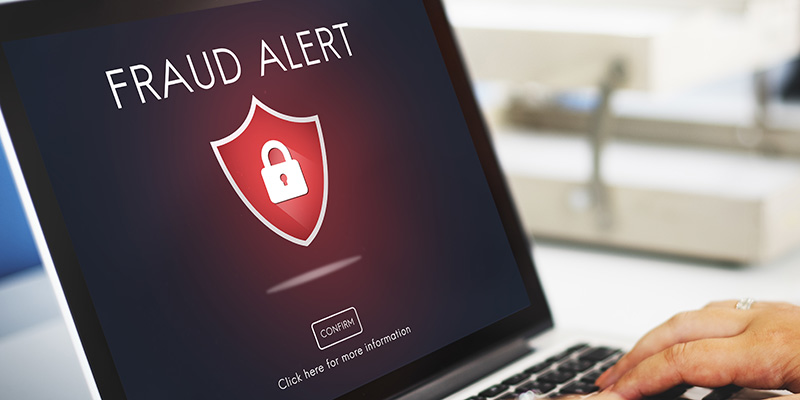
The Federal Bureau of Investigation (FBI) has issued new guidance to help victims avoid falling prey to fraudulent law firms claiming to recover funds lost in previous scams. These schemes often target vulnerable populations, especially the elderly, by exploiting emotional distress and financial desperation.
Scammers impersonate legitimate lawyers and falsely affiliate themselves with government agencies to create a false sense of security. Victims face risks including personal data theft and greater financial loss.
Key Red Flags:
- Use of fake documents bearing real law firm insignias or letterheads
- Claims of official partnerships with government entities
- References to fictitious agencies like the “International Financial Trading Commission (INTFTC)”
- Requests for payment via cryptocurrency or gift cards
- Detailed knowledge of victims’ prior wire transfers and scam history
- Promises of recovery through “legal channels”
- Referring victims to “crypto recovery law firms”
- Directives to open accounts at fraudulent foreign banking sites
- Placement in WhatsApp group chats with supposed attorneys and bank processors, who may demand “bank fees” for verification
- Refusal to provide credentials, appear on camera, or conduct video meetings
- Requests to send payments to third-party entities under the guise of secrecy
FBI Recommendations:
- Adopt a “Zero Trust” model, verify every claim and request
- Be skeptical of unsolicited contact from law firms, especially if you have not reported any crimes
- Demand video verification and proof of a law license
- Independently verify the employment of anyone claiming government affiliation
- Keep detailed records of all interactions
- Require notarized identity documents before proceeding with any transactions
Recovery fraud remains a key focus of regulatory enforcement across global financial authorities. The Belgian Financial Services and Markets Authority (FSMA), Australian Securities and Investments Commission (ASIC), Canadian Investment Regulatory Organization (CIRO), Commodity Futures Trading Commission (CFTC), and New Zealand Financial Markets Authority (NZ FMA) have all issued repeated warnings against such scams.




Copyright © 2026 FastBull Ltd


Risk Warning
FX trading is of high risk and may not be suitable for all investors. Leverage will create additional risks and loss. Before trading, please carefully consider your investment objectives, experience level and risk tolerance. You may lose part or all of your initial investment; do not invest money that you cannot afford. Educate yourself about the risks associated with FX trading. If you have any questions, please consult an independent financial or tax advisor. Any data and information are provided "as is" and only for information purpose, not for trading or recommendations. Past performance does not predict future results.
Disclaimer
The data contained in this website may not be real-time and accurate. The data and prices on this site are not necessarily provided by the market or exchange, but may be provided by market makers, so prices may be inaccurate and differ from actual market prices. Namely, this price is indicative price only to reflect market trend, and is unfavorable for trading purpose. The provider of the data contained in the Website shall not be liable for any loss incurred by you as a result of your trading activities or reliance on the information contained in the Website.