


Fake Trading App 'Nuvama' Scams Software Company Employee Out of ₹33.7 Million
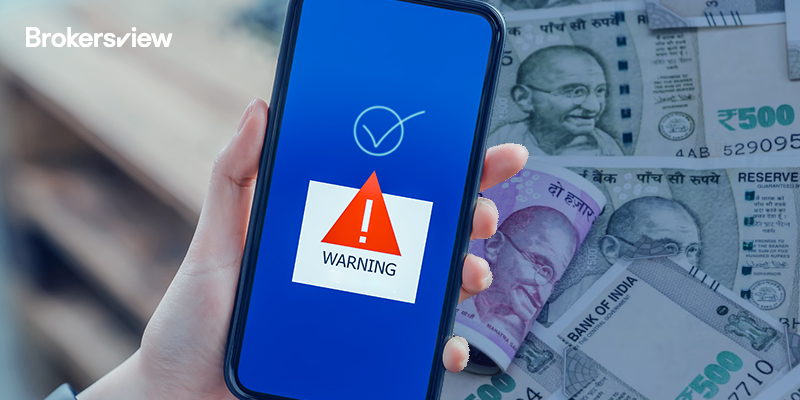
An employee of an Indian software company fell victim to an online investment scam due to a WhatsApp group, losing 33.7 million rupees.
The victim reported that on August 20, a "woman identifying herself as Aarohi" invited him to a WhatsApp group named "305 Stock Market News." Over the next twenty days in the group, he repeatedly saw claims of massive profits earned through institutional stock and IPO trades. However, these recurring "success stories" were merely bait to lure the victim into contacting the group administrator and deciding to invest.
On September 23, Aarohi and a man named Shiv Sehgal sent a link and guided the victim step by step to download a trading app called "Nuvama". They then collected his personal information using via Google form.
To persuade the investor to registered a so-called "HNI trading account" on the platform, Aarohi and Sehgal promised returns of up to 850% within five months if he followed their instructions.
Believing their promise, the victim first transferred ₹50,000 and found minor account balance increases through the trading app. The scammers then persuaded him to invest more for over-the-counter trading and IPO purchase.
Over the next 50 days, the investor transferred a total of ₹34,920,004 to multiple bank accounts designated by the fraudsters. Before the truth emerged, the scammers even approved a ₹1.2 million withdrawal request to gain the victim's trust.
In early November, the investor saw ₹285.2 million in profits in his account but was unable to withdraw a single rupee. According to the scammers, withdrawing funds required paying a 20% service fee, amounting to about 57.04 million rupees.
After negotiations, the victim paid 3 million rupees. However, the scammers then continued to impose additional fees, citing loan issues and technical problems. With withdrawal requests persistently blocked, the victim grew suspicious and reported the matter to the police.
The Telangana Cyber Security Bureau (TCGSB) has received the victim's complaint and launched an investigation.
BrokersView reminds you
Social media platforms are flooded with numerous fraudulent investment advertisements. Many advertisers promoting these ads are not authorized by financial regulators, yet falsely claim to offer investment opportunities to investors, even guaranteeing high returns.
Investors should exercise caution when encountering investment services and advice from unconventional channels. Before engaging in any transactions, carefully verify the regulatory status of the trading platform to avoid falling victim to scams.


Copyright © 2026 FastBull Ltd


Risk Warning
FX trading is of high risk and may not be suitable for all investors. Leverage will create additional risks and loss. Before trading, please carefully consider your investment objectives, experience level and risk tolerance. You may lose part or all of your initial investment; do not invest money that you cannot afford. Educate yourself about the risks associated with FX trading. If you have any questions, please consult an independent financial or tax advisor. Any data and information are provided "as is" and only for information purpose, not for trading or recommendations. Past performance does not predict future results.
Disclaimer
The data contained in this website may not be real-time and accurate. The data and prices on this site are not necessarily provided by the market or exchange, but may be provided by market makers, so prices may be inaccurate and differ from actual market prices. Namely, this price is indicative price only to reflect market trend, and is unfavorable for trading purpose. The provider of the data contained in the Website shall not be liable for any loss incurred by you as a result of your trading activities or reliance on the information contained in the Website.