


Bitget Opens TradFi Trading Suite to All Users After Private Beta
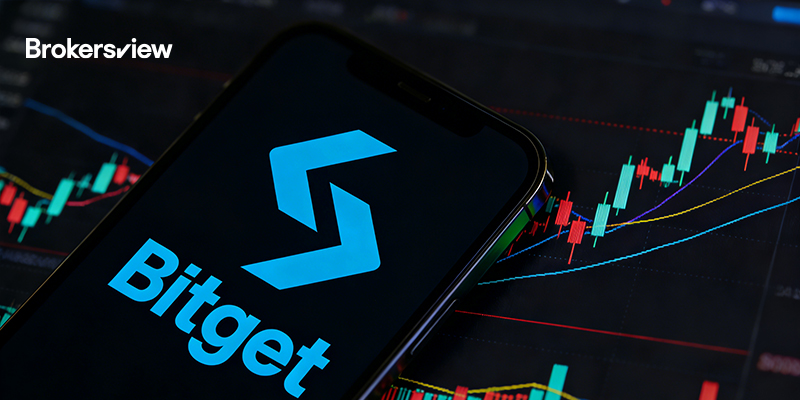
Bitget has rolled out its TradFi trading suite to the wider public following the completion of a private beta that began in December. The test phase drew strong interest, with a focus on gold, foreign exchange, and global macro instruments.
According to the company, more than 80,000 users joined a waitlist during the beta to gain access to non-crypto products. Trading activity surpassed internal expectations, with XAU/USD emerging as one of the most actively traded instruments. At its peak, the gold pair recorded more than $100 million in single-day trading volume during the trial period.
After concluding the beta, Bitget introduced a number of refinements ahead of the public release. The TradFi suite now includes 79 instruments spanning metals, forex, indices, and commodities. All transactions are settled in USDT, and users can trade these products directly through their existing Bitget accounts, without the need to register on a separate platform.
Bitget said the interface was designed to feel familiar to crypto traders, preserving the same account structure and workflow. The goal, according to the company, is to enable access to traditional financial markets while supporting macro-driven strategies alongside digital assets.
The public launch is part of Bitget's broader Universal Exchange (UEX) strategy, which aims to integrate crypto and traditional asset classes within a single trading environment. The company said liquidity conditions, spreads, and leverage parameters were adjusted during the beta phase based on user feedback.
Gracy Chen, CEO of Bitget, said traders are seeking "the flexibility to choose between assets in a unified ecosystem" and the ability to move between crypto and traditional markets as market conditions evolve. She added that the TradFi launch is intended to deliver access to multiple asset classes "in one place, without friction."
With the release of TradFi trading to all users, Bitget is moving beyond a crypto-only model, reflecting a broader industry trend toward multi-asset trading platforms.



Hottest




Copyright © 2026 FastBull Ltd


Risk Warning
FX trading is of high risk and may not be suitable for all investors. Leverage will create additional risks and loss. Before trading, please carefully consider your investment objectives, experience level and risk tolerance. You may lose part or all of your initial investment; do not invest money that you cannot afford. Educate yourself about the risks associated with FX trading. If you have any questions, please consult an independent financial or tax advisor. Any data and information are provided "as is" and only for information purpose, not for trading or recommendations. Past performance does not predict future results.
Disclaimer
The data contained in this website may not be real-time and accurate. The data and prices on this site are not necessarily provided by the market or exchange, but may be provided by market makers, so prices may be inaccurate and differ from actual market prices. Namely, this price is indicative price only to reflect market trend, and is unfavorable for trading purpose. The provider of the data contained in the Website shall not be liable for any loss incurred by you as a result of your trading activities or reliance on the information contained in the Website.