


Bank of Lithuania Grants Three Crypto Licences as MiCA Rules Take Effect
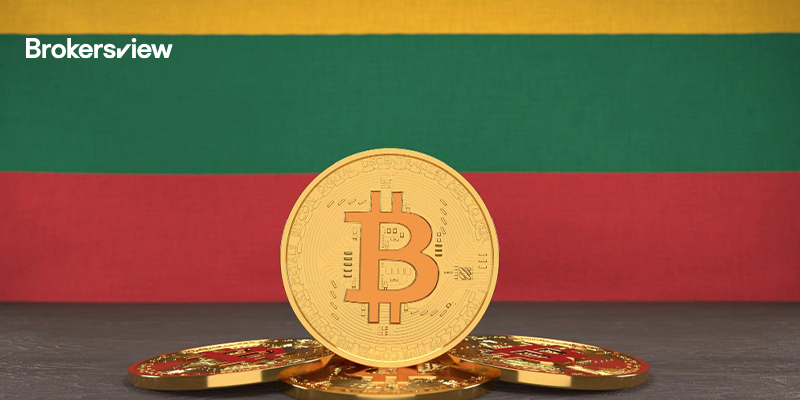
The Bank of Lithuania has recently issued licences to three companies operating in the cryptoasset sector. According to Arūnas Raišutis, Director of the Legal and Licensing Department at the central bank, additional applications may be approved in the near future.
At present, the regulator is reviewing six further applications. In total, the Bank of Lithuania has received more than 100 inquiries from nearly 60 companies, with some applicants submitting documentation multiple times.
Raišutis told BNS that a number of companies that failed to obtain licences this year are planning to reapply next year after addressing the shortcomings identified during the review process. He noted that the level of preparation among applicants varied significantly.
"Some market participants were only superficially prepared, despite the Bank of Lithuania repeatedly explaining its expectations and priorities, particularly regarding requirements for the impeccable business reputation of shareholders and ultimate beneficial owners," he said.
The first three licences were granted to companies that, according to Raišutis, were well prepared and already operating at a meaningful scale. These include CoinGate, operated by Decentralized and owned by Lithuanian citizens; Nuvei Liquidity, part of Canada-based fintech group Nuvei; and Robinhood Europe, the European arm of the US trading platform Robinhood.
The licensing process coincides with the entry into force of the EU-wide Markets in Crypto-Assets Regulation (MiCA) on January 1, 2026. Under the new rules, companies are required to hold both a crypto-asset service provider licence and a payment institution licence. Firms that failed to secure approval by the end of 2025 may apply later, but are not permitted to continue operating during 2026 until authorisation is granted.
In parallel, authorities are conducting national security reviews of transactions and ownership structures. The government commission responsible for these assessments received more than 120 applications this year. By mid-December, 13 had been rejected, while mandatory conditions were imposed on several others. Final figures will only be available once the year-end review is complete.
Around 120 cryptoasset companies are currently registered in Lithuania. The transitional period for obtaining new licences expired on December 31. Companies that continue operating without authorisation in 2026 will be considered illegal, giving the Bank of Lithuania the authority to block their websites.
Earlier, in July, the regulator urged crypto companies that do not intend to seek licences to prepare in advance for an orderly market exit, including informing clients and ensuring transparent communication. Authorities previously reported that while 374 crypto companies are registered in the country, only about 120 are actively operating. In May, Bank of Lithuania Governor Gediminas Šimkus said he expects the market to shrink to around 70 licensed players.
Hottest



Copyright © 2026 FastBull Ltd


Risk Warning
FX trading is of high risk and may not be suitable for all investors. Leverage will create additional risks and loss. Before trading, please carefully consider your investment objectives, experience level and risk tolerance. You may lose part or all of your initial investment; do not invest money that you cannot afford. Educate yourself about the risks associated with FX trading. If you have any questions, please consult an independent financial or tax advisor. Any data and information are provided "as is" and only for information purpose, not for trading or recommendations. Past performance does not predict future results.
Disclaimer
The data contained in this website may not be real-time and accurate. The data and prices on this site are not necessarily provided by the market or exchange, but may be provided by market makers, so prices may be inaccurate and differ from actual market prices. Namely, this price is indicative price only to reflect market trend, and is unfavorable for trading purpose. The provider of the data contained in the Website shall not be liable for any loss incurred by you as a result of your trading activities or reliance on the information contained in the Website.