- USDX
- XAUUSD
- XAGUSD
- WTI
行情
分析
使用者
快訊
財經日曆
學習
數據
- 名稱
- 最新值
- 前值


VIP跟單
所有跟單
所有比賽


中國銀河證券首席策略分析師楊超表示,從宏觀環境來看,國內經濟穩中向好的基礎仍需鞏固,低利率環境將延續,紅利資產的底層邏輯依然成立。對於險資等中長期資金來說,高股利的紅利資產屬於稀缺優質資產,仍是其配置的重要抓手。

美國當週外國央行持有美國公債公:--
預: --
前: --
韓國PPI月增率 (5月)公:--
預: --
英國GFK消費者信心指數 (6月)公:--
預: --
前: --
日本全國核心CPI年增率 (5月)公:--
預: --
前: --
日本全國CPI月增率 (未季調) (5月)公:--
預: --
前: --
日本全國CPI年增率 (5月)公:--
預: --
前: --
日本全國CPI月增率 (5月)公:--
預: --
前: --
日本CPI月增率 (5月)公:--
預: --
前: --
英國零售銷售年增率 (季調後) (5月)公:--
預: --
德國PPI月增率 (5月)公:--
預: --
前: --
德國PPI年增率 (5月)公:--
預: --
前: --
英國核心零售銷售年增率 (季調後) (5月)公:--
預: --
前: --
英國零售銷售月增率 (季調後) (5月)公:--
預: --
前: --
土耳其產能利用率 (6月)公:--
預: --
前: --
俄羅斯關鍵利率公:--
預: --
前: --
加拿大核心零售銷售月增率 (季調後) (4月)公:--
預: --
加拿大零售銷售月增率 (季調後) (4月)公:--
預: --
前: --
歐洲央行首席經濟學家連恩發表講話
阿根廷零售銷售年增率 (4月)公:--
預: --
前: --
中國大陸一年期貸款基礎利率 (LPR)公:--
預: --
前: --
中國大陸五年期貸款基礎利率公:--
預: --
前: --
土耳其消費者信心指數 (6月)公:--
預: --
前: --
加拿大全國經濟信心指數公:--
預: --
前: --
加拿大截尾均值CPI年增率 (季調後) (5月)公:--
預: --
前: --
加拿大核心消費者物價指數 (CPI) 年增率 (5月)公:--
預: --
前: --
加拿大CPI月增率 (5月)公:--
預: --
前: --
加拿大CPI年增率 (5月)公:--
預: --
前: --
加拿大核心消費者物價指數 (CPI) 月增率 (5月)公:--
預: --
前: --
歐洲央行行長拉加德發表演說
聯準會理事沃勒發表講話
阿根廷失業率 (第一季度)公:--
預: --
前: --
歐洲央行首席經濟學家連恩發表講話
德國2年期Schatz公債拍賣平均殖利率--
預: --
前: --
英國CBI工業物價預期差值 (6月)--
預: --
前: --
英國CBI工業訂單差值 (6月)--
預: --
前: --
墨西哥零售銷售月增率 (4月)--
預: --
前: --
墨西哥經濟活動指數年增率 (4月)--
預: --
前: --
美國當周紅皮書同店零售銷售指數年增率--
預: --
前: --
加拿大央行行長麥克勒姆發表演說
美國里奇蒙聯邦儲備銀行製造業綜合指數 (6月)--
預: --
前: --
美國里奇蒙聯邦儲備銀行服務業收入指數 (6月)--
預: --
前: --
美國里奇蒙聯邦儲備銀行製造業裝船指數 (6月)--
預: --
前: --
美國2年期公債拍賣平均殖利率--
預: --
前: --
阿根廷GDP年增率 (不變價) (第一季度)--
預: --
前: --
美國當週API庫欣原油庫存--
預: --
前: --
美國當週API原油庫存--
預: --
前: --
美國當週API精煉油庫存--
預: --
前: --
美國當週API汽油庫存--
預: --
前: --
澳洲央行截尾均值CPI年增率--
預: --
前: --
德國IFO商業現況指數 (季調後) (6月)--
預: --
前: --
德國IFO商業景氣指數 (季調後) (6月)--
預: --
前: --
德國IFO商業預期指數 (季調後) (6月)--
預: --
前: --
美國MBA抵押貸款申請活動指數周環比--
預: --
前: --
美國貿易經常帳 (第一季度)--
預: --
前: --
美國新屋銷售年化月率 (5月)--
預: --
前: --
美國年度新屋銷售總數 (5月)--
預: --
前: --
美國當週EIA取暖油庫存變動--
預: --
前: --
美國當週EIA原油進口變動--
預: --
前: --
美國當週EIA汽油庫存變動--
預: --
前: --
美國EIA原油產量預測當週需求數據--
預: --
前: --
美國當週EIA俄克拉荷馬州庫欣原油庫存變動--
預: --
前: --


無匹配數據
By Ian Salisbury
Gold is having a bad month. The struggles will likely turn out to be a blip rather than the start of a sustained downturn, Goldman Sachs says.
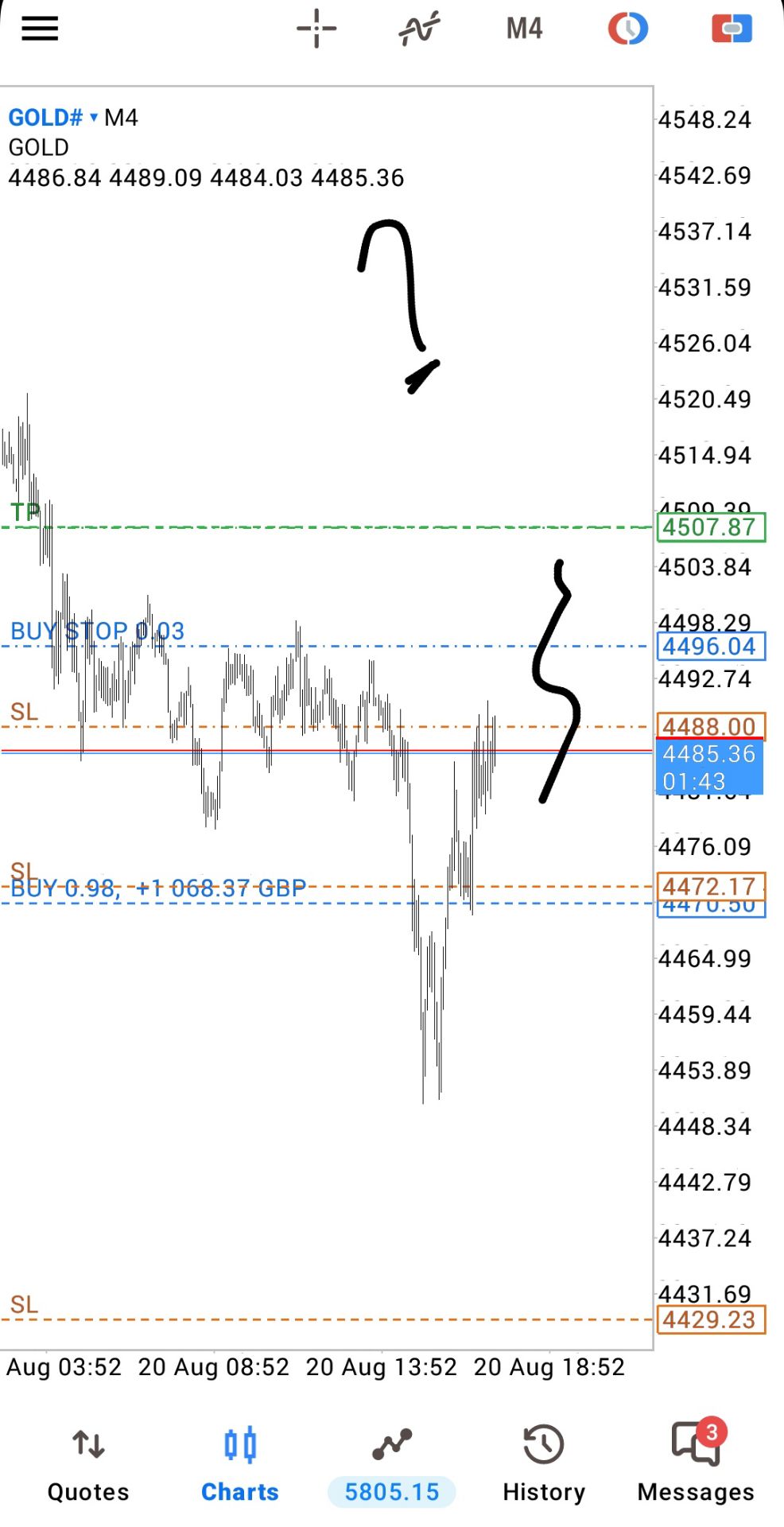
All in all it has been a great year for gold, with the precious metal up nearly 75%. Starting about a month ago, however, investors began to show some doubts. Gold reached a record high of $4,336 an ounce on Oct. 30. Since then, it's tumbled about 6% to $4,062 on Tuesday.
One culprit has been a strengthening U.S. dollar. Since gold is priced in dollars, a stronger dollar makes gold more expensive for global buyers who need to swap out of local currencies to acquire the metal.
A separate, but related, factor is the outlook for U.S. interest rates. A month ago, markets were all but certain the Federal Reserve would issue another interest-rate cut in December. In the past few weeks, those odds have fallen below 50%. Higher U.S. interest rates help strengthen the dollar and make gold, which doesn't pay any interest, comparatively less attractive than Treasuries.
The question weighing on gold investors: Is this just a bull market gut check, or the start of a bigger selloff?
Put Goldman Sachs clearly in the blip camp.
On Monday, the investment bank forecast gold prices would hit $4,900 by the end of 2026, representing a gain of about 21% on Tuesday's price. The metal could go even higher, according to Goldman analyst Lina Thomas. She sees "significant upside if the private investors diversification theme were to gain more traction" — a reference to more U.S. and international investors buying gold to complement their stock-and-bond portfolios.
What's behind all the bullishness? The current gold rally has been driven by heavy buying from two key sources — central banks and private investors, such as retirement savers, investment funds and more. Goldman doesn't see either one changing their behavior.
Central banks began buying gold to move away from dollar-denominated assets in 2022, after the U.S. froze Russian assets in response to the country's invasion of Ukraine. That rationale hasn't changed, notes Goldman, which says central banks' purchases appear to have ticked up in September, the latest month for which it has data.
Gold buying by investors, such as Main Street retirement savers, also appears to be on the rise. So far this year, investors have poured more than $41 billion into SPDR Gold Shares and other exchange-traded funds. While ETF investors have pulled some money out in the past month, the turnaround hasn't been dramatic, with the funds seeing outflows of only around $1.2 billion. Thomas expects ETF investors, alongside ultrahigh net worth individuals who buy physical gold, to continue accumulating the metal.
Goldman isn't the only one that remains bullish despite the pullback. Last week, strategists at UBS predicted gold could hit $5,000 in 2026 or 2027.
Write to Ian Salisbury at ian.salisbury@barrons.com
This content was created by Barron's, which is operated by Dow Jones & Co. Barron's is published independently from Dow Jones Newswires and The Wall Street Journal.
交易股票、貨幣、商品、期貨、債券、基金等金融工具或加密貨幣屬高風險行為,這些風險包括損失您的部分或全部投資金額,所以交易並非適合所有投資者。
做出任何財務決定時,應該進行自己的盡職調查,運用自己的判斷力,並諮詢合格的顧問。本網站的內容並非直接針對您,我們也未考慮您的財務狀況或需求。本網站所含資訊不一定是即時提供的,也不一定是準確的。本站提供的價格可能由造市商而非交易所提供。您做出的任何交易或其他財務決定均應完全由您負責,並且您不得依賴通過網站提供的任何資訊。我們不對網站中的任何資訊提供任何保證,並且對因使用網站中的任何資訊而可能造成的任何交易損失不承擔任何責任。
未經本站書面許可,禁止使用、儲存、複製、展現、修改、傳播或分發本網站所含數據。提供本網站所含數據的供應商及交易所保留其所有知識產權。