


- GBPUSD
- XAUUSD
- XAGUSD
- WTI
- USDX


行情
分析
使用者
快訊
財經日曆
學習
數據
- 名稱
- 最新值
- 前值




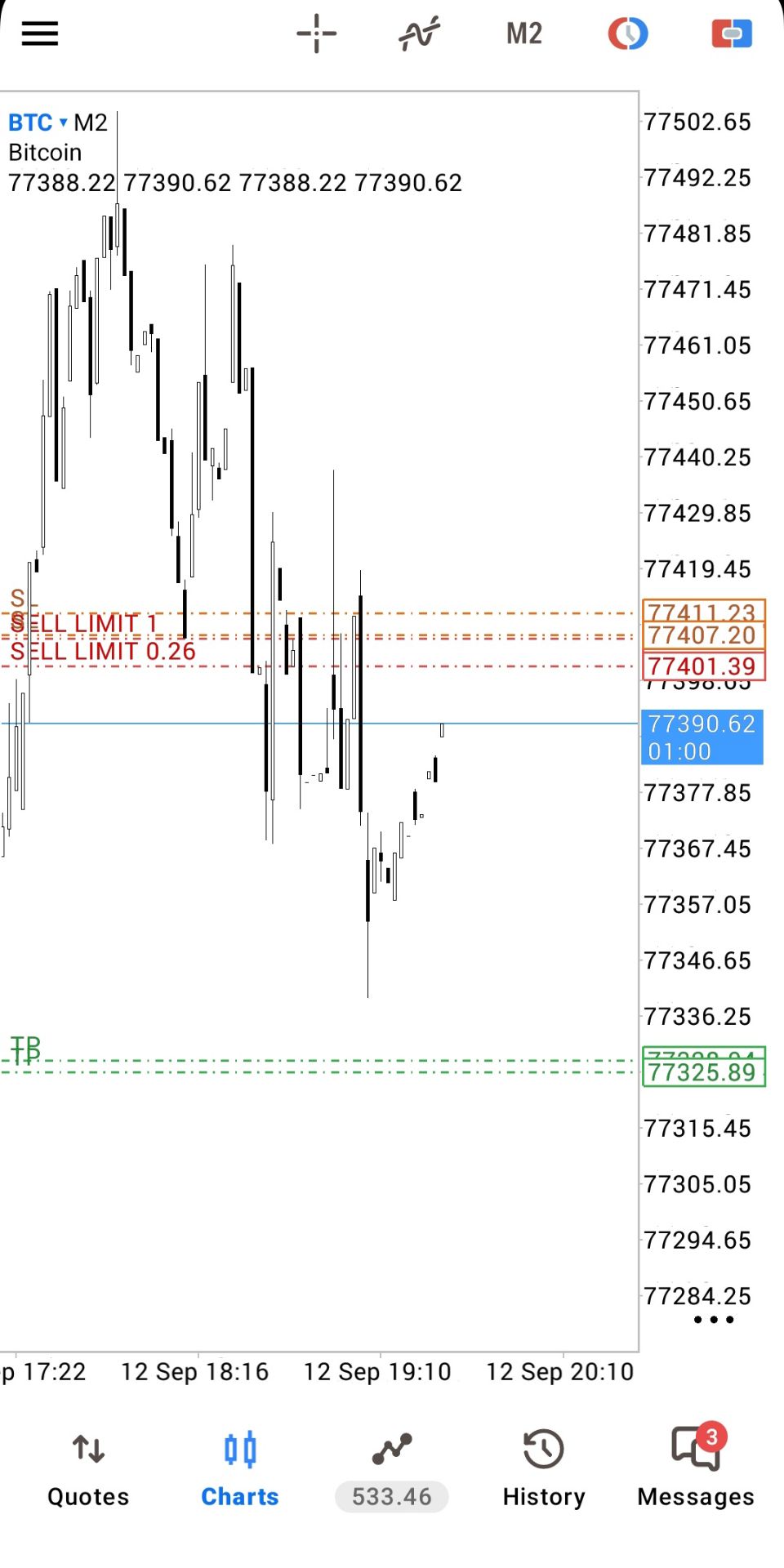























A massive Bitcoin mystery from 2020 has resurfaced, but this time, it’s not just about hackers and stolen crypto. China is accusing the United States of secretly taking control of 127,000 stolen Bitcoins, worth around $13 billion, in what may become one of the most controversial crypto disputes ever. The allegation has added fresh strain to the already tense relationship between the world’s two biggest powers.
China Claims U.S. Involved in a Major Crypto Hack
According to China’s cybersecurity authority, the National Computer Virus Emergency Response Center (CVERC), the Bitcoin in question was stolen back in 2020, during a hack targeting the LuBian mining pool, a Chinese-based crypto mining operation.
CVERC says the attack was sophisticated and used advanced hacking tools, the kind that only “a state-level hacking organization” could manage. Chinese state media suggests that the same group that hacked the Bitcoin may be linked to the U.S. government.
China claims that rather than returning the Bitcoin or acknowledging the hack, U.S. officials seized the funds as part of an undercover operation.
U.S. Rejects the Accusations
The U.S. government strongly disputes China’s claims. According to U.S. officials, the Bitcoin was seized legally as criminal evidence as part of a law enforcement case involving Chen Zhi, a Cambodian business figure accused of running crypto-related fraud. American agencies argue that Bitcoin was part of a money laundering and fraud investigation, and insist there was no hacking involved by the U.S.
Wallet Movements Spark Suspicion
For almost four years after the hack, the stolen Bitcoin sat untouched. Then suddenly, in mid-2024, the coins began moving. Blockchain analytics firm Arkham Intelligence later labeled the new wallet addresses as belonging to the U.S. government. This is where China challenges the U.S. explanation.
CVERC claims the timing and movement of funds do not match a normal law enforcement seizure. Instead, they believe these movements suggest that the U.S. may have controlled Bitcoin earlier than admitted, possibly playing a direct role in the original hacking operation.
Moreover, the accusation comes at a time of rising friction between the U.S. and China over technology, trade, and cybersecurity. To China, this case is more than just crypto; it’s about digital power and control. To the U.S., this is a legal seizure of stolen crypto tied to crime.
Crypto Reaction
Crypto influencers are reacting sharply to the China–U.S. bitcoin dispute, warning that the stakes have now escalated from just a hack to a geopolitical battle. According to Money Ape, the involvement of $13 billion worth of bitcoin is massive and could shake market stability. Another crypto influencer adds that China’s accusations of the U.S. highlight the real political risk surrounding Bitcoin. With 127K BTC possibly moving under government control, he warns that this could trigger sudden volatility and impact overall market liquidity and sentiment.
Both stress that traders need to stay alert. This situation could create huge opportunities, but only for those who stay level-headed instead of panicking.
FAQs
How much Bitcoin is involved in the China-U.S. dispute?The dispute involves 127,000 Bitcoins worth approximately $13 billion. These coins were allegedly stolen from a Chinese mining pool in 2020 and remained dormant until movements were detected in 2024.
Why is China accusing the U.S. of stealing Bitcoin?China claims the U.S. used sophisticated state-level hacking tools to steal Bitcoin from the LuBian mining pool in 2020, then secretly seized the funds instead of returning them or acknowledging involvement in the operation.
What is the U.S. government’s explanation for the Bitcoin seizure?The U.S. maintains the Bitcoin was legally seized as criminal evidence in a law enforcement investigation involving fraud and money laundering, specifically related to a Cambodian businessman named Chen Zhi.
When did the stolen Bitcoin start moving and why does timing matter?The Bitcoin sat untouched for nearly four years after the 2020 hack, then suddenly moved in mid-2024. China questions this timing, suggesting it indicates U.S. control earlier than officially acknowledged, contradicting the legal seizure narrative.

728 RM B 7/F GEE LOK IND BLDG NO 34 HUNG TO RD KWUN TONG KLN HONG KONG





交易股票、貨幣、商品、期貨、債券、基金等金融工具或加密貨幣屬高風險行為,這些風險包括損失您的部分或全部投資金額,所以交易並非適合所有投資者。
做出任何財務決定時,應該進行自己的盡職調查,運用自己的判斷力,並諮詢合格的顧問。本網站的內容並非直接針對您,我們也未考慮您的財務狀況或需求。本網站所含資訊不一定是即時提供的,也不一定是準確的。本站提供的價格可能由造市商而非交易所提供。您做出的任何交易或其他財務決定均應完全由您負責,並且您不得依賴通過網站提供的任何資訊。我們不對網站中的任何資訊提供任何保證,並且對因使用網站中的任何資訊而可能造成的任何交易損失不承擔任何責任。
未經本站書面許可,禁止使用、儲存、複製、展現、修改、傳播或分發本網站所含數據。提供本網站所含數據的供應商及交易所保留其所有知識產權。


