• Berdagang
  • Petikan
  • Salin
  • Peraduan
  • 24/7
  • Kalendar
  • Q&A
  • Sembang
Tapis
SIMBOL
TERAKHIR
BIDA
TANYA
TINGGI
RENDAH
PRBHN.
%PRBHN.
SPREAD
SUMBER
SPX
S&P 500 Index
7592.40
7592.40
7592.40
0.00
0
0.00
0.00%
--
--
DJI
Dow Jones Industrial Average
52297.09
52297.09
52297.09
0.00
0
0.00
0.00%
--
--
IXIC
NASDAQ Composite Index
25366.08
25366.08
25366.08
0.00
0
0.00
0.00%
--
--
USDX
Indeks dolar A.S.
103.138
103.138
103.218
103.173
102.940
+0.068
+ 0.07%
--
--
EURUSD
Euro/Dolar AS
1.10459
1.10459
1.10467
1.10725
1.10426
-0.00083
-0.08%
--
--
GBPUSD
Paun Sterling/Dolar AS
1.32260
1.32260
1.32272
1.32500
1.32177
-0.00087
-0.07%
--
--
XAUUSD
Gold / US Dollar
3887.24
3887.24
3887.67
3922.97
3872.76
+10.15
+ 0.26%
--
--
WTI
Light Sweet Crude Oil
88.369
88.369
88.399
88.409
86.859
+0.624
+ 0.71%
--
--

Akaun Komuniti

Akaun Signal
--
Akaun Untung
--
Akaun Rugi
--
Lihat Lagi

Menjadi pembekal signal

Jual isyarat dan dapatkan pendapatan

Lihat Lagi

Panduan untuk Copy Trading

Mulakan dengan mudah dan yakin

Lihat Lagi

Akaun Signal untuk Ahli

Semua Akaun Signal

Pulangan Terbaik
  • Pulangan Terbaik
  • P/L terbaik
  • MDD terbaik
1W Lalu
  • 1W Lalu
  • 1M Lalu
  • 1Y Lalu

Semua Peraduan

  • Semua
  • Syorkan
  • Stok
  • Mata wang kripto
  • Bank Pusat
  • Kemas Kini Trump
  • Berita Pilihan
Berita Teratas Sahaja
Kongsi

Hasil pada nota Perbendaharaan A.S. 10 tahun mencecah paras tertinggi 5.16% pada hari tersebut, dipengaruhi oleh kenaikan harga minyak.

Kongsi

Menurut sumber Israel, tentera Israel dan Shin Bet, Direktorat Keselamatan Negara (NSD) Israel, telah membunuh lebih 10 militan dan memusnahkan sebuah kemudahan pembuatan senjata di Semenanjung Gaza sejak seminggu lalu. Sebahagian daripada militan ini telah menyusup masuk ke Israel semasa serangan 7 Oktober.

Kongsi

Bank Pusat Chile menjual kontrak hadapan pertukaran asing bernilai $75 juta pada kadar pertukaran purata 1,000.51 peso Chile bagi setiap dolar AS.

Kongsi

Menurut sumber tempatan, serangan oleh militan di barat Niger telah membunuh sekurang-kurangnya 37 orang awam.

Kongsi

Kontrak niaga hadapan minyak bahan api paling aktif meningkat 3% intraday, kini diniagakan pada 4236.00 yuan.

Kongsi

UBS telah memberikan Hygon Information penarafan awal neutral dengan harga sasaran RMB 215.

Kongsi

Niaga hadapan gas asli A.S. jatuh lebih daripada 3.00%, kini diniagakan pada $3.632 setiap juta unit termal British.

Kongsi

Perak spot jatuh lebih daripada 1.00% pada hari tersebut, kini diniagakan pada $49.55 seauns.

Kongsi

Presiden Rizab Persekutuan Boston, Collins menyatakan bahawa memerangi inflasi adalah keutamaan yang lebih tinggi daripada krisis perumahan.

Kongsi

Presiden Rizab Persekutuan Boston, Collins: Peningkatan produktiviti membantu membendung beberapa tekanan inflasi.

Kongsi

Presiden Rizab Persekutuan Boston, Collins: Memastikan kestabilan harga merupakan langkah positif jangka panjang untuk pasaran perumahan.

Kongsi

Kementerian Luar Perancis menyatakan bahawa adalah perlu untuk meningkatkan tekanan ke atas pemberontak Houthi di Yaman bagi menghentikan serangan mereka yang tidak boleh diterima, terutamanya serangan terhadap Arab Saudi.

Kongsi

Gabenor Bank Pusat Brazil Gallipolo: Kami masih belum mengambil kira kesan kadar cukai daripada pembaharuan cukai penggunaan.

Kongsi

Bank of America Global Research telah memasukkan kenaikan kadar faedah sebanyak 25 mata asas oleh Rizab Persekutuan pada Januari 2027 dalam ramalannya; ia kini menjangkakan kenaikan kadar faedah pada Disember, Januari dan Mac 2026.

Kongsi

Menurut laporan, tentera Israel telah menjalankan operasi perobohan besar-besaran di bandar Khiam dan berhampiran Zautar Gharbiah di selatan Lubnan.

Kongsi

John Collins, ahli pengundian FOMC 2028 dan presiden Bank Rizab Persekutuan Boston, akan menyampaikan ucapan pembukaan di persidangan ekonomi tahunan ke-70 yang dihoskan oleh Bank Rizab Persekutuan Boston dalam masa sepuluh minit.

Kongsi

Pengarah Dasar Monetari Bank Pusat Brazil, Galiboro, menyatakan bahawa inflasi yang melebihi julat sasaran merupakan kebimbangan utama bank pusat, tetapi ia kekal kurang daripada satu mata peratusan lebih rendah daripada kadar faedah AS.

Kongsi

Tentera Laut A.S. mengeluarkan kenyataan mengenai kepulangan kapal pemusnah itu selepas 11 bulan.

Kongsi

Kapal pemusnah Tentera Laut AS USS Michael Murphy pulang ke tanah air selepas menyelesaikan pengerahannya di Timur Tengah.

Kongsi

Kontrak alumina utama jatuh 2.00% pada siang hari, kini diniagakan pada 2579 yuan/tan.

MASA
SBNR
RMLN
SBLM
IMPAK
Amerika Syarikat Perubahan Stok Petrol Mingguan EIA

S:--

R: --

S: --

WTI
  • WTI
  • XAUUSD
  • XAGUSD
  • USDX
Amerika Syarikat Perubahan Dalam Import Minyak Mentah EIA Untuk Minggu Ini

S:--

R: --

S: --

WTI
  • WTI
  • XAUUSD
  • XAGUSD
  • USDX
Amerika Syarikat Perubahan Inventori Minyak Pemanas EIA Mingguan

S:--

R: --

S: --

WTI
  • WTI
  • XAUUSD
  • XAGUSD
  • USDX
Amerika Syarikat Purata Hasil Lelongan Bon Perbendaharaan 30 Tahun

S:--

R: --

S: --

XAUUSD
  • XAUUSD
  • XAGUSD
  • WTI
  • USDX
Amerika Syarikat Baki Bajet (Okt)

S:--

R: --

S: --

USDX
  • USDX
  • XAUUSD
  • XAGUSD
  • WTI
Argentina Kadar Bulanan CPI (Okt)

S:--

R: --

S: --

XAUUSD
  • XAUUSD
  • XAGUSD
  • WTI
  • USDX
Amerika Syarikat Pegangan Bank Pusat Asing Perbendaharaan A.S. Untuk Minggu Ini

S:--

R: --

S: --

USDX
  • USDX
  • XAUUSD
  • XAGUSD
  • WTI
Presiden Rizab Persekutuan New York, Williams, menyampaikan ucapan.
Perancis Nilai Akhir Kadar Bulanan HICP (Okt)

S:--

R: --

S: --

EURUSD
  • EURUSD
  • XAUUSD
  • XAGUSD
  • WTI
  • USDX
China, Tanah Besar Kadar Pertumbuhan Tahunan Pinjaman Terkumpul (Okt)

S:--

R: --

S: --

XAUUSD
  • XAUUSD
  • XAGUSD
  • WTI
  • USDX
Laporan Pasaran Minyak IEA
China, Tanah Besar Kadar Tahunan Bekalan Wang M2 (Okt)

S:--

R: --

S: --

XAUUSD
  • XAUUSD
  • XAGUSD
  • WTI
  • USDX
China, Tanah Besar Kadar Tahunan Bekalan Wang M0 (Okt)

S:--

R: --

S: --

XAUUSD
  • XAUUSD
  • XAGUSD
  • WTI
  • USDX
China, Tanah Besar Kadar Tahunan Bekalan Wang M1 (Okt)

S:--

R: --

S: --

XAUUSD
  • XAUUSD
  • XAGUSD
  • WTI
  • USDX
China, Tanah Besar Skala Pembiayaan Sosial (Okt)

S:--

R: --

S: --

XAUUSD
  • XAUUSD
  • XAGUSD
  • WTI
  • USDX
Zon Euro Baki Dagangan (Tidak Dilaraskan Mengikut Musim) (Sep)

S:--

R: --

S: --
EURUSD
  • EURUSD
  • XAUUSD
  • XAGUSD
  • WTI
  • USDX
Zon Euro Baki Dagangan (Selepas Pelarasan Bermusim) (Sep)

S:--

R: --

S: --
EURUSD
  • EURUSD
  • XAUUSD
  • XAGUSD
  • WTI
  • USDX
Zon Euro Kadar Pekerjaan Tahunan (Selepas Pelarasan Bermusim) (Suku 3)

S:--

R: --

S: --

EURUSD
  • EURUSD
  • XAUUSD
  • XAGUSD
  • WTI
  • USDX
Zon Euro Nilai Semakan Kadar Tahunan KDNK (Suku 3)

S:--

R: --

S: --

India Kadar Pertumbuhan Deposit Tahunan

S:--

R: --

S: --

XAUUSD
  • XAUUSD
  • XAGUSD
  • WTI
  • USDX
Brazil Kadar Bulanan Jualan Runcit (Sep)

S:--

R: --

S: --

XAUUSD
  • XAUUSD
  • XAGUSD
  • WTI
  • USDX
Kanada Kadar Bulanan Jualan Borong (Selepas Pelarasan Bermusim) (Sep)

S:--

R: --

S: --
USDCAD
  • USDCAD
  • XAUUSD
  • XAGUSD
  • WTI
  • USDX
Kanada Kadar Tahunan Jualan Borong (Sep)

S:--

R: --

S: --

USDCAD
  • USDCAD
  • XAUUSD
  • XAGUSD
  • WTI
  • USDX
Kanada Kadar Bulanan Pembuatan Pesanan Tidak Diisi (Sep)

S:--

R: --

S: --

USDCAD
  • USDCAD
  • XAUUSD
  • XAGUSD
  • WTI
  • USDX
Kanada Menghasilkan Pesanan Baharu Kadar Bulanan (Sep)

S:--

R: --

S: --
USDCAD
  • USDCAD
  • XAUUSD
  • XAGUSD
  • WTI
  • USDX
Amerika Syarikat Kadar Bulanan PPI (Selepas Pelarasan Bermusim) (Okt)

S:--

R: --

S: --
USDX
  • USDX
  • XAUUSD
  • XAGUSD
  • WTI
Amerika Syarikat Kadar Tahunan PPI (Okt)

S:--

R: --

S: --

USDX
  • USDX
  • XAUUSD
  • XAGUSD
  • WTI
Amerika Syarikat Kadar Bulanan Teras PPI (Selepas Pelarasan Bermusim) (Okt)

S:--

R: --

S: --
USDX
  • USDX
  • XAUUSD
  • XAGUSD
  • WTI
Amerika Syarikat Kadar Tahunan PPI Teras (Okt)

S:--

R: --

S: --

USDX
  • USDX
  • XAUUSD
  • XAGUSD
  • WTI
Kanada Kadar Bulanan Inventori Pembuatan (Sep)

S:--

R: --

S: --

USDCAD
  • USDCAD
  • XAUUSD
  • XAGUSD
  • WTI
  • USDX
Kanada Kadar Bulanan Inventori Borong (Sep)

S:--

R: --

S: --

USDCAD
  • USDCAD
  • XAUUSD
  • XAGUSD
  • WTI
  • USDX
Kanada Kadar Tahunan Inventori Borong (Sep)

S:--

R: --

S: --

USDCAD
  • USDCAD
  • XAUUSD
  • XAGUSD
  • WTI
  • USDX
Amerika Syarikat Perubahan Stok Gas Asli Mingguan EIA

--

R: --

S: --

Rusia CPI YoY (Okt)

--

R: --

S: --

Amerika Syarikat Jumlah Bilangan Pelantar Penerokaan Mingguan

--

R: --

S: --

Amerika Syarikat Jumlah Pelantar Minyak Untuk Minggu Ini

--

R: --

S: --

Arab Saudi CPI YoY (Okt)

--

R: --

S: --

Jepun Kadar Suku Tahunan KDNK Sebenar (Suku 3)

--

R: --

S: --

Jepun Nilai Permulaan Kadar Suku Tahunan KDNK Nominal (Suku 3)

--

R: --

S: --

U.K. Kadar Tahunan Indeks Harga Kediaman Rightmove (Nov)

--

R: --

S: --

China, Tanah Besar Kadar Tahunan Keluaran Industri (Sehingga Tahun) (Okt)

--

R: --

S: --

China, Tanah Besar Kadar Pengangguran Bandar (Okt)

--

R: --

S: --

Jepun Nilai Akhir Kadar Bulanan Keluaran Industri (Sep)

--

R: --

S: --

Jepun Nilai Akhir Kadar Tahunan Keluaran Industri (Sep)

--

R: --

S: --

Zon Euro Kadar Tahunan Keluaran Industri (Sep)

--

R: --

S: --

Zon Euro Kadar Bulanan Keluaran Industri (Sep)

--

R: --

S: --

Zon Euro Jumlah Aset Rizab (Okt)

--

R: --

S: --

Kanada Indeks Keyakinan Ekonomi Negara

--

R: --

S: --

Amerika Syarikat Indeks Pemerolehan Harga Pembuatan Fed New York (Nov)

--

R: --

S: --

Amerika Syarikat Indeks Pesanan Baharu Pembuatan Fed New York (Nov)

--

R: --

S: --

Kanada Kadar Tahunan CPI Teras (Okt)

--

R: --

S: --

Kanada Kadar Bulanan CPI Teras (Okt)

--

R: --

S: --

Q&A dengan Pakar
    • Semua
    • Ruang Sembang
    • Kumpulan
    • Kenalan
    john flag
    Sanjeev Ku
    nhow 3875
    @Sanjeev Kulooking at the current H4 gold seems poised for a further move lower
    john flag
    @The Apache But again it's Friday so let's proceed carefully whatsoever
    john flag
    The Apache
    @johnsilver indeed
    @The Apache So how are you positioned in silver at the moment
    "The Apache " mengingat semula mesej
    The Apache flag
    bearish
    The Apache flag
    john
    @The Apache So how are you positioned in silver at the moment
    @johnselling
    Sanjeev Ku flag
    john
    @Sanjeev Kulooking at the current H4 gold seems poised for a further move lower
    @john yeh bro. on days like today. place strict and non neogiable sl and ride the trade with some tgt in mind. by non negotiable i mean to say that no change in sl. some changes sl when price approaching there sl no. if hits ok tata bye bye thank you. see you later. see you later not to sl but instrument haha
    Osaghae Cephas flag
    Sanjeev Ku
    @john yeh bro. on days like today. place strict and non neogiable sl and ride the trade with some tgt in mind. by non negotiable i mean to say that no change in sl. some changes sl when price approaching there sl no. if hits ok tata bye bye thank you. see you later. see you later not to sl but instrument haha
    @Sanjeev Ku😂😖 what are u saying mate..
    EuroTrader flag
    Fawad Khan
    @EuroTradercan you tell me data is against USD or in favour of USD?
    @Fawad Khan data is definitely not good for the United States dollar. Dollar should be weak going forward
    EuroTrader flag
    EuroTrader flag
    Oscar
    @EuroTraderbro do you have another pair you can recommend to me
    @OscarThrse pairs I shared are the ones I trade asides Bitcoin and eth and Eurusd . You can trade Nasdaq and us500but they are not high probability to me
    Osaghae Cephas flag
    Sanjeev Ku
    @john yeh bro. on days like today. place strict and non neogiable sl and ride the trade with some tgt in mind. by non negotiable i mean to say that no change in sl. some changes sl when price approaching there sl no. if hits ok tata bye bye thank you. see you later. see you later not to sl but instrument haha
    @Sanjeev Kuwill the trend continue lover... or it will keep buying before going lower lemme know so I could close or can
    Osaghae Cephas flag
    EuroTrader flag
    EuroTrader
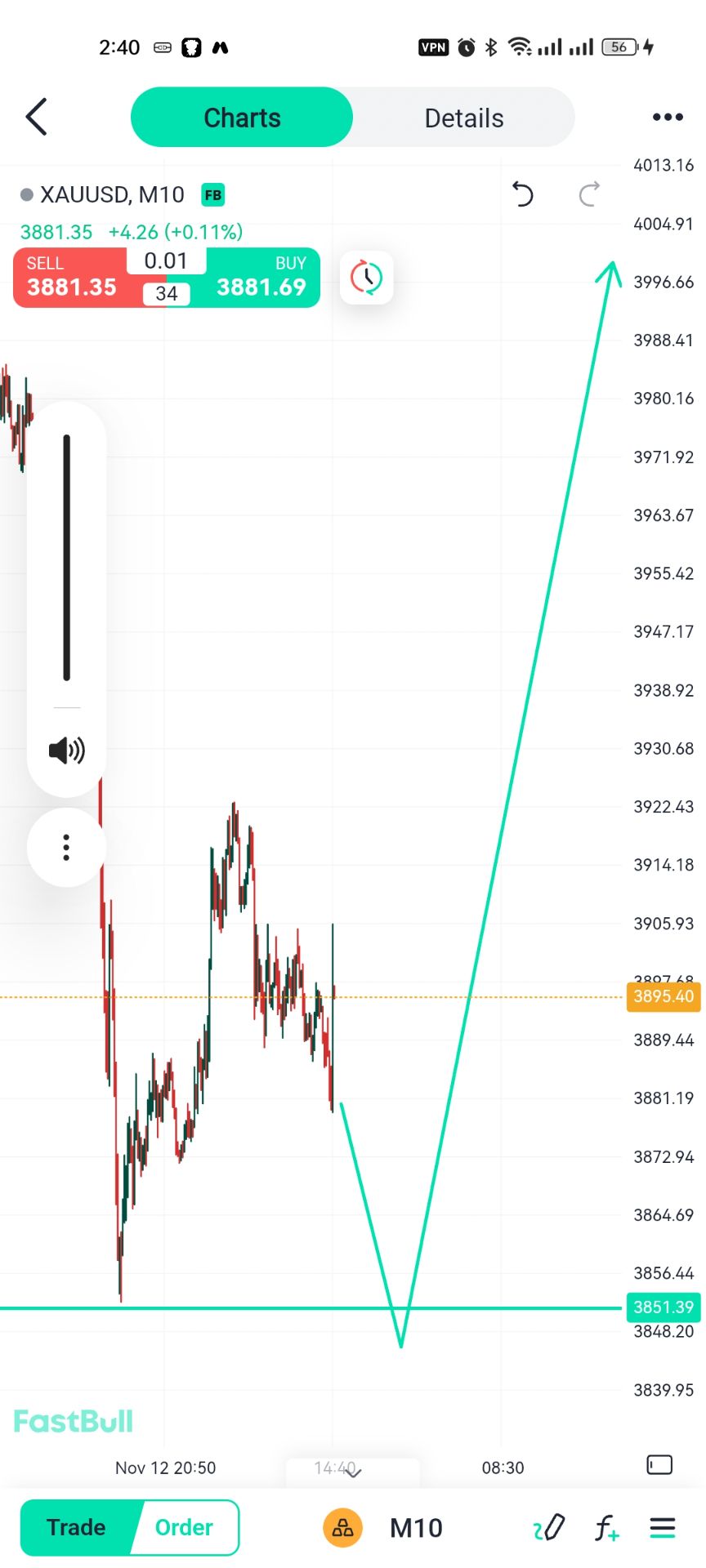
    This is the plan for the shiny metal called gold,it's gonna drop them continue higher @The Apache @Matthew
    EuroTrader flag
    Osaghae Cephas
    @Osaghae CephasAm proud of you my brother. You made the call and you put a skin in the game on the call
    Osaghae Cephas flag
    EuroTrader
    @OscarThrse pairs I shared are the ones I trade asides Bitcoin and eth and Eurusd . You can trade Nasdaq and us500but they are not high probability to me
    @EuroTraderwhy is it that the call I'll will give that will make u some bucks u won't take it but the one that might give you losses you'll take it💔💔😂 what's the logic behind it? is it the universe or something🤦
    Osaghae Cephas flag
    EuroTrader
    @Osaghae CephasAm proud of you my brother. You made the call and you put a skin in the game on the call
    @EuroTraderof course
    EuroTrader flag
    Matthew
    @EuroTraderBitcoin is bullish?.
    @Matthewhow are you doing brother. Bitcoin has some inclination to head to the upside do I'll just wait patiently to see if my king entry is verified
    EuroTrader flag
    Osaghae Cephas
    @EuroTraderwhy is it that the call I'll will give that will make u some bucks u won't take it but the one that might give you losses you'll take it💔💔😂 what's the logic behind it? is it the universe or something🤦
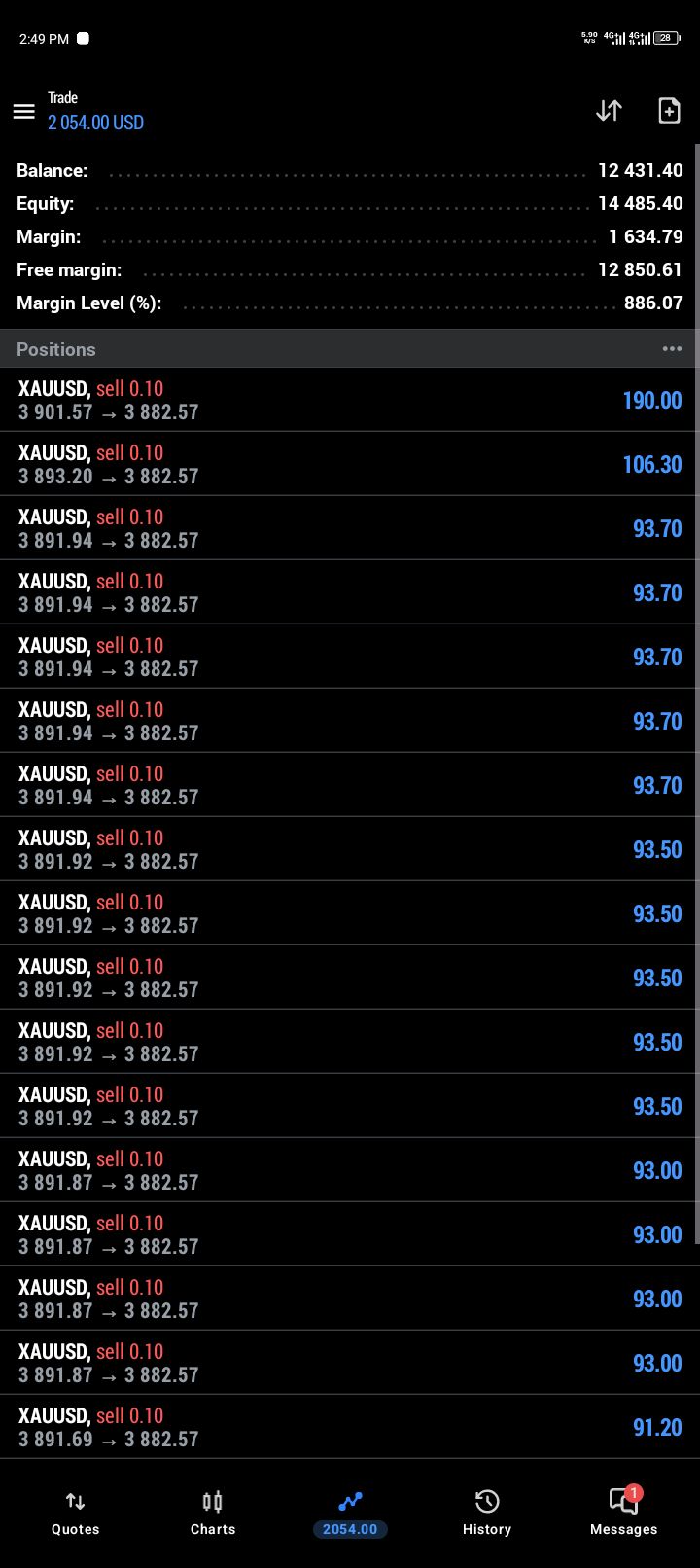
    @Osaghae Cephasthsys just 9 pipzmy brother. It hasn't moved. You see the lot size you using? Where is your stop loss on the trade
    EuroTrader flag
    q
    Taip di sini...
    Tambah Simbol atau Kod

      Tiada data yang sepadan

      Semua
      Syorkan
      Stok
      Mata wang kripto
      Bank Pusat
      Kemas Kini Trump
      Berita Pilihan
      • Semua
      • Konflik Rusia-Ukraine
      • Titik Perpasan Timur Tengah
      • Semua
      • Konflik Rusia-Ukraine
      • Titik Perpasan Timur Tengah
      Cari
      Produk

      Carta Percuma Selamanya

      Sembang Q&A dengan Pakar
      Tapis Kalendar Ekonomi Data Alatan
      Keahlian Ciri
      Gudang Data Aliran Pasaran Data Institusi Kadar Dasar Makro

      Aliran Pasaran

      Sentimen Pasaran Buku Pesanan Korelasi Forex

      Indikator Teratas

      Carta Percuma Selamanya
      Pasaran

      Berita

      24/7 Analisis Pendidikan

      Pandangan Terkini

      Maklumat terkini

      Isyarat

      Salin Kedudukan Signal Terkini Menjadi pembekal signal Penilaian AI
      Peraduan
      Brokers

      Gambar penuh Broker Penilaian Kedudukan Pengawal selia Berita Tuntutan
      Senarai Broker Alat Perbandingan Broker Forex Perbandingan Spread Langsung Penipuan
      Q&A Aduan Video Amaran Penipuan Petua untuk Mengesan Penipuan
      Lagi

      Bisnes
      Acara
      Kerjaya Tentang kita Pengiklanan Pusat Bantuan

      White Label

      Broker API

      Data API

      Web Plug-in

      Program Afiliate

      Anugerah Penilaian Institusi Seminar IB Acara Salun Pameran
      Vietnam Thailand Singapura Dubai
      Parti Peminat Sesi Kongsi Pelaburan
      KTT FastBull Pameran BrokersView
      Carian Terkini
        Carian Teratas
          Petikan
          Analisis
          Pengguna
          24/7
          Kalendar Ekonomi
          Pendidikan
          Data
          • Nama
          • Terkini
          • Sblm

          Lihat Semua

          Tiada data

          Imbas untuk Muat Turun

          Carta Lebih Pantas, Sembang Lebih Pantas!

          Muat turun
          • English
          • Español
          • العربية
          • Bahasa Indonesia
          • Bahasa Melayu
          • Tiếng Việt
          • ภาษาไทย
          • Français
          • Italiano
          • Türkçe
          • Русский язык
          • 简中
          • 繁中
          Buka Akaun
          Cari
          Produk
          Carta Percuma Selamanya
          Pasaran
          Berita
          Isyarat

          Salin Kedudukan Signal Terkini Menjadi pembekal signal Penilaian AI
          Peraduan
          Brokers

          Gambar penuh Broker Penilaian Kedudukan Pengawal selia Berita Tuntutan
          Senarai Broker Alat Perbandingan Broker Forex Perbandingan Spread Langsung Penipuan
          Q&A Aduan Video Amaran Penipuan Petua untuk Mengesan Penipuan
          Lagi

          Bisnes
          Acara
          Kerjaya Tentang kita Pengiklanan Pusat Bantuan

          White Label

          Broker API

          Data API

          Web Plug-in

          Program Afiliate

          Anugerah Penilaian Institusi Seminar IB Acara Salun Pameran
          Vietnam Thailand Singapura Dubai
          Parti Peminat Sesi Kongsi Pelaburan
          KTT FastBull Pameran BrokersView

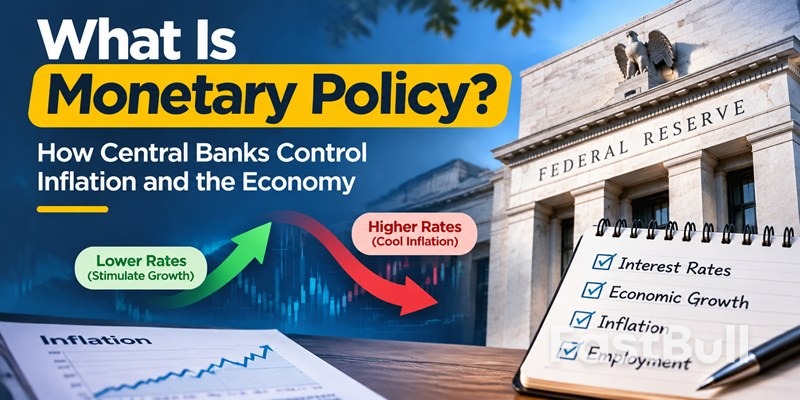
          Apakah Dasar Monetari? Bagaimana Bank Pusat Mengawal Inflasi dan Ekonomi

          zhan chen
          Ringkasan:

          Apakah dasar monetari, dan bagaimana ia berfungsi? Ketahui bagaimana bank pusat menggunakan kadar faedah untuk mengawal inflasi, mempengaruhi ekonomi dan menyokong pertumbuhan.

          Dasar monetari ialah bagaimana bank pusat mempengaruhi kadar faedah dan keadaan kewangan untuk mengawal inflasi dan ekonomi yang stabil. Apabila harga meningkat terlalu cepat, pinjaman mungkin menjadi lebih mahal. Apabila pertumbuhan ekonomi lemah, kos pinjaman mungkin menurun. Keputusan ini mempengaruhi segala-galanya daripada gadai janji dan simpanan kepada pekerjaan dan pelaburan perniagaan.
          Apakah Dasar Monetari? Bagaimana Bank Pusat Mengawal Inflasi dan Ekonomi_1

          Apakah Dasar Monetari?

          Dasar monetari merujuk kepada tindakan yang diambil oleh bank pusat untuk mempengaruhi kos dan ketersediaan wang dan kredit dalam sesebuah ekonomi. Tujuannya adalah untuk mengekalkan kestabilan harga dan menyokong aktiviti ekonomi yang mampan.

          Bank pusat tidak mengawal secara langsung harga yang dibayar oleh pengguna atau bilangan pekerja yang diupah oleh perniagaan. Sebaliknya, mereka mempengaruhi keadaan kewangan, terutamanya melalui kadar faedah, yang mempengaruhi berapa banyak orang meminjam, berbelanja, menyimpan dan melabur.

          Pertimbangkan satu contoh mudah. ​​Jika inflasi meningkat kerana pengguna dan perniagaan berbelanja lebih cepat daripada ekonomi dapat membekalkan barangan dan perkhidmatan, bank pusat mungkin menaikkan kadar faedah. Kos pinjaman yang lebih tinggi boleh menggalakkan perbelanjaan dan mengurangkan tekanan ke atas harga. Jika ekonomi semakin perlahan dan pengangguran semakin meningkat, bank pusat mungkin menurunkan kadar untuk menggalakkan pinjaman dan pelaburan.

          Keputusan-keputusan ini merupakan dasar monetari yang sedang dilaksanakan.

          Apakah Matlamat Utama Dasar Monetari?

          Matlamat utama dasar monetari adalah untuk memastikan ekonomi stabil, walaupun tanggungjawab khusus berbeza antara negara.

          Di Amerika Syarikat, Rizab Persekutuan mempunyai dua matlamat dasar monetari utama, yang biasanya dipanggil mandat dwi- nya :

          • Kestabilan harga: Mengekalkan inflasi yang rendah dan boleh diramal supaya isi rumah dan perniagaan boleh merancang perbelanjaan dan pelaburan mereka dengan lebih yakin.
          • Guna tenaga maksimum: Menyokong tahap guna tenaga tertinggi yang dapat dikekalkan oleh ekonomi tanpa mewujudkan tekanan inflasi yang berterusan.

          Rizab Persekutuan menyasarkan inflasi sebanyak 2% dalam jangka masa panjang, diukur oleh indeks harga Perbelanjaan Penggunaan Peribadi (PCE). Ini tidak bermakna harga akan jatuh sebanyak 2% atau kekal tidak berubah sepenuhnya. Ini bermakna paras harga keseluruhan akan meningkat pada kadar yang agak perlahan dan boleh diramal.

          Matlamat ini kadangkala boleh bercanggah. Kadar faedah yang lebih rendah mungkin menyokong pengambilan pekerja tetapi juga meningkatkan inflasi. Kadar yang lebih tinggi mungkin mengawal inflasi tetapi melemahkan pekerjaan. Pembuat dasar mesti mempertimbangkan kesan ini dan bukannya mengejar satu matlamat tanpa mempertimbangkan matlamat yang lain.

          Siapakah yang Mengawal Dasar Monetari?

          Dasar monetari biasanya diuruskan oleh bank pusat sesebuah negara, bukan secara langsung oleh kerajaannya.

          Di Amerika Syarikat, Rizab Persekutuan menjalankan dasar monetari. Jawatankuasa Pasaran Terbuka Persekutuan (FOMC)nya menentukan julat sasaran untuk kadar dana persekutuan, penanda aras yang mempengaruhi kos pinjaman di seluruh ekonomi.

          Other central banks perform similar functions, including the European Central Bank (ECB) in the euro area and the Bank of England (BoE) in the United Kingdom. Their mandates and policy frameworks differ, but controlling inflation is a central responsibility.

          Governments influence the economy through taxation and public spending. Those decisions belong to fiscal policy, which is different from monetary policy.

          How Does Monetary Policy Work?

          Monetary policy works by changing financial conditions rather than directly ordering businesses to adjust prices or consumers to spend less.

          Interest rates are the main channel. When a central bank changes its policy rate, the effects spread through financial markets, commercial banks, household borrowing, and business investment. These changes influence demand for goods and services, which eventually affects employment and inflation.

          How Interest Rates Affect Inflation and Economic Growth

          Suppose inflation is running above the central bank's target. Raising interest rates makes borrowing more expensive. Some households delay purchasing homes or cars, while businesses reconsider expansion plans that depend on loans.

          As spending and investment slow, demand puts less pressure on the economy's productive capacity. Businesses may find it harder to raise prices without losing customers, allowing inflation to ease.

          The process generally follows this pattern:

          Higher interest rates → More expensive borrowing → Slower spending and investment → Weaker demand → Lower inflationary pressure.

          Lower interest rates generally work in the opposite direction. They can encourage borrowing and spending, supporting economic growth when demand is weak.

          However, monetary policy does not produce immediate or guaranteed results. It can take months or longer for interest rate changes to affect economic activity and inflation. Longer-term borrowing rates also depend on expectations about future rates, inflation, and financial risks.

          There are limits to what interest rates can achieve. For example, if oil prices rise because of a disruption in global supply, raising rates cannot produce more oil. It can reduce broader demand and prevent inflation from spreading, but it cannot directly resolve the shortage.

          Another important distinction is that lower inflation does not necessarily mean lower prices. If inflation falls from 6% to 2%, prices are still rising, just more slowly than before.

          How Monetary Policy Affects Borrowing, Savings, and Employment

          The effects of monetary policy extend beyond inflation statistics. They influence financial decisions that households and businesses make every day.

          • Mortgages and loans: Higher market interest rates generally increase the cost of new mortgages, car loans, and business financing. Existing fixed-rate loans may be unaffected, while variable-rate borrowers can experience changes more quickly.
          • Savings: Higher policy rates can lead to better returns on savings accounts and short-term deposits, although banks do not always pass along the full increase. Lower rates generally reduce these returns.
          • Business investment: Companies become more cautious about borrowing to open stores, purchase equipment, or expand operations when financing becomes expensive.
          • Employment: Weaker consumer demand and reduced business investment can slow hiring. Conversely, stronger spending may encourage businesses to expand and create jobs.

          These effects are connected. A business facing higher loan costs may postpone opening another location. That decision reduces demand for equipment, construction services, and additional workers.

          Monetary policy therefore affects employment and economic growth indirectly, even though the central bank does not determine individual wages, loan rates, or hiring decisions.

          Expansionary vs. Contractionary Monetary Policy

          Central banks adjust monetary policy according to economic conditions. When growth is weak, they may try to stimulate spending and investment. When inflation is persistently high, they may try to reduce demand.

          These two approaches are known as expansionary monetary policy and contractionary monetary policy.

          When Do Central Banks Use Expansionary Monetary Policy?

          Expansionary monetary policy is generally used when economic activity is weak, unemployment is rising, or inflation is below the central bank's target.

          Central banks can lower policy interest rates or use other measures to ease financial conditions. The aim is to make borrowing and investment more attractive, encouraging households and businesses to increase spending.

          For example, during an economic downturn, a company might delay expanding because sales are falling. Lower financing costs can make new investment more affordable, especially if the company expects demand to recover.

          However, lower rates cannot guarantee stronger growth. If businesses are pessimistic about future sales or consumers are worried about losing their jobs, they may avoid borrowing even when credit is inexpensive.

          Expansionary policy also carries inflation risks. If demand rises faster than the economy can increase production, prices may begin climbing too quickly.

          When Do Central Banks Use Contractionary Monetary Policy?

          Contractionary monetary policy is used when inflation is too high or economic demand is growing at an unsustainable pace.

          Central banks typically raise policy interest rates or tighten financial conditions through other tools. This discourages some borrowing and spending, helping bring demand closer to the economy's available supply.

          For example, if strong consumer demand is allowing businesses to raise prices repeatedly, higher borrowing costs can reduce purchases financed by credit. As demand moderates, businesses may have less room to increase prices.

          The trade-off is slower economic activity. If monetary policy becomes too restrictive, businesses may reduce investment, hiring may weaken, and the economy could enter a recession.

          The difference between the two approaches is summarized below.

          FeatureExpansionary PolicyContractionary Policy
          Main PurposeStimulate economic activityReduce inflationary pressure
          Typical ConditionsWeak growth, rising unemployment, or low inflationHigh inflation or excessive demand
          Interest Rate DirectionGenerally lowerGenerally higher
          Borrowing and SpendingEncouragedDiscouraged
          Employment ImpactMay support hiringMay slow hiring
          Main RiskExcessive inflationRecession and higher unemployment

          Neither approach is inherently better. The appropriate policy depends on whether the economy needs stronger demand or relief from inflationary pressure. Central banks may also keep policy unchanged while assessing whether earlier decisions are having their intended effects.

          What Tools Do Central Banks Use?

          Central banks use several tools to influence interest rates, credit conditions, and the amount of liquidity in the financial system. The exact tools vary by country, but interest rates and open market operations are among the most important.

          Interest Rates and Open Market Operations

          The main monetary policy tool used by the Federal Reserve is its target range for the federal funds rate. This is the interest rate banks charge each other for overnight loans of reserve balances.

          Although the Fed does not directly set mortgage rates, credit card rates, or business loan rates, changes in the federal funds rate influence borrowing costs across financial markets. Banks adjust their lending and deposit rates as funding conditions change.

          The Fed uses several mechanisms to keep short-term market rates within its target range. These include:

          • Interest on Reserve Balances (IORB): The interest the Fed pays banks on the funds they hold in reserve accounts. Changing this rate influences the rates banks are willing to accept when lending money overnight.
          • Overnight Reverse Repurchase Facility: This allows eligible financial institutions, including money market funds, to place funds with the Fed overnight at a specified rate. It helps establish a floor for certain short-term market rates.

          Another important tool is open market operations. These involve the Federal Reserve buying or selling government securities, or conducting short-term repurchase agreements, to manage liquidity and support its interest rate targets.

          For example, when the Fed buys securities, it adds reserve balances to the banking system. When it conducts operations that absorb reserves, it reduces available liquidity. These operations help the Fed implement its monetary policy decisions.

          Quantitative Easing, Quantitative Tightening, and Other Tools

          When adjusting short-term interest rates is not enough to influence financial conditions, central banks can use other measures, including quantitative easing (QE) and quantitative tightening (QT).

          • Quantitative Easing (QE): The central bank purchases large amounts of longer-term government bonds or other securities. These purchases increase demand for the assets and can push down longer-term interest rates, making mortgages and business financing more affordable.
          • Quantitative Tightening (QT): The central bank reduces its balance sheet, usually by allowing securities to mature without fully reinvesting the proceeds. This gradually reduces the central bank's holdings and can tighten financial conditions.

          QE is generally used when an economy needs additional monetary support, particularly when short-term interest rates are already very low. QT is more commonly used when policymakers want to gradually withdraw some of the monetary support provided through earlier asset purchases.

          Other tools include the discount window, through which eligible banks can borrow directly from the Federal Reserve to address short-term funding needs, and forward guidance, which communicates the central bank's likely future policy direction to influence market expectations.

          One distinction is important when looking at U.S. monetary policy: although reserve requirements are often listed in traditional explanations of central bank tools, the Federal Reserve reduced reserve requirement ratios to zero in March 2020. They are not a primary tool in its current operating framework.

          The Fed also ended its balance sheet reduction process on December 1, 2025. Therefore, QT is useful to understand as a monetary policy tool, but it should not be confused with an ongoing Fed policy as of November 2026.

          For a complete overview, see the Federal Reserve's monetary policy tools.

          How Does the Federal Reserve Make Monetary Policy Decisions?

          The Federal Reserve does not raise or lower interest rates simply because inflation changes in one month. Its policymakers examine a range of economic indicators to determine whether the economy needs tighter or looser financial conditions.

          What Factors Influence the Fed's Interest Rate Decisions?

          The Federal Open Market Committee (FOMC) is responsible for setting the direction of U.S. monetary policy. It holds eight regularly scheduled meetings each year to review economic conditions and decide whether to change its policy stance.

          Several factors influence these decisions:

          • Inflation: The Fed examines whether price increases are slowing, accelerating, or remaining above its 2% longer-run target. It also considers whether inflation is broad-based or concentrated in specific categories.
          • Employment: Job creation, unemployment, wage growth, and labor market conditions help policymakers assess whether the economy is overheating or losing momentum.
          • Economic growth: GDP, consumer spending, and business investment show whether overall demand is expanding at a sustainable pace.
          • Inflation expectations: If households and businesses expect prices to keep rising, workers may seek higher wages and companies may increase prices in advance. These expectations can make inflation harder to control.
          • Financial conditions: Credit availability, borrowing costs, asset prices, and broader market conditions help the Fed understand how its previous decisions are affecting the economy.

          The Fed must also consider how long monetary policy takes to work. An interest rate increase may affect new borrowing relatively quickly, but its full impact on consumer spending, business investment, hiring, and inflation can take much longer to appear.

          This is why policymakers look at both current economic data and the likely direction of the economy. Raising rates too aggressively can weaken employment and growth, while waiting too long to address persistent inflation can allow price pressures to become more entrenched.

          What Is the Fed's Current Monetary Policy?

          As of November 13, 2026, the Federal Reserve's latest monetary policy decision was announced on October 28, 2026. The FOMC voted 10–2 to maintain the federal funds rate target range at 3.75% to 4.00%.

          The Committee said economic activity was expanding at a strong pace, supported by resilient domestic spending, productivity growth, and business investment. Job gains had kept pace with the workforce, while inflation remained elevated relative to the Fed's 2% goal.

          The decision was not unanimous. Two FOMC members, Lisa D. Cook and Beth M. Hammack, preferred to raise the target range by another 0.25 percentage point rather than leave rates unchanged.

          This decision illustrates an important point: monetary policy is not determined by inflation alone. The Fed must weigh price stability against employment and economic growth, particularly when different indicators suggest different policy responses.

          Future rate decisions will depend on incoming economic data and how inflation and employment develop. The Fed does not follow a fixed schedule of rate increases or cuts simply because a particular number of months has passed.

          You can check the October 28, 2026 FOMC statement for the official decision and its economic assessment.

          Monetary Policy vs. Fiscal Policy: What's the Difference?

          Monetary policy and fiscal policy are two major ways governments influence economic activity, but they work through different channels and are controlled by different institutions.

          Dasar monetari diuruskan oleh bank pusat sesebuah negara dan terutamanya mempengaruhi kadar faedah, keadaan kredit dan kecairan kewangan. Dasar fiskal ditentukan oleh kerajaan melalui percukaian, perbelanjaan awam dan pinjaman.

          Di Amerika Syarikat, Rizab Persekutuan menguruskan dasar monetari, manakala Kongres dan Pentadbiran membuat keputusan dasar fiskal.

          CiriDasar MonetariDasar Fiskal
          Siapa yang Mengawalnya?Bank pusat, seperti Rizab PersekutuanKerajaan, termasuk Kongres dan Pentadbiran di AS
          Alatan UtamaKadar faedah, operasi pasaran terbuka dan pembelian asetCukai, perbelanjaan kerajaan dan pemindahan
          Fokus UtamaKestabilan harga dan pekerjaanPertumbuhan ekonomi, perkhidmatan awam, sokongan pendapatan dan pekerjaan
          Bagaimana Ia Mempengaruhi EkonomiPerubahan kos pinjaman, syarat kredit dan insentif perbelanjaanPerubahan pendapatan isi rumah, insentif perniagaan dan permintaan awam
          ContohRizab Persekutuan (Fed) menaikkan kadar faedah untuk mengurangkan tekanan inflasiKerajaan meningkatkan perbelanjaan infrastruktur untuk menyokong aktiviti ekonomi

          Kedua-dua dasar ini boleh berfungsi bersama, tetapi ia juga boleh menarik ekonomi ke arah yang berbeza.

          Contohnya, semasa kemelesetan ekonomi, kerajaan mungkin meningkatkan perbelanjaan awam untuk menyokong pekerjaan dan permintaan pengguna, manakala bank pusat menurunkan kadar faedah untuk menggalakkan pinjaman dan pelaburan swasta. Kedua-dua tindakan ini boleh menyokong pemulihan ekonomi.

          Walau bagaimanapun, jika kerajaan meningkatkan perbelanjaan dengan ketara sementara inflasi sudah tinggi, bank pusat mungkin perlu mengekalkan kadar faedah yang lebih tinggi atau mengetatkan dasar monetari untuk mengelakkan permintaan tambahan daripada mendorong harga naik.

          Pendek kata, dasar monetari mempengaruhi kos dan ketersediaan wang dan kredit, manakala dasar fiskal secara langsung mengubah hasil dan perbelanjaan kerajaan. Kedua-duanya mempengaruhi pertumbuhan ekonomi, tetapi ia melakukannya melalui mekanisme yang berbeza.

          Untuk maklumat lanjut, sila lihat penjelasan Rizab Persekutuan tentang perbezaan antara dasar monetari dan dasar fiskal .

          Kesimpulan

          Dasar monetari mempengaruhi inflasi, pekerjaan dan pertumbuhan ekonomi dengan mengubah kadar faedah dan keadaan kewangan. Memahami bagaimana bank pusat menggunakan alat ini membantu menjelaskan mengapa keputusan mereka mempengaruhi pinjaman, simpanan, pelaburan perniagaan dan ekonomi yang lebih luas.

          Amaran Risiko dan Penafian Pelaburan
          Anda memahami dan mengakui bahawa terdapat tahap risiko yang tinggi yang terlibat dalam perdagangan dengan strategi. Mengikuti mana-mana strategi atau metodologi pelaburan adalah potensi kerugian. Kandungan di tapak disediakan oleh penyumbang dan penganalisis kami untuk tujuan maklumat sahaja. Anda sendiri bertanggungjawab sepenuhnya untuk menentukan sama ada mana-mana aset dagangan, atau sekuriti, atau strategi, atau mana-mana produk lain sesuai untuk anda berdasarkan objektif pelaburan dan situasi kewangan anda.
          Tambah ke Favorit
          Kongsi
          FastBull
          Hak Cipta © 2026 FastBull Ltd

          728 RM B 7/F GEE LOK IND BLDG NO 34 HUNG TO RD KWUN TONG KLN HONG KONG

          TelegramInstagramTwitterfacebooklinkedin
          App Store Google Play Android Windows
          Produk
          Carta

          Sembang

          Q&A dengan Pakar
          Tapis
          Kalendar Ekonomi
          Data
          Alatan
          Keahlian
          Ciri
          Fungsi
          Petikan
          Copy Trading
          Signal Terkini
          Peraduan
          24/7
          Analisis
          Pendidikan
          Syarikat
          Kerjaya
          Tentang kita
          Hubungi Kami
          Pengiklanan
          Muat turun FastBull
          Pusat Bantuan
          Maklum balas
          Perjanjian Pengguna
          Dasar Privasi
          Pernyataan Perlindungan Maklumat Peribadi
          Bisnes

          White Label

          Broker API

          Data API

          Web Plug-in

          Pembuat Poster

          Program Afiliate

          Pendedahan Risiko

          Risiko kerugian dalam perdagangan instrumen kewangan seperti saham, FX, komoditi, niaga hadapan, bon, ETF dan kripto boleh menjadi besar. Anda mungkin mengalami kerugian keseluruhan dana yang anda depositkan dengan broker anda. Oleh itu, anda harus mempertimbangkan dengan teliti sama ada perdagangan sedemikian sesuai untuk anda berdasarkan keadaan dan sumber kewangan anda.

          Tiada keputusan untuk melabur harus dibuat tanpa menjalankan usaha wajar secara menyeluruh sendiri atau berunding dengan penasihat kewangan anda. Kandungan web kami mungkin tidak sesuai dengan anda kerana kami tidak mengetahui keadaan kewangan dan keperluan pelaburan anda. Maklumat kewangan kami mungkin mempunyai kependaman atau mengandungi ketidaktepatan, jadi anda harus bertanggungjawab sepenuhnya untuk sebarang keputusan perdagangan dan pelaburan anda. Syarikat tidak akan bertanggungjawab ke atas kehilangan modal anda.

          Tanpa mendapat kebenaran daripada tapak web, anda tidak dibenarkan menyalin grafik, teks atau tanda dagangan tapak web. Hak harta intelek dalam kandungan atau data yang dimasukkan ke dalam laman web ini adalah milik pembekal dan pedagang pertukarannya.

          Tidak log masuk

          Log masuk untuk mengakses lebih banyak ciri

          Sambung Broker
          Menjadi pembekal signal
          Pusat Bantuan
          khidmat Pelanggan
          Mod Gelap
          Harga Naik/Turun Warna

          Log masuk

          Daftar

          Posisi
          Susun atur
          Skrin penuh
          Default ke Carta
          Halaman carta dibuka secara lalai apabila anda melawat fastbull.com