• Trading
  • Kutipan
  • Salin
  • Kontes
  • 24/7
  • Kalender
  • Q&A
  • Mengobrol
Filter
SIMBOL
HARGA
BID
ASK
TERTINGGI
TERENDAH
PRB.
%PRB.
SPREAD
SUMBER
SPX
S&P 500 Index
7500.57
7500.57
7500.57
7511.07
7468.32
+80.46
+ 1.08%
--
--
DJI
Dow Jones Industrial Average
51564.69
51564.69
51564.69
51949.26
51554.53
+72.15
+ 0.14%
--
--
IXIC
NASDAQ Composite Index
26517.94
26517.94
26517.94
26559.74
26188.69
+496.30
+ 1.91%
--
--
USDX
Indeks dolar AS
100.680
100.680
100.760
100.870
100.500
+0.090
+ 0.09%
--
--
EURUSD
Euro/Dolar Amerika
1.14443
1.14443
1.14450
1.14653
1.14176
-0.00124
-0.11%
--
--
GBPUSD
Pound sterling/Dolar Amerika
1.31927
1.31927
1.31934
1.32111
1.31628
-0.00115
-0.09%
--
--
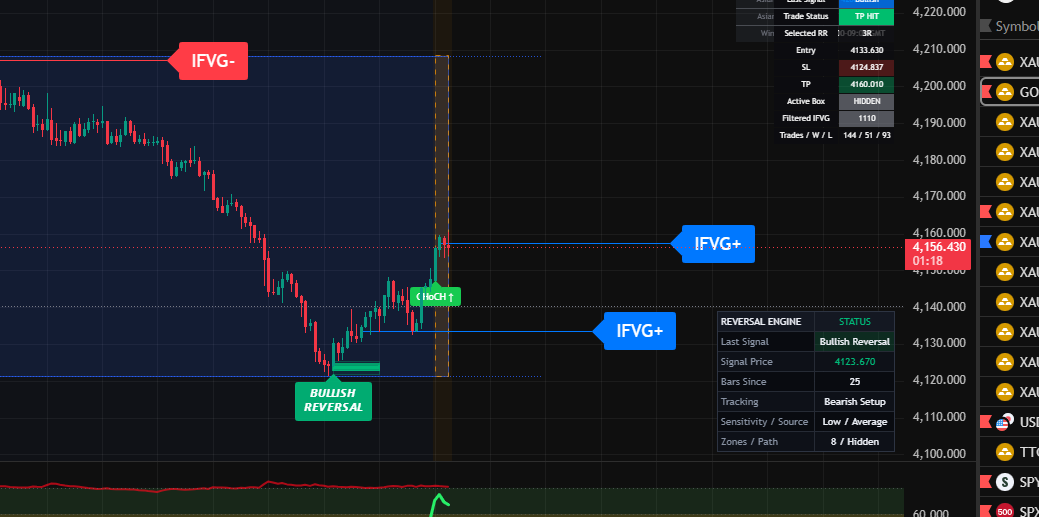
XAUUSD
Gold / US Dollar
4153.13
4153.13
4153.54
4212.98
4121.53
-56.03
-1.33%
--
--
WTI
Light Sweet Crude Oil
76.194
76.194
76.224
76.663
74.888
+0.796
+ 1.06%
--
--

Akun Komunitas

Akun Sinyal
--
Akun Untung
--
Akun Rugi
--
Lihat Lebih

Menjadi penyedia sinyal

Jual sinyal dan dapatkan penghasilan

Lihat Lebih

Panduan untuk Copy Trading

Mulai dengan mudah dan percaya diri

Lihat Lebih

Akun Sinyal untuk Anggota

Semua Akun Sinyal

Hasil Terbaik
  • Hasil Terbaik
  • P/L Terbaik
  • MDD Terbaik
1Minggu Lalu
  • 1Minggu Lalu
  • 1Bulan Lalu
  • 1Tahun Lalu

Semua Kontes

  • Semua
  • Disarankan
  • Saham
  • Mata Uang Kripto
  • Bank Pusat
  • Pembaruan Trump
  • Berita Unggulan
Hanya Berita Teratas
Bagikan

Kepala Ekonom Bank Sentral Eropa, Lane: Sejauh Ini, Ini Merupakan Guncangan Inflasi Berskala Sedang

Bagikan

Kepala Ekonom Bank Sentral Eropa, Lane: Bijaksana untuk Berhati-hati dalam Masalah Suku Bunga

Bagikan

Kepala Ekonom Bank Sentral Eropa, Lane: Sulit untuk mengatakan bahwa kita tidak boleh menaikkan suku bunga.

Bagikan

Kepala Ekonom Bank Sentral Eropa, Lane: Ekonomi Eropa Telah Menunjukkan Ketahanan yang Cukup Besar

Bagikan

Kepala Ekonom Bank Sentral Eropa, Lane: Inflasi Akan Tetap Di Atas 3% Hingga Akhir Tahun Ini

Bagikan

Gempa bumi berkek强度 6,6 skala Richter mengguncang Petropavlovsk-Kamchatsky, Rusia, pada 19 Oktober, menurut Jaringan Informasi Gempa Bumi Survei Geologi AS. Gempa tersebut memiliki kedalaman 10 kilometer.

Bagikan

Statoil: Menyediakan Lebih Banyak Gas Alam ke Eropa

Bagikan

Imbal hasil obligasi pemerintah Inggris 10 tahun naik 5 basis poin sepanjang hari, menembus angka 4,80%.

Bagikan

CEO Rosneft: Perusahaan berkomitmen untuk meningkatkan produksi minyak, perjanjian OPEC+ memungkinkan peningkatan produksi, dan seluruh hasil produksi akan dijual.

Bagikan

Menteri Luar Negeri Prancis Barro: Sanksi Dewan Keamanan PBB terhadap Iran tidak akan dicabut tanpa persetujuan Prancis.

Bagikan

Angka rata-rata upah bulanan yang belum disesuaikan di Prancis pada kuartal pertama adalah 0,7%, sesuai dengan perkiraan dan angka sebelumnya sebesar 0,70%.

Bagikan

Menteri Luar Negeri Prancis Barro: Saya masih mendorong diadakannya konferensi internasional untuk memberikan dukungan kepada tentara Lebanon.

Bagikan

[40,6% kemungkinan Fed menaikkan suku bunga pada pertemuan 29 Juli] Pada 19 Juni, menurut CME FedWatch, pasar saat ini memperkirakan peluang sebesar 40,6% bahwa Fed akan menaikkan suku bunga pada pertemuan 29 Juli.

Bagikan

Anggota Dewan Gubernur ECB Winsch: Jika Data Tidak Bergerak ke Arah yang Benar, Saya Akan Menyerukan Kenaikan Suku Bunga Tingkat Kedua di Bulan Juli

Bagikan

Anggota Dewan Pengurus ECB Winsch: Jika Datanya Tidak Jelas, Saya Rasa Tidak Perlu Terburu-buru Bertindak

Bagikan

Anggota Dewan Gubernur ECB, Winsch: Jika Kita Melihat Inflasi Meningkat di Sektor Jasa, Kita Mungkin Akan Mempertimbangkan Menaikkan Suku Bunga Sebesar 25 Basis Poin Lagi untuk Memastikan Keamanan

Bagikan

Imbal hasil obligasi pemerintah Jepang jangka 30 tahun naik 7,5 basis poin menjadi 3,845%, level tertinggi sejak 11 Juni.

Bagikan

Pinjaman Bersih Sektor Publik Inggris pada Bulan Mei adalah £23,294 Miliar, dibandingkan dengan ekspektasi sebesar £18,5 Miliar dan angka sebelumnya sebesar £24,343 Miliar.

Bagikan

Indeks Harga Produsen (PPI) Jerman naik 0,3% secara bulanan pada bulan Mei, di bawah perkiraan 0,70% dan angka sebelumnya sebesar 1,20%.

Bagikan

Pada bulan Mei, defisit fiskal pemerintah Inggris mencapai £24,069 miliar, sementara angka sebelumnya direvisi dari £9,547 miliar menjadi £9,458 miliar.

WAKTU
AKTUAL
PREDIKSI
SBLM.
DAMPAK
U.K. Jumlah Suara Komite Kebijakan Moneter Bank Sentral Mendukung Suku Bunga Tidak Berubah (Jun)

S:--

P: --

S: --

GBPUSD
  • GBPUSD
  • XAUUSD
  • XAGUSD
  • WTI
  • USDX
Pernyataan Tingkat MPC
Amerika Serikat Indeks Aktivitas Bisnis Fed Philadelphia (Penyesuaian Per Kuartal) (Jun)

S:--

P: --

S: --

USDX
  • USDX
  • XAUUSD
  • XAGUSD
  • WTI
Amerika Serikat Indeks Tenaga Kerja Manufaktur Fed Philadelphia (Jun)

S:--

P: --

S: --

USDX
  • USDX
  • XAUUSD
  • XAGUSD
  • WTI
Kanada Indeks Harga Produk Industri MoM (Mei)

S:--

P: --

S: --
USDCAD
  • USDCAD
  • XAUUSD
  • XAGUSD
  • WTI
  • USDX
Amerika Serikat Rata-Rata Dalam 4 Minggu Jumlah Klaim Pengangguran Mingguan (Penyesuaian Per Kuartal)

S:--

P: --

S: --
XAUUSD
  • XAUUSD
  • XAGUSD
  • WTI
  • USDX
Amerika Serikat Jumlah Klaim Pengangguran Awal (Penyesuaian Per Kuartal)

S:--

P: --

S: --
XAUUSD
  • XAUUSD
  • XAGUSD
  • WTI
  • USDX
Kanada Indeks Harga Produk Industri YoY (Mei)

S:--

P: --

S: --
USDCAD
  • USDCAD
  • XAUUSD
  • XAGUSD
  • WTI
  • USDX
Amerika Serikat Jumlah Klaim Pengangguran Lanjutan Mingguan (Penyesuaian Per Kuartal)

S:--

P: --

S: --
XAUUSD
  • XAUUSD
  • XAGUSD
  • WTI
  • USDX
Amerika Serikat Indikator Utama Dewan Konferensi MoM (Mei)

S:--

P: --

S: --
USDX
  • USDX
  • XAUUSD
  • XAGUSD
  • WTI
Amerika Serikat Indeks Sinkronisasi Dewan Konferensi MoM (Mei)

S:--

P: --

S: --

USDX
  • USDX
  • XAUUSD
  • XAGUSD
  • WTI
Amerika Serikat Indikator Tertinggal Dewan Konferensi MoM (Mei)

S:--

P: --

S: --

USDX
  • USDX
  • XAUUSD
  • XAGUSD
  • WTI
Amerika Serikat Indikator Utama Dewan Konferensi (Mei)

S:--

P: --

S: --

USDX
  • USDX
  • XAUUSD
  • XAGUSD
  • WTI
Amerika Serikat Perubahan Stok Gas Alam Mingguan EIA

S:--

P: --

S: --

WTI
  • WTI
  • XAUUSD
  • XAGUSD
  • USDX
Amerika Serikat Total Nilai Pengeboran Bahan Bakar Fosil Mingguan

S:--

P: --

S: --

WTI
  • WTI
  • XAUUSD
  • XAGUSD
  • USDX
Amerika Serikat Total Pengeboran Mingguan

S:--

P: --

S: --

WTI
  • WTI
  • XAUUSD
  • XAGUSD
  • USDX
Argentina Akun Perdagangan (Mei)

S:--

P: --

S: --

XAUUSD
  • XAUUSD
  • XAGUSD
  • WTI
  • USDX
Amerika Serikat Obligasi Amerika Yang Dimiliki Bank Sentral Asing Mingguan

S:--

P: --

S: --

USDX
  • USDX
  • XAUUSD
  • XAGUSD
  • WTI
Korea Selatan Indeks Harga Produsen (IHP) MoM (Mei)

S:--

P: --

S: --
XAUUSD
  • XAUUSD
  • XAGUSD
  • WTI
  • USDX
U.K. Indeks Keyakinan Konsumen(IKK) GFK (Jun)

S:--

P: --

S: --

GBPUSD
  • GBPUSD
  • XAUUSD
  • XAGUSD
  • WTI
Jepang IHK Inti Nasional YoY (Mei)

S:--

P: --

S: --

USDJPY
  • USDJPY
  • XAUUSD
  • XAGUSD
  • WTI
Jepang IHK Nasional MoM (Sebelum Penyesuaian Per Kuartal) (Mei)

S:--

P: --

S: --

USDJPY
  • USDJPY
  • XAUUSD
  • XAGUSD
  • WTI
Jepang IHK Nasional YoY (Mei)

S:--

P: --

S: --

USDJPY
  • USDJPY
  • XAUUSD
  • XAGUSD
  • WTI
Jepang IHK Nasional MoM (Mei)

S:--

P: --

S: --

USDJPY
  • USDJPY
  • XAUUSD
  • XAGUSD
  • WTI
Jepang IHK MoM (Mei)

S:--

P: --

S: --

USDJPY
  • USDJPY
  • XAUUSD
  • XAGUSD
  • WTI
  • USDX
U.K. Penjualan Retail YoY (Penyesuaian Per Kuartal) (Mei)

S:--

P: --

S: --
GBPUSD
  • GBPUSD
  • XAUUSD
  • XAGUSD
  • WTI
  • USDX
Jerman Indeks Harga Produsen (IHP) MoM (Mei)

S:--

P: --

S: --

EURUSD
  • EURUSD
  • XAUUSD
  • XAGUSD
  • WTI
  • USDX
Jerman Indeks Harga Produsen (IHP) YoY (Mei)

S:--

P: --

S: --

EURUSD
  • EURUSD
  • XAUUSD
  • XAGUSD
  • WTI
  • USDX
U.K. Penjualan Retail Inti YoY(Penyesuaian Per Kuartal) (Mei)

S:--

P: --

S: --

GBPUSD
  • GBPUSD
  • XAUUSD
  • XAGUSD
  • WTI
  • USDX
U.K. Penjualan Retail MoM (Penyesuaian Per Kuartal) (Mei)

S:--

P: --

S: --

GBPUSD
  • GBPUSD
  • XAUUSD
  • XAGUSD
  • WTI
  • USDX
Turki Tingkat Utilisasi Industri (Jun)

S:--

P: --

S: --

XAUUSD
  • XAUUSD
  • XAGUSD
  • WTI
  • USDX
Rusia Suku Bunga Acuan

--

P: --

S: --

Kanada Penjualan Retail Inti MoM (Penyesuaian Per Kuartal) (Apr)

--

P: --

S: --

Kanada Penjualan Retail MoM (Penyesuaian Per Kuartal) (Apr)

--

P: --

S: --

Pidato Kepala Ekonom ECB Lane
Argentina Penjualan Retail YoY (Apr)

--

P: --

S: --

China, Daratan Suku Bunga Dasar Kredit (SBDK) 1-Tahun

--

P: --

S: --

China, Daratan Suku Bunga Dasar Kredit (SBDK) 5-Tahun

--

P: --

S: --

Turki Indeks Keyakinan Konsumen (Jun)

--

P: --

S: --

Kanada Indeks Keyakinan Ekonomi Nasional

--

P: --

S: --

Kanada Nilai Rata-Rata Terpangkas IHK YoY (Penyesuaian Per Kuartal) (Mei)

--

P: --

S: --

Kanada IHK Inti YoY (Mei)

--

P: --

S: --

Kanada IHK MoM (Mei)

--

P: --

S: --

Kanada IHK YoY (Mei)

--

P: --

S: --

Kanada IHK Inti MoM (Mei)

--

P: --

S: --

Argentina Tingkat Pengangguran (kuartal 1)

--

P: --

S: --

Jerman Rata-Rata Yield Lelang Schatz 2 Tahun

--

P: --

S: --

U.K. Ekspektasi Harga Industri CBI (Jun)

--

P: --

S: --

U.K. Tren Industri CBI - Pesanan (Jun)

--

P: --

S: --

U.K. Perkiraan Nilai Output Industri CBI (Jun)

--

P: --

S: --

Meksiko Penjualan Retail MoM (Apr)

--

P: --

S: --

Meksiko Indeks Aktivitas Ekonomi YoY (Apr)

--

P: --

S: --

Amerika Serikat Nilai Penjualan Bisnis Retail Mingguan Redbook YoY

--

P: --

S: --

Amerika Serikat Indeks Komposit Manufaktur Fed Richmond (Jun)

--

P: --

S: --

Amerika Serikat Indeks Pendapatan Sektor Jasa Fed Richmond (Jun)

--

P: --

S: --

Amerika Serikat Indeks Pengiriman Manufaktur Fed Richmond (Jun)

--

P: --

S: --

Amerika Serikat Rata-Rata Yield Lelang Uang Kertas 2 Tahun

--

P: --

S: --

Argentina PDB YoY (Harga Tetap) (kuartal 1)

--

P: --

S: --

Amerika Serikat Stok Minyak Mentah Cushing API Mingguan

--

P: --

S: --

Amerika Serikat Stok Minyak Mentah API Mingguan

--

P: --

S: --

Amerika Serikat Stok Minyak Olahan API Mingguan

--

P: --

S: --

Q&A dengan Pakar
    • Semua
    • Ruang Obrolan
    • Grup
    • Teman-teman
    SlowBear ⛅ flag
    Kevedge FX
    buy xauusd
    @Kevedge FXThe sound of the market making a run of top
    Issy Nakam flag
    what im talking about
    EuroTrader flag
    Kevedge FX
    @Kevedge FXIt's been a while I saw those your amazing trade calls you normally send here
    Issy Nakam flag
    Kung Fu flag
    风神1号
    这个时段最少的要到我的4170
    @风神1号Okay, but I'm very likely looking to sell and not to buy for some reason.
    SlowBear ⛅ flag
    Kevedge FX
    @Kevedge FX nice one mate
    SlowBear ⛅ flag
    Issy Nakam
    what im talking about
    @Issy Nakam Did you take the sell o just analysis?
    Kung Fu flag
    Kevedge FX
    buy xauusd
    @Kevedge FXWhat is this sound of D? Is it the sound of music?
    SlowBear ⛅ flag
    Issy Nakam
    @Issy Nakam Oh so you plan you counter the sell on EURUSD
    风神1号 flag
    现在想卖就是等他上来之后再卖 现在你不敢卖你只是买了只有两个选择
    Kung Fu flag
    Issy Nakam
    @Issy NakamWhat does this chart say? What are we looking to do here? Buy or sell. Further sell. Or should we look for a reversal?
    Issy Nakam flag
    SlowBear ⛅
    @Issy Nakam Did you take the sell o just analysis?
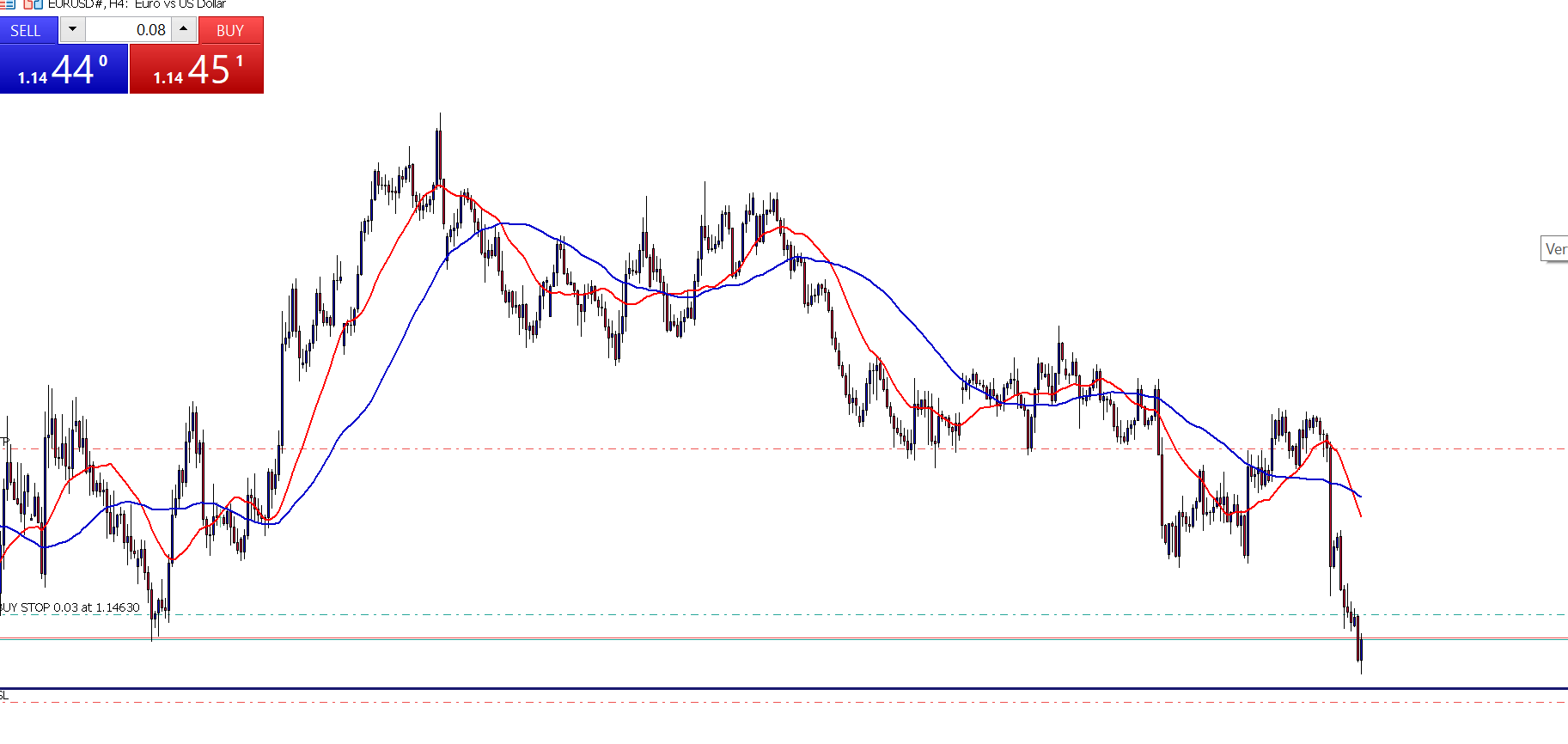
    @SlowBear ⛅ Buy stop on H4 allowing market to play out befor opening of london """ Pending order "" we wait to execute
    Kung Fu flag
    风神1号
    现在想卖就是等他上来之后再卖 现在你不敢卖你只是买了只有两个选择
    @风神1号Yes, I know. I'll allow the price to fly up before I sell. But if I get a confirmation for buy, that is to say, it will continue to buy from the kill zone of this session, then I'll look for a pullback and enter buy.
    风神1号 flag
    想太多都不用做 刚才的机会过了你们没有做到了然后现在做你们又怕
    انا flag
    风神1号 flag
    有时候机会到了就做 不赚钱等第二波
    Kung Fu flag
    风神1号
    想太多都不用做 刚才的机会过了你们没有做到了然后现在做你们又怕
    @风神1号I don't get ruled by fear. I think straight and I think out of the box when I trade. Losses are a part of the game. Well in that particular sell trade, I lost only $80. Remember I mentioned it.
    انا flag
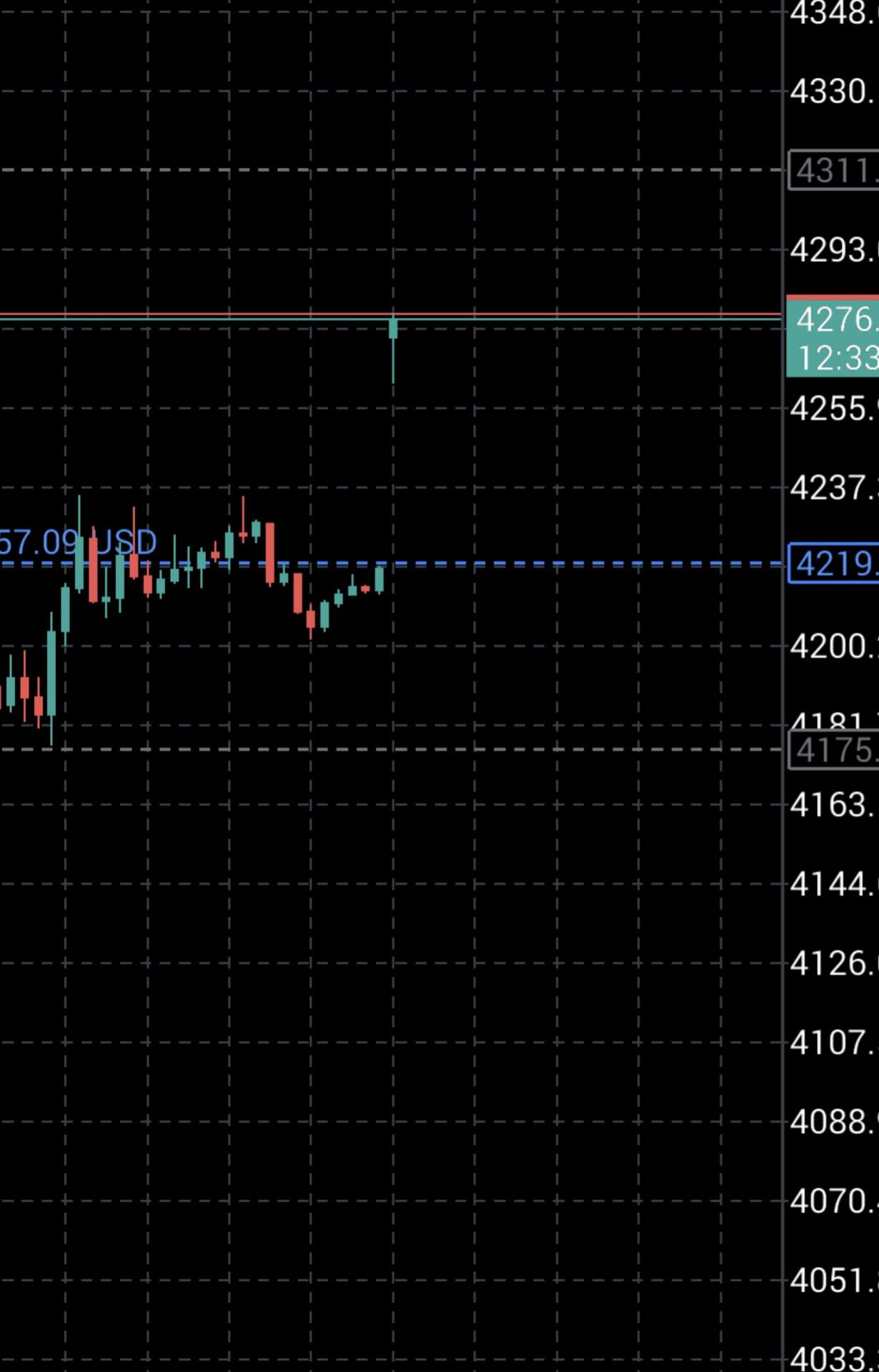
    Entering before the market opens...W.FVG
    SlowBear ⛅ flag
    انا
    @اناOh this was last week hump, the jummp that happened on Monday
    Issy Nakam flag
    Issy Nakam
    @SlowBear ⛅ Buy stop pada H4 memungkinkan pasar untuk berjalan sebelum pembukaan London """ Pesanan tertunda "" kita tunggu untuk dieksekusi
    For now im bearish on USDJPY with 0.01 lot , u never nkow what that crazy pair will dicide on today seeng that is friday
    Ketik di sini...
    Tambahkan nama atau kode aset

      Tidak Ada Data Yang Cocok

      Semua
      Disarankan
      Saham
      Mata Uang Kripto
      Bank Pusat
      Pembaruan Trump
      Berita Unggulan
      • Semua
      • Konflik Rusia-Ukraina
      • Topik Utama Timur Tengah
      • Semua
      • Konflik Rusia-Ukraina
      • Topik Utama Timur Tengah
      Cari
      Produk

      Grafik Gratis Selamanya

      Chat Q&A dengan Pakar
      Filter Kalender Ekonomi Data Alat
      FastBull VIP Fitur
      Pusat Data Tren Pasar Data Kelembagaan Tingkat Kebijakan Makro

      Tren Pasar

      Sentimen Spekulatif Buku Pesanan Korelasi Aset

      Indikator populer

      Grafik Gratis Selamanya
      Pasar

      Berita

      24/7 Analisis Pendidikan

      Opini Terbaru

      Terbaru

      Sinyal

      Salin Peringkat Sinyal AI Menjadi penyedia sinyal Peringkat AI
      Kontes
      Brokers

      Ringkasan Broker Penilaian Peringkat Regulator Berita Klaim
      Daftar Broker Alat Perbandingan Broker Forex Perbandingan Spread Langsung Penipuan
      Q&A Keluhan Video Peringatan Penipuan Tips untuk Mendeteksi Penipuan
      Lebih

      Bisnis
      Peristiwa
      Lowongan Kerja Tentang Kami Periklanan Pusat Bantuan

      Label putih

      Broker API

      Data API

      Web Plug-ins

      Program Afiliasi

      Penghargaan Evaluasi Institusi Seminar IB Acara Salon Pameran
      Vietnam Thailand Singapura Dubai
      Pesta Fans Sesi Berbagi Investasi
      KTT FastBull Pameran BrokersView
      Pencarian Terkini
        Pencarian Populer
          Kutipan
          Analisis
          Pengguna
          24/7
          Kalender Ekonomi
          Pendidikan
          Data
          • Nama
          • Nilai Terbaru
          • Sblm.

          Lihat Semua

          Tidak ada data

          Pindai dan Unduh

          Grafik Lebih Cepat, Obrolan Lebih Cepat!

          Unduh
          • English
          • Español
          • العربية
          • Bahasa Indonesia
          • Bahasa Melayu
          • Tiếng Việt
          • ภาษาไทย
          • Français
          • Italiano
          • Türkçe
          • Русский язык
          • 简中
          • 繁中
          Buka Akun
          Cari
          Produk
          Grafik Gratis Selamanya
          Pasar
          Berita
          Sinyal

          Salin Peringkat Sinyal AI Menjadi penyedia sinyal Peringkat AI
          Kontes
          Brokers

          Ringkasan Broker Penilaian Peringkat Regulator Berita Klaim
          Daftar Broker Alat Perbandingan Broker Forex Perbandingan Spread Langsung Penipuan
          Q&A Keluhan Video Peringatan Penipuan Tips untuk Mendeteksi Penipuan
          Lebih

          Bisnis
          Peristiwa
          Lowongan Kerja Tentang Kami Periklanan Pusat Bantuan

          Label putih

          Broker API

          Data API

          Web Plug-ins

          Program Afiliasi

          Penghargaan Evaluasi Institusi Seminar IB Acara Salon Pameran
          Vietnam Thailand Singapura Dubai
          Pesta Fans Sesi Berbagi Investasi
          KTT FastBull Pameran BrokersView

          Penambangan Bitcoin Solo di Tahun 2025: ROI & Seberapa Sulitkah Sebenarnya?

          Winkelmann

          Mata uang kripto

          Ringkasan:

          Penambangan Bitcoin solo di tahun 2025 secara teknis memungkinkan, tetapi sangat sulit. Pelajari tentang tingkat keberhasilan, biaya, profitabilitas vs. penambangan bersama, dan apakah layak dicoba.
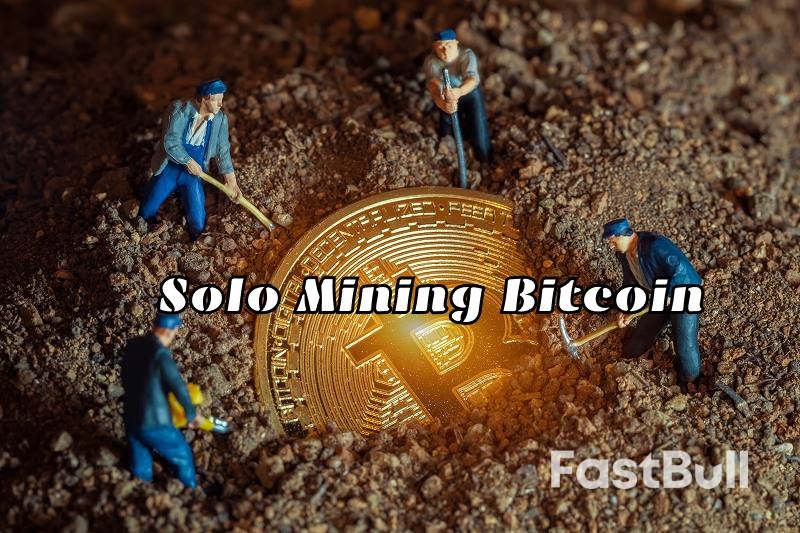
          Menambang Bitcoin Solo vs. Menambang Pool: Mana yang Lebih Menguntungkan di Tahun 2025?

          Penambangan Bitcoin Solo di Tahun 2025: Seberapa Sulitkah ROI Sebenarnya?_1

          Penambangan Bitcoin secara solo telah menjadi praktik yang semakin langka karena kumpulan penambangan industri mendominasi jaringan pada tahun 2025. Namun, beberapa penambang masih mengejar kemandirian dan potensi imbalan penuh dari penambangan secara solo. Panduan ini menjelaskan cara kerja penambangan solo saat ini, seberapa sulitnya, dan apakah individu masih dapat memperoleh keuntungan darinya.

          Apa itu Penambangan Bitcoin Solo?

          Penambangan Bitcoin solo berarti mencoba menambang blok Bitcoin secara mandiri, tanpa bergabung dengan pool penambangan. Saat menambang solo, Anda bersaing langsung dengan seluruh jaringan penambang global untuk memecahkan teka-teki kriptografi yang rumit. Jika berhasil menemukan satu blok, Anda akan menerima hadiah blok penuh—saat ini 6,25 BTC ditambah biaya transaksi—tetapi Anda menanggung sendiri semua biaya dan risiko komputasi.

          Cara Kerja Solo Mining

          Proses penambangan Bitcoin solo mengikuti mekanisme konsensus proof-of-work Bitcoin. Perangkat keras penambangan Anda berulang kali melakukan hash pada data header blok, mencari nilai hash yang memenuhi target kesulitan jaringan. Ini pada dasarnya adalah lotere komputasi di mana daya hash yang lebih besar meningkatkan peluang Anda, tetapi tidak menjamin apa pun.

          Inilah yang terjadi selama penambangan bitcoin solo:

          • Rig penambangan Anda terhubung ke node penuh Bitcoin yang Anda operasikan
          • Node menyediakan penambang Anda dengan templat blok kandidat yang berisi transaksi yang belum dikonfirmasi
          • Penambang ASIC Anda melakukan triliunan kalkulasi hash per detik, mencari solusi yang valid
          • Jika Anda menemukan blok yang valid, node Anda menyiarkannya ke jaringan untuk verifikasi
          • Setelah dikonfirmasi, Anda menerima seluruh hadiah blok langsung ke dompet Anda

          Berbeda dengan penambangan pool di mana imbalan didistribusikan berdasarkan kontribusi, penambangan solo beroperasi dengan prinsip "all-or-nothing". Anda mungkin menambang selama berbulan-bulan atau bertahun-tahun tanpa menemukan satu blok pun, atau secara teoritis Anda bisa menemukannya di hari pertama—meskipun skenario terakhir sangat kecil kemungkinannya dengan perangkat keras biasa.

          Penambangan Solo vs Penambangan Pool: Perbedaan Utama

          Memahami perbedaan mendasar antara penambangan solo dan penambangan pool sangat penting sebelum mengalokasikan sumber daya pada pendekatan mana pun.

          AspekPenambangan SoloPenambangan Kolam
          Distribusi Hadiah100% hadiah blok (6,25 BTC + biaya) jika berhasilBagian proporsional berdasarkan hashrate yang disumbangkan
          Frekuensi PembayaranSangat langka, tidak dapat diprediksi (mungkin tidak pernah)Pembayaran rutin (harian hingga mingguan)
          Stabilitas PendapatanPendapatan nol dalam jangka waktu lama, lalu pembayaran besar-besaranHasil yang konsisten dan dapat diprediksi
          Biaya Kolam RenangTidak ada1-3% dari pendapatan
          Persyaratan TeknisJalankan node Bitcoin penuh, pengaturan lanjutanKoneksi sederhana ke server pool
          Risiko VariansPeluang yang sangat tinggi—seperti peluang lotereRendah—pengembalian yang dihaluskan di banyak penambang
          Hashrate MinimumRealistis 100+ TH/s untuk setiap peluang yang masuk akalJumlah berapa pun diterima (bahkan ASIC tunggal)

          The economic reality is stark: pool mining provides predictable income that covers electricity costs and generates steady profit, while solo mining bitcoin resembles buying lottery tickets with your electricity bill. Most rational miners choose pools because consistent returns allow for business planning, equipment maintenance, and risk management.

          How Hard Is Solo Bitcoin Mining in 2025?

          The difficulty of solo mining bitcoin has reached unprecedented levels in 2025. To understand just how challenging it has become, we need to examine the current network conditions and calculate your realistic probability of success.

          Current Bitcoin Network Difficulty

          Bitcoin's mining difficulty adjusts every 2,016 blocks (approximately every two weeks) to maintain a consistent 10-minute block time. As of 2025, the network difficulty has increased dramatically compared to Bitcoin's early years, making solo mining exponentially harder than it was even a few years ago.

          Key network statistics that impact solo mining difficulty:

          • Total network hashrate exceeds 600 exahashes per second (EH/s), representing the combined computing power of millions of ASIC miners worldwide
          • Mining difficulty has increased over 100 trillion times since Bitcoin's launch in 2009
          • Industrial mining operations with hundreds of petahashes dominate the network, making individual miners statistically insignificant
          • The average time between blocks remains 10 minutes, but this is distributed across the entire global mining network

          This difficulty level means that even a state-of-the-art ASIC miner running at 100 terahashes per second (TH/s) represents only 0.000017% of the total network hashrate. You're competing against massive mining farms with thousands of machines operating in regions with cheap electricity.

          Your Actual Chances of Mining a Block Solo

          Mathematics reveals the harsh reality of bitcoin solo mining success. Your probability of finding a block depends entirely on your hashrate relative to the total network hashrate.

          Here's the probability calculation for different hardware scenarios:

          Your Hashrate% of NetworkExpected Time to Find 1 BlockProbability per Day
          100 TH/s (1 high-end ASIC)0.000017%~11.4 years0.024%
          500 TH/s (5 ASICs)0.000083%~2.3 years0.12%
          1 PH/s (10 ASICs)0.00017%~14 months0.24%
          10 PH/s (100 ASICs)0.0017%~42 days2.4%
          100 PH/s (1000 ASICs)0.017%~4.2 days24%

          These are expected averages based on probability. The actual time could be much shorter or significantly longer due to the random nature of mining. You might find a block on your first day (probability near zero) or mine for triple the expected time without success—both scenarios have occurred in practice.

          For perspective, if you run a single high-end ASIC costing $3,000-$5,000 with electricity expenses around $150-$300 monthly, you could spend $20,000+ on electricity over the expected 11.4 years before finding your first block. Even if successful, the block reward might not cover your accumulated costs, especially considering hardware depreciation and potential Bitcoin price fluctuations.

          Real Success Stories (and Failures)

          Despite astronomical odds, solo bitcoin mining pool victories do occasionally occur—but context matters enormously when evaluating these rare successes.

          Notable recent success cases include:

          • In January 2024, a solo miner with approximately 120 TH/s successfully mined a block, earning 6.25 BTC plus transaction fees (worth roughly $270,000 at that time). However, this miner had been attempting solo mining for over a year, with electricity costs likely exceeding $15,000 during that period.
          • A small mining operation with around 400 TH/s found a block in mid-2023 after seven months of continuous mining. While profitable on paper, they calculated that pool mining during the same period would have generated nearly the same revenue with zero risk of complete failure.
          • Several hobbyist miners report bitcoin solo mining success after running old S9 ASICs for multiple years—but when accounting for electricity costs and hardware investment, most actually operated at a net loss compared to simply buying Bitcoin directly.

          The failure stories are far more common but rarely discussed:

          • Thousands of miners attempt solo mining annually with modest hashrates (10-100 TH/s) and abandon the effort after 6-12 months of zero returns and mounting electricity bills
          • Several documented cases exist of miners spending $50,000+ on equipment and electricity over 2-3 years without finding a single block
          • The vast majority of solo mining attempts end in financial loss, with miners eventually switching to pools or exiting mining entirely

          Even success stories often reveal that pool mining would have been more profitable when considering risk-adjusted returns. The psychological appeal of potentially winning a full block reward clouds the mathematical reality that consistent pool returns typically generate superior outcomes over time.

          Hardware Requirements for Solo Bitcoin Mining

          Successfully mining bitcoins solo demands significant hardware investment and infrastructure planning. Unlike pool mining where even modest equipment can generate some returns, solo mining requires substantial computational power to have any realistic chance of finding a block within a reasonable timeframe.

          ASIC Miners: What You Need

          Application-Specific Integrated Circuit (ASIC) miners are the only viable hardware for solo bitcoin mining in 2025. Graphics cards (GPUs) and CPUs became obsolete for Bitcoin mining years ago due to efficiency limitations. Modern ASIC miners are purpose-built for the SHA-256 algorithm that Bitcoin uses, delivering hashrates that general-purpose hardware cannot match.

          Current top-tier ASIC miners for solo mining consideration:

          ModelHashratePower ConsumptionEfficiencyApproximate Cost
          Antminer S21200 TH/s3,500W17.5 J/TH$5,000-$7,000
          Whatsminer M60172 TH/s3,344W19.4 J/TH$4,500-$6,500
          Antminer S19 XP140 TH/s3,010W21.5 J/TH$3,500-$5,000
          AvalonMiner 1466150 TH/s3,500W23.3 J/TH$4,000-$5,500

          For solo mining to be remotely feasible, you realistically need at least 500 TH/s to 1 PH/s of total hashrate. This translates to investing in 3-5 high-end ASIC miners, with an initial hardware outlay of $15,000 to $35,000. Even at this investment level, your expected time to find a block remains between 1-3 years under current network conditions.

          Critical factors when selecting ASIC hardware:

          • Energy efficiency matters tremendously for long-term operations—a few joules per terahash difference can mean thousands in annual electricity costs
          • Newer models offer better efficiency but command premium prices, while older models are cheaper but consume more power per hash
          • Consider used ASIC markets cautiously—mining hardware degrades over time, and warranty coverage is often limited or nonexistent
          • Noise levels are substantial (70-90 decibels)—these machines require dedicated space with sound insulation for residential settings
          • Heat generation is massive—each miner produces 3,000-3,500 watts of heat that must be managed through ventilation or cooling systems

          Some miners explore solar powered bitcoin mining to offset electricity costs, though this requires additional investment in solar panels, inverters, and battery storage systems. A typical ASIC drawing 3,500 watts continuously needs approximately 12-15 kilowatts of solar panel capacity (accounting for efficiency losses and nighttime operations), adding $10,000-$20,000 to your initial investment per miner.

          Electricity and Infrastructure Costs

          Electricity represents the ongoing operational expense that determines whether solo bitcoin mining remains financially viable. Unlike the one-time hardware purchase, electricity costs accumulate continuously and often exceed hardware investment over extended mining periods.

          Understanding your electricity costs:

          Hardware SetupTotal Power DrawMonthly kWhCost at $0.10/kWhCost at $0.15/kWh
          1 ASIC (200 TH/s)3,500W2,520 kWh$252$378
          3 ASICs (600 TH/s)10,500W7,560 kWh$756$1,134
          5 ASICs (1 PH/s)17,500W12,600 kWh$1,260$1,890
          10 ASICs (2 PH/s)35,000W25,200 kWh$2,520$3,780

          Beyond electricity, infrastructure requirements add substantial costs:

          • Electrical infrastructure upgrades—residential circuits typically cannot handle multiple ASICs drawing 15-20 amps each; professional electrician services to install 240V circuits and proper breaker capacity can cost $2,000-$5,000
          • Cooling and ventilation systems—industrial fans, ducting, and exhaust systems to prevent overheating, typically adding $1,000-$3,000 depending on space configuration
          • Network infrastructure—stable, high-uptime internet connection and potentially backup connectivity; running a full Bitcoin node requires significant bandwidth and storage
          • Physical space costs—dedicated room or facility with proper ventilation, fire suppression considerations, and security measures
          • Monitoring systems—remote monitoring equipment to track temperatures, hashrates, and downtime alerts, adding $200-$500

          Solar bitcoin mining can reduce operational costs, but requires substantial upfront investment and depends heavily on geographic location. Areas with optimal sun exposure (Southwest United States, parts of Australia, Middle East) provide better ROI for solar installations. However, battery storage systems necessary for 24/7 mining operations significantly increase costs—a battery bank capable of running 5 ASICs overnight might cost $15,000-$30,000 alone.

          Insurance and maintenance represent ongoing expenses often overlooked by new miners. ASIC miners require regular cleaning, fan replacements, and occasional repairs. Budget approximately 5-10% of hardware value annually for maintenance and unexpected component failures.

          Solo Mining Bitcoin: ROI Analysis

          Return on investment calculations for solo bitcoin mining reveal why most rational actors choose pool mining instead. While the potential for a massive one-time payout exists, the mathematical expected value typically favors consistent pool returns when accounting for risk, time value of money, and operational complexities.

          Cost vs Potential Reward

          A comprehensive cost analysis exposes the financial reality of solo mining attempts. Let's examine a realistic scenario with specific numbers to illustrate the economic challenge.

          Example scenario: 1 PH/s solo mining operation (5 high-end ASICs)

          Cost CategoryInitial InvestmentMonthly RecurringAnnual Total
          ASIC Hardware (5 miners)$30,000——
          Infrastructure Setup$5,000——
          Electricity (at $0.12/kWh)—$1,512$18,144
          Internet Maintenance—$150$1,800
          Hardware Depreciation——$7,500
          Total First Year$35,000$1,662$62,444

          Expected outcome analysis:

          • With 1 PH/s, expected time to find one block: approximately 14 months under current network difficulty
          • Block reward if successful: 6.25 BTC + transaction fees (approximately 0.1-0.3 BTC), totaling roughly 6.35-6.55 BTC
          • Bitcoin price assumption: $60,000 per BTC (conservative 2025 estimate)
          • Expected reward value: $381,000-$393,000
          • Total costs over 14 months: approximately $58,317
          • Net profit if successful: $322,683-$334,683

          This appears attractive on paper, but several critical risk factors undermine this optimistic scenario:

          • The 14-month timeframe is an average expectation—actual time could be 3 months or 4 years due to probability variance
          • If you don't find a block within 24 months, you've spent $74,732 with zero return, potentially forcing you to abandon the operation at a total loss
          • Network difficulty continuously increases, reducing your probability over time as more hashrate joins the network
          • Hardware depreciation accelerates—ASICs lose 50-70% of resale value after 12-18 months of operation
          • Bitcoin price volatility creates enormous uncertainty; if BTC drops to $40,000, your expected reward falls to $254,000-$262,000, barely doubling your investment after 14+ months of risk

          The probability distribution matters enormously. You have roughly a 30% chance of finding zero blocks in 20 months, a scenario where you lose your entire $70,000+ investment. Conversely, you have about a 5% chance of finding a block within 2 months, generating exceptional returns. This risk profile resembles venture capital investing or gambling rather than traditional business operations.

          Solo Mining vs Pool Mining Profitability

          Comparing identical hardware operating in solo versus pool mining modes reveals the fundamental economic trade-off between variance and expected value.

          Using the same 1 PH/s setup over 14 months:

          MetricSolo MiningPool Mining
          Expected Blocks Found1 block (average)N/A (proportional shares)
          Expected Revenue$381,000-$393,000$385,000
          Pool Fees$0$7,700 (2%)
          Net Mining Revenue$381,000-$393,000$377,300
          Operating Costs$58,317$58,317
          Net Profit$322,683-$334,683$318,983
          Revenue CertaintyHigh variance (might be $0)99%+ certainty
          Cash FlowZero for months, then lump sumDaily/weekly payouts

          The expected value difference is minimal—solo mining potentially saves 2% in pool fees, translating to roughly $3,700-$15,700 more profit over 14 months. However, this marginal advantage disappears when considering:

          • Risk-adjusted returns heavily favor pool mining—consistent income allows you to cover electricity costs, service debts, and reinvest profits without depending on a single probabilistic event
          • Cash flow management becomes impossible with solo mining; you cannot pay monthly electricity bills with hypothetical future block rewards, potentially forcing you to fund operations from external sources or abandon the effort before success
          • Psychological stress of operating at zero revenue for months or years often leads solo miners to quit prematurely, realizing losses that pool mining would have avoided
          • Pool mining allows scaling flexibility—you can start with one ASIC, verify profitability, and expand gradually; solo mining demands massive upfront commitment to achieve reasonable success probability

          The solo bitcoin mining pool concept has emerged as a middle-ground option, where miners contribute hashrate to a pool that attempts solo mining on behalf of participants. If the pool finds a block, rewards distribute proportionally among contributors. This reduces individual variance while maintaining some solo mining characteristics, though it doesn't eliminate the fundamental probability challenges of competing against the entire network.

          Bitcoin Price Impact on Profitability

          Bitcoin's notorious price volatility introduces another layer of complexity to solo mining ROI calculations. Unlike pool mining where you can sell rewards regularly to lock in prices, solo mining forces you to bet on Bitcoin's value at an unknowable future date when you might find a block.

          Price scenario analysis for 1 PH/s operation finding a block after 14 months:

          BTC Price ScenarioBlock Reward ValueTotal CostsNet Profit/LossROI
          $100,000 (bull case)$635,000$58,317+$576,683989%
          $80,000 (optimistic)$508,000$58,317+$449,683771%
          $60,000 (moderate)$381,000$58,317+$322,683553%
          $40,000 (pessimistic)$254,000$58,317+$195,683336%
          $25,000 (bear market)$158,750$58,317+$100,433172%

          Even in pessimistic price scenarios, finding a block generates positive returns—but this analysis assumes you successfully find a block. The compounding risk involves both probability (might never find a block) and price uncertainty (block might be worth less than expected).

          Additional price-related considerations:

          • If Bitcoin price crashes during your mining period, continuing operations might become unprofitable even if you eventually find a block—$25,000 BTC means each month of operation costs $1,512 while the expected value of your mining drops proportionally
          • Pool miners can implement dollar-cost-averaging strategies by selling portions of daily earnings, reducing exposure to price crashes; solo miners hold all risk until block discovery
          • Rising Bitcoin prices increase mining competition as more hashrate comes online seeking profits, paradoxically reducing your probability of bitcoin solo mining success even as potential rewards increase
          • Market timing becomes critical for solo mining; starting during bear markets when difficulty is lower and prices depressed could yield higher ROI if you find a block during subsequent recovery

          The optimal strategy for most miners involves pool mining to generate steady income while Bitcoin price remains uncertain, then potentially switching to solo mining only if accumulating significant hashrate (10+ PH/s) that makes probability of success reasonable within specific timeframes. Attempting solo mining with modest hashrate essentially converts your mining operation into a speculative bet on both probability and future Bitcoin valuation—a dual-risk proposition that sophisticated investors typically avoid.

          How to Start Solo Mining Bitcoin (Step-by-Step)

          Setting up a solo mining operation requires technical knowledge beyond simply connecting hardware to a pool. You'll need to run your own Bitcoin node, configure mining software, and maintain reliable infrastructure. This section walks through the essential steps for anyone determined to attempt mining bitcoins solo despite the challenging odds.

          Software Setup

          The foundation of any solo mining operation is a fully synchronized Bitcoin Core node. Unlike pool mining where the pool operator manages blockchain data, solo miners must maintain their own complete copy of the Bitcoin blockchain and validate all transactions independently.

          Step-by-step Bitcoin Core installation:

          • Download Bitcoin Core from the official bitcoin.org website—verify the download signature to ensure file authenticity and avoid malware
          • Install Bitcoin Core on a computer with at least 500GB of available storage (the blockchain exceeds 450GB and grows continuously)
          • Allow the initial blockchain synchronization to complete, which typically takes 24-72 hours depending on internet speed and hardware performance
          • Configure your bitcoin.conf file to enable mining functionality by adding the parameters: server=1, rpcuser=yourusername, rpcpassword=yourpassword, and rpcallowip=192.168.1.0/24 (adjust IP range to match your local network)
          • Restart Bitcoin Core to apply configuration changes and verify RPC interface is accessible

          Mining software configuration comes next. Several options exist for solo bitcoin mining, each with different features and compatibility:

          SoftwareBest ForKey FeaturesDifficulty Level
          CGMinerAdvanced usersHighly customizable, supports multiple hardware typesHigh
          BFGMinerASIC minersDynamic clocking, monitoring, remote interfaceHigh
          Braiins OS+Antminer hardwareFirmware replacement with optimization featuresMedium
          Solo CK PoolBeginners wanting solo experienceSimplified solo mining without running full nodeLow

          For true solo mining, CGMiner or BFGMiner connected to your local Bitcoin Core node provides complete control. Configure your mining software with these essential parameters:

          • Point the software to your Bitcoin Core RPC interface (typically localhost:8332)
          • Provide RPC authentication credentials matching your bitcoin.conf configuration
          • Set your Bitcoin wallet address where block rewards will be sent if you successfully mine a block
          • Configure intensity and workload settings appropriate for your ASIC hardware model
          • Enable temperature monitoring and automatic shutdown thresholds to prevent hardware damage

          Alternative approach for those wanting to avoid full node complexity: solo bitcoin mining pool services like Solo CK Pool allow you to attempt solo mining by connecting your hardware to their infrastructure. You maintain the solo mining reward structure (keeping 100% of any block found minus a small fee), but delegate the technical burden of running a node. This reduces setup complexity but introduces minor centralization and trust requirements.

          Connecting Your ASIC Miner

          Once your software infrastructure is ready, connecting ASIC hardware involves both physical setup and network configuration. Modern ASICs include built-in web interfaces that simplify configuration compared to earlier generations of mining hardware.

          Physical connection process:

          • Position your ASIC in a location with adequate ventilation—these devices generate extreme heat and require constant airflow; enclosed spaces without cooling will cause thermal shutdown or hardware damage within minutes
          • Connect the power supply unit (PSU) to your ASIC, ensuring you're using the correct voltage (typically 220V for optimal efficiency) and that your electrical circuit can handle the amperage load
          • Attach an Ethernet cable from your ASIC to your local network router—WiFi is not recommended for mining operations due to stability and latency concerns
          • Power on the device and wait 2-3 minutes for the boot sequence to complete

          Network configuration through ASIC web interface:

          • Locate your ASIC's IP address through your router's device list or use scanning tools like Advanced IP Scanner
          • Access the web interface by entering the IP address in your browser (default credentials are usually admin/admin or root/root—change these immediately for security)
          • Navigate to the mining pool configuration section
          • Enter your Bitcoin Core node address as Pool 1: stratum+tcp://your-node-ip:8332
          • Input your RPC username and password in the worker credentials fields
          • Add backup pools (either other solo options or a traditional pool) to prevent downtime if your primary node experiences issues
          • Save configuration and restart the miner to apply changes

          Verification steps to confirm successful connection:

          • Check the ASIC dashboard for active hashrate—you should see your device reporting its expected TH/s within 5-10 minutes of starting
          • Monitor your Bitcoin Core debug log for incoming share submissions from your miner
          • Verify that all hashing boards are operational—ASICs typically have 3 boards that should all show active temperature and hashrate readings
          • Confirm network latency remains low (under 50ms) to minimize stale shares and maximize efficiency

          Common troubleshooting issues include incorrect RPC credentials, firewall blocking connections between miner and node, or insufficient PSU power delivery causing hashboard failures. Most ASIC manufacturers provide detailed logs through the web interface that help diagnose connectivity problems.

          Monitoring Your Mining Operation

          Continuous monitoring separates successful mining operations from costly failures. Hardware issues, network disruptions, or configuration problems can silently drain electricity for days while generating zero useful work. Implementing robust monitoring systems provides early warning of problems and maximizes your already-slim chances of bitcoin solo mining success.

          Essential metrics to monitor continuously:

          • Hashrate consistency—your reported hashrate should remain within 5% of the ASIC's rated specification; significant drops indicate hardware degradation, overheating, or connectivity issues
          • Temperature readings across all boards—optimal operating temperature ranges from 60-75°C; sustained temperatures above 80°C accelerate hardware failure and may trigger automatic shutdowns
          • Fan speeds and performance—fans should maintain consistent RPMs; declining fan speed often precedes complete failure and potential hardware damage from overheating
          • Network uptime and latency—mining effectiveness depends on constant connectivity to your Bitcoin node; even brief disconnections mean wasted electricity and missed opportunities
          • Bitcoin Core node synchronization—your node must remain fully synchronized with the network; falling behind by even a few blocks means you're mining on outdated data and cannot successfully find valid blocks

          Monitoring tools and platforms:

          ToolTypeKey FeaturesCost
          Awesome MinerSoftware suiteMulti-device monitoring, alerts, remote managementFree (limited) / $200+ (pro)
          Hive OSOperating systemComprehensive dashboard, mobile app, auto-tuningFree (3 devices) / $3/device/month
          MinerStatWeb platformCloud monitoring, profit switching, alerts$2-4/device/month
          Built-in ASIC interfaceHardware nativeBasic stats, logs, configurationFree (included)

          Setting up effective alert systems prevents costly extended downtime:

          • Configure email or SMS notifications for hashrate drops below 90% of expected performance
          • Set temperature alerts at 75°C (warning) and 82°C (critical) thresholds
          • Enable alerts for miner disconnections lasting more than 5 minutes
          • Monitor your Bitcoin wallet address for block reward deposits—the moment you've been waiting months for
          • Track electricity consumption through smart meters or monitoring devices to detect abnormal power usage that might indicate hardware problems

          For operations using solar powered bitcoin mining, additional monitoring becomes essential. Track solar panel output, battery charge levels, and grid consumption to optimize your energy mix. Solar monitoring systems should alert you when battery reserves drop below thresholds needed to maintain 24/7 operation, allowing you to temporarily reduce mining intensity or switch to grid power during extended cloudy periods.

          Regular maintenance schedules complement automated monitoring. Monthly tasks should include physically inspecting your ASICs for dust accumulation, verifying all fans spin freely, checking cable connections remain secure, and reviewing performance trends to identify gradual degradation before catastrophic failure occurs. Quarterly deep cleaning with compressed air prevents dust buildup that reduces cooling efficiency and shortens hardware lifespan.

          Documentation practices help optimize long-term operations. Maintain logs of hashrate performance, downtime incidents, maintenance activities, and electricity costs. This data proves invaluable for calculating actual ROI, identifying patterns in hardware behavior, and making informed decisions about when to upgrade equipment or abandon unprofitable operations.

          FAQs about Solo Mining Bitcoin

          1. Is solo mining Bitcoin possible?

          Yes, solo mining Bitcoin is still possible in 2025, but success chances are extremely low due to the high network difficulty and dominance of industrial-scale miners.

          2. How long does it take to solo mine 1 Bitcoin?

          Dengan satu penambang ASIC kelas atas, rata-rata dibutuhkan lebih dari 10 tahun untuk menemukan satu blok. Bahkan pengaturan besar pun dapat menunggu berbulan-bulan atau bertahun-tahun tanpa hasil.

          3. Berapa penghasilan penambang Bitcoin solo?

          Kebanyakan penambang solo tidak mendapatkan apa pun kecuali mereka menemukan satu blok penuh. Jika berhasil, hadiahnya bisa melebihi $300.000, tergantung pada harga dan biaya Bitcoin.

          4. Apakah penambangan solo sah?

          Ya, penambangan solo sah dan sejalan dengan desain Bitcoin yang terdesentralisasi. Namun, peluang untuk mendapatkan keuntungan yang konsisten sangat kecil bagi kebanyakan orang.

          Kesimpulan

          Penambangan Bitcoin secara solo pada tahun 2025 masih memungkinkan secara teknis, tetapi sangat menantang. Penambangan ini membutuhkan investasi yang signifikan, pasokan daya yang konstan, dan kesediaan untuk mengambil risiko jangka panjang demi imbalan yang tidak pasti. Meskipun menarik bagi mereka yang menghargai independensi dan desentralisasi, sebagian besar penambang menganggap penambangan bersama (pool mining) sebagai pendekatan yang jauh lebih praktis dan menguntungkan.

          Peringatan Resiko Dan Penafian Investasi
          Anda memahami dan mengakui bahwa ada risiko tingkat tinggi yang terlibat dalam strategi trading. Mengikuti strategi atau metodologi investasi apa pun berpotensi mengalami kerugian. Konten di situs ini disediakan oleh kontributor dan analis kami untuk tujuan informasi saja. Anda sendiri yang bertanggung jawab untuk menentukan apakah aset, sekuritas, strategi, atau produk lainnya cocok untuk Anda berdasarkan tujuan investasi dan situasi keuangan Anda.
          Favorit Saya
          Bagikan
          FastBull
          Hak Cipta © 2026 FastBull Ltd

          728 RM B 7/F GEE LOK IND BLDG NO 34 HUNG TO RD KWUN TONG KLN HONG KONG

          TelegramInstagramTwitterfacebooklinkedin
          App Store Google Play Android Windows
          Produk
          Grafik

          Chat

          Q&A dengan Pakar
          Filter
          Kalender Ekonomi
          Data
          Alat
          FastBull VIP
          Fitur
          Fungsi
          Kutipan
          Copy Trading
          Sinyal AI
          Kontes
          24/7
          Analisis
          Pendidikan
          Perusahaan
          Lowongan Kerja
          Tentang Kami
          Hubungi Kami
          Periklanan
          Unduh FastBull
          Pusat Bantuan
          Saran
          Perjanjian Pengguna
          Kebijakan Privasi
          Pernyataan Perlindungan Informasi Pribadi
          Bisnis

          Label putih

          Broker API

          Data API

          Web Plug-ins

          Pembuat Poster

          Program Afiliasi

          Pemberitahuan Risiko

          Berdagang Instrumen Keuangan Seperti Saham, Mata Uang, Komoditas, Kontrak Berjangka, Obligasi, Dana, Atau Mata Uang Kripto Adalah Perilaku Berisiko Tinggi, Termasuk Kehilangan Sebagian Atau Seluruh Jumlah Investasi Anda, Sehingga Perdagangan Tidak Cocok Untuk Semua Investor.

          Anda Harus Melakukan Uji Tuntas Anda Sendiri, Menggunakan Penilaian Anda Sendiri, Dan Berkonsultasi Dengan Penasihat Yang Memenuhi Syarat Saat Membuat Keputusan Keuangan Apa Pun. Konten Situs Web Ini Tidak Ditujukan Kepada Anda, Situasi Keuangan Atau Kebutuhan Anda Juga Tidak Diperhitungkan. Informasi Yang Terdapat Di Situs Web Ini Belum Tentu Tersedia Secara Waktu Nyata, Juga Belum Tentu Akurat. Setiap Pesanan Atau Keputusan Keuangan Lainnya Yang Anda Buat Sepenuhnya Menjadi Tanggung Jawab Anda Dan Anda Tidak Boleh Bergantung Pada Informasi Apa Pun Yang Disediakan Melalui Situs Web. Kami Tidak Memberikan Jaminan Apa Pun Untuk Informasi Apa Pun Di Situs Web Dan Tidak Bertanggung Jawab Atas Kerugian Transaksi Apa Pun Yang Mungkin Timbul Dari Penggunaan Informasi Apa Pun Di Situs Web.

          Dilarang Menggunakan, Menyimpan, Menggandakan, Menampilkan, Memodifikasi, Menyebarluaskan Atau Mendistribusikan Data Yang Terdapat Dalam Situs Web Ini Tanpa Izin Tertulis Dari Situs Web Ini. Semua Hak Kekayaan Intelektual Dilindungi Oleh Pemasok Dan Bursa Yang Menyediakan Data Yang Terdapat Di Situs Web Ini.

          Tidak Masuk

          Masuk untuk mengakses lebih banyak fitur

          Hubungkan Broker
          Menjadi penyedia sinyal
          Pusat Bantuan
          Layanan Pelanggan
          Mode Gelap
          Warna Naik/Turun Harga

          Masuk

          Daftar

          Posisi
          Tata Letak
          Layar Penuh
          Default ke Grafik
          Halaman grafik akan terbuka secara default saat Anda mengunjungi fastbull.com