


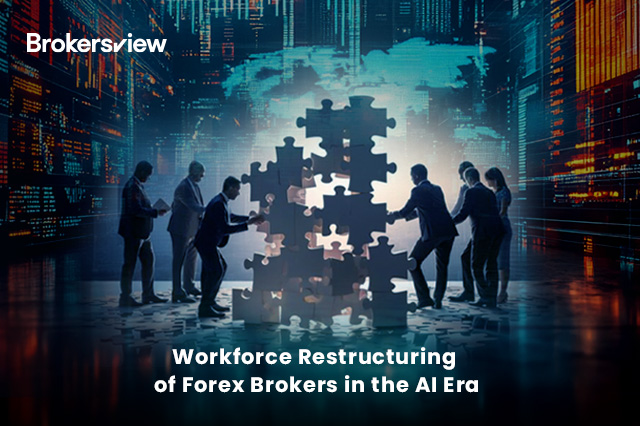
Workforce Restructuring of Forex Brokers in the AI Era

From late 2025 to 2026, the forex and derivatives brokerage industry entered a new phase of workforce restructuring. Major brokers including IronFX, eToro, FXCM, and FP Markets reduced staff, citing AI and automation as key factors.
This transformation goes beyond cost-cutting. While repetitive roles are declining, demand is rising for professionals in AI, data, technology, compliance, and quantitative finance.
AI-Driven Workforce Cuts
In March 2026, IronFX reportedly cut around 150 jobs, about 10% of its global workforce, with AI-driven efficiency improvements cited as a reason.
In January 2026, eToro reduced its workforce by about 7%, affecting more than 100 employees. CEO Yoni Assia said the company was using automation and AI to improve efficiency.
FXCM and its platform Tradu planned to remove more than 100 positions in late 2025, with CEO Brendan Callan highlighting the impact of AI tools in creating a leaner organisation.
FP Markets also reduced fewer than 7% of employees in April 2026 as part of a broader restructuring. Meanwhile, Kraken’s parent company Payward cut around 150 roles, citing AI-related automation and overlapping functions.
AI: The Real Driver or a Business Narrative?
Some observers argue that companies may use AI as a justification for traditional cost reductions. FXCM, for example, faced declining client trading volumes and funds, making cost control a priority.
However, AI is genuinely reshaping brokerage operations. Today, AI is used for:
- Customer service and platform support;
- Automated KYC and risk monitoring;
- Fraud detection and compliance checks;
- Market analysis and content generation.
Roles Most Affected
The biggest impact is seen in:
- Customer service: AI chatbots handle more routine inquiries, reducing demand for large support teams.
- Marketing and content: AI generates market reports, news summaries, and promotional materials.
- Junior data and IT roles: Automation replaces repetitive processing and basic development tasks.
New Opportunities Emerging
At the same time, brokers are increasing demand for:
- AI engineers and data scientists;
- Automation and software specialists;
- Quantitative analysts and algorithm developers;
- AI compliance and risk management experts.
For example, on June 17(yesterday), Robinhood announced that while continuing to hire technical talent, it had cut approximately 290 jobs, reflecting a shift in its business focus from layoffs to talent reallocation.
A Technology-Driven Brokerage Future
The traditional forex industry relied heavily on large sales, marketing, and customer service teams. AI is pushing brokers toward smaller but more specialised workforces.
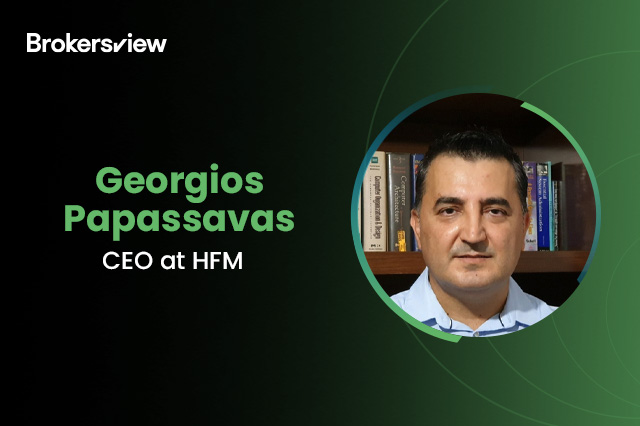
This trend is also reflected in leadership changes. In February 2026, HFM appointed its Chief Information Officer Georgios Papassavas as CEO, highlighting the growing importance of technology leadership.
The AI transformation of forex brokers is not simply about job losses. It represents a fundamental restructuring of the industry: reducing repetitive tasks while creating higher-value roles in technology, data, compliance, and quantitative finance.
The future brokerage model will likely be smaller, more automated, and increasingly technology-driven.
Hottest




Copyright © 2026 FastBull Ltd


Risk Warning
FX trading is of high risk and may not be suitable for all investors. Leverage will create additional risks and loss. Before trading, please carefully consider your investment objectives, experience level and risk tolerance. You may lose part or all of your initial investment; do not invest money that you cannot afford. Educate yourself about the risks associated with FX trading. If you have any questions, please consult an independent financial or tax advisor. Any data and information are provided "as is" and only for information purpose, not for trading or recommendations. Past performance does not predict future results.
Disclaimer
The data contained in this website may not be real-time and accurate. The data and prices on this site are not necessarily provided by the market or exchange, but may be provided by market makers, so prices may be inaccurate and differ from actual market prices. Namely, this price is indicative price only to reflect market trend, and is unfavorable for trading purpose. The provider of the data contained in the Website shall not be liable for any loss incurred by you as a result of your trading activities or reliance on the information contained in the Website.