


US Prosecutors Seek Civil Forfeiture of 200,000 USDT in Romance-Based Cryptocurrency Scam Exploiting Dating Platforms, Fake Trading Accounts, and Layered Laundering
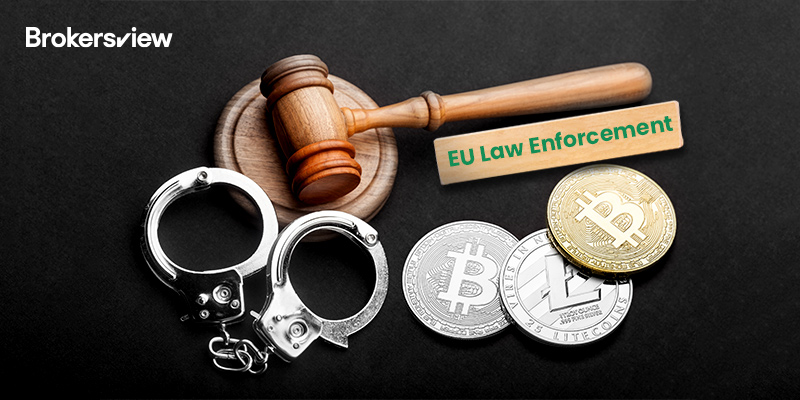
US prosecutors have launched a civil forfeiture action to reclaim roughly 200,000 USDT, believed to be proceeds from an online cryptocurrency investment scam that targeted a Massachusetts resident through a dating platform.
The case stems from a broader investigation into so-called romance-linked investment scams, a fraud model that blends social engineering with fake trading platforms.
Trust Built Before the Trap
Investigators allege the scammer, using the alias “Nino Martin,” presented himself as a financial professional offering cryptocurrency trading guidance. After gaining trust, the victim was directed to open accounts and transfer funds to what appeared to be a legitimate trading platform. Authorities now believe the platform was entirely fraudulent.
As initial transfers were flagged by legitimate financial institutions, individuals linked to the scheme can allegedly provided step-by-step instructions on how to bypass transaction controls. The victim ultimately transferred more than $500,000 before realizing the scheme was fraudulent and contacting law enforcement.
Similar escalation tactics have been observed in AI-assisted crypto scams using social platforms, where early “profits” and constant engagement are used to encourage repeated funding.
Tracing the Money on Chain
A portion of the stolen funds was later tracked to a specific cryptocurrency wallet, which US authorities seized in June 2025. The current civil action seeks to formally forfeit those assets so they may eventually be returned to victims, pending legal claims.
Officials note that while perpetrators are frequently based overseas, crypto tracing has become an increasingly effective tool in disrupting scam proceeds, especially when funds pass through stablecoins such as USDT. This mirrors enforcement trends seen in Asia’s recent push for faster account freezes in digital-asset cases (see: South Korea payment suspension measures).
A Growing Enforcement Pattern
The forfeiture filing is one of several recent actions tied to crypto-enabled fraud targeting US residents. Rather than waiting for criminal convictions, authorities are increasingly using civil asset recovery to intercept funds before they disappear across borders or into unregulated wallets.
BrokersView notes that romance-based crypto investment scams continue to rank among the most financially damaging fraud categories, combining emotional manipulation with fast-moving digital assets and layered laundering structures.
As online fraud ecosystems grow more sophisticated, enforcement efforts are shifting toward fund-tracing, account disruption, and asset seizure, rather than relying solely on post-loss criminal prosecutions.


Hottest



Copyright © 2026 FastBull Ltd


Risk Warning
FX trading is of high risk and may not be suitable for all investors. Leverage will create additional risks and loss. Before trading, please carefully consider your investment objectives, experience level and risk tolerance. You may lose part or all of your initial investment; do not invest money that you cannot afford. Educate yourself about the risks associated with FX trading. If you have any questions, please consult an independent financial or tax advisor. Any data and information are provided "as is" and only for information purpose, not for trading or recommendations. Past performance does not predict future results.
Disclaimer
The data contained in this website may not be real-time and accurate. The data and prices on this site are not necessarily provided by the market or exchange, but may be provided by market makers, so prices may be inaccurate and differ from actual market prices. Namely, this price is indicative price only to reflect market trend, and is unfavorable for trading purpose. The provider of the data contained in the Website shall not be liable for any loss incurred by you as a result of your trading activities or reliance on the information contained in the Website.