


The Benefits of Low-Commission Forex Brokers
Forex trading, the buying and selling of currencies, has become increasingly popular among investors worldwide. When engaging in forex trading, one crucial aspect to consider is the choice of a brokerage firm. Low-commission forex brokers have emerged as a preferred option among traders due to the various benefits they offer. In this article, we will delve deeper into the advantages of using low-commission forex brokers and why they are worth considering, providing comprehensive insights for traders to make informed decisions.
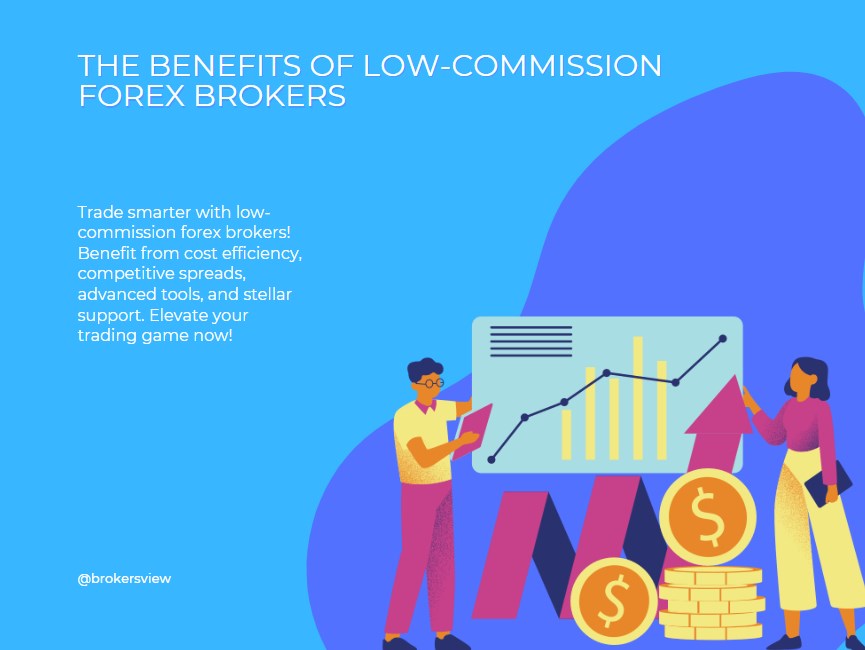
1. Cost Efficiency: Maximizing Profitability
Low-commission forex brokers are renowned for their cost-effectiveness. Unlike traditional brokers who charge hefty fees or take significant spreads on trades, low-commission brokers operate on a transparent fee structure, charging minimal commissions per trade. This cost efficiency is especially beneficial for frequent traders or those engaged in high-volume trading activities. By reducing trading costs, traders can retain a higher percentage of their profits, ultimately enhancing their overall profitability.
Moreover, low-commission brokers often offer tiered commission structures, where the commission decreases as the trading volume increases. This structure rewards active traders and encourages higher trading volumes, providing an opportunity to optimize profit margins.
2. Competitive Spreads: Favorable Trading Conditions
Apart from low commissions, these brokers typically offer competitive spreads. The spread refers to the difference between the buying and selling prices of a currency pair, and it acts as the broker's fee. Low-commission forex brokers strive to keep their spreads as narrow as possible, ensuring traders get the best possible prices for their trades.
Tight spreads can significantly impact trading outcomes, allowing traders to enter and exit positions at favorable rates. This reduces the cost of trading and increases the potential for profit. Furthermore, narrow spreads enhance overall trading efficiency by minimizing slippage, the difference between the expected price of a trade and the price at which the trade is executed. By providing favorable trading conditions, low-commission brokers empower traders to maximize their potential profits.
3. No Conflict of Interest: Transparent and Fair Trading Environment
Low-commission forex brokers usually operate on an ECN (Electronic Communication Network) or STP (Straight Through Processing) model. This means that they connect traders directly with liquidity providers, such as banks and financial institutions, eliminating any conflict of interest.
Unlike market-making brokers who act as counterparties to their clients' trades, low-commission brokers do not profit from traders' losses but instead earn their revenue through commissions. This alignment of interest ensures that brokers prioritize the success and satisfaction of their clients. By providing a transparent and fair trading environment, low-commission brokers build trust and foster long-term relationships with their traders.
4. Advanced Trading Platforms and Tools: Empowering Traders
To stay competitive, low-commission forex brokers often provide traders with access to advanced trading platforms and tools. These platforms offer robust charting capabilities, technical analysis tools, and real-time market data, empowering traders to make informed decisions.
With advanced order types and execution features, traders can implement complex trading strategies and manage their positions effectively. Additionally, many low-commission brokers offer mobile trading apps, allowing traders to access their accounts and trade on the go. Such technological advancements enhance the overall trading experience and enable traders to seize opportunities swiftly.
Furthermore, some low-commission brokers provide additional features such as social trading platforms, where traders can interact, share ideas, and even copy trades from successful traders. These platforms facilitate knowledge-sharing and can be valuable for traders looking to learn and improve their skills.
5. Customer Support: Responsive Assistance
Reputable low-commission forex brokers prioritize customer support and provide responsive assistance to their clients. They offer multiple channels of communication, including phone, email, and live chat, ensuring that traders can easily reach out for help or clarification.
Prompt and knowledgeable customer support is invaluable, particularly for new traders who may have questions or require guidance during their trading journey. By having a reliable support team available, traders can swiftly address any concerns, resolve issues, and gain clarity on trading-related matters, ultimately enhancing their trading experience.
Conclusion
Choosing the right forex broker is crucial for traders to achieve success in the currency markets. Low-commission forex brokers offer numerous advantages, including cost efficiency, competitive spreads, transparency, advanced trading platforms, and reliable customer support. By opting for a low-commission broker, traders can reduce their trading costs, access favorable trading conditions, and benefit from a trustworthy trading environment.
It is essential, however, to conduct thorough research and due diligence before selecting a low-commission forex broker to ensure compatibility with individual trading goals and preferences. Traders should consider factors such as regulatory compliance, reputation, available trading instruments, platform features, and overall trading conditions. By making an informed decision, traders can position themselves for long-term success in the dynamic world of forex trading.




Copyright © 2026 FastBull Ltd


Risk Warning
FX trading is of high risk and may not be suitable for all investors. Leverage will create additional risks and loss. Before trading, please carefully consider your investment objectives, experience level and risk tolerance. You may lose part or all of your initial investment; do not invest money that you cannot afford. Educate yourself about the risks associated with FX trading. If you have any questions, please consult an independent financial or tax advisor. Any data and information are provided "as is" and only for information purpose, not for trading or recommendations. Past performance does not predict future results.
Disclaimer
The data contained in this website may not be real-time and accurate. The data and prices on this site are not necessarily provided by the market or exchange, but may be provided by market makers, so prices may be inaccurate and differ from actual market prices. Namely, this price is indicative price only to reflect market trend, and is unfavorable for trading purpose. The provider of the data contained in the Website shall not be liable for any loss incurred by you as a result of your trading activities or reliance on the information contained in the Website.