


Thai Democrat Party Presses SEC to Alert Investors on Scam-Linked Stocks Amid Money Laundering Risks
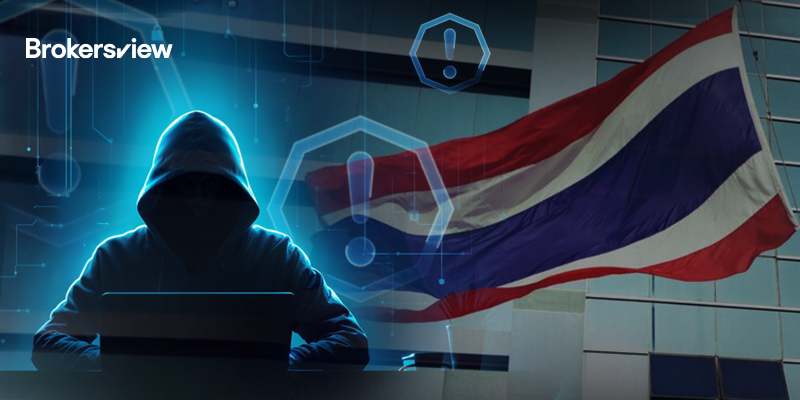
The Democrat Party has raised concerns about scam networks laundering money through the Thai stock market. Party leader Abhisit Vejjajiva and deputy leader Korn Chatikavanij submitted a letter with evidence to the Anti-Money Laundering Office (AMLO), which led to authorities freezing and seizing assets worth 10.165 billion baht at the end of November.
On 24 December, Mr. Korn revealed that, with elections approaching, scam-linked groups are trying to sell shares held in nominee accounts that have not yet been frozen. These sales are intended to move the funds out of the stock market. The Democrat Party has urged authorities to expand investigations beyond the assets already frozen.
Mr. Korn said he has formally notified the Securities and Exchange Commission (SEC), Thailand, to warn investors about at least seven listed companies currently under investigation for possible ties to money laundering. He stressed that investors could face future accusations of complicity in money laundering if they unknowingly buy shares from these groups. He called on the SEC to issue urgent warnings, especially about large share transactions.
He also emphasized that brokers and securities firms must carefully verify the true owners of shares in these companies. The SEC should require stricter checks by brokers on the seven companies to identify the real owners.
Mr. Korn noted that while the recent asset freeze mainly targeted foreign scammers, Thai individuals may also be involved. The Democrat Party has asked the SEC to investigate companies where scam groups are suspected of holding shares.
Due to these concerns, the party urged that swift action is needed to stop illicit funds from leaving Thailand’s capital market.
The rise of money mule accounts and sophisticated investment scams is posing a growing threat to Thailand’s capital markets. Yet, SEC Thailand struggles to respond effectively, constrained by rigid laws within its jurisdiction.


Hottest





Copyright © 2025 FastBull Ltd


Risk Warning:
FX trading is of high risk and may not be suitable for all investors. Leverage will create additional risks and loss. Before trading, please carefully consider your investment objectives, experience level and risk tolerance. You may lose part or all of your initial investment; do not invest money that you cannot afford. Educate yourself about the risks associated with FX trading. If you have any questions, please consult an independent financial or tax advisor. Any data and information are provided "as is" and only for information purpose, not for trading or recommendations. Past performance does not predict future results.
Disclaimer:
The data contained in this website may not be real-time and accurate. The data and prices on this site are not necessarily provided by the market or exchange, but may be provided by market makers, so prices may be inaccurate and differ from actual market prices. Namely, this price is indicative price only to reflect market trend, and is unfavorable for trading purpose. The provider of the data contained in the Website shall not be liable for any loss incurred by you as a result of your trading activities or reliance on the information contained in the Website.