


South Korea Cracks a Crypto Laundering Engine Built on a Fake Brokerage Empire
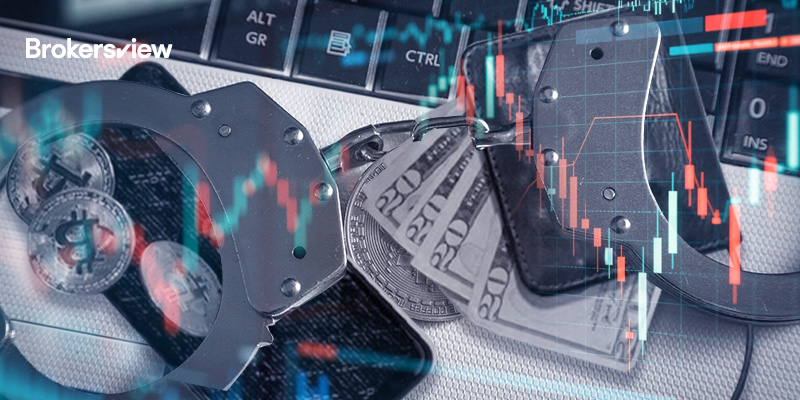
South Korean authorities have shut down a counterfeit stock trading operation that defrauded 116 investors and pumped more than 40 billion won of stolen capital into crypto wallets. The ringleader, a 43-year-old man who staged an entire fake brokerage using stolen branding from a well known securities firm, has now been sentenced to eight years in prison after prosecutors uncovered a laundering pipeline that converted victim deposits into cryptocurrencies, cash bundles and gift-certificate based withdrawals.
According to court findings, the scheme went live last June, armed with polished interfaces and social media recruitment lines promising guaranteed high returns. Victims were funneled into a fabricated “IPO application” system and charged withdrawal fees that never led to real trading. Behind the scenes, the operators divided into strict roles: the mastermind directing the flow, crypto handlers buying digital assets to mask the trail, and cash operatives moving funds through corporate accounts before converting them back into physical currency.
Investigators revealed that roughly 62 billion won flowed through the network. More than 42 billion won was pushed into crypto and dispersed through internal wallets controlled by the group. Accomplices aged 41 received sentences of two and a half to three years after helping the leader cycle funds through layers of accounts, convert illicit proceeds into retail gift certificates and restructure the stolen assets to avoid detection. One branch of the group repeatedly used corporate bank accounts as temporary holding pools before passing the money back to the crypto channels.
Judges emphasized that the laundering system was not an accessory but the core machine powering the fraud. Without the fast conversion into digital assets and the constant reshuffling between wallets, the fake brokerage would not have been able to absorb such a large number of victims or maintain the illusion of legitimate activity. Small staged payouts were even sent back to early targets to simulate investment returns and keep deposits flowing in.
The case highlights a growing global pattern where criminal rings mirror regulated financial platforms with alarming precision. The Korean operation used clean branding, investment language and smooth user flows to engineer trust long enough to drain accounts and disappear the funds into crypto ecosystems. With crypto-enabled fraud losses reaching billions worldwide and pig-butchering tactics spreading, investors are facing platforms that look sophisticated on the surface yet operate as extraction engines underneath.
This warning is direct. Convincing interfaces are not proof. High-yield claims wrapped in professional design are not proof. The Korean case shows how quickly a fraudulent platform can scale, how efficiently crypto can anonymize stolen funds, and how essential it is to verify every entity before committing capital.





Copyright © 2026 FastBull Ltd


Risk Warning
FX trading is of high risk and may not be suitable for all investors. Leverage will create additional risks and loss. Before trading, please carefully consider your investment objectives, experience level and risk tolerance. You may lose part or all of your initial investment; do not invest money that you cannot afford. Educate yourself about the risks associated with FX trading. If you have any questions, please consult an independent financial or tax advisor. Any data and information are provided "as is" and only for information purpose, not for trading or recommendations. Past performance does not predict future results.
Disclaimer
The data contained in this website may not be real-time and accurate. The data and prices on this site are not necessarily provided by the market or exchange, but may be provided by market makers, so prices may be inaccurate and differ from actual market prices. Namely, this price is indicative price only to reflect market trend, and is unfavorable for trading purpose. The provider of the data contained in the Website shall not be liable for any loss incurred by you as a result of your trading activities or reliance on the information contained in the Website.