


Pros and Cons of Being a Forex Broker
The foreign exchange (Forex) market is the largest and most liquid financial market in the world, with daily transactions surpassing $6 trillion. Many individuals and institutions engage in Forex trading to profit from fluctuations in currency values. This article will discuss the advantages and disadvantages of being a Forex trader, delving into the various aspects that can impact traders' experiences.
Advantages:
1.Flexibility and Accessibility The Forex market is accessible 24 hours a day, five days a week. This means traders can choose to trade at any time, making it an ideal choice for those with other commitments such as a day job or family responsibilities. Furthermore, the market's global nature allows traders to participate from anywhere in the world, as long as they have a stable internet connection and a trading platform.
2.High Liquidity Forex trading boasts high liquidity due to the sheer volume of participants and transactions. High liquidity means that traders can execute orders with minimal slippage, allowing for tighter spreads and more accurate pricing. This advantage can help traders capitalize on short-term price fluctuations and enter or exit positions with ease.
3.Leverage Opportunities Forex trading often involves leverage, which allows traders to control larger positions with a smaller initial investment. This can magnify potential profits but also comes with increased risk. Nonetheless, leverage can be a powerful tool when used responsibly, enabling traders to optimize their capital allocation and potentially achieve higher returns.
4.Diversification Forex trading offers a unique opportunity for portfolio diversification. By trading multiple currency pairs, traders can spread their risk across various economies and reduce the impact of localized economic events. This diversification can help mitigate potential losses and stabilize overall portfolio performance.
5.Numerous Trading Strategies Forex traders can adopt a variety of trading strategies, including technical analysis, fundamental analysis, and algorithmic trading. This diversity allows traders to tailor their approach based on their preferences, risk tolerance, and market conditions. By employing various strategies, traders can enhance their understanding of the market and improve their decision-making processes.
Disadvantage 1: High Risk
Forex trading is considered to be a high-risk career due to the unpredictable nature of the market. Currency values are influenced by various factors, such as political events, economic indicators, and market sentiment, which can cause sudden fluctuations in exchange rates. The high leverage offered by brokers can amplify gains, but it can also lead to significant losses. As a forex trader, you must be prepared to face the potential for significant financial losses, even if you take all necessary precautions.
To manage this risk, traders need to employ strict risk management strategies, such as setting stop losses and using proper position sizing. However, even with these strategies in place, there is no guarantee that a trader will not experience financial setbacks. In addition, the high-stress environment can take a toll on a trader's mental health, leading to emotional exhaustion and burnout. This is particularly true for those who are unable to cope with the constant pressure to make profitable trades and the uncertainty that comes with it.
Disadvantage 2: Lack of Stability and Security
Unlike traditional jobs, a career in forex trading does not provide a stable income or job security. A trader's income is directly tied to their trading performance, which can be inconsistent and unpredictable. It is not uncommon for traders to experience long periods of losses, which can significantly impact their financial stability.
Furthermore, as a forex trader, you will not have access to the benefits typically associated with traditional employment, such as health insurance, retirement plans, or paid time off. This lack of financial security and stability can make it challenging for traders to plan for their future and meet long-term financial goals. Traders must be disciplined and dedicated to building their own financial safety net, such as an emergency fund, to weather periods of poor performance.
Disadvantage 3: Isolation and Loneliness
Forex trading is often a solitary endeavor, with traders spending long hours alone, monitoring charts, and analyzing market data. This isolation can lead to feelings of loneliness and social disconnection, which can negatively impact a trader's mental well-being. Long periods of isolation can also limit opportunities to develop meaningful personal and professional relationships.
To combat this, forex traders must make a conscious effort to maintain a social life outside of their trading career. This can involve scheduling regular time for hobbies, social events, and family gatherings. Additionally, joining a community of traders, either online or in-person, can provide valuable support and camaraderie to help mitigate feelings of isolation.
Disadvantage 4: High Competition
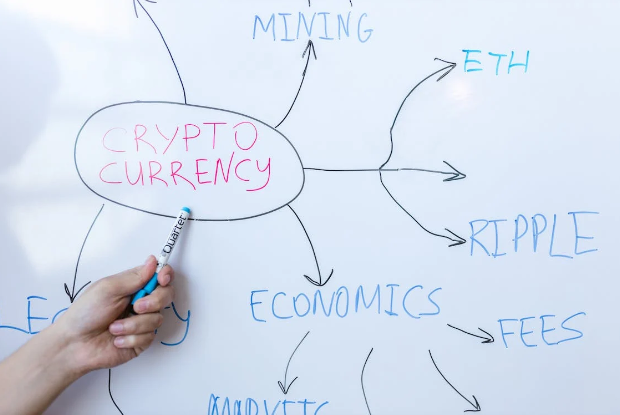
The forex market is highly competitive, with millions of traders from around the world participating daily. As a result, staying ahead of the competition requires traders to continually hone their skills, stay informed about market developments, and adapt their strategies to changing market conditions. This constant need for improvement can be both mentally and physically demanding, leading to burnout for those who cannot maintain the necessary level of dedication.
Moreover, the competitive nature of forex trading can foster a cutthroat environment, with traders always seeking an edge over their peers. This can make it difficult for novice traders to find reliable mentors or establish supportive professional networks.
Disadvantage 5: Regulatory and Legal Issues
Forex trading is subject to various regulations and legal requirements, which can vary from country to country. Traders must be aware of these regulations and ensure they are operating within the legal framework of their jurisdiction. Failure to comply with relevant laws and regulations can lead to severe penalties, including fines or even imprisonment.
Navigating the complex regulatory environment can be challenging, particularly for new traders who may not have experience dealing with these issues. This can add an additional layer of stress to an already demanding career. Additionally, the ever-changing regulatory landscape means traders must be prepared to adapt their practices to comply with new laws and regulations as they are introduced. This can involve investing time and resources into staying informed about the latest regulatory changes and seeking legal counsel when necessary.
While a career in forex trading can be potentially lucrative, it is not without its challenges. High risks, lack of stability and security, isolation and loneliness, intense competition, and regulatory and legal issues are all disadvantages that traders must be prepared to face. Prospective forex traders should carefully consider these drawbacks and weigh them against the potential rewards before embarking on a trading career. Additionally, maintaining a balanced lifestyle, seeking professional support, and staying informed about regulatory changes are essential steps to help mitigate these disadvantages and ensure long-term success in the forex market.





Copyright © 2026 FastBull Ltd


Risk Warning
FX trading is of high risk and may not be suitable for all investors. Leverage will create additional risks and loss. Before trading, please carefully consider your investment objectives, experience level and risk tolerance. You may lose part or all of your initial investment; do not invest money that you cannot afford. Educate yourself about the risks associated with FX trading. If you have any questions, please consult an independent financial or tax advisor. Any data and information are provided "as is" and only for information purpose, not for trading or recommendations. Past performance does not predict future results.
Disclaimer
The data contained in this website may not be real-time and accurate. The data and prices on this site are not necessarily provided by the market or exchange, but may be provided by market makers, so prices may be inaccurate and differ from actual market prices. Namely, this price is indicative price only to reflect market trend, and is unfavorable for trading purpose. The provider of the data contained in the Website shall not be liable for any loss incurred by you as a result of your trading activities or reliance on the information contained in the Website.