


Malaysia Steps Up Fight Against Money Laundering, Warns Investors and Brokers
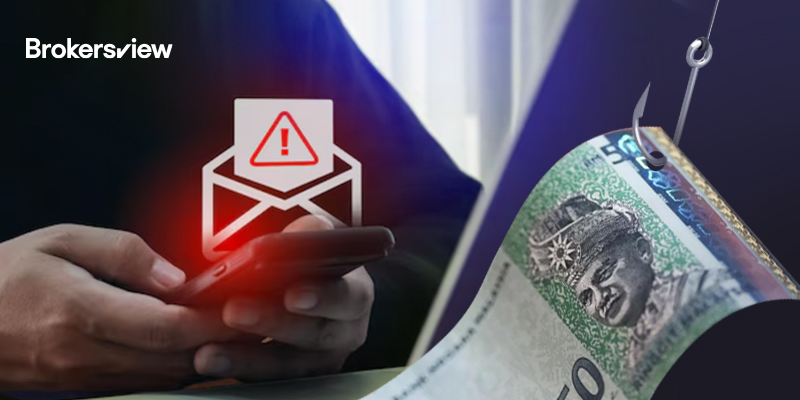
Scams, illicit money flows, and shadowy transactions are not just stories in the news. They’re happening right now, and Malaysia is turning the heat up on financial criminals. The Financial Action Task Force and the Asia/Pacific Group on Money Laundering have recognized Malaysia’s major upgrades in anti-money laundering laws and supervision, but the country is making it clear. Regulatory upgrades are only part of the battle. Enforcement is where the real fight begins. Brokers, investors, and everyday citizens need to stay alert.
Malaysia faces a tangled web of money laundering risks, from digital finance scams and investment fraud to the country’s role as a hub for cross-border trafficking, smuggling, and organized crime. Authorities have recovered billions linked to high-profile cases like 1MDB, but FATF notes a gap between investigations and actual prosecutions. The message is blunt. Detection alone won’t stop criminals. Convictions matter.
Financial intelligence is now being wielded with precision. The Malaysian FIU has processed over 1.39 million suspicious transaction reports since 2019, supported by advanced algorithms that trace unusual flows across banks, digital platforms, and corporate structures. Law enforcement is tapping this data aggressively, linking banks, virtual asset service providers, and professionals to uncover hidden networks. Yet FATF warns that smaller firms and certain sectors still lag behind in risk awareness, leaving loopholes that savvy criminals exploit.
Cross-border cooperation is also rising. Mutual legal assistance, international data sharing, and coordinated prosecutions are being strengthened to hit organized crime and fraudulent networks where it hurts beyond borders. For investors and brokers, the takeaway is clear. Regulatory compliance is non-negotiable, suspicious activity is watched, and enforcement will hit faster and smarter than ever. Ignoring red flags isn’t just risky. It’s a target.


Copyright © 2026 FastBull Ltd


Risk Warning
FX trading is of high risk and may not be suitable for all investors. Leverage will create additional risks and loss. Before trading, please carefully consider your investment objectives, experience level and risk tolerance. You may lose part or all of your initial investment; do not invest money that you cannot afford. Educate yourself about the risks associated with FX trading. If you have any questions, please consult an independent financial or tax advisor. Any data and information are provided "as is" and only for information purpose, not for trading or recommendations. Past performance does not predict future results.
Disclaimer
The data contained in this website may not be real-time and accurate. The data and prices on this site are not necessarily provided by the market or exchange, but may be provided by market makers, so prices may be inaccurate and differ from actual market prices. Namely, this price is indicative price only to reflect market trend, and is unfavorable for trading purpose. The provider of the data contained in the Website shall not be liable for any loss incurred by you as a result of your trading activities or reliance on the information contained in the Website.