


Hong Kong Elderly Investment Scam Losses Jump 79% as Fake Crypto Platforms and WhatsApp Groups Drive Fraud Surge
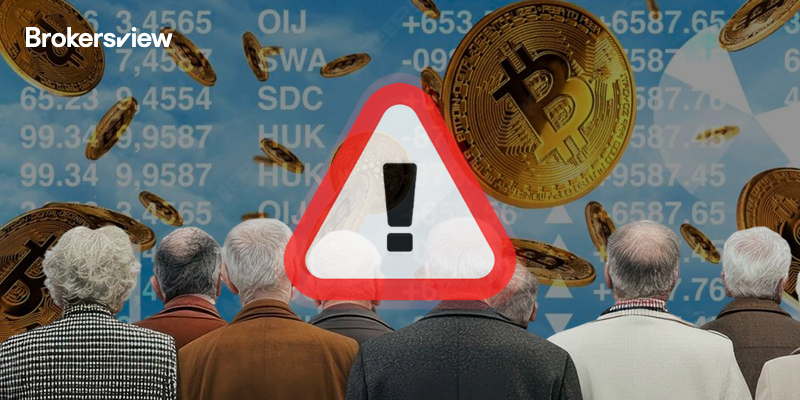
Investment scams targeting older investors in Hong Kong generated HK$330 million in losses during the first quarter of 2026, as fraud networks increasingly used fake crypto platforms, WhatsApp investment groups, and staged withdrawals to extract larger sums from victims.
According to police data, the city recorded 9,427 fraud cases in Q1, involving total losses of HK$1.85 billion. While overall scam volumes remained relatively stable year-on-year, losses involving elderly victims rose sharply. Authorities recorded 1,264 elderly fraud victims, up 33%, with total losses surging 79% to HK$530 million.
Investment scams accounted for the largest share of damage. Police said 329 elderly victims were linked to investment-related schemes, with average losses reaching HK$1.01 million per victim.
The Anti-Deception Coordination Centre said fraudsters commonly initiate contact through social media before moving targets into WhatsApp groups populated by accomplices posing as investors or trading mentors. Victims are then directed to transfer funds or cryptocurrency into designated trading platforms and wallet addresses controlled by the scam network.
In several cases, victims were allowed to withdraw small amounts initially to reinforce legitimacy before being pressured into larger transfers. Police said one victim who successfully withdrew HK$1 million during the scam later lost HK$5.4 million overall.
The largest single case involved a 67-year-old man who transferred approximately HK$84 million in crypto assets after being introduced to a fake investment app through an online romantic relationship. Authorities said the scammer presented themselves as an experienced investment professional and used real market commentary and trading discussions to build credibility over time.
Police analysis of more than 1,000 elderly investment scam victims from last year found that 70% were between 60 and 69 years old, often newly retired individuals with substantial savings or pension assets. Victims working in sectors such as real estate, insurance, accounting, and business recorded some of the highest average losses, with real estate and insurance professionals losing roughly HK$2.5 million on average.
The Hong Kong Monetary Authority said banks are now required to assess whether customers may be at risk of fraud during transactions, while authorities are also developing machine-learning systems to identify suspected mule accounts used in scam-related fund flows.


Hottest



Copyright © 2026 FastBull Ltd


Risk Warning
FX trading is of high risk and may not be suitable for all investors. Leverage will create additional risks and loss. Before trading, please carefully consider your investment objectives, experience level and risk tolerance. You may lose part or all of your initial investment; do not invest money that you cannot afford. Educate yourself about the risks associated with FX trading. If you have any questions, please consult an independent financial or tax advisor. Any data and information are provided "as is" and only for information purpose, not for trading or recommendations. Past performance does not predict future results.
Disclaimer
The data contained in this website may not be real-time and accurate. The data and prices on this site are not necessarily provided by the market or exchange, but may be provided by market makers, so prices may be inaccurate and differ from actual market prices. Namely, this price is indicative price only to reflect market trend, and is unfavorable for trading purpose. The provider of the data contained in the Website shall not be liable for any loss incurred by you as a result of your trading activities or reliance on the information contained in the Website.