


One in Three Irish Adults Hit by Fraud as Reporting Gap Masks True Scale of Losses
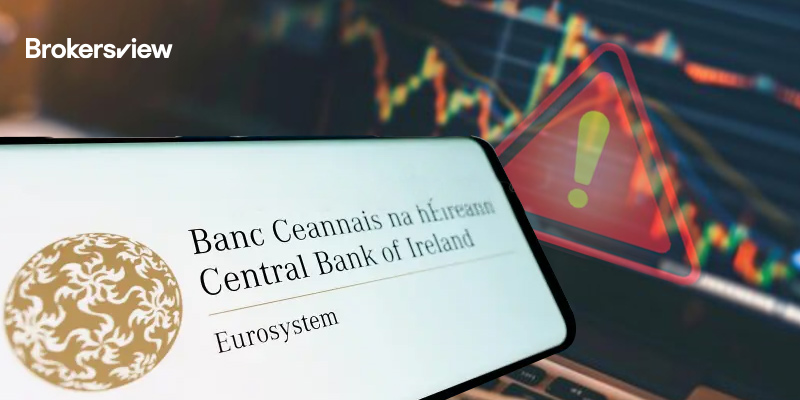
More than one third of adults in Ireland have been exposed to financial fraud, with investment-related scams and trading schemes emerging as key drivers behind rising losses, according to new data from the Central Bank of Ireland.
The survey, based on responses from nearly 3,000 individuals, found that 35% had encountered fraud, with close to two-thirds of victims suffering financial losses. While online purchase scams remain the most common entry point, authorities flagged investment scams as a major financial crime risk due to the scale of losses involved.
Total reported fraud losses reached €160 million in 2024, up 24.5% year-on-year. However, the actual figure is expected to be significantly higher, as around 38% of victims did not report incidents to financial institutions or law enforcement.
Investment fraud accounted for a smaller share of total cases at 7%, but consistently resulted in the largest losses per victim. These schemes often involve fake trading platforms, unauthorised advisers, or online contacts promoting high-return opportunities tied to crypto or other speculative assets.
Other fraud categories included card-related fraud at 34%, delivery impersonation scams at 15%, and phishing attacks at 13%. Many of these cases are linked to broader financial crime networks that use digital channels to move funds and target victims at scale.
The Central Bank said exposure is closely tied to user behaviour, particularly engaging with unknown platforms, transferring funds to individuals met online, or responding to unsolicited investment offers. These patterns are commonly seen in trading and investment scams, where victims are encouraged to deposit increasing amounts after initial gains are displayed.
Recovery data highlights the cost of inaction. Among those who reported fraud, 57% recovered funds, compared with just 13% of those who did not.
The findings point to a continued shift toward organised, digitally enabled financial crime, where investment and trading scams are becoming a primary method of extracting large sums from retail investors.


Hottest






Copyright © 2026 FastBull Ltd


Risk Warning
FX trading is of high risk and may not be suitable for all investors. Leverage will create additional risks and loss. Before trading, please carefully consider your investment objectives, experience level and risk tolerance. You may lose part or all of your initial investment; do not invest money that you cannot afford. Educate yourself about the risks associated with FX trading. If you have any questions, please consult an independent financial or tax advisor. Any data and information are provided "as is" and only for information purpose, not for trading or recommendations. Past performance does not predict future results.
Disclaimer
The data contained in this website may not be real-time and accurate. The data and prices on this site are not necessarily provided by the market or exchange, but may be provided by market makers, so prices may be inaccurate and differ from actual market prices. Namely, this price is indicative price only to reflect market trend, and is unfavorable for trading purpose. The provider of the data contained in the Website shall not be liable for any loss incurred by you as a result of your trading activities or reliance on the information contained in the Website.