


FATF Report Traces Scam Compounds and Crypto Laundering Networks
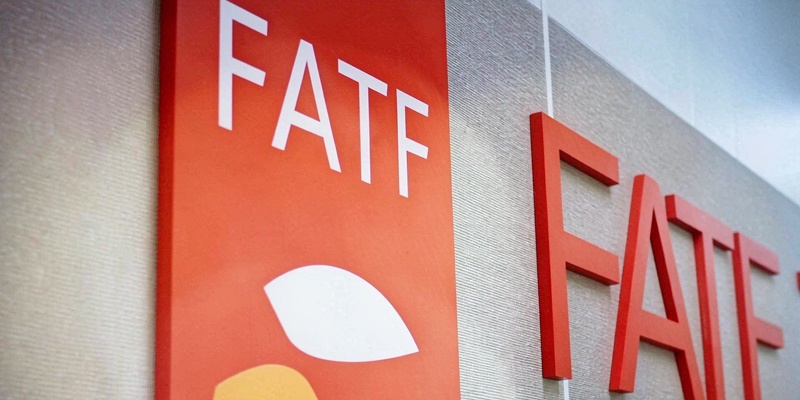
The Financial Action Task Force (FATF) published a new report on November 5, 2026, tracing how scam compounds generate, launder and reinvest criminal proceeds. These networks are estimated to cause tens of billions of dollars in annual losses.
From Fake Platforms to Laundering Networks
FATF identifies investment fraud as a major source of scam-compound revenue. Fabricated dashboards, small initial payouts and demands for withdrawal fees or taxes can persuade victims to keep paying.
Funds may pass through personal, corporate and money-mule accounts before moving into cryptoasset channels. Stablecoins, peer-to-peer transfers and over-the-counter intermediaries can connect different parts of the laundering network.
The platform is therefore only the visible entry point. Effective investigations must also identify receiving accounts, payment facilitators and the people controlling them.
Cross-Border Tracing Needs Faster Cooperation
FATF says blockchain analysis should be combined with customer records, corporate information and other evidence. Wallet movements alone do not establish who controls the money.
The report highlights the first 24–72 hours after detection or reporting as particularly important for tracing and preserving assets. A freeze does not mean funds have been recovered or returned to victims.
FATF calls for action across the criminal network, including earlier intervention before victims pay. Closing a platform or raiding a compound can leave shared financial infrastructure available for replacement operations.
Investor Warning
Check a platform’s legal entity and regulatory permissions independently. Displayed profits and small payouts do not prove genuine trading. If fraud is suspected, stop payments, preserve transaction records and promptly contact your bank or cryptoasset service provider and the authorities. Avoid advance-fee offers to recover lost funds.
Follow BrokersView for investment scam alerts and broker risk updates.
Related Reading
Hottest




Copyright © 2026 FastBull Ltd


Risk Warning
FX trading is of high risk and may not be suitable for all investors. Leverage will create additional risks and loss. Before trading, please carefully consider your investment objectives, experience level and risk tolerance. You may lose part or all of your initial investment; do not invest money that you cannot afford. Educate yourself about the risks associated with FX trading. If you have any questions, please consult an independent financial or tax advisor. Any data and information are provided "as is" and only for information purpose, not for trading or recommendations. Past performance does not predict future results.
Disclaimer
The data contained in this website may not be real-time and accurate. The data and prices on this site are not necessarily provided by the market or exchange, but may be provided by market makers, so prices may be inaccurate and differ from actual market prices. Namely, this price is indicative price only to reflect market trend, and is unfavorable for trading purpose. The provider of the data contained in the Website shall not be liable for any loss incurred by you as a result of your trading activities or reliance on the information contained in the Website.