


Fake Crypto Exchange “NEXOpayment” Accused of Redirecting Investor Deposits Through Complex Wallet Layering Scheme, Leaving 190 Victims and $5 Million in Losses
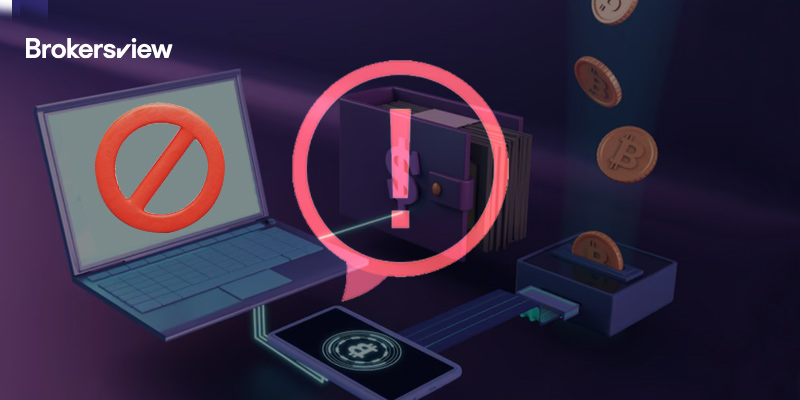
More than 190 elderly and vulnerable investors have been defrauded of over $5 million in a coordinated cryptocurrency investment scam centered on a fake digital asset platform branded “NEXOpayment.” Authorities allege the platform operated as a controlled payment gateway rather than a legitimate exchange, with victim deposits immediately redirected through layered cryptocurrency wallets in a laundering pattern designed to obscure ultimate beneficiaries.
Fake Exchange Structure and Victim Targeting
Investigators found victims were first approached via social media and encouraged to explore cryptocurrency and share investments promising stable or guaranteed returns. They were later contacted by individuals posing as licensed investment advisers and directed to deposit funds into the NEXOpayment web portal.
The platform allegedly displayed fabricated balances to simulate legitimate crypto purchases. In reality, deposited funds were not used to acquire digital assets but were transferred across multiple wallets and external exchanges in rapid succession. This layering technique, commonly associated with money laundering, fragmented transaction trails and complicated recovery efforts. Victims were reportedly pressured with urgency tactics and reassured with falsified portfolio growth data — a structure consistent with previously exposed fraudulent crypto trading portals.
Enforcement Action and Ongoing Investigation
The case is being investigated under Strike Force Resaca by the Australia’s Cybercrime Squad of State Crime Command. Detectives executed coordinated search warrants at residential and commercial premises, seizing electronic devices and financial documentation linked to the NEXOpayment infrastructure.
A 42-year-old man has been charged with recklessly dealing with proceeds of crime over $5,000 in connection with laundering funds through the platform. A second individual has been arrested and released pending further inquiries.
Authorities confirmed forensic cryptocurrency tracing is underway to identify additional facilitators, map wallet clusters, and determine the full scope of cross-exchange fund movement. The investigation remains active as officials work to dismantle the broader network behind the fraudulent exchange.

Hottest





Copyright © 2026 FastBull Ltd


Risk Warning
FX trading is of high risk and may not be suitable for all investors. Leverage will create additional risks and loss. Before trading, please carefully consider your investment objectives, experience level and risk tolerance. You may lose part or all of your initial investment; do not invest money that you cannot afford. Educate yourself about the risks associated with FX trading. If you have any questions, please consult an independent financial or tax advisor. Any data and information are provided "as is" and only for information purpose, not for trading or recommendations. Past performance does not predict future results.
Disclaimer
The data contained in this website may not be real-time and accurate. The data and prices on this site are not necessarily provided by the market or exchange, but may be provided by market makers, so prices may be inaccurate and differ from actual market prices. Namely, this price is indicative price only to reflect market trend, and is unfavorable for trading purpose. The provider of the data contained in the Website shall not be liable for any loss incurred by you as a result of your trading activities or reliance on the information contained in the Website.