


Factor, institutional bodies that control the forex market, deep understanding by Brokersview
Unraveling the Complex World of Forex Trading
The foreign exchange market, or forex, is a decentralized global market where currencies are bought, sold, and traded. With an average daily trading volume of over $6 trillion, it is the largest and most liquid financial market in the world. Understanding who controls the forex market and why is crucial for anyone interested in trading currencies or seeking a deeper understanding of the global economy. This blog will delve into the history and evolution of the forex market, as well as the various forces that influence its movements.
I. The History of the Foreign Exchange Market
A. Ancient Times
The origins of the foreign exchange market can be traced back to ancient times when people would barter goods and services directly. As societies evolved, so did the need for a standardized system of exchange.
B. Gold Standard
The gold standard emerged in the 19th century as a way to standardize currency values, with each currency pegged to a fixed amount of gold. However, the gold standard ultimately collapsed in the early 20th century due to economic pressures and the rise of global trade.
C. The Bretton Woods System
After World War II, the Bretton Woods system was established to create a new international monetary order. Under this system, countries agreed to fix their currencies to the U.S. dollar, which was convertible to gold. The system lasted until 1971 when the United States abandoned the gold standard, leading to the era of floating exchange rates.
II. Who Controls the Foreign Exchange Market?
A. Central Banks
Central banks play a significant role in the forex market, setting monetary policy and managing their respective countries' currency reserves. Their actions, such as setting interest rates or implementing quantitative easing, can have a profound impact on currency values. Learn more in detail about how central banks control the forex trading market.
B. Commercial and Investment Banks
Commercial and investment banks are major players in the forex market, facilitating currency transactions for clients and trading on their own accounts. Their trading activities can influence exchange rates, particularly in large-scale transactions.
C. Hedge Funds and Institutional Investors
Hedge funds and institutional investors, such as pension funds and mutual funds, also participate in the forex market. These entities typically trade large volumes of currency, seeking to profit from market fluctuations or manage currency risk associated with their investments.
D. Individual Traders
Retail traders, who are individuals trading forex for personal gain, make up a smaller portion of the market compared to institutional players. While their influence on exchange rates is limited, they contribute to the market's overall liquidity.
III. Why Control the Foreign Exchange Market?
A. Economic Stability
One of the primary reasons for controlling the forex market is to maintain economic stability. Central banks intervene in the market by adjusting interest rates or buying and selling currencies to influence exchange rates and control inflation.
B. Trade and Competitiveness
Governments and central banks may also seek to influence exchange rates to boost their countries' competitiveness in international trade. A weaker currency can make exports more attractive, while a stronger currency can help control inflation by making imports cheaper.
C. Profit Motive
For commercial banks, hedge funds, and other financial institutions, trading in the forex market can be a source of profit. These entities often employ sophisticated strategies to capitalize on market fluctuations and extract value from currency movements.
IV. Influences on the Foreign Exchange Market
A. Economic Indicators
Economic indicators, such as GDP, inflation, and employment data, can impact the forex market as traders react to shifts in a country's economic outlook. Strong economic data can bolster a currency's value, while weak data may cause it to depreciate.
B. Political Events
Political events, such as elections, policy changes, and geopolitical tensions, can also have a significant impact on the forex market. Uncertainty surrounding political developments can lead to volatility in currency values as traders assess the potential implications for a country's economy and financial stability.
C. Market Sentiment
Market sentiment, or the overall attitude of investors toward a particular currency, can influence exchange rates. Factors such as investor confidence, risk appetite, and expectations about future economic performance can drive currency movements as traders adjust their positions based on these sentiments.
D. Central Bank Interventions
As mentioned earlier, central banks may intervene in the forex market to influence exchange rates. These interventions can take the form of direct currency purchases or sales, as well as adjustments to interest rates and other monetary policy tools. The market often reacts strongly to central bank interventions, as they signal changes in a country's economic direction.
V. The Evolution of the Foreign Exchange Market
A. Technological Advancements
The forex market has undergone significant changes over the years, driven primarily by technological advancements. The advent of electronic trading platforms and the internet has made forex trading more accessible to individual investors, while high-frequency trading algorithms and sophisticated trading strategies have transformed the way currencies are bought and sold.
B. Globalization
The increasing interconnectedness of the global economy has also shaped the evolution of the forex market. As international trade and investment have expanded, so too has the demand for currency transactions and the need for efficient and liquid forex markets.
C. Regulatory Changes
Over the years, regulatory changes have also played a role in the development of the forex market. Authorities have introduced new rules and regulations to promote transparency, enhance market stability, and protect investors from fraud and manipulation.
Understanding who controls the foreign exchange market and why is essential for grasping the complex dynamics of forex trading. Central banks, commercial and investment banks, hedge funds, institutional investors, and individual traders all play a role in shaping the market, driven by various motives such as economic stability, trade competitiveness, and profit-seeking. The forex market has evolved significantly over the years, influenced by technological advancements, globalization, and regulatory changes. As the world continues to become more interconnected, the importance of the foreign exchange market will only continue to grow.
VI. The Future of the Foreign Exchange Market
A. Emergence of Digital Currencies
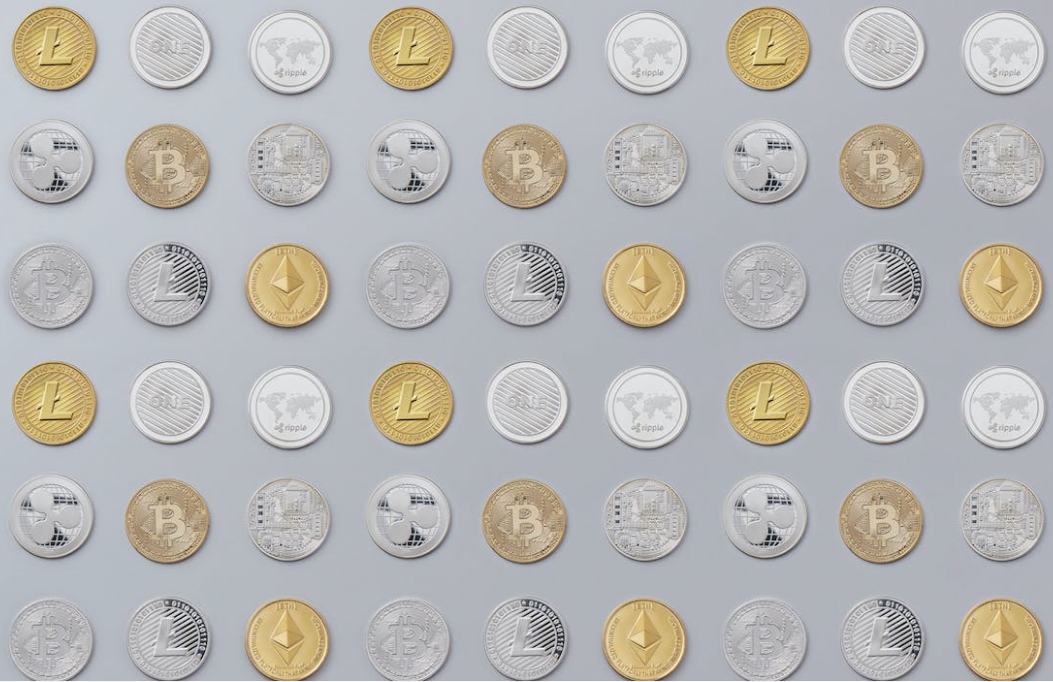
The rise of digital currencies, such as cryptocurrencies and central bank digital currencies (CBDCs), is poised to impact the forex market in the coming years. As these currencies gain wider acceptance and usage, they may alter the dynamics of currency trading and introduce new opportunities and challenges for market participants.
B. Artificial Intelligence and Machine Learning
Artificial intelligence (AI) and machine learning are increasingly being employed in the forex market, with traders and financial institutions utilizing these technologies to develop more sophisticated trading strategies and improve risk management. The growing influence of AI and machine learning is expected to further transform the market landscape, potentially leading to greater efficiency and reduced transaction costs.
C. Environmental, Social, and Governance (ESG) Factors
As the importance of environmental, social, and governance (ESG) factors gains prominence in the world of finance, their impact on the forex market is also likely to grow. Market participants may increasingly consider ESG factors when making investment decisions, potentially influencing the relative strength of currencies based on a country's ESG performance.
D. Ongoing Regulatory Developments
Regulatory bodies will continue to play a crucial role in shaping the forex market, as they strive to maintain market stability, protect investors, and ensure fair and transparent trading practices. Future regulatory developments may involve further enhancements to market infrastructure, increased scrutiny of market manipulation, and tighter oversight of high-frequency trading and other advanced trading strategies.
VII. Challenges and Opportunities in the Forex Market
A. Market Volatility
One of the main challenges in the forex market is its inherent volatility, which can lead to significant fluctuations in currency values over short periods. While this volatility presents opportunities for traders to profit from price movements, it also increases the risk of substantial losses. Market participants must employ effective risk management strategies and carefully consider their exposure to currency fluctuations.
B. Geopolitical Risks
Geopolitical risks, such as conflicts, sanctions, and trade disputes, can have a significant impact on the forex market. Traders must stay abreast of global events and be prepared to adjust their positions and strategies accordingly to mitigate potential losses and capitalize on emerging opportunities.
C. Technological Disruptions
As technology continues to advance, the forex market will face ongoing disruptions and transformations. Market participants must adapt to new trading tools, platforms, and strategies to stay competitive. Additionally, the increasing prevalence of algorithmic and high-frequency trading may lead to heightened competition and reduced profit margins for some traders.
D. Market Manipulation and Fraud
Despite regulatory efforts to ensure a fair and transparent forex market, instances of market manipulation and fraud can still occur. Market participants must remain vigilant and take appropriate measures to protect themselves from potential risks, such as dealing with reputable brokers and platforms and maintaining a diversified trading portfolio.
E. Financial Education and Skill Development
To succeed in the forex market, traders must continually develop their knowledge and skills. This includes staying informed about economic and political developments, mastering technical and fundamental analysis techniques, and refining risk management strategies. Engaging in ongoing education and skill development is crucial for maintaining a competitive edge in the rapidly changing forex market.
VIII. The Role of the Forex Market in the Global Economy
A. Facilitating International Trade and Investment
The forex market plays a crucial role in the global economy by enabling businesses, governments, and individuals to exchange currencies and conduct international transactions. This facilitates the flow of goods, services, and capital across borders, promoting economic growth and development.
B. Reflecting Economic Performance
Currency values in the forex market often serve as a barometer for a country's economic health. Strong economic data can lead to currency appreciation, signaling investor confidence and an optimistic outlook for future growth. Conversely, weak data can result in currency depreciation, reflecting concerns about a country's economic prospects.
C. Influencing Monetary Policy
The forex market can also influence monetary policy decisions made by central banks, as exchange rates play a role in determining inflation rates and the overall health of an economy. Central banks may intervene in the forex market to maintain price stability and achieve their economic objectives.
IX. Strategies for Success in the Forex Market
A. Develop a Trading Plan
Successful forex trading requires a well-defined trading plan that outlines specific goals, risk tolerance, and a clear methodology for entering and exiting trades. A comprehensive trading plan helps traders maintain discipline and minimize emotional decision-making, increasing the likelihood of long-term success.
B. Stay Informed
Keeping up-to-date with global economic, political, and market news is essential for forex traders. Staying informed allows traders to better understand and anticipate market movements, adjust their strategies accordingly, and make more informed trading decisions.
C. Master Technical and Fundamental Analysis
Both technical and fundamental analysis are critical tools for forex traders. Technical analysis involves studying price charts and using various indicators to identify patterns and trends, while fundamental analysis focuses on assessing the underlying economic factors that drive currency values. Mastering these analytical techniques can help traders identify profitable trading opportunities and minimize risk.
D. Employ Effective Risk Management
Managing risk is crucial for success in the forex market. This includes setting appropriate stop-loss orders to limit potential losses, maintaining a diversified trading portfolio, and using leverage cautiously. Traders should also regularly review their trading performance and adjust their risk management strategies as needed.
E. Choose a Reputable Broker
Selecting a reliable and trustworthy forex broker is essential for a successful trading experience. A reputable broker will provide a secure trading environment, competitive spreads, and access to a range of trading tools and resources. Traders should conduct thorough research and compare different brokers before making a decision.
X. The Growing Importance of the Forex Market
As the global economy becomes increasingly interconnected, the importance of the foreign exchange market will continue to grow. The forex market serves as a vital conduit for international trade and investment, influencing economic policies and reflecting the financial health of nations worldwide.
As the market evolves and faces new challenges and opportunities, traders and investors must stay informed, develop their skills, and adapt to changing market conditions to achieve success in this dynamic financial arena. By understanding the complexities of the forex market, its key players, and the driving forces behind it, market participants can better navigate the world of currency trading and contribute to the global economy's growth and development.
XI. The Impact of the Forex Market on Businesses and Consumers
A. Exchange Rate Fluctuations
Currency fluctuations in the forex market can have a direct impact on businesses and consumers, as they influence the prices of imported goods and services. When a domestic currency appreciates, imports become cheaper, benefiting consumers but potentially hurting domestic producers. Conversely, when a currency depreciates, imports become more expensive, which can lead to higher consumer prices and benefit domestic producers by making their products more competitive in international markets.
B. Currency Risk Management
Businesses that engage in international trade or investment must manage their currency risk exposure. This can be achieved through various strategies, such as using forward contracts to lock in exchange rates, engaging in currency swaps, or diversifying their currency holdings. By effectively managing currency risk, businesses can minimize the impact of exchange rate fluctuations on their financial performance.
C. Cross-Border Transactions and Remittances
The forex market also plays a crucial role in facilitating cross-border transactions and remittances, enabling individuals and businesses to send and receive money across international borders. This is particularly important for expatriates, migrants, and multinational corporations, as it allows them to transfer funds between countries and manage their financial obligations.
XII. The Future of Forex Trading Education
A. Online Learning Platforms
As interest in forex trading continues to grow, the demand for high-quality educational resources is also likely to increase. Online learning platforms that offer comprehensive forex trading courses, webinars, and interactive educational tools will become increasingly important for new and experienced traders alike.
B. Virtual Trading Simulators
Virtual trading simulators, which allow users to practice trading forex in a risk-free environment, will likely become more prevalent as technology advances. These platforms can help traders develop their skills, test their strategies, and build their confidence before transitioning to live to trade.
C. Community-Based Learning
Social trading platforms, online forums, and chat rooms allow traders to learn from one another and share their experiences, insights, and strategies. As the forex market continues to evolve, community-based learning will play an increasingly important role in fostering collaboration, knowledge sharing, and skill development among traders.
In conclusion, the foreign exchange market is a dynamic and rapidly evolving landscape that presents both challenges and opportunities for traders, investors, businesses, and consumers alike. By understanding the market's complexities, key players, and driving forces, market participants can better navigate the world of forex trading and contribute to the global economy's growth and development. As technology, regulation, and globalization continue to shape the forex market, staying informed and adaptable will be essential for success in this ever-changing financial arena.
XV. Cultivating a Successful Forex Trading Mindset
A. Emotional Discipline and Patience
One of the keys to success in forex trading is cultivating emotional discipline and patience. Traders must learn to control their emotions, avoid impulsive decision-making, and patiently wait for high-probability trade setups. By developing a strong trading mindset, traders can minimize the impact of emotions on their performance and make more rational, objective decisions.
B. Continuous Learning and Adaptation
Successful forex traders recognize the importance of continuous learning and adaptation. They stay informed about market developments, refine their trading strategies, and regularly review their performance to identify areas for improvement. By embracing a growth mindset and committing to ongoing education and skill development, traders can stay ahead of the competition and maintain their edge in the market.
C. Embracing Failure and Learning from Mistakes
Successful traders understand that failure is a natural part of the trading process and use their mistakes as opportunities for growth and learning. By analyzing their losses and identifying the underlying causes, traders can gain valuable insights and improve their future performance.
XVI. The Broader Implications of Forex Market Dynamics
A. Economic Policy and Decision-Making
The dynamics of the forex market have far-reaching implications for economic policy and decision-making at both the national and international levels. Governments and central banks must carefully consider the potential impact of their policies on exchange rates and the broader economy, while multinational corporations must navigate the complexities of currency fluctuations in their business operations.
B. Financial Stability and Systemic Risk
The forex market can also play a role in financial stability and systemic risk, as large-scale currency movements can have ripple effects throughout the global financial system. Regulators and policymakers must closely monitor the forex market and implement appropriate measures to mitigate potential risks and maintain financial stability.
C. Wealth Redistribution and Economic Inequality
Currency movements can have significant implications for wealth redistribution and economic inequality, as changes in exchange rates can lead to shifts in purchasing power, investment returns, and overall economic well-being. Policymakers and market participants must be mindful of these implications when making decisions and developing strategies in the forex market.
The foreign exchange market is a complex, dynamic, and interconnected landscape that plays a crucial role in the global economy. By understanding the various factors that influence the market and embracing the challenges and opportunities it presents, traders, investors, businesses, and consumers can navigate the world of forex trading and contribute to economic growth and development. As the market continues to evolve, staying informed, adaptable, and committed to ethical trading practices will be essential for success in this ever-changing financial arena.




Copyright © 2026 FastBull Ltd


Risk Warning
FX trading is of high risk and may not be suitable for all investors. Leverage will create additional risks and loss. Before trading, please carefully consider your investment objectives, experience level and risk tolerance. You may lose part or all of your initial investment; do not invest money that you cannot afford. Educate yourself about the risks associated with FX trading. If you have any questions, please consult an independent financial or tax advisor. Any data and information are provided "as is" and only for information purpose, not for trading or recommendations. Past performance does not predict future results.
Disclaimer
The data contained in this website may not be real-time and accurate. The data and prices on this site are not necessarily provided by the market or exchange, but may be provided by market makers, so prices may be inaccurate and differ from actual market prices. Namely, this price is indicative price only to reflect market trend, and is unfavorable for trading purpose. The provider of the data contained in the Website shall not be liable for any loss incurred by you as a result of your trading activities or reliance on the information contained in the Website.