


CFTC Secures Restitution and Permanent Ban Against Oregon Commodity Pool Operator
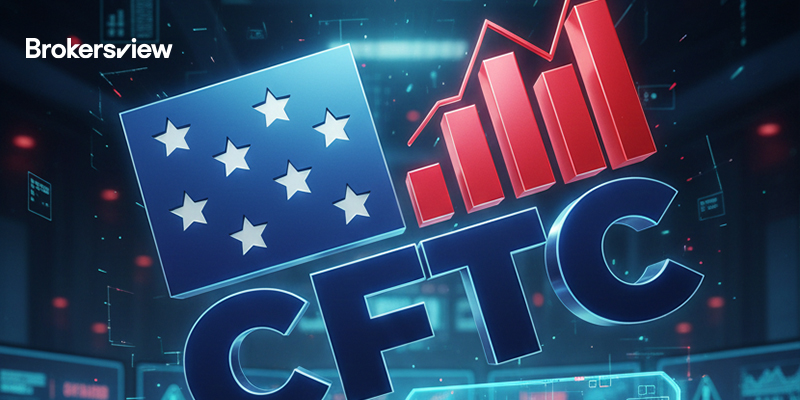
The Commodity Futures Trading Commission (CFTC) announced that a federal court in Oregon has issued a consent order against Robert L. Adams and his company, SimTradePro Incorporated, for fraud involving several commodity pools. The ruling requires restitution of $2,072,986 to victims and permanently bars both defendants from trading or registering with the CFTC.
The court order resolves an enforcement action filed by the agency on September 30, 2024. According to the findings, Adams and SimTradePro solicited more than $2.3 million from over 100 customers—many saving for retirement—by promising to trade leveraged foreign-exchange contracts and leveraged gold and silver products on their behalf.
Investigators determined that Adams misled customers about how he would be compensated, falsely claiming the firm would only earn fees if client accounts were profitable. The court found that losses were concealed and that SimTradePro acted illegally as both a commodity pool operator and commodity trading advisor without proper registration.
The CFTC noted that these findings reflected a pattern of deception that targeted individuals with limited market expertise. In parallel, Adams faced criminal proceedings for the same conduct: he was sentenced in August to two and a half years in prison and ordered to pay restitution in a separate federal case.
CFTC Notes Challenges in Victim Recovery
In announcing the order, the agency cautioned that court-ordered restitution does not guarantee full recovery, as defendants may lack sufficient assets to compensate victims. Despite this limitation, the CFTC emphasized that it will continue pursuing similar cases to protect investors and enforce the Commodity Exchange Act.
The regulator also acknowledged support from the Financial Conduct Authority in the United Kingdom, as well as assistance from authorities in Oregon, Australia and Ireland—underscoring the multi-jurisdictional nature of many commodity-fraud investigations.




Copyright © 2026 FastBull Ltd


Risk Warning
FX trading is of high risk and may not be suitable for all investors. Leverage will create additional risks and loss. Before trading, please carefully consider your investment objectives, experience level and risk tolerance. You may lose part or all of your initial investment; do not invest money that you cannot afford. Educate yourself about the risks associated with FX trading. If you have any questions, please consult an independent financial or tax advisor. Any data and information are provided "as is" and only for information purpose, not for trading or recommendations. Past performance does not predict future results.
Disclaimer
The data contained in this website may not be real-time and accurate. The data and prices on this site are not necessarily provided by the market or exchange, but may be provided by market makers, so prices may be inaccurate and differ from actual market prices. Namely, this price is indicative price only to reflect market trend, and is unfavorable for trading purpose. The provider of the data contained in the Website shall not be liable for any loss incurred by you as a result of your trading activities or reliance on the information contained in the Website.