


Canada’s Record $56M Crypto Seizure Exposes Growing Risks of Unregulated Trading Platforms
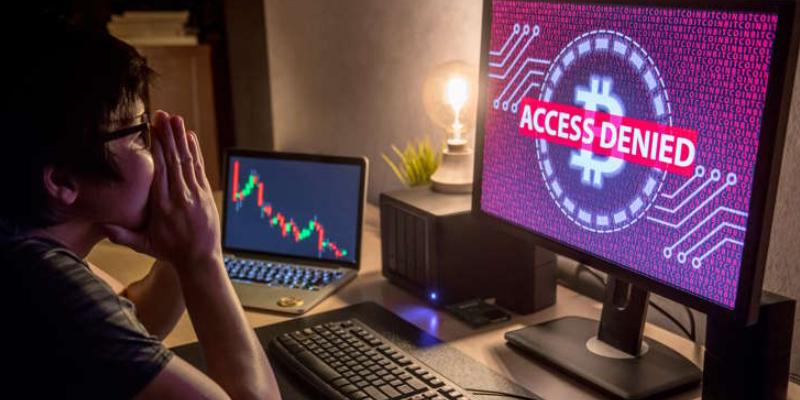
The Royal Canadian Mounted Police (RCMP) has dismantled what is being described as the largest cryptocurrency-related operation in Canadian history, seizing more than $56 million from the exchange platform TradeOgre. The case sheds light on a growing concern within the global trading ecosystem: the risks investors face when using unregulated and opaque platforms that often become havens for fraud, money laundering, and criminal activity.
The investigation, launched in June 2024 after a tip from Europol, revealed that TradeOgre had never registered with the Financial Transactions and Reports Analysis Centre of Canada (FINTRAC), a legal requirement for all money service businesses operating in the country. By bypassing regulatory oversight and failing to conduct basic client identification checks, the platform effectively operated in a shadow economy where illicit funds could circulate freely.
According to RCMP investigators, the majority of transactions carried out on TradeOgre are believed to have originated from criminal sources. The appeal of such platforms lies in their promise of anonymity — accounts can be opened without verifying identity, allowing users to conceal the origin of funds. For organized crime networks and fraudsters, this anonymity represents an effective tool for laundering money under the guise of legitimate trading activity.
The RCMP confirmed that the seizure was executed by taking control of TradeOgre’s electronic infrastructure located in Quebec. A notice has since replaced the platform’s website, informing the public that its cryptoassets are under RCMP control. While no arrests have been announced, authorities indicated that transaction data will be thoroughly analyzed, and criminal charges may follow. Police are also considering asset forfeiture proceedings to formally declare the seized funds as proceeds of crime.
The implications extend well beyond one platform. TradeOgre, which had previously been popular among privacy-focused cryptocurrency users, including traders of Monero, illustrates the hazards that retail investors and traders face when operating outside regulated environments. Although TradeOgre claimed to serve a global market with over 200 supported digital currencies, its lack of compliance created conditions ripe for abuse, leaving unsuspecting users vulnerable.
Financial analysts warn that this case reflects a broader trend. Fraudulent or unregistered exchanges often attract investors with promises of fast execution, low fees, or privacy protections. Yet, these same features frequently conceal illegal schemes ranging from investment fraud to large-scale money laundering. Once authorities intervene, legitimate users can find themselves locked out of their holdings with little recourse, as regulatory protections are absent.
The TradeOgre case offers important lessons for traders, brokers, and investors alike. As cryptocurrency markets continue to mature, compliance with anti-money laundering (AML) and counter-terrorist financing (CTF) regulations is no longer optional but essential. Investors are urged to perform due diligence when choosing platforms, ensuring that exchanges are properly registered, supervised, and transparent about client protections.
For regulators, the case underscores the urgency of cross-border collaboration. Criminal groups are increasingly exploiting jurisdictional loopholes and the speed of digital asset transactions to move illicit funds globally. The partnership between Europol and the RCMP highlights how international cooperation remains critical to safeguarding financial systems from abuse.
As digital asset trading expands, the TradeOgre seizure serves as a stark reminder: the allure of unregulated platforms may come at an irrecoverable cost. For investors and brokers, vigilance, compliance, and a commitment to transparency are the strongest safeguards against becoming entangled in fraud or financial crime.

Hottest


Copyright © 2026 FastBull Ltd


Risk Warning
FX trading is of high risk and may not be suitable for all investors. Leverage will create additional risks and loss. Before trading, please carefully consider your investment objectives, experience level and risk tolerance. You may lose part or all of your initial investment; do not invest money that you cannot afford. Educate yourself about the risks associated with FX trading. If you have any questions, please consult an independent financial or tax advisor. Any data and information are provided "as is" and only for information purpose, not for trading or recommendations. Past performance does not predict future results.
Disclaimer
The data contained in this website may not be real-time and accurate. The data and prices on this site are not necessarily provided by the market or exchange, but may be provided by market makers, so prices may be inaccurate and differ from actual market prices. Namely, this price is indicative price only to reflect market trend, and is unfavorable for trading purpose. The provider of the data contained in the Website shall not be liable for any loss incurred by you as a result of your trading activities or reliance on the information contained in the Website.