


Beyond Execution: WeTrade CEO George Miltiadous on Trust, Technology, and the Future of Trading
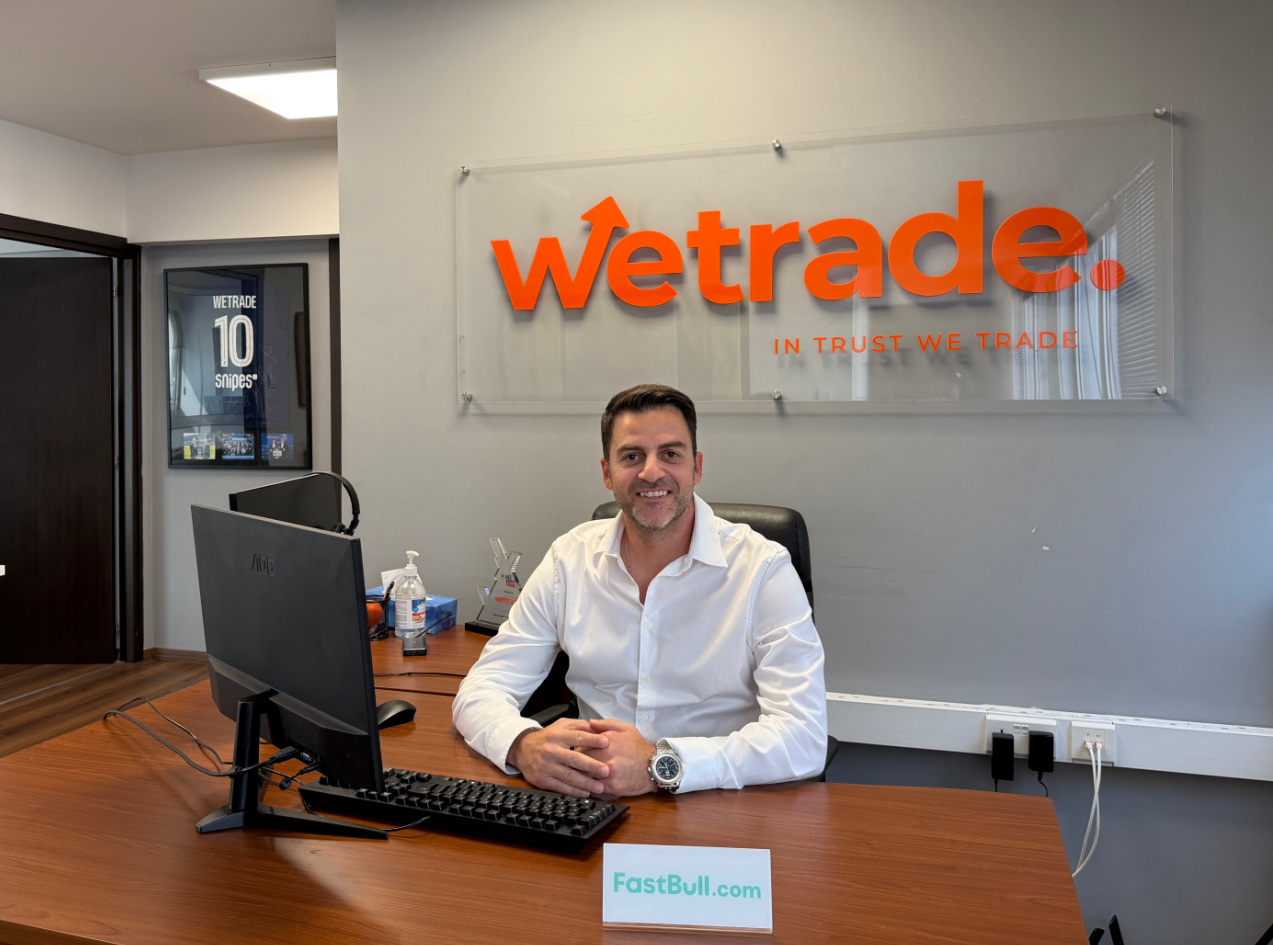
Interview Location:
Cyprus (a key financial hub in the Mediterranean)
Guest:
George Miltiadous, Chief Executive Officer of WeTrade
Interview Focus:
WeTrade’s 11-year global growth journey, explored through international brand strategy, regulatory strength, risk management, and long-term business resilience.
PART 1 |
Opening Focus - Houston Rockets Partnership and Global Brand Credibility
Brokersview:
George, thank you for joining us for this exclusive interview.
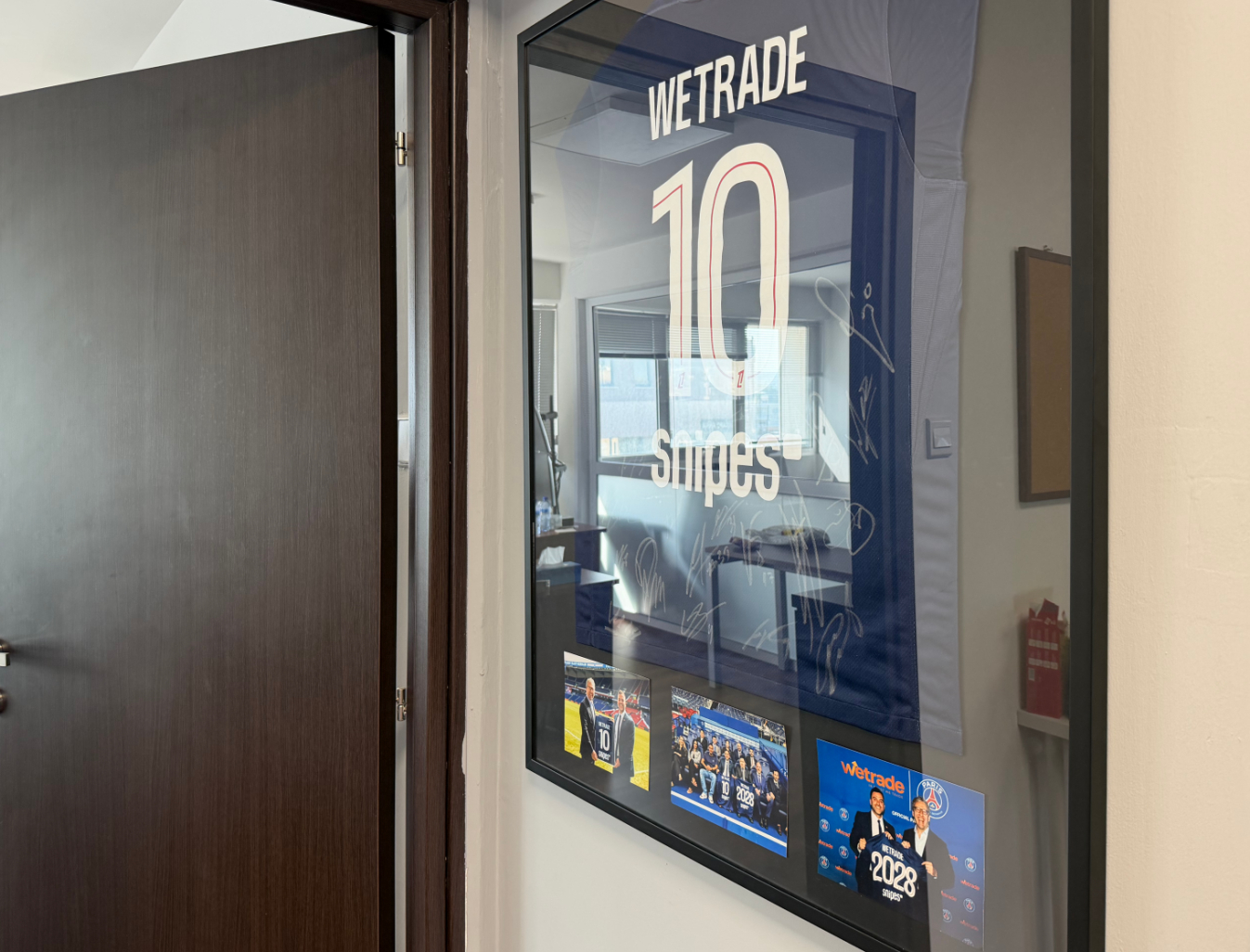
Before we move into the more technical topics, let us begin with one of WeTrade’s most significant recent announcements: the company’s international strategic partnership with the Houston Rockets, one of the most recognised teams in the NBA.
At a time when global scrutiny around sports sponsorships in the financial sector is becoming increasingly strict, many companies are facing higher compliance expectations and more selective partnership requirements. Why did WeTrade choose this moment to enter the North American professional sports ecosystem, where commercial due diligence, financial checks, and brand standards are exceptionally high? What is the deeper strategic thinking behind this international crossover from a global brand perspective?
George:
Partnering with the Houston Rockets during WeTrade’s 11th anniversary year reflects a long-term strategic decision to strengthen our global brand credibility and deepen trust with international audiences.
For us, world-class sports partnerships are never simply about visibility. They are about alignment. Organisations such as the Houston Rockets operate within highly structured commercial environments, with rigorous standards around governance, compliance, financial stability, and brand integrity. Entering this type of ecosystem reflects the level of credibility, transparency, and operational discipline expected of a global financial brand.
Trading and elite sport share a similar foundation. Both require discipline, preparation, risk management, and the ability to make precise decisions under pressure. These are the qualities that define high-performance environments, whether in global markets or on the world’s most competitive sporting stages.
Through partnerships with internationally recognised organisations such as the Houston Rockets and Paris Saint-Germain, WeTrade is able to communicate its values through symbols that are understood across markets and cultures. More importantly, these partnerships support our long-term vision of building a trusted global brand with credibility, relevance, and lasting recognition.
PART 2 |
Regulation, Resilience and Global Infrastructure
Brokersview:
Your partnership with organisations such as the Houston Rockets reflects a level of credibility that can only be achieved through strong governance, compliance, and financial discipline.
That brings us back to Limassol. As regulatory standards continue to tighten across Europe and globally, the retail trading industry is facing increasing scrutiny and a more demanding compliance environment.
As a long-established broker operating under a CySEC-regulated entity, WeTrade has remained resilient throughout this regulatory cycle. With Limassol serving as a strategic hub for your European operations, how does WeTrade leverage its multi-jurisdictional regulatory framework including CySEC, ASIC, FSA and other licences to balance client protection, operational efficiency, and global growth?
George:
Many firms view compliance as a cost of doing business. At WeTrade, we view it as a strategic asset.
Our long-term presence in Cyprus reflects our commitment to operating within one of the world's most established regulatory environments and aligning our infrastructure with high standards of investor protection. It also enables us to maintain strong relationships with leading liquidity providers and support the efficient execution of client transactions across global markets.
Our multi-jurisdictional framework is designed around a simple principle: balancing security, resilience, and operational efficiency. Different entities within the group serve different purposes, allowing us to maintain robust governance standards while supporting the diverse needs of clients across multiple regions.
This approach creates multiple layers of oversight, strengthens risk management, and provides clients with greater confidence that they are trading with an organisation built on transparency, accountability, and long-term stability.
In an industry where trust is critical, regulation is not simply about meeting requirements. It is about creating a framework that protects clients, supports sustainable growth, and reinforces confidence at every level of the business.
PART 3 |
Turning Trust into Measurable Standards
Brokersview:
Since its founding in 2015, WeTrade has consistently positioned itself around the principle of "In Trust We Trade." At the same time, transparency expectations within the financial services industry have never been higher. Clients today increasingly expect clear standards around pricing, execution, dispute resolution, and the safeguarding of funds.
How does WeTrade translate the concept of trust from a brand philosophy into tangible standards and day-to-day client protection measures?
George:
Trust cannot be built through messaging alone. It must be supported by systems, processes, and accountability. At WeTrade, we focus on three fundamental pillars.
First, the protection and segregation of client funds. Client funds are maintained separately from operational funds, while pricing structures, trading costs, and applicable fees are disclosed transparently and can be reviewed by clients at any time.
Second, transparency throughout the trading process. We maintain comprehensive records across key stages of trade execution and operational activity, providing a clear framework for oversight and accountability.
Third, a structured client support and dispute resolution process. Our teams operate around the clock to assist clients, and where concerns arise, dedicated compliance specialists review each case based on established procedures, supporting a fair and transparent resolution process.
For us, transparency is not a regulatory obligation. It is a core business principle and one of the most important foundations of long-term trust.
PART 4 |
Ecosystem Evolution - Moving Beyond Platform Homogeneity
Brokersview:
In 2026, many retail traders are facing a common issue across the industry. Traditional platform competition based only on lower spreads, lower latency, and basic execution metrics is becoming less differentiated. These features remain important, but they are no longer enough to create meaningful client loyalty or a strong platform experience.
WeTrade has spoken about evolving from a traditional trading access provider into a global trading ecosystem provider. How is the company moving beyond this increasingly crowded and homogeneous market?
George:
Today, if a broker still treats millisecond execution as its only core selling point, it is already falling behind the direction of the industry. Strong infrastructure is essential, but it is no longer enough on its own. The next stage of competition is about how effectively a platform can create long-term value throughout the client journey. At WeTrade, our focus is not limited to providing access to the markets. We are building a broader ecosystem around the trading experience.
A key part of this is the WeTrade App, which brings together trading functionality, client engagement, rewards, membership benefits, and digital wallet capabilities within one integrated environment. Through WeTrade Rewards, clients’ trading activity can be converted into accumulated points, which can then be used within the Rewards Mall to redeem selected lifestyle products and other benefits. This is supported by the WeTrade Honours, which offers seven membership benefits, and WeTrade Wallet, which enhances the efficiency of internal fund transfers and account management.
Our objective is to increase the value of the entire client lifecycle, not only the trading transaction itself. In a market where many platforms compete on similar technical features, we believe the future belongs to brokers that can combine technology, service, rewards, community, and long-term client value into one connected ecosystem.
PART 5 |
Technology as the Foundation - Infrastructure, Execution and Capital Efficiency
Brokersview:
You mentioned that technology infrastructure is now the basic requirement for remaining competitive. At the same time, retail traders continue to place significant importance on execution quality, flexible leverage, and competitive spreads.
In practice, delivering these conditions requires strong bridge technology, liquidity integration, and risk management capability. What has WeTrade invested in at the infrastructure level to maintain its technical resilience among leading international brokers?
George:
Competitive spreads and execution quality are not achieved through a single feature. They require sustained investment across infrastructure, liquidity, routing technology, and risk control.
At WeTrade, we allocate a significant portion of our annual revenue to technology development. Our core servers are deployed in leading global financial data centres, including LD4, enabling efficient connectivity to major liquidity providers such as Deutsche Bank, Citibank, J.P. Morgan, and other Tier-1 institutions.
We also work with internationally recognised bridge and routing technology providers, including PrimeXM, Centroid, and Gold-i. These technologies help support intelligent order routing, liquidity aggregation, quote filtering, and efficient trade execution.
This infrastructure allows us to support high-volume trading activity, reduce execution friction, and provide competitive pricing conditions under different market environments. More importantly, it enables us to offer flexible leverage within a controlled risk management framework, helping clients use capital more efficiently while maintaining the operational standards expected of a global trusted broker.
For WeTrade, technology is not only a back-end function. It is the foundation that supports pricing quality, execution stability, client confidence, and the long-term scalability of our global trading ecosystem.
PART 6 |
Navigating Volatility - Liquidity, Resilience and Risk Management in Uncertain Markets
Brokersview:
Looking at global markets today, geopolitical developments, shifting monetary policy, and changing economic conditions continue to create periods of heightened volatility across foreign exchange and commodity markets. During these periods, traders are often most concerned about liquidity conditions, execution quality, and the potential impact of market dislocations.
In an increasingly uncertain environment, how does WeTrade approach liquidity management and operational resilience to support clients through volatile market conditions?
George:
Periods of market stress are often the moments that reveal the true strength of a broker's infrastructure.
When volatility increases significantly, liquidity conditions can change rapidly. During these environments, the quality of a broker's liquidity relationships, execution framework, and risk management systems becomes increasingly important.
One of WeTrade's key strengths is its diversified liquidity architecture. By maintaining relationships with multiple institutional liquidity providers, we are able to access a broad range of pricing sources across different market conditions. This helps support pricing continuity and execution quality, particularly during major economic events and periods of elevated market activity.
In parallel, our routing and execution infrastructure is designed to process orders efficiently while dynamically accessing available liquidity. Combined with ongoing investment in technology and operational resilience, this helps us maintain a stable trading environment during both normal and challenging market conditions.
While no market participant can eliminate volatility, our objective is to provide clients with the infrastructure, liquidity access, and operational stability required to navigate uncertain markets with greater confidence.
PART 7 |
The Rise of Intelligent Trading - Technology, Data and the Future of Market Access
Brokersview:
As financial technology continues to evolve, intelligent trading tools, algorithmic strategies, and automation are becoming increasingly accessible to retail traders. Today's market participants are placing greater emphasis on data accessibility, analytical capabilities, and technology-driven decision-making.
How is WeTrade responding to these changes, and what role do intelligent trading tools play within the company's long-term product strategy?
George:
The growing adoption of automation, data-driven analysis, and intelligent trading tools represents one of the most significant developments in modern financial markets.
We believe the role of a trading platform is evolving beyond market access alone. Traders increasingly expect access to insights, analytics, risk management tools, and technology that helps them make more informed decisions.
To support this shift, WeTrade continues to invest in product development across both its trading infrastructure and client-facing technology. Within the WeTrade App, users can access market insights, trading tools, and educational resources designed to help them better understand market developments and identify opportunities.
We have also continued to enhance our technology framework to support a wide range of trading approaches, including algorithmic and data-driven strategies. For traders who require greater flexibility, our infrastructure supports integration capabilities that enable more advanced trading workflows and customised solutions.
Our objective is not simply to provide technology for its own sake. It is to create an environment where traders have access to the tools, information, and flexibility required to participate more effectively in increasingly sophisticated global markets.
As technology continues to reshape the industry, we remain focused on delivering solutions that combine innovation, accessibility, and practical value for traders at every stage of their journey.
PART 8 |
Global Vision, Local Relevance and Long-Term Responsibility
Brokersview:
Looking ahead over the next three to five years, the financial industry is expected to undergo significant transformation, driven by technological innovation, global connectivity, and the increasing convergence of multiple asset classes.
As a company with a presence across Europe, Asia-Pacific, and other key international markets, WeTrade has expanded beyond traditional brokerage services through initiatives spanning global sports partnerships, motorsport collaborations, and broader brand-building activities.
What are the company's strategic priorities for the years ahead, and what message would you like to share with WeTrade's global clients, partners, and stakeholders?
George:
Over the next three to five years, we believe technology will continue to redefine how traders access markets, manage risk, and make decisions. As the industry evolves, our focus will remain on building a more comprehensive and connected trading ecosystem.
We will continue expanding our product offering across a broader range of asset classes, while investing in the technology, infrastructure, and client experience required to support long-term growth. However, growth alone is not our objective. The principles that guide WeTrade are trust and empathy.
For us, globalisation is not about applying the same approach everywhere. It is about understanding the unique needs of different markets and delivering services that are locally relevant while maintaining global standards. As we continue to grow internationally, we remain committed to providing personalised support, meaningful client engagement, and experiences that reflect the needs of local communities.
Beyond business, we also recognise the responsibility that comes with operating on a global scale. Through our support of organisations such as UNICEF and World Vision, we seek to contribute to initiatives that promote education, opportunity, and support for vulnerable communities. We believe that long-term success should be measured not only by business performance, but also by the positive impact we create.
To our clients and partners around the world, my message is simple: in an industry defined by constant change, the foundations that endure are trust, transparency, resilience, innovation, and responsibility.
These principles have guided WeTrade throughout our journey, and they will continue to guide us as we invest in technology, strengthen our global presence, and work alongside our clients to navigate the future of financial markets.
Hottest


Copyright © 2026 FastBull Ltd


Risk Warning
FX trading is of high risk and may not be suitable for all investors. Leverage will create additional risks and loss. Before trading, please carefully consider your investment objectives, experience level and risk tolerance. You may lose part or all of your initial investment; do not invest money that you cannot afford. Educate yourself about the risks associated with FX trading. If you have any questions, please consult an independent financial or tax advisor. Any data and information are provided "as is" and only for information purpose, not for trading or recommendations. Past performance does not predict future results.
Disclaimer
The data contained in this website may not be real-time and accurate. The data and prices on this site are not necessarily provided by the market or exchange, but may be provided by market makers, so prices may be inaccurate and differ from actual market prices. Namely, this price is indicative price only to reflect market trend, and is unfavorable for trading purpose. The provider of the data contained in the Website shall not be liable for any loss incurred by you as a result of your trading activities or reliance on the information contained in the Website.