


AWS Downtime Sends Ripples Through Major Trading Platforms and Brokerages
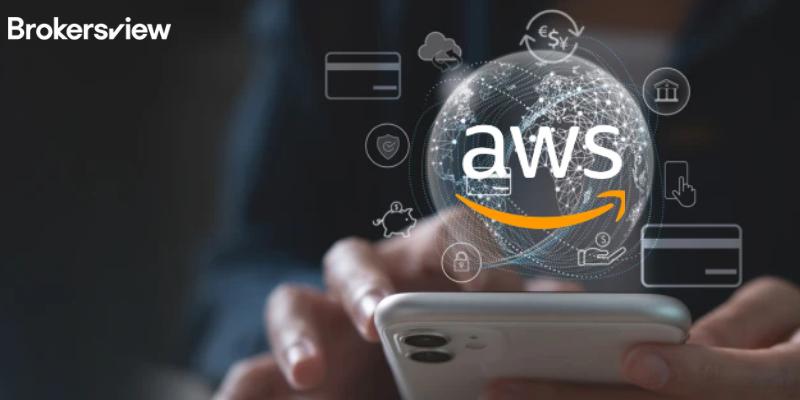
A widespread outage at Amazon Web Services (AWS) earlier this week has underscored the significant operational dependencies of modern trading platforms and brokerages on cloud infrastructure. The disruption, originating from AWS’ US-East-1 region, affected core services such as DynamoDB, causing ripple effects across multiple sectors, with retail and institutional trading operations among the hardest hit.
Platforms such as Robinhood and Coinbase experienced temporary slowdowns, with users unable to execute trades or access account information for several hours. The incident also extended to payment services, brokerage portals, and ancillary trading tools, illustrating how digital infrastructure outages can propagate across interconnected financial ecosystems. Other high-profile platforms, including Venmo, Reddit, and parts of the AWS-backed crypto infrastructure, reported partial service interruptions, further revealing the reliance of financial services on a limited number of cloud providers.
While AWS worked to restore functionality, the event raised questions about business continuity planning within financial institutions. For brokerages and trading houses, the outage highlighted potential operational risks, including transaction delays, liquidity management challenges, and client service disruptions, that may not always be visible to the end-user. Firms reliant on cloud-hosted trading engines or portfolio management systems were forced to navigate a sudden pause in operations, emphasizing the importance of system redundancy, robust failover strategies, and real-time monitoring.
Investors and platform users were indirectly affected as well. Market activity slowed on affected platforms, and delayed access to account information temporarily constrained trading decisions, particularly for high-frequency and retail traders. The incident demonstrates that even technical disruptions can have cascading effects on trading behaviors and risk exposures.
Experts suggest that while the outage was technical rather than malicious, its financial implications cannot be underestimated. The concentrated reliance on a few dominant cloud service providers, including AWS, Microsoft, and Google, creates systemic operational risk that can affect liquidity, trading volume, and the overall stability of brokerage operations. Financial institutions may need to reassess their contingency planning, particularly for client-facing systems and critical transactional infrastructure.
In the wake of the incident, several brokerages have reportedly reviewed their risk frameworks and continuity protocols, emphasizing redundancy in cloud and on-premise solutions. Investors are reminded to maintain awareness of platform stability and potential vulnerabilities, especially when trading during periods of heightened volatility or system maintenance.
The AWS outage serves as a reminder that technology failures, even at the infrastructure level, are increasingly intertwined with financial operations. Brokerages, trading houses, and investors alike must remain vigilant regarding the operational dependencies that underpin modern trading ecosystems.

Hottest



Copyright © 2026 FastBull Ltd


Risk Warning
FX trading is of high risk and may not be suitable for all investors. Leverage will create additional risks and loss. Before trading, please carefully consider your investment objectives, experience level and risk tolerance. You may lose part or all of your initial investment; do not invest money that you cannot afford. Educate yourself about the risks associated with FX trading. If you have any questions, please consult an independent financial or tax advisor. Any data and information are provided "as is" and only for information purpose, not for trading or recommendations. Past performance does not predict future results.
Disclaimer
The data contained in this website may not be real-time and accurate. The data and prices on this site are not necessarily provided by the market or exchange, but may be provided by market makers, so prices may be inaccurate and differ from actual market prices. Namely, this price is indicative price only to reflect market trend, and is unfavorable for trading purpose. The provider of the data contained in the Website shall not be liable for any loss incurred by you as a result of your trading activities or reliance on the information contained in the Website.