- โบรกเกอร์ HOT
- โบรกเกอร์โกง
- BV ประเมิน NEW
- อันดับ
- หน่วยงานควบคุม
- ข่าว
- การเรียกร้อง
- เอ็กซ์โป HOT
- กิจกรรม
- รางวัล


Brent Crude Holds Steady as Markets Assess Supply Outlook
Key Takeaways
-Brent crude stabilised around the $86 area after falling nearly 5% in the previous session as markets reassessed geopolitical risks and supply expectations.
-Easing concerns over a wider US-Iran escalation reduced immediate fears of major supply disruptions, limiting further upside in oil prices.
-Iran denied direct talks with the US, while discussions with Oman continued regarding shipping activity through the Strait of Hormuz.
-OPEC+ production increases and alternative export routes are improving supply expectations and limiting upside potential.
-Markets are watching geopolitical developments, global inventories, OPEC+ decisions and key technical levels for Brent’s next move.

Brent crude stabilised around $86 area after a sharp decline as markets reassessed the balance between geopolitical risks and global supply conditions.
Oil prices had previously gained as concerns increased over potential disruptions in the Middle East, particularly around the Strait of Hormuz, one of the world’s most important energy shipping routes.
US President Donald Trump said Iran had a final opportunity to reach an agreement and expressed confidence that the Strait of Hormuz could reopen soon. However, uncertainty remained over whether diplomatic efforts could lead to a lasting resolution.
The comments reduced some immediate concerns over wider escalation, although markets continued monitoring whether developments could affect global crude flows.
Why Markets Are Watching Brent Crude
Brent crude remains influenced by geopolitical developments, supply expectations and OPEC+ production decisions.
The Strait of Hormuz remains a key market focus, as any disruption to shipping activity could tighten supply expectations and create renewed pressure on oil prices.
Iran later denied direct talks with the US, while discussions with Oman continued regarding shipping conditions through the Strait.
Beyond geopolitical factors, supply-side developments are also shaping Brent’s outlook. Iraq and Turkey extended an oil pipeline agreement, while OPEC+ continues restoring production cuts and gradually bringing additional supply back into the market.
Key Factors Influencing Brent Crude:
-US-Iran Developments: Whether diplomatic progress reduces geopolitical risks or tensions continue affecting oil supply expectations.
-Strait of Hormuz Activity: Whether shipping conditions improve or disruptions create renewed concerns over global crude flows.
-OPEC+ Production Plans: Whether additional output increases add further supply pressure to the market.
-Global Inventories: Whether oil stock levels indicate tightening or improving supply conditions.
-Energy Demand Outlook: Whether global economic conditions support future oil consumption.
Key Trading Levels
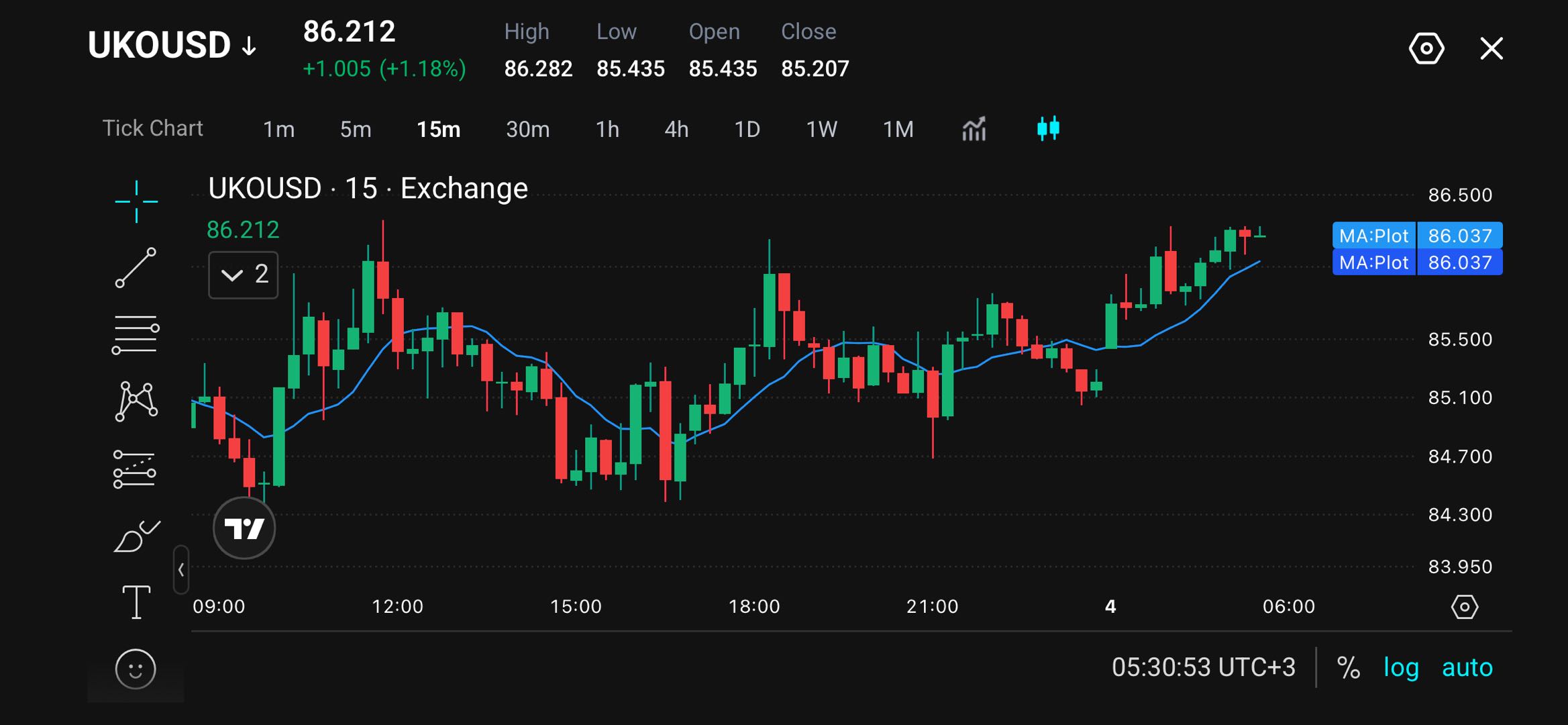
Brent crude is trading around the $86 area after recovering from the recent sell-off.
A move above $86.50 could improve short-term momentum and bring the $88.00 resistance area into focus.
However, a break below $85.00 may increase downside pressure towards $83.50, with further declines exposing the $82.00 support zone.
Bottom Line
Brent crude remains at a key technical point as markets balance geopolitical risks against improving supply expectations.
US-Iran developments, Strait of Hormuz activity and OPEC+ production decisions will likely determine whether the recovery can continue or whether renewed selling pressure emerges.
For a deeper analysis of Brent crude’s technical levels, supply risks and the factors shaping the oil market outlook, read this article.





ลิขสิทธิ์ © 2026 FastBull Ltd


คำเตือนความเสี่ยง
การเทรดฟอเร็กซ์มีความเสี่ยงสูงและอาจไม่เหมาะสำหรับนักลงทุนทั้งหมด เลเวอเรจอาจเป็นการเพิ่มความเสี่ยงและการสูญเสีย ก่อนตัดสินใจซื้อขาฟอเร็กซ์ โปรดพิจารณาวัตถุประสงค์การลงทุน ระดับประสบการณ์ และความเสี่ยงที่ยอมรับได้อย่างรอบคอบ คุณอาจสูญเสียเงินลงทุนเริ่มแรกบางส่วนหรือทั้งหมด อย่าลงทุนด้วยเงินที่คุณไม่พร้อมเสีย ทำความเข้าใจความรู้เกี่ยวกับความเสี่ยงที่เกี่ยวข้องกับการเทรดฟอเร็กซ์ หากคุณมีคำถามเพิ่มเติม โปรดขอคำแนะนำกับที่ปรึกษาทางการเงินหรือที่ปรึกษาภาษี การบริการข้อมูลต่างๆ "ตามสภาพจริง"มีวัตถุประสงค์ในการให้ข้อมูล มิใช่เพื่อการเทรดหรือให้คำแนะนำผลงานในอดีตไม่สามารถทำนายผลในอนาคตได้
ข้อจำกัดความรับผิดชอบ
ข้อมูลที่อยู่ในเว็บไซต์นี้อาจไม่ถูกต้องแบบเรียลไทม์ ข้อมูลและราคาในเว็บไซต์นี้ไม่ได้มาจากตลาดหรือการแลกเปลี่ยน อาจมาจากผู้ดูแลสภาพคล่อง ดังนั้น ราคาอาจไม่ถูกต้องและแตกต่างจากตลาดจริงกล่าวคือราคาเป็นเพียงเครื่องบ่งชี้ซึ่งสะท้อนถึงแนวโน้มของลาด และไม่ควรใช้เพื่อการค้าผู้ให้บริการ โบรกเกอร์ที่ให้ข้อมูลในเว็บไซต์นี้จะไม่รับผิดชอบต่อความสูญเสียใด ๆ ที่คุณอาจได้รับอันเป็นผลมาจากแนวทางการเทรดที่ไม่เหมาะสมหรือการพึ่งพาข้อมูลที่มีอยู่ในเว็บไซต์นี้