


- GBPUSD
- XAUUSD
- XAGUSD
- WTI
- USDX


견적
분석
사용자
7x24
경제 일정
교육
데이터
- 이름
- 최신 값
- 이전






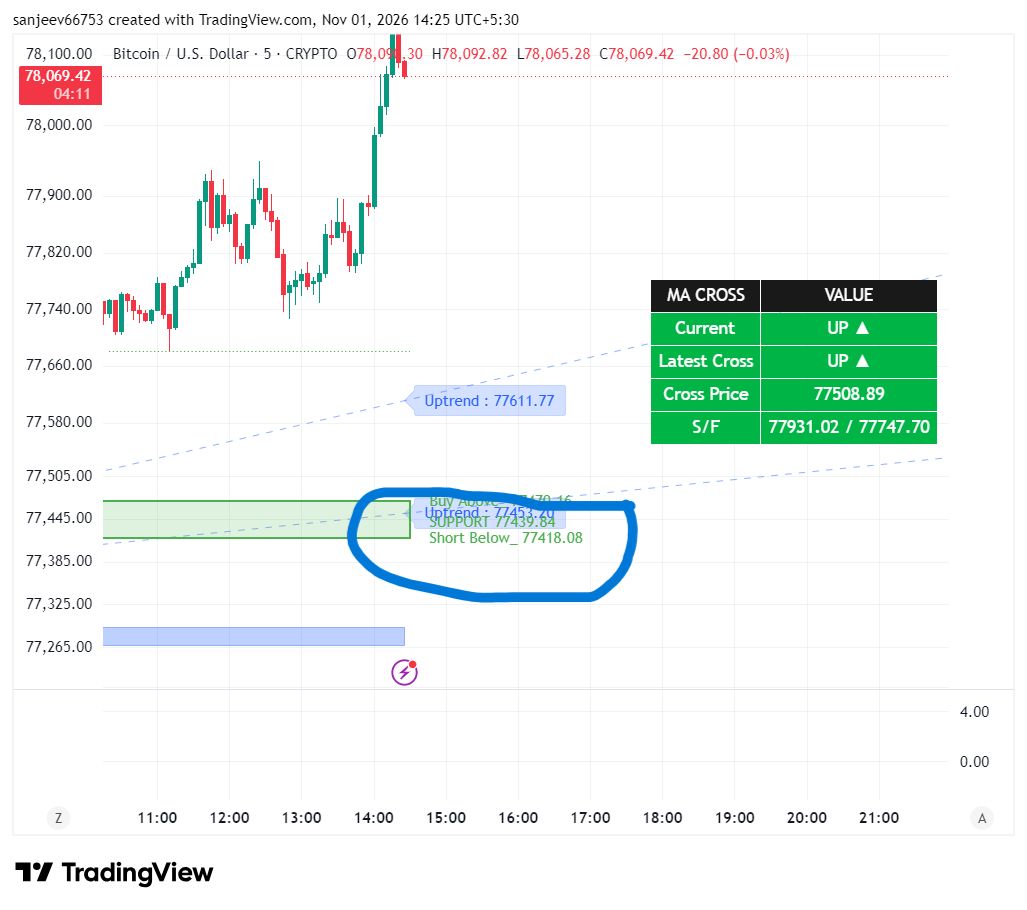
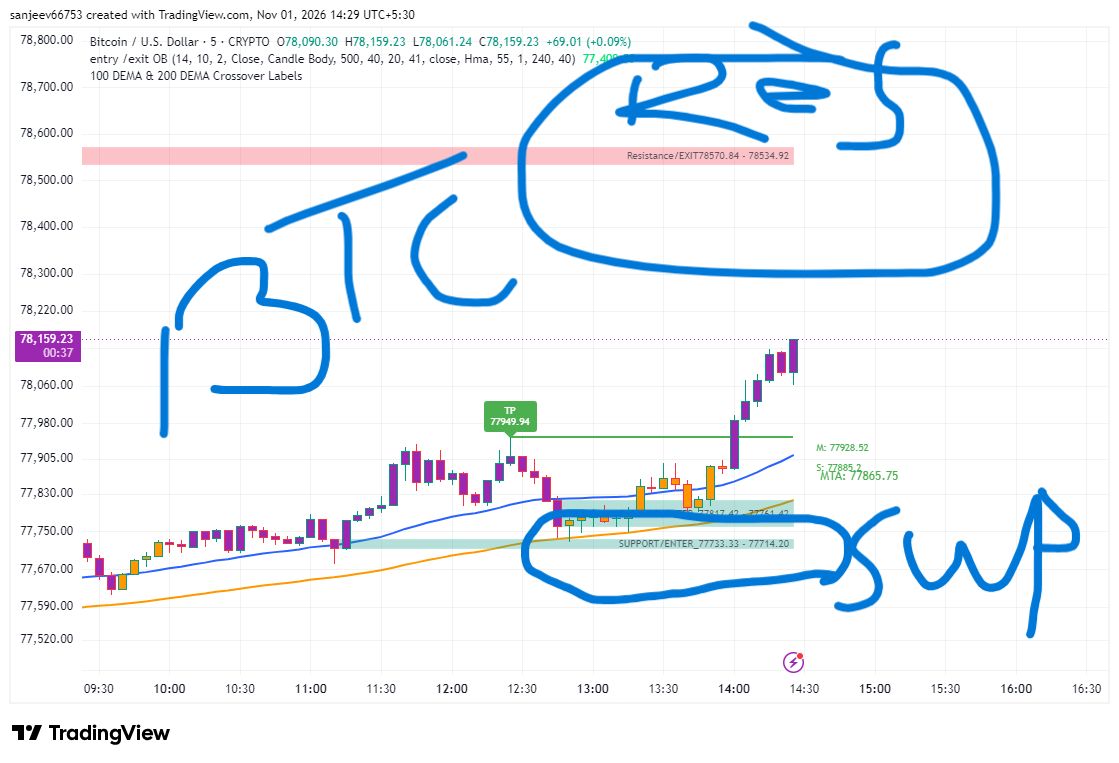



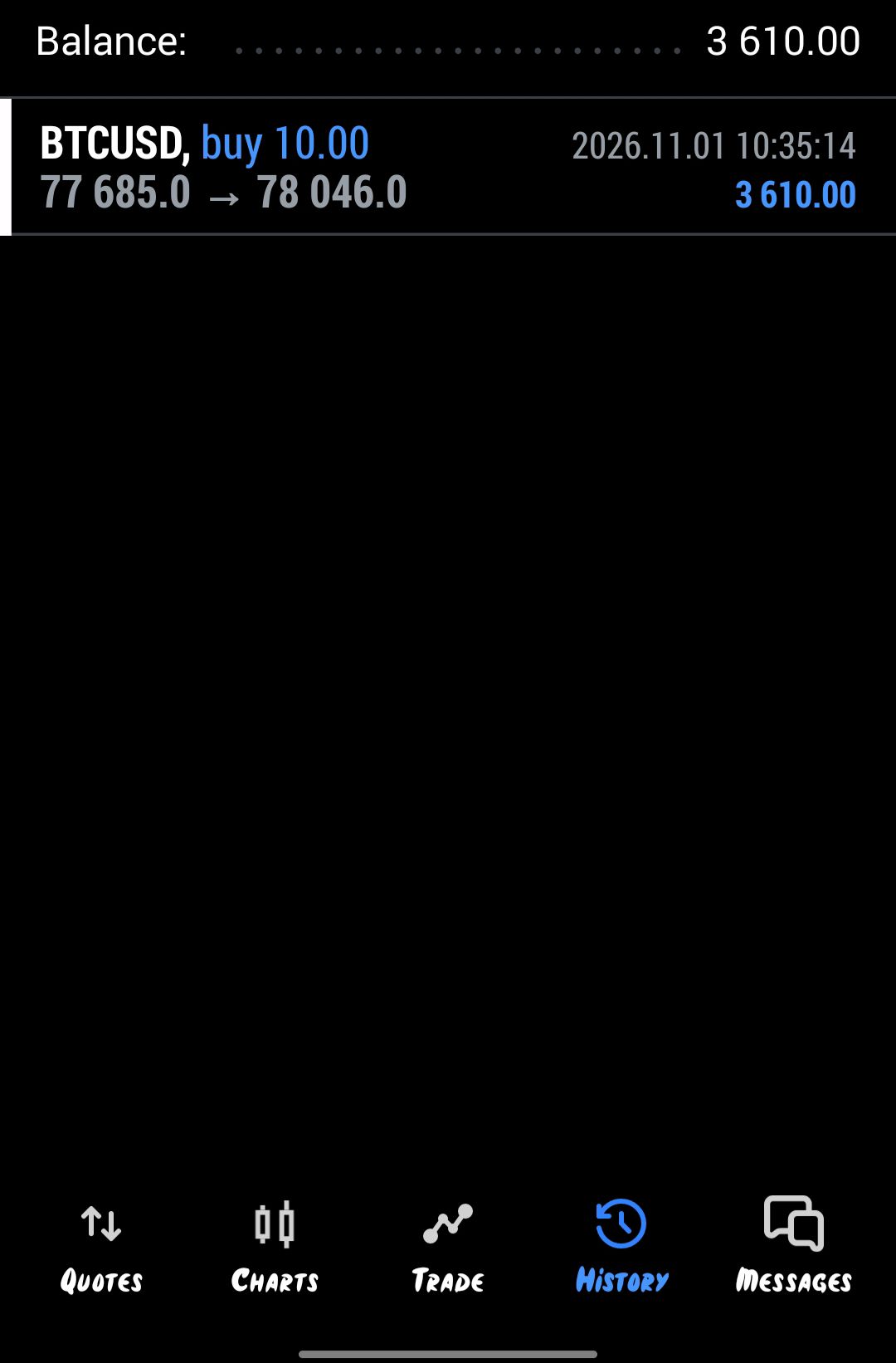
데이 트레이딩이란 무엇일까요? 데이 트레이더들이 돈을 버는 방법, 일반적인 전략, 사례, 위험 요소, 그리고 데이 트레이딩을 시작하는 방법에 대해 알아보세요.
데이 트레이딩이란 하루 동안 금융 자산을 사고파는 것을 말하며, 주로 단기적인 가격 변동을 이용해 수익을 내는 것을 목표로 합니다. 장기 투자와 달리 데이 트레이더는 수년이 아닌 수 분 또는 수 시간 동안 발생하는 상황에 집중합니다. 단기간에 큰 수익을 낼 수 있다는 점이 매력적이지만, 손실 또한 그만큼 빠르게 발생할 수 있습니다.
목차
데이 트레이딩은 거래일 내에 포지션을 개설하고 청산하는 거래 방식입니다. 트레이더들은 일반적으로 포지션을 밤새 보유하는 것을 피함으로써 시장이 닫혀 있는 동안 발생하는 예상치 못한 뉴스나 가격 변동에 대한 노출을 줄입니다.
데이 트레이딩은 주식, 외환, 암호화폐, 선물 및 기타 유동성이 높은 시장에서 흔히 볼 수 있습니다. 기본 개념은 간단합니다. 단기적인 가격 변동 기회를 포착하여 거래에 진입한 후 거래 시간이 끝나기 전에 청산하는 것입니다.
하지만 데이 트레이딩은 단순히 자산을 매수하고 가격 상승을 기대하는 것만이 아닙니다. 시장 상황과 거래 계좌에 따라 트레이더는 가격 하락을 이용해 차익을 얻기 위해 공매도를 할 수도 있습니다.
데이 트레이더는 가격 차트, 거래량, 시장 뉴스 및 기술적 지표를 관찰하여 잠재적인 진입 및 청산 시점을 파악합니다.
예를 들어, 트레이더는 주가가 주요 저항선을 돌파한 후 가격이 계속 상승할 것으로 예상하고 해당 주식을 매수할 수 있습니다. 예상대로 가격이 상승하면 트레이더는 이익을 실현하고 매도합니다. 반대로 가격이 예상과 반대로 움직이면 트레이더는 미리 정해둔 손실액을 지불하고 포지션을 청산할 수 있습니다.
대부분의 데이 트레이더는 다음과 같은 과정을 따릅니다.
목표는 모든 시장 움직임을 예측하는 것이 아닙니다. 잠재적 보상이 위험을 감수할 만한 가치가 있는 기회를 찾는 것입니다.
한 투자자가 주당 50달러에 주식 100주를 매수한다고 가정해 봅시다.
| 거래 상세 정보 | 양 |
|---|---|
| 입장료 | 50달러 |
| 주식 매입 | 100 |
| 총 포지션 가치 | 5,000달러 |
| 출구 가격 | 50.80달러 |
| 총이익 | 80달러 |
| 포지션 가치 수익 | 1.6% |
주가가 50.80달러까지 상승하고 포지션을 청산하면 거래자는 80달러의 총이익을 얻습니다.
하지만 정반대의 상황이 발생할 수도 있습니다. 주가가 49.20달러로 떨어지면 같은 거래로 80달러의 총손실이 발생합니다.
These figures exclude commissions, spreads, slippage, financing charges, and taxes.
Yes, day trading can be profitable, but consistent profitability is difficult.
A trader might make money on several trades and lose those gains in one poorly managed position. Frequent trading also increases transaction costs, while leverage can magnify losses.
Successful trading depends on more than identifying the right direction. Entry timing, position size, risk management, and execution all affect the outcome.
A profitable day is not necessarily evidence of a profitable trading strategy. Results over many trades matter much more.
Day traders use different strategies depending on market conditions, volatility, and their trading experience.
Scalping involves opening and closing trades over very short periods, sometimes within seconds or minutes.
Scalpers target small price movements and may place numerous trades throughout a session. Because each profit target is relatively small, transaction costs and execution speed can significantly affect results.
Momentum traders look for assets experiencing strong price movements, often following earnings announcements, economic reports, or other market news.
The goal is to enter while momentum remains strong and exit before the movement loses strength.
Momentum trading can be particularly risky when prices reverse suddenly.
Breakout traders watch important support and resistance levels.
For example, if a stock repeatedly struggles to move above $100, a trader might consider buying when the price breaks above that level with strong volume.
However, not every breakout continues. False breakouts can quickly turn profitable-looking trades into losses.
Reversal traders attempt to identify when an existing price trend may be ending.
A trader might look for signs that a sharp decline is losing momentum before entering a long position.
This approach requires caution because prices can continue moving against a position longer than expected.
The biggest difference between these approaches is how long positions are held and what drives trading decisions.
| Feature | Day Trading | Swing Trading | Long-Term Investing |
|---|---|---|---|
| Holding period | Minutes to hours | Days to weeks | Months to years |
| Main focus | Intraday price movements | Short-term market trends | Long-term asset value and growth |
| Trading frequency | Usually high | Moderate | Usually low |
| Overnight exposure | Usually avoided | Common | Expected |
| Time commitment | High during active sessions | Moderate | Generally lower |
| Typical analysis | Technical and market activity | Technical and fundamental | Primarily fundamental |
Day trading generally requires more active monitoring than swing trading or long-term investing.
It also involves more frequent decisions, which can increase both transaction costs and the likelihood of emotional mistakes.
Day trading offers flexibility and frequent opportunities, but it carries substantial financial risks.
Prices can move sharply within seconds, particularly during major economic announcements or company earnings releases.
Even a carefully planned trade can lose money when prices move unexpectedly. Stop-loss orders can help manage risk, but they do not guarantee execution at the requested price.
Some day traders borrow money or use leveraged products to increase their market exposure.
Leverage magnifies both profits and losses.
For example, a 2% adverse price movement on a position with five times leverage can produce a loss equivalent to roughly 10% of the trader's initial exposure-backed capital, before costs.
Depending on the product and account structure, losses can exceed the initial amount committed.
Frequent transactions can create substantial costs through spreads, commissions, slippage, and financing fees.
Psychological pressure is another challenge. Traders may chase rising prices, hold losing positions too long, or increase their position sizes after losses in an attempt to recover quickly.
The Financial Industry Regulatory Authority (FINRA) warns that day trading can be extremely risky, particularly for people with limited resources or trading experience.
Getting started requires more than opening a brokerage account. A trading plan and an understanding of the market are equally important.
Start by selecting the market you want to trade.
Stocks, forex, and cryptocurrencies operate differently in terms of trading hours, liquidity, volatility, and regulation.
Choose a broker that offers appropriate market access, transparent fees, reliable execution, and regulatory protections relevant to your jurisdiction.
Day traders commonly use candlestick charts, trading volume, support and resistance levels, moving averages, and the Relative Strength Index (RSI).
These tools can help identify market conditions, but none can consistently predict future prices.
It is also important to understand market orders, limit orders, stop orders, and how slippage affects execution.
A demo account allows traders to practice placing orders without risking real money.
Use it to test a strategy, become familiar with the trading platform, and track results.
Keep in mind that simulated trading may not accurately reproduce real-market execution, costs, or emotional pressure.
Before entering a trade, determine how much you are prepared to lose.
For example, a trader with a $5,000 account who limits planned risk to 1% per trade would set a $50 risk budget.
That does not guarantee a maximum loss of $50. Price gaps, slippage, and unexpected volatility can cause larger losses.
A trading plan should also define position sizes, entry conditions, exit rules, and a daily loss limit.
If you decide to trade with real money, begin with an amount you can afford to lose.
Record each trade, including the reason for entering, the outcome, transaction costs, and whether you followed your plan.
Reviewing results can help identify recurring mistakes and whether a strategy has performed consistently after costs.
There is no universal minimum amount required for day trading. The amount depends on the market, broker, account type, and applicable regulations.
For US stock margin accounts, the pattern day trader (PDT) framework has historically applied when a customer makes four or more day trades within five business days, provided those trades account for more than 6% of total trading activity during that period.
Under the traditional framework, designated pattern day traders generally must maintain at least $25,000 in account equity.
However, US day-trading margin requirements are subject to regulatory changes. Traders should check the latest applicable rules and their broker's requirements before relying on a particular threshold.
The FINRA day trading guidance provides information on regulatory requirements.
It may be possible to place certain trades with $100, depending on the broker, product, and jurisdiction.
However, a small account provides limited flexibility, and trading costs can consume a meaningful portion of potential profits.
Using high leverage to compensate for limited capital can make the account especially vulnerable to rapid losses.
For beginners, practicing with a demo account is generally a more practical starting point than trying to generate meaningful income from a very small balance.
Day trading may appeal to people who enjoy analyzing financial markets, making quick decisions, and actively managing risk.
But it is not an easy alternative to a regular income or a reliable way to build wealth quickly.
Unlike long-term investing, day trading demands frequent attention, disciplined execution, and the ability to accept losses without abandoning a strategy.
For people who cannot monitor markets regularly or tolerate substantial losses, swing trading or diversified long-term investing may be more suitable.
The key question is not whether day trading can make money, but whether the potential returns justify the time, costs, and financial risks involved.
Day trading is not automatically gambling, but trading without a tested strategy or risk controls can resemble gambling. Even disciplined traders face uncertainty and losses.
데이 트레이딩은 미국을 포함한 많은 관할 지역에서 합법이지만, 브로커와 규제 기관은 시장 및 계좌 유형에 따라 특정 요건을 부과할 수 있습니다.
일부 트레이더는 시장 개장 후 처음 한두 시간에 집중하는 반면, 다른 트레이더는 하루 종일 가격을 모니터링합니다. 거래 준비 및 검토에 추가 시간이 소요될 수 있습니다.
단기 매매는 속도, 변동성, 재정적 위험 때문에 초보자에게 일반적으로 어렵습니다. 실전 거래를 고려하기 전에 시장의 기본 원리를 배우고 실제 돈 없이 연습하는 것이 도움이 될 수 있습니다.
일부 경험 많은 트레이더들은 데이 트레이딩을 통해 수익을 창출하지만, 수익은 예측하기 어렵고 손실 또한 상당할 수 있습니다. 검증되고 지속 가능한 실적이 없는 한, 데이 트레이딩을 안정적인 수입원으로 여겨서는 안 됩니다.
데이 트레이딩은 단기적인 가격 변동을 포착하기 위해 하루 안에 금융 자산을 사고파는 거래 방식입니다. 스캘핑, 모멘텀 트레이딩, 돌파 트레이딩과 같은 전략은 시장에 접근하는 다양한 방법을 제공하지만, 손실 가능성을 완전히 배제할 수는 없습니다.
단기매매를 고려하는 사람이라면 누구나 단기적인 수익을 쫓는 것보다 위험을 이해하고, 포지션 규모를 관리하며, 일관된 프로세스를 개발하는 것이 훨씬 중요합니다.
본 글은 교육 목적으로만 작성되었으며 투자 조언을 구성하지 않습니다.

728 RM B 7/F GEE LOK IND BLDG NO 34 HUNG TO RD KWUN TONG KLN HONG KONG


주식, FX, 상품, 선물, 채권, ETF 또는 암호화폐와 같은 금융 자산 거래의 손실 위험은 상당할 수 있습니다. 중개인에게 자금을 예치할 경우, 이 자금이 전부 손실될 수도 있습니다. 따라서 귀하의 상황과 재정 상황에 비추어 그러한 거래가 귀하에게 적합한지 신중하게 고려해야 합니다.
본인 스스로 나름대로 철저히 조사를 하거나 재무 관련 상담가와 상의하지 않고는 이러한 투자는 고려해서는 안됩니다. 이런 절차 없이 투자할 경우, 귀하의 재정 상태와 투자 요구 사항을 알지 못한 상태에서 하는 투자이기 때문에 당사의 웹 콘텐츠는 귀하에게 적합하지 않을 수 있습니다. 당사의 재무 정보가 최신으로 업데이트 되는 데는 지연이 있을 수 있고, 부정확한 내용이 포함될 수도 있으므로 모든 거래 및 투자 결정에 대한 책임은 투자자 본인의 몫입니다. 회사는 귀하의 자본 손실에 대해 책임을 지지 않습니다.
웹사이트의 허가 없이 웹사이트 그래픽, 텍스트 또는 상표를 복사할 수 없습니다. 이 웹사이트에 포함된 콘텐츠 또는 데이터에 대한 지적 재산권은 해당 공급자 및 거래소 판매자에게 있습니다.




