• commercio
  • Quotazioni
  • Copia
  • Concorso
  • 24/7
  • Calendario
  • FAQ
  • Chat
Filtro
SIMBOLO
ULTIMO
OFFERTA
CHIEDERE
ALTO
BASSO
VARIAZIONE NETTA.
%CHG.
SPREAD
FONTE
SPX
S&P 500 Index
7500.57
7500.57
7500.57
7511.07
7468.32
+80.46
+ 1.08%
--
--
DJI
Dow Jones Industrial Average
51564.69
51564.69
51564.69
51949.26
51554.53
+72.15
+ 0.14%
--
--
IXIC
NASDAQ Composite Index
26517.94
26517.94
26517.94
26559.74
26188.69
+496.30
+ 1.91%
--
--
USDX
US Dollar Index
100.680
100.680
100.760
100.870
100.500
+0.090
+ 0.09%
--
--
EURUSD
Euro / US Dollar
1.14444
1.14444
1.14451
1.14653
1.14176
-0.00123
-0.11%
--
--
GBPUSD
Pound Sterling / US Dollar
1.31928
1.31928
1.31937
1.32111
1.31628
-0.00114
-0.09%
--
--
XAUUSD
Gold / US Dollar
4152.91
4152.91
4153.34
4212.98
4121.53
-56.25
-1.34%
--
--
WTI
Light Sweet Crude Oil
76.185
76.185
76.215
76.663
74.888
+0.787
+ 1.04%
--
--

Account Comunità

Conti Segnale
--
Conti Redditizi
--
Conti in Perdita
--
Vedi altro

Diventa un fornitore di segnali

Vendi segnali e ottieni entrate

Vedi altro

Guida al Copy Trading

Inizia con facilità e fiducia

Vedi altro

Account di Segnale per Membri

Tutti gli Account di Segnale

Miglior Rendimento
  • Miglior Rendimento
  • Miglior P/L
  • Miglior MDD
Ultima 1 Settimana
  • Ultima 1 Settimana
  • Ultimo 1 Mese
  • Ultimo 1 Anno

Tutti i Contest

  • Tutto
  • Consiglia
  • Azioni
  • Criptovalute
  • Banche centrali
  • Aggiornamenti su Trump
  • Notizie in evidenza
Vedi solo notizie principali
Condividi

Il capo economista della Banca Centrale Europea, Lane, ha affermato: "Finora si è trattato di uno shock inflazionistico di media entità".

Condividi

Il capo economista della Banca Centrale Europea, Lane: è saggio procedere con cautela sulla questione dei tassi di interesse.

Condividi

Il capo economista della Banca Centrale Europea, Lane: È difficile dire che non dovremmo aumentare i tassi di interesse.

Condividi

Il capo economista della Banca Centrale Europea, Lane: L'economia europea ha dimostrato una notevole resilienza.

Condividi

Il capo economista della Banca Centrale Europea, Lane, ha dichiarato che l'inflazione rimarrà al di sopra del 3% per il resto dell'anno.

Condividi

Secondo la rete di informazione sui terremoti dell'US Geological Survey, il 19 ottobre Petropavlovsk-Kamchatsky, in Russia, è stato colpito da un terremoto di magnitudo 6.6. L'epicentro del terremoto si trovava a una profondità di 10 chilometri.

Condividi

Statoil: Aumento delle forniture di gas naturale all'Europa

Condividi

Il rendimento dei titoli di Stato britannici a 10 anni è aumentato di 5 punti base durante la giornata, superando quota 4,80%.

Condividi

Amministratore delegato di Rosneft: L'azienda è impegnata ad aumentare la produzione di petrolio, l'accordo OPEC+ le consente di incrementarla e tutta la produzione verrà venduta.

Condividi

Il ministro degli Esteri francese Barro: le sanzioni del Consiglio di Sicurezza delle Nazioni Unite contro l'Iran non saranno revocate senza l'approvazione della Francia.

Condividi

In Francia, la variazione trimestrale definitiva dei salari medi mensili non destagionalizzati nel primo trimestre è stata dello 0,7%, in linea con le previsioni e i dati precedenti dello 0,70%.

Condividi

Il ministro degli Esteri francese Barro: Continuo a insistere per una conferenza internazionale al fine di fornire sostegno all'esercito libanese.

Condividi

[40,6% di probabilità di un aumento dei tassi da parte della Fed nella riunione del 29 luglio] Il 19 giugno, secondo CME FedWatch, il mercato sta attualmente prezzando una probabilità del 40,6% che la Fed aumenti i tassi di interesse nella riunione del 29 luglio.

Condividi

Winsch, membro del Consiglio direttivo della BCE: Se i dati non si muovono nella giusta direzione, chiederò un secondo aumento dei tassi a luglio.

Condividi

Winsch, membro del Consiglio direttivo della BCE: Se i dati non sono chiari, non credo ci sia bisogno di agire in fretta.

Condividi

Winsch, membro del Consiglio direttivo della BCE: Se dovessimo osservare un aumento dell'inflazione nel settore dei servizi, potremmo valutare un ulteriore aumento dei tassi di interesse di 25 punti base per garantire la sicurezza.

Condividi

Il rendimento dei titoli di Stato giapponesi a 30 anni è salito di 7,5 punti base, raggiungendo il 3,845%, il livello più alto dall'11 giugno.

Condividi

L'indebitamento netto del settore pubblico del Regno Unito a maggio è stato di 23,294 miliardi di sterline, rispetto a un'aspettativa di 18,5 miliardi di sterline e a una lettura precedente di 24,343 miliardi di sterline.

Condividi

A maggio, l'indice dei prezzi alla produzione (PPI) in Germania è aumentato dello 0,3% su base mensile, un dato inferiore alle previsioni dello 0,70% e al valore precedente dell'1,20%.

Condividi

A maggio, il deficit fiscale del governo del Regno Unito si è attestato a 24,069 miliardi di sterline, mentre la cifra precedente è stata rivista da 9,547 miliardi di sterline a 9,458 miliardi di sterline.

TEMPO
ATTO
FCST
PREC
IMPATTO
UK Voto BOE MPC invariato (Giugno)

A:--

F: --

P: --

GBPUSD
  • GBPUSD
  • XAUUSD
  • XAGUSD
  • WTI
  • USDX
Dichiarazione delle tariffe MPC
Stati Uniti d'America Indice delle attività commerciali della Fed di Filadelfia (SA) (Giugno)

A:--

F: --

P: --

USDX
  • USDX
  • XAUUSD
  • XAGUSD
  • WTI
Stati Uniti d'America Indice sull’occupazione manifatturiera della Fed di Filadelfia (Giugno)

A:--

F: --

P: --

USDX
  • USDX
  • XAUUSD
  • XAGUSD
  • WTI
Canada Indice dei prezzi dei prodotti industriali su base mensile (Maggio)

A:--

F: --

P: --
USDCAD
  • USDCAD
  • XAUUSD
  • XAGUSD
  • WTI
  • USDX
Stati Uniti d'America Richieste di sussidio di disoccupazione iniziali settimanali Avg. media di 4 settimane (SA)

A:--

F: --

P: --
XAUUSD
  • XAUUSD
  • XAGUSD
  • WTI
  • USDX
Stati Uniti d'America Richieste iniziali di disoccupazione settimanali (SA)

A:--

F: --

P: --
XAUUSD
  • XAUUSD
  • XAGUSD
  • WTI
  • USDX
Canada Indice dei prezzi dei prodotti industriali su base annua (Maggio)

A:--

F: --

P: --
USDCAD
  • USDCAD
  • XAUUSD
  • XAGUSD
  • WTI
  • USDX
Stati Uniti d'America Richieste settimanali continue di disoccupazione (SA)

A:--

F: --

P: --
XAUUSD
  • XAUUSD
  • XAGUSD
  • WTI
  • USDX
Stati Uniti d'America Indicatori anticipatori del Conference Board su base mensile (Maggio)

A:--

F: --

P: --
USDX
  • USDX
  • XAUUSD
  • XAGUSD
  • WTI
Stati Uniti d'America Indicatori di sincronizzazione della conference board MoM (Maggio)

A:--

F: --

P: --

USDX
  • USDX
  • XAUUSD
  • XAGUSD
  • WTI
Stati Uniti d'America Indicatori di ritardo del Conference Board MoM (Maggio)

A:--

F: --

P: --

USDX
  • USDX
  • XAUUSD
  • XAGUSD
  • WTI
Stati Uniti d'America Indicatori anticipatori del Conference Board (Maggio)

A:--

F: --

P: --

USDX
  • USDX
  • XAUUSD
  • XAGUSD
  • WTI
Stati Uniti d'America EIA Weekly Natural Gas Stocks Variazione

A:--

F: --

P: --

WTI
  • WTI
  • XAUUSD
  • XAGUSD
  • USDX
Stati Uniti d'America Trivellazione petrolifera totale settimanale

A:--

F: --

P: --

WTI
  • WTI
  • XAUUSD
  • XAGUSD
  • USDX
Stati Uniti d'America Perforazione totale settimanale

A:--

F: --

P: --

WTI
  • WTI
  • XAUUSD
  • XAGUSD
  • USDX
Argentina Bilancia commerciale (Maggio)

A:--

F: --

P: --

XAUUSD
  • XAUUSD
  • XAGUSD
  • WTI
  • USDX
Stati Uniti d'America Detenzione settimanale di titoli del Tesoro da parte delle banche centrali estere

A:--

F: --

P: --

USDX
  • USDX
  • XAUUSD
  • XAGUSD
  • WTI
Corea del Sud PPI MoM (Maggio)

A:--

F: --

P: --
XAUUSD
  • XAUUSD
  • XAGUSD
  • WTI
  • USDX
UK Indice GfK sulla fiducia dei consumatori (Giugno)

A:--

F: --

P: --

GBPUSD
  • GBPUSD
  • XAUUSD
  • XAGUSD
  • WTI
Giappone IPC core nazionale su base annua (Maggio)

A:--

F: --

P: --

USDJPY
  • USDJPY
  • XAUUSD
  • XAGUSD
  • WTI
Giappone IPC nazionale su base mensile (non SA) (Maggio)

A:--

F: --

P: --

USDJPY
  • USDJPY
  • XAUUSD
  • XAGUSD
  • WTI
Giappone IPC nazionale su base annua (Maggio)

A:--

F: --

P: --

USDJPY
  • USDJPY
  • XAUUSD
  • XAGUSD
  • WTI
Giappone MoM nazionale dell’IPC (Maggio)

A:--

F: --

P: --

USDJPY
  • USDJPY
  • XAUUSD
  • XAGUSD
  • WTI
Giappone IPC MoM (Maggio)

A:--

F: --

P: --

USDJPY
  • USDJPY
  • XAUUSD
  • XAGUSD
  • WTI
  • USDX
UK Vendite al dettaglio su base annua (SA) (Maggio)

A:--

F: --

P: --
GBPUSD
  • GBPUSD
  • XAUUSD
  • XAGUSD
  • WTI
  • USDX
Germania PPI MoM (Maggio)

A:--

F: --

P: --

EURUSD
  • EURUSD
  • XAUUSD
  • XAGUSD
  • WTI
  • USDX
Germania PPI su base annua (Maggio)

A:--

F: --

P: --

EURUSD
  • EURUSD
  • XAUUSD
  • XAGUSD
  • WTI
  • USDX
UK Vendite al dettaglio principali su base annua (SA) (Maggio)

A:--

F: --

P: --

GBPUSD
  • GBPUSD
  • XAUUSD
  • XAGUSD
  • WTI
  • USDX
UK Vendite al dettaglio su base mensile (SA) (Maggio)

A:--

F: --

P: --

GBPUSD
  • GBPUSD
  • XAUUSD
  • XAGUSD
  • WTI
  • USDX
Tacchino Utilizzo della capacità (Giugno)

A:--

F: --

P: --

XAUUSD
  • XAUUSD
  • XAGUSD
  • WTI
  • USDX
Russia Tasso chiave

--

F: --

P: --

Canada Vendite al dettaglio principali su base mensile (SA) (Aprile)

--

F: --

P: --

Canada Vendite al dettaglio su base mensile (SA) (Aprile)

--

F: --

P: --

Parla il capo economista della BCE Lane
Argentina Vendite al dettaglio su base annua (Aprile)

--

F: --

P: --

Cina, continente LPR di 1 anno

--

F: --

P: --

Cina, continente LPR quinquennale

--

F: --

P: --

Tacchino Indice di fiducia dei consumatori (Giugno)

--

F: --

P: --

Canada Indice di fiducia economica nazionale

--

F: --

P: --

Canada IPC troncato su base annua (SA) (Maggio)

--

F: --

P: --

Canada IPC core su base annua (Maggio)

--

F: --

P: --

Canada IPC MoM (Maggio)

--

F: --

P: --

Canada IPC su base annua (Maggio)

--

F: --

P: --

Canada IPC core su base mensile (Maggio)

--

F: --

P: --

Argentina Tasso di disoccupazione (Primo trimestre)

--

F: --

P: --

Germania Asta Schatz 2 anni Media Prodotto

--

F: --

P: --

UK Aspettative sui prezzi industriali CBI (Giugno)

--

F: --

P: --

UK CBI Tendenze Industriali - Ordini (Giugno)

--

F: --

P: --

UK Aspettative di produzione industriale della CBI (Giugno)

--

F: --

P: --

Messico Vendite al dettaglio su base mensile (Aprile)

--

F: --

P: --

Messico Indice di attività economica su base annua (Aprile)

--

F: --

P: --

Stati Uniti d'America Redbook settimanale Vendite commerciali al dettaglio su base annua

--

F: --

P: --

Stati Uniti d'America Indice composito manifatturiero della Fed di Richmond (Giugno)

--

F: --

P: --

Stati Uniti d'America Indice dei ricavi dei servizi della Fed di Richmond (Giugno)

--

F: --

P: --

Stati Uniti d'America Indice delle spedizioni manifatturiere della Fed di Richmond (Giugno)

--

F: --

P: --

Stati Uniti d'America Media dell'asta di banconote a 2 anni. Prodotto

--

F: --

P: --

Argentina PIL su base annua (prezzi costanti) (Primo trimestre)

--

F: --

P: --

Stati Uniti d'America Azioni settimanali API Cushing del petrolio greggio

--

F: --

P: --

Stati Uniti d'America Azioni settimanali di petrolio greggio API

--

F: --

P: --

Stati Uniti d'America Titoli settimanali API di petrolio raffinato

--

F: --

P: --

FAQ con gli esperti
    • Tutto
    • Chat
    • Gruppi
    • Amici
    SlowBear ⛅ flag
    Kevedge FX
    buy xauusd
    @Kevedge FXThe sound of the market making a run of top
    Issy Nakam flag
    what im talking about
    EuroTrader flag
    Kevedge FX
    @Kevedge FXIt's been a while I saw those your amazing trade calls you normally send here
    Issy Nakam flag
    Kung Fu flag
    风神1号
    这个时段最少的要到我的4170
    @风神1号Okay, but I'm very likely looking to sell and not to buy for some reason.
    SlowBear ⛅ flag
    Kevedge FX
    @Kevedge FX nice one mate
    SlowBear ⛅ flag
    Issy Nakam
    what im talking about
    @Issy Nakam Did you take the sell o just analysis?
    Kung Fu flag
    Kevedge FX
    buy xauusd
    @Kevedge FXWhat is this sound of D? Is it the sound of music?
    SlowBear ⛅ flag
    Issy Nakam
    @Issy Nakam Oh so you plan you counter the sell on EURUSD
    风神1号 flag
    现在想卖就是等他上来之后再卖 现在你不敢卖你只是买了只有两个选择
    Kung Fu flag
    Issy Nakam
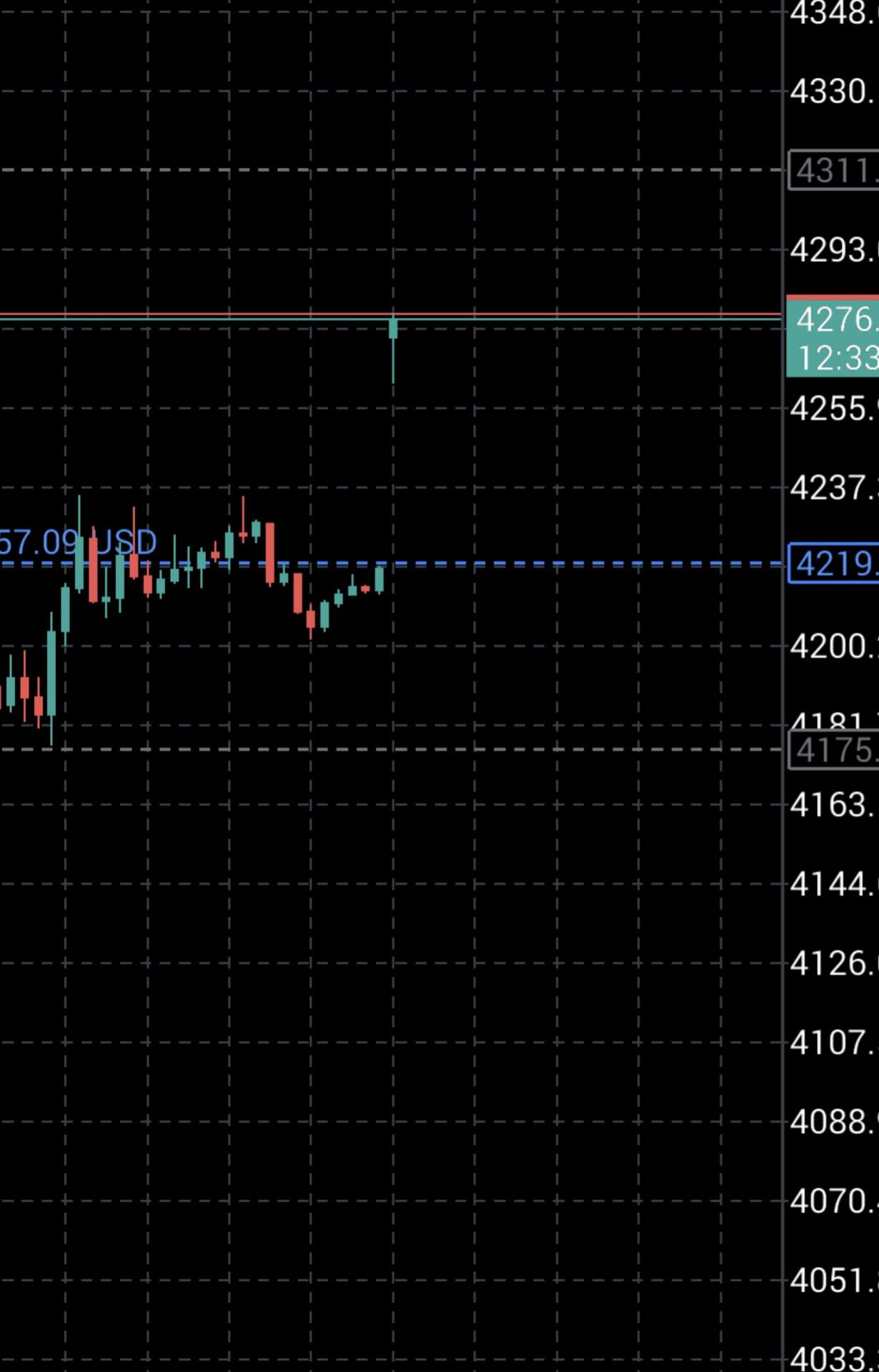
    @Issy NakamWhat does this chart say? What are we looking to do here? Buy or sell. Further sell. Or should we look for a reversal?
    Issy Nakam flag
    SlowBear ⛅
    @Issy Nakam Did you take the sell o just analysis?
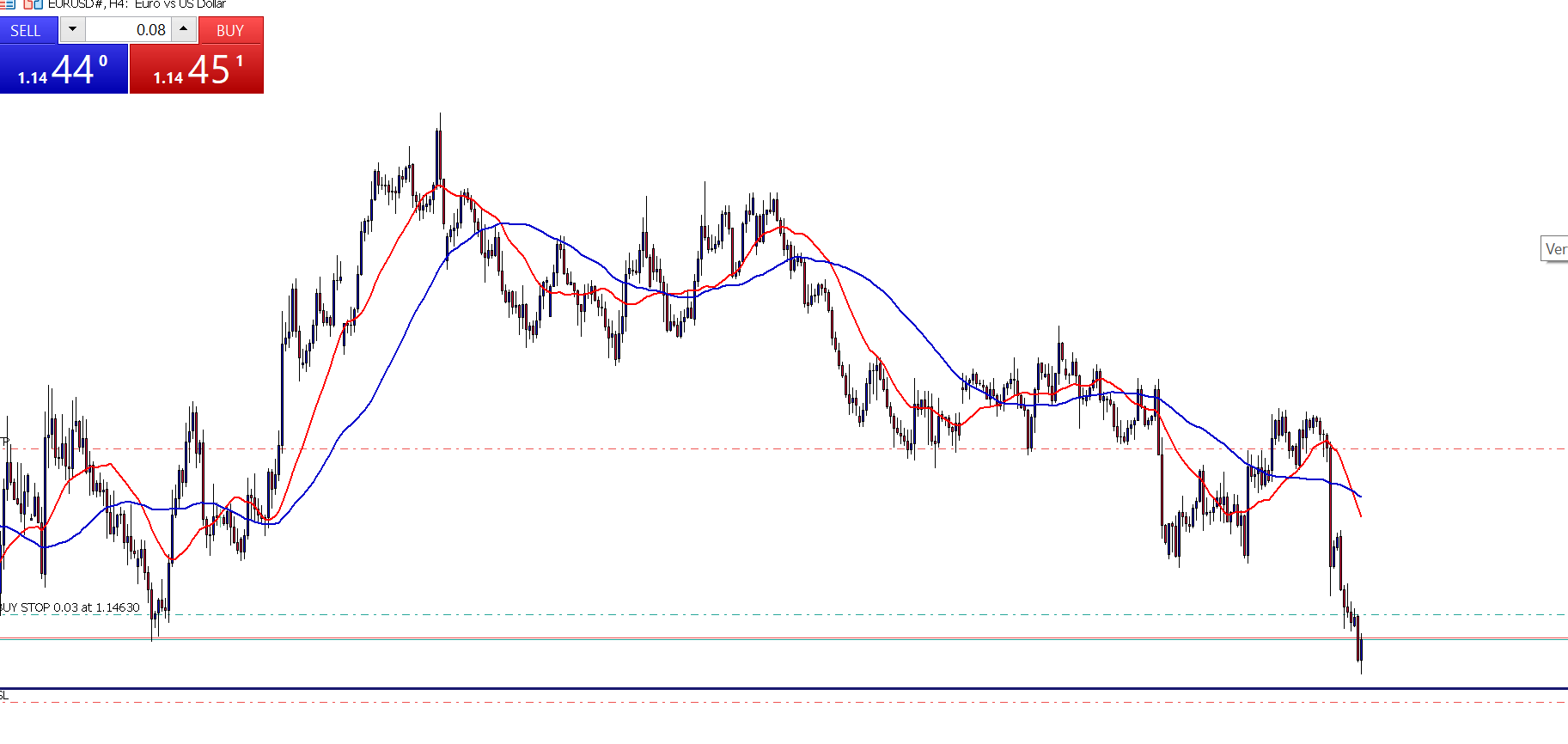
    @SlowBear ⛅ Buy stop on H4 allowing market to play out befor opening of london """ Pending order "" we wait to execute
    Kung Fu flag
    风神1号
    现在想卖就是等他上来之后再卖 现在你不敢卖你只是买了只有两个选择
    @风神1号Yes, I know. I'll allow the price to fly up before I sell. But if I get a confirmation for buy, that is to say, it will continue to buy from the kill zone of this session, then I'll look for a pullback and enter buy.
    风神1号 flag
    想太多都不用做 刚才的机会过了你们没有做到了然后现在做你们又怕
    انا flag
    风神1号 flag
    有时候机会到了就做 不赚钱等第二波
    Kung Fu flag
    风神1号
    想太多都不用做 刚才的机会过了你们没有做到了然后现在做你们又怕
    @风神1号I don't get ruled by fear. I think straight and I think out of the box when I trade. Losses are a part of the game. Well in that particular sell trade, I lost only $80. Remember I mentioned it.
    انا flag
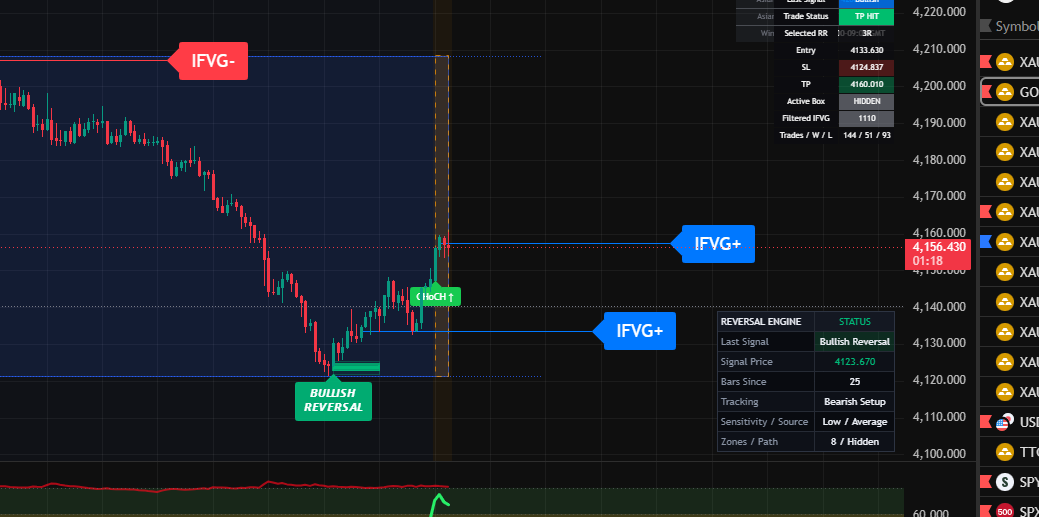
    Entering before the market opens...W.FVG
    SlowBear ⛅ flag
    انا
    @اناOh this was last week hump, the jummp that happened on Monday
    Issy Nakam flag
    Issy Nakam
    @SlowBear ⛅ Buy stop on H4 allowing market to play out befor opening of london """ Pending order "" we wait to execute
    For now im bearish on USDJPY with 0.01 lot , u never nkow what that crazy pair will dicide on today seeng that is friday
    Digitare qui...
    Aggiungi il nome o il codice della risorsa

      Nessun dato corrispondente

      Tutto
      Consiglia
      Azioni
      Criptovalute
      Banche centrali
      Aggiornamenti su Trump
      Notizie in evidenza
      • Tutto
      • Conflitto Russia-Ucraina
      • Punto di Tensione in Medio Oriente
      • Tutto
      • Conflitto Russia-Ucraina
      • Punto di Tensione in Medio Oriente
      Cerca
      Prodotto

      Grafico Gratis per sempre

      Chiacchierata FAQ con gli esperti
      Filtro Calendario economico Dati Strumenti
      FastBull VIP Caratteristiche
      Magazzino dati Tendenza di mercato Dati istituzionali Tassi di riferimento Macro

      Tendenza di mercato

      Sentimento speculativo Libro degli Ordini Correlazione

      Indicatori principali

      Grafico Gratis per sempre
      Mercato

      Notizie

      24/7 Analisi Educazione

      Ultime opinioni

      Ultimi aggiornamenti

      Segnale

      Copia Classifica Segnale dell'AI Diventa un fornitore di segnali Valutazione dell'IA
      Concorso
      Brokers

      Panoramica I broker Valutazione Classifiche Regolatori Notizia Reclami
      Elenco dei Broker Strumento di Comparazione dei Broker Forex Confronto degli Spread in Tempo Reale Truffa
      FAQ Reclamo Video di Avviso di Truffa Consigli per Rilevare Truffe
      Altro

      Attività commerciale
      Attività
      Reclutamento Chi siamo Pubblicità Centro assistenza

      Etichetta bianca

      Broker API

      API dati

      Plug-in Web

      Programma di affiliazione

      Premi Valutazione dell'Istituzione IB Seminar Evento del Salone Esposizione
      Vietnam Tailandia Singapore Dubai
      Incontro dei tifosi Sessione di Condivisione degli Investimenti
      Summit FastBull Expo BrokersView
      Ricerche recenti
        Principali ricerche
          Quotazioni
          Analisi
          Utente
          24/7
          Calendario economico
          Educazione
          Dati
          • Nome
          • Ultimo
          • Prec

          Visualizza tutti i risultati della ricerca

          Nessun dato

          Scansiona e scarica

          Faster Charts, Chat Faster!

          Scaricamento
          Italiano
          • English
          • Español
          • العربية
          • Bahasa Indonesia
          • Bahasa Melayu
          • Tiếng Việt
          • ภาษาไทย
          • Français
          • Italiano
          • Türkçe
          • Русский язык
          • 简中
          • 繁中
          Apri un Conto
          Cerca
          Prodotto
          Grafico Gratis per sempre
          Mercato
          Notizie
          Segnale

          Copia Classifica Segnale dell'AI Diventa un fornitore di segnali Valutazione dell'IA
          Concorso
          Brokers

          Panoramica I broker Valutazione Classifiche Regolatori Notizia Reclami
          Elenco dei Broker Strumento di Comparazione dei Broker Forex Confronto degli Spread in Tempo Reale Truffa
          FAQ Reclamo Video di Avviso di Truffa Consigli per Rilevare Truffe
          Altro

          Attività commerciale
          Attività
          Reclutamento Chi siamo Pubblicità Centro assistenza

          Etichetta bianca

          Broker API

          API dati

          Plug-in Web

          Programma di affiliazione

          Premi Valutazione dell'Istituzione IB Seminar Evento del Salone Esposizione
          Vietnam Tailandia Singapore Dubai
          Incontro dei tifosi Sessione di Condivisione degli Investimenti
          Summit FastBull Expo BrokersView

          Minare Bitcoin in solitaria nel 2025: ROI e quanto è difficile?

          Winkelmann

          Criptovaluta

          Resoconto:

          Il mining di Bitcoin in solitaria nel 2025 è tecnicamente possibile, ma estremamente difficile. Scopri di più su tassi di successo, costi, redditività rispetto al mining in pool e se vale la pena provarci.
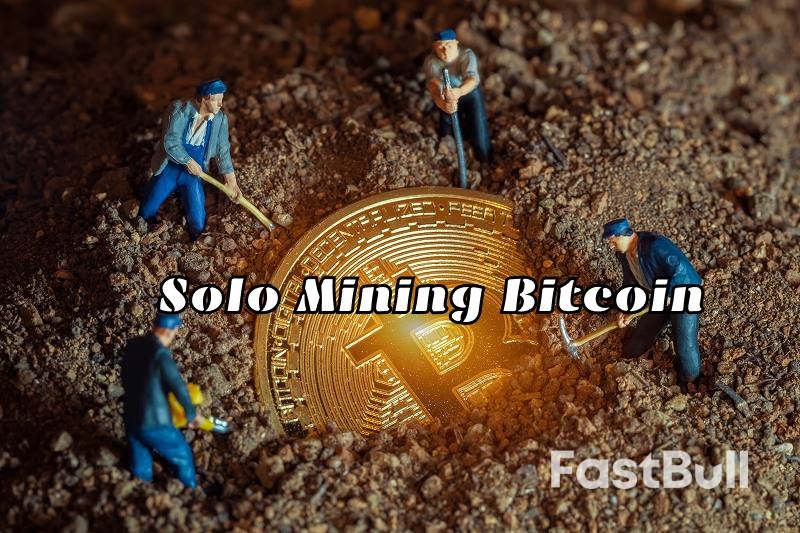
          Mining di Bitcoin in solitaria o in pool: qual è il più redditizio nel 2025?

          Estrarre Bitcoin da soli nel 2025: ROI: quanto è davvero difficile?_1

          Il mining di Bitcoin in solitaria è diventato una pratica sempre più rara, con i mining pool industriali che dominano la rete nel 2025. Eppure alcuni miner continuano a perseguire l'indipendenza e il potenziale di guadagno totale del mining in solitaria. Questa guida spiega come funziona oggi il mining in solitaria, quanto sia diventato difficile e se i singoli individui possono ancora trarne profitto.

          Cos'è il mining di Bitcoin in solitaria?

          Il mining di Bitcoin in solitaria consiste nel tentare di estrarre blocchi Bitcoin in modo indipendente, senza unirsi a un pool di mining. Quando si estrae da soli, si compete direttamente con l'intera rete globale di miner per risolvere complessi enigmi crittografici. Se si trova un blocco, si riceve l'intera ricompensa per il blocco – attualmente 6,25 BTC più le commissioni di transazione – ma si sostengono da soli tutti i costi e i rischi computazionali.

          Come funziona il mining in solitaria

          Il processo di mining di Bitcoin in solitaria segue il meccanismo di consenso proof-of-work di Bitcoin. L'hardware di mining esegue ripetutamente l'hashing dei dati dell'intestazione del blocco, alla ricerca di un valore di hash che soddisfi l'obiettivo di difficoltà della rete. Si tratta essenzialmente di una lotteria computazionale in cui una maggiore potenza di hashing aumenta le probabilità di successo, ma non garantisce nulla.

          Ecco cosa succede durante il mining di bitcoin in solitaria:

          • Il tuo impianto di mining si connette a un nodo completo Bitcoin che gestisci
          • Il nodo fornisce al tuo minatore modelli di blocchi candidati contenenti transazioni non confermate
          • Il tuo minatore ASIC esegue migliaia di miliardi di calcoli hash al secondo, cercando una soluzione valida
          • Se trovi un blocco valido, il tuo nodo lo trasmette alla rete per la verifica
          • Una volta confermato, riceverai l'intera ricompensa in blocchi direttamente sul tuo portafoglio

          A differenza del mining in pool, in cui le ricompense vengono distribuite in base al lavoro svolto, il mining in solitaria funziona su un principio "tutto o niente". Potresti minare per mesi o anni senza trovare un singolo blocco, oppure potresti teoricamente trovarne uno il primo giorno, sebbene quest'ultimo scenario sia incredibilmente improbabile con l'hardware standard.

          Mining in solitaria vs. mining in pool: differenze principali

          Prima di investire risorse in uno dei due approcci è essenziale comprendere le differenze fondamentali tra il mining in solitaria e quello in pool.

          AspettoEstrazione mineraria in solitariaPool Mining
          Distribuzione delle ricompense100% della ricompensa del blocco (6,25 BTC + commissioni) in caso di successoQuota proporzionale basata sull'hashrate contribuito
          Frequenza di pagamentoEstremamente raro, imprevedibile (forse mai)Pagamenti regolari (da giornalieri a settimanali)
          Stabilità del redditoNessun reddito per periodi prolungati, poi un pagamento enormeRendimenti costanti e prevedibili
          Tariffe della piscinaNessuno1-3% dei guadagni
          Requisiti tecniciEsegui il nodo Bitcoin completo, configurazione avanzataSemplice connessione ai server del pool
          Rischio di varianzaProbabilità estremamente elevate, simili a quelle della lotteriaRendimenti bassi e uniformi su molti minatori
          Hashrate minimoRealisticamente 100+ TH/s per qualsiasi ragionevole possibilitàQualsiasi importo accettato (anche un singolo ASIC)

          The economic reality is stark: pool mining provides predictable income that covers electricity costs and generates steady profit, while solo mining bitcoin resembles buying lottery tickets with your electricity bill. Most rational miners choose pools because consistent returns allow for business planning, equipment maintenance, and risk management.

          How Hard Is Solo Bitcoin Mining in 2025?

          The difficulty of solo mining bitcoin has reached unprecedented levels in 2025. To understand just how challenging it has become, we need to examine the current network conditions and calculate your realistic probability of success.

          Current Bitcoin Network Difficulty

          Bitcoin's mining difficulty adjusts every 2,016 blocks (approximately every two weeks) to maintain a consistent 10-minute block time. As of 2025, the network difficulty has increased dramatically compared to Bitcoin's early years, making solo mining exponentially harder than it was even a few years ago.

          Key network statistics that impact solo mining difficulty:

          • Total network hashrate exceeds 600 exahashes per second (EH/s), representing the combined computing power of millions of ASIC miners worldwide
          • Mining difficulty has increased over 100 trillion times since Bitcoin's launch in 2009
          • Industrial mining operations with hundreds of petahashes dominate the network, making individual miners statistically insignificant
          • The average time between blocks remains 10 minutes, but this is distributed across the entire global mining network

          This difficulty level means that even a state-of-the-art ASIC miner running at 100 terahashes per second (TH/s) represents only 0.000017% of the total network hashrate. You're competing against massive mining farms with thousands of machines operating in regions with cheap electricity.

          Your Actual Chances of Mining a Block Solo

          Mathematics reveals the harsh reality of bitcoin solo mining success. Your probability of finding a block depends entirely on your hashrate relative to the total network hashrate.

          Here's the probability calculation for different hardware scenarios:

          Your Hashrate% of NetworkExpected Time to Find 1 BlockProbability per Day
          100 TH/s (1 high-end ASIC)0.000017%~11.4 years0.024%
          500 TH/s (5 ASICs)0.000083%~2.3 years0.12%
          1 PH/s (10 ASICs)0.00017%~14 months0.24%
          10 PH/s (100 ASICs)0.0017%~42 days2.4%
          100 PH/s (1000 ASICs)0.017%~4.2 days24%

          These are expected averages based on probability. The actual time could be much shorter or significantly longer due to the random nature of mining. You might find a block on your first day (probability near zero) or mine for triple the expected time without success—both scenarios have occurred in practice.

          For perspective, if you run a single high-end ASIC costing $3,000-$5,000 with electricity expenses around $150-$300 monthly, you could spend $20,000+ on electricity over the expected 11.4 years before finding your first block. Even if successful, the block reward might not cover your accumulated costs, especially considering hardware depreciation and potential Bitcoin price fluctuations.

          Real Success Stories (and Failures)

          Despite astronomical odds, solo bitcoin mining pool victories do occasionally occur—but context matters enormously when evaluating these rare successes.

          Notable recent success cases include:

          • In January 2024, a solo miner with approximately 120 TH/s successfully mined a block, earning 6.25 BTC plus transaction fees (worth roughly $270,000 at that time). However, this miner had been attempting solo mining for over a year, with electricity costs likely exceeding $15,000 during that period.
          • A small mining operation with around 400 TH/s found a block in mid-2023 after seven months of continuous mining. While profitable on paper, they calculated that pool mining during the same period would have generated nearly the same revenue with zero risk of complete failure.
          • Several hobbyist miners report bitcoin solo mining success after running old S9 ASICs for multiple years—but when accounting for electricity costs and hardware investment, most actually operated at a net loss compared to simply buying Bitcoin directly.

          The failure stories are far more common but rarely discussed:

          • Thousands of miners attempt solo mining annually with modest hashrates (10-100 TH/s) and abandon the effort after 6-12 months of zero returns and mounting electricity bills
          • Several documented cases exist of miners spending $50,000+ on equipment and electricity over 2-3 years without finding a single block
          • The vast majority of solo mining attempts end in financial loss, with miners eventually switching to pools or exiting mining entirely

          Even success stories often reveal that pool mining would have been more profitable when considering risk-adjusted returns. The psychological appeal of potentially winning a full block reward clouds the mathematical reality that consistent pool returns typically generate superior outcomes over time.

          Hardware Requirements for Solo Bitcoin Mining

          Successfully mining bitcoins solo demands significant hardware investment and infrastructure planning. Unlike pool mining where even modest equipment can generate some returns, solo mining requires substantial computational power to have any realistic chance of finding a block within a reasonable timeframe.

          ASIC Miners: What You Need

          Application-Specific Integrated Circuit (ASIC) miners are the only viable hardware for solo bitcoin mining in 2025. Graphics cards (GPUs) and CPUs became obsolete for Bitcoin mining years ago due to efficiency limitations. Modern ASIC miners are purpose-built for the SHA-256 algorithm that Bitcoin uses, delivering hashrates that general-purpose hardware cannot match.

          Current top-tier ASIC miners for solo mining consideration:

          ModelHashratePower ConsumptionEfficiencyApproximate Cost
          Antminer S21200 TH/s3,500W17.5 J/TH$5,000-$7,000
          Whatsminer M60172 TH/s3,344W19.4 J/TH$4,500-$6,500
          Antminer S19 XP140 TH/s3,010W21.5 J/TH$3,500-$5,000
          AvalonMiner 1466150 TH/s3,500W23.3 J/TH$4,000-$5,500

          For solo mining to be remotely feasible, you realistically need at least 500 TH/s to 1 PH/s of total hashrate. This translates to investing in 3-5 high-end ASIC miners, with an initial hardware outlay of $15,000 to $35,000. Even at this investment level, your expected time to find a block remains between 1-3 years under current network conditions.

          Critical factors when selecting ASIC hardware:

          • Energy efficiency matters tremendously for long-term operations—a few joules per terahash difference can mean thousands in annual electricity costs
          • Newer models offer better efficiency but command premium prices, while older models are cheaper but consume more power per hash
          • Consider used ASIC markets cautiously—mining hardware degrades over time, and warranty coverage is often limited or nonexistent
          • Noise levels are substantial (70-90 decibels)—these machines require dedicated space with sound insulation for residential settings
          • Heat generation is massive—each miner produces 3,000-3,500 watts of heat that must be managed through ventilation or cooling systems

          Some miners explore solar powered bitcoin mining to offset electricity costs, though this requires additional investment in solar panels, inverters, and battery storage systems. A typical ASIC drawing 3,500 watts continuously needs approximately 12-15 kilowatts of solar panel capacity (accounting for efficiency losses and nighttime operations), adding $10,000-$20,000 to your initial investment per miner.

          Electricity and Infrastructure Costs

          Electricity represents the ongoing operational expense that determines whether solo bitcoin mining remains financially viable. Unlike the one-time hardware purchase, electricity costs accumulate continuously and often exceed hardware investment over extended mining periods.

          Understanding your electricity costs:

          Hardware SetupTotal Power DrawMonthly kWhCost at $0.10/kWhCost at $0.15/kWh
          1 ASIC (200 TH/s)3,500W2,520 kWh$252$378
          3 ASICs (600 TH/s)10,500W7,560 kWh$756$1,134
          5 ASICs (1 PH/s)17,500W12,600 kWh$1,260$1,890
          10 ASICs (2 PH/s)35,000W25,200 kWh$2,520$3,780

          Beyond electricity, infrastructure requirements add substantial costs:

          • Electrical infrastructure upgrades—residential circuits typically cannot handle multiple ASICs drawing 15-20 amps each; professional electrician services to install 240V circuits and proper breaker capacity can cost $2,000-$5,000
          • Cooling and ventilation systems—industrial fans, ducting, and exhaust systems to prevent overheating, typically adding $1,000-$3,000 depending on space configuration
          • Network infrastructure—stable, high-uptime internet connection and potentially backup connectivity; running a full Bitcoin node requires significant bandwidth and storage
          • Physical space costs—dedicated room or facility with proper ventilation, fire suppression considerations, and security measures
          • Monitoring systems—remote monitoring equipment to track temperatures, hashrates, and downtime alerts, adding $200-$500

          Solar bitcoin mining can reduce operational costs, but requires substantial upfront investment and depends heavily on geographic location. Areas with optimal sun exposure (Southwest United States, parts of Australia, Middle East) provide better ROI for solar installations. However, battery storage systems necessary for 24/7 mining operations significantly increase costs—a battery bank capable of running 5 ASICs overnight might cost $15,000-$30,000 alone.

          Insurance and maintenance represent ongoing expenses often overlooked by new miners. ASIC miners require regular cleaning, fan replacements, and occasional repairs. Budget approximately 5-10% of hardware value annually for maintenance and unexpected component failures.

          Solo Mining Bitcoin: ROI Analysis

          Return on investment calculations for solo bitcoin mining reveal why most rational actors choose pool mining instead. While the potential for a massive one-time payout exists, the mathematical expected value typically favors consistent pool returns when accounting for risk, time value of money, and operational complexities.

          Cost vs Potential Reward

          A comprehensive cost analysis exposes the financial reality of solo mining attempts. Let's examine a realistic scenario with specific numbers to illustrate the economic challenge.

          Example scenario: 1 PH/s solo mining operation (5 high-end ASICs)

          Cost CategoryInitial InvestmentMonthly RecurringAnnual Total
          ASIC Hardware (5 miners)$30,000——
          Infrastructure Setup$5,000——
          Electricity (at $0.12/kWh)—$1,512$18,144
          Internet Maintenance—$150$1,800
          Hardware Depreciation——$7,500
          Total First Year$35,000$1,662$62,444

          Expected outcome analysis:

          • With 1 PH/s, expected time to find one block: approximately 14 months under current network difficulty
          • Block reward if successful: 6.25 BTC + transaction fees (approximately 0.1-0.3 BTC), totaling roughly 6.35-6.55 BTC
          • Bitcoin price assumption: $60,000 per BTC (conservative 2025 estimate)
          • Expected reward value: $381,000-$393,000
          • Total costs over 14 months: approximately $58,317
          • Net profit if successful: $322,683-$334,683

          This appears attractive on paper, but several critical risk factors undermine this optimistic scenario:

          • The 14-month timeframe is an average expectation—actual time could be 3 months or 4 years due to probability variance
          • If you don't find a block within 24 months, you've spent $74,732 with zero return, potentially forcing you to abandon the operation at a total loss
          • Network difficulty continuously increases, reducing your probability over time as more hashrate joins the network
          • Hardware depreciation accelerates—ASICs lose 50-70% of resale value after 12-18 months of operation
          • Bitcoin price volatility creates enormous uncertainty; if BTC drops to $40,000, your expected reward falls to $254,000-$262,000, barely doubling your investment after 14+ months of risk

          The probability distribution matters enormously. You have roughly a 30% chance of finding zero blocks in 20 months, a scenario where you lose your entire $70,000+ investment. Conversely, you have about a 5% chance of finding a block within 2 months, generating exceptional returns. This risk profile resembles venture capital investing or gambling rather than traditional business operations.

          Solo Mining vs Pool Mining Profitability

          Comparing identical hardware operating in solo versus pool mining modes reveals the fundamental economic trade-off between variance and expected value.

          Using the same 1 PH/s setup over 14 months:

          MetricSolo MiningPool Mining
          Expected Blocks Found1 block (average)N/A (proportional shares)
          Expected Revenue$381,000-$393,000$385,000
          Pool Fees$0$7,700 (2%)
          Net Mining Revenue$381,000-$393,000$377,300
          Operating Costs$58,317$58,317
          Net Profit$322,683-$334,683$318,983
          Revenue CertaintyHigh variance (might be $0)99%+ certainty
          Cash FlowZero for months, then lump sumDaily/weekly payouts

          The expected value difference is minimal—solo mining potentially saves 2% in pool fees, translating to roughly $3,700-$15,700 more profit over 14 months. However, this marginal advantage disappears when considering:

          • Risk-adjusted returns heavily favor pool mining—consistent income allows you to cover electricity costs, service debts, and reinvest profits without depending on a single probabilistic event
          • Cash flow management becomes impossible with solo mining; you cannot pay monthly electricity bills with hypothetical future block rewards, potentially forcing you to fund operations from external sources or abandon the effort before success
          • Psychological stress of operating at zero revenue for months or years often leads solo miners to quit prematurely, realizing losses that pool mining would have avoided
          • Pool mining allows scaling flexibility—you can start with one ASIC, verify profitability, and expand gradually; solo mining demands massive upfront commitment to achieve reasonable success probability

          The solo bitcoin mining pool concept has emerged as a middle-ground option, where miners contribute hashrate to a pool that attempts solo mining on behalf of participants. If the pool finds a block, rewards distribute proportionally among contributors. This reduces individual variance while maintaining some solo mining characteristics, though it doesn't eliminate the fundamental probability challenges of competing against the entire network.

          Bitcoin Price Impact on Profitability

          Bitcoin's notorious price volatility introduces another layer of complexity to solo mining ROI calculations. Unlike pool mining where you can sell rewards regularly to lock in prices, solo mining forces you to bet on Bitcoin's value at an unknowable future date when you might find a block.

          Price scenario analysis for 1 PH/s operation finding a block after 14 months:

          BTC Price ScenarioBlock Reward ValueTotal CostsNet Profit/LossROI
          $100,000 (bull case)$635,000$58,317+$576,683989%
          $80,000 (optimistic)$508,000$58,317+$449,683771%
          $60,000 (moderate)$381,000$58,317+$322,683553%
          $40,000 (pessimistic)$254,000$58,317+$195,683336%
          $25,000 (bear market)$158,750$58,317+$100,433172%

          Even in pessimistic price scenarios, finding a block generates positive returns—but this analysis assumes you successfully find a block. The compounding risk involves both probability (might never find a block) and price uncertainty (block might be worth less than expected).

          Additional price-related considerations:

          • If Bitcoin price crashes during your mining period, continuing operations might become unprofitable even if you eventually find a block—$25,000 BTC means each month of operation costs $1,512 while the expected value of your mining drops proportionally
          • Pool miners can implement dollar-cost-averaging strategies by selling portions of daily earnings, reducing exposure to price crashes; solo miners hold all risk until block discovery
          • Rising Bitcoin prices increase mining competition as more hashrate comes online seeking profits, paradoxically reducing your probability of bitcoin solo mining success even as potential rewards increase
          • Market timing becomes critical for solo mining; starting during bear markets when difficulty is lower and prices depressed could yield higher ROI if you find a block during subsequent recovery

          The optimal strategy for most miners involves pool mining to generate steady income while Bitcoin price remains uncertain, then potentially switching to solo mining only if accumulating significant hashrate (10+ PH/s) that makes probability of success reasonable within specific timeframes. Attempting solo mining with modest hashrate essentially converts your mining operation into a speculative bet on both probability and future Bitcoin valuation—a dual-risk proposition that sophisticated investors typically avoid.

          How to Start Solo Mining Bitcoin (Step-by-Step)

          Setting up a solo mining operation requires technical knowledge beyond simply connecting hardware to a pool. You'll need to run your own Bitcoin node, configure mining software, and maintain reliable infrastructure. This section walks through the essential steps for anyone determined to attempt mining bitcoins solo despite the challenging odds.

          Software Setup

          The foundation of any solo mining operation is a fully synchronized Bitcoin Core node. Unlike pool mining where the pool operator manages blockchain data, solo miners must maintain their own complete copy of the Bitcoin blockchain and validate all transactions independently.

          Step-by-step Bitcoin Core installation:

          • Download Bitcoin Core from the official bitcoin.org website—verify the download signature to ensure file authenticity and avoid malware
          • Install Bitcoin Core on a computer with at least 500GB of available storage (the blockchain exceeds 450GB and grows continuously)
          • Allow the initial blockchain synchronization to complete, which typically takes 24-72 hours depending on internet speed and hardware performance
          • Configure your bitcoin.conf file to enable mining functionality by adding the parameters: server=1, rpcuser=yourusername, rpcpassword=yourpassword, and rpcallowip=192.168.1.0/24 (adjust IP range to match your local network)
          • Restart Bitcoin Core to apply configuration changes and verify RPC interface is accessible

          Mining software configuration comes next. Several options exist for solo bitcoin mining, each with different features and compatibility:

          SoftwareBest ForKey FeaturesDifficulty Level
          CGMinerAdvanced usersHighly customizable, supports multiple hardware typesHigh
          BFGMinerASIC minersDynamic clocking, monitoring, remote interfaceHigh
          Braiins OS+Antminer hardwareFirmware replacement with optimization featuresMedium
          Solo CK PoolBeginners wanting solo experienceSimplified solo mining without running full nodeLow

          For true solo mining, CGMiner or BFGMiner connected to your local Bitcoin Core node provides complete control. Configure your mining software with these essential parameters:

          • Point the software to your Bitcoin Core RPC interface (typically localhost:8332)
          • Provide RPC authentication credentials matching your bitcoin.conf configuration
          • Set your Bitcoin wallet address where block rewards will be sent if you successfully mine a block
          • Configure intensity and workload settings appropriate for your ASIC hardware model
          • Enable temperature monitoring and automatic shutdown thresholds to prevent hardware damage

          Alternative approach for those wanting to avoid full node complexity: solo bitcoin mining pool services like Solo CK Pool allow you to attempt solo mining by connecting your hardware to their infrastructure. You maintain the solo mining reward structure (keeping 100% of any block found minus a small fee), but delegate the technical burden of running a node. This reduces setup complexity but introduces minor centralization and trust requirements.

          Connecting Your ASIC Miner

          Once your software infrastructure is ready, connecting ASIC hardware involves both physical setup and network configuration. Modern ASICs include built-in web interfaces that simplify configuration compared to earlier generations of mining hardware.

          Physical connection process:

          • Position your ASIC in a location with adequate ventilation—these devices generate extreme heat and require constant airflow; enclosed spaces without cooling will cause thermal shutdown or hardware damage within minutes
          • Connect the power supply unit (PSU) to your ASIC, ensuring you're using the correct voltage (typically 220V for optimal efficiency) and that your electrical circuit can handle the amperage load
          • Attach an Ethernet cable from your ASIC to your local network router—WiFi is not recommended for mining operations due to stability and latency concerns
          • Power on the device and wait 2-3 minutes for the boot sequence to complete

          Network configuration through ASIC web interface:

          • Locate your ASIC's IP address through your router's device list or use scanning tools like Advanced IP Scanner
          • Access the web interface by entering the IP address in your browser (default credentials are usually admin/admin or root/root—change these immediately for security)
          • Navigate to the mining pool configuration section
          • Enter your Bitcoin Core node address as Pool 1: stratum+tcp://your-node-ip:8332
          • Input your RPC username and password in the worker credentials fields
          • Add backup pools (either other solo options or a traditional pool) to prevent downtime if your primary node experiences issues
          • Save configuration and restart the miner to apply changes

          Verification steps to confirm successful connection:

          • Check the ASIC dashboard for active hashrate—you should see your device reporting its expected TH/s within 5-10 minutes of starting
          • Monitor your Bitcoin Core debug log for incoming share submissions from your miner
          • Verify that all hashing boards are operational—ASICs typically have 3 boards that should all show active temperature and hashrate readings
          • Confirm network latency remains low (under 50ms) to minimize stale shares and maximize efficiency

          Common troubleshooting issues include incorrect RPC credentials, firewall blocking connections between miner and node, or insufficient PSU power delivery causing hashboard failures. Most ASIC manufacturers provide detailed logs through the web interface that help diagnose connectivity problems.

          Monitoring Your Mining Operation

          Continuous monitoring separates successful mining operations from costly failures. Hardware issues, network disruptions, or configuration problems can silently drain electricity for days while generating zero useful work. Implementing robust monitoring systems provides early warning of problems and maximizes your already-slim chances of bitcoin solo mining success.

          Essential metrics to monitor continuously:

          • Hashrate consistency—your reported hashrate should remain within 5% of the ASIC's rated specification; significant drops indicate hardware degradation, overheating, or connectivity issues
          • Temperature readings across all boards—optimal operating temperature ranges from 60-75°C; sustained temperatures above 80°C accelerate hardware failure and may trigger automatic shutdowns
          • Fan speeds and performance—fans should maintain consistent RPMs; declining fan speed often precedes complete failure and potential hardware damage from overheating
          • Network uptime and latency—mining effectiveness depends on constant connectivity to your Bitcoin node; even brief disconnections mean wasted electricity and missed opportunities
          • Bitcoin Core node synchronization—your node must remain fully synchronized with the network; falling behind by even a few blocks means you're mining on outdated data and cannot successfully find valid blocks

          Monitoring tools and platforms:

          ToolTypeKey FeaturesCost
          Awesome MinerSoftware suiteMulti-device monitoring, alerts, remote managementFree (limited) / $200+ (pro)
          Hive OSOperating systemComprehensive dashboard, mobile app, auto-tuningFree (3 devices) / $3/device/month
          MinerStatWeb platformCloud monitoring, profit switching, alerts$2-4/device/month
          Built-in ASIC interfaceHardware nativeBasic stats, logs, configurationFree (included)

          Setting up effective alert systems prevents costly extended downtime:

          • Configure email or SMS notifications for hashrate drops below 90% of expected performance
          • Set temperature alerts at 75°C (warning) and 82°C (critical) thresholds
          • Enable alerts for miner disconnections lasting more than 5 minutes
          • Monitor your Bitcoin wallet address for block reward deposits—the moment you've been waiting months for
          • Track electricity consumption through smart meters or monitoring devices to detect abnormal power usage that might indicate hardware problems

          For operations using solar powered bitcoin mining, additional monitoring becomes essential. Track solar panel output, battery charge levels, and grid consumption to optimize your energy mix. Solar monitoring systems should alert you when battery reserves drop below thresholds needed to maintain 24/7 operation, allowing you to temporarily reduce mining intensity or switch to grid power during extended cloudy periods.

          Regular maintenance schedules complement automated monitoring. Monthly tasks should include physically inspecting your ASICs for dust accumulation, verifying all fans spin freely, checking cable connections remain secure, and reviewing performance trends to identify gradual degradation before catastrophic failure occurs. Quarterly deep cleaning with compressed air prevents dust buildup that reduces cooling efficiency and shortens hardware lifespan.

          Documentation practices help optimize long-term operations. Maintain logs of hashrate performance, downtime incidents, maintenance activities, and electricity costs. This data proves invaluable for calculating actual ROI, identifying patterns in hardware behavior, and making informed decisions about when to upgrade equipment or abandon unprofitable operations.

          FAQs about Solo Mining Bitcoin

          1. Is solo mining Bitcoin possible?

          Yes, solo mining Bitcoin is still possible in 2025, but success chances are extremely low due to the high network difficulty and dominance of industrial-scale miners.

          2. How long does it take to solo mine 1 Bitcoin?

          Con un singolo miner ASIC di fascia alta, potrebbero volerci in media più di 10 anni per trovare un blocco. Anche configurazioni di grandi dimensioni potrebbero attendere mesi o anni senza successo.

          3. Quanto guadagnano i minatori solitari di Bitcoin?

          La maggior parte dei miner solitari non guadagna nulla finché non trovano un blocco completo. In caso di successo, le ricompense possono superare i 300.000 dollari, a seconda del prezzo e delle commissioni di Bitcoin.

          4. Il mining in solitaria è legale?

          Sì, il mining in solitaria è legittimo e si allinea con il design decentralizzato di Bitcoin. Tuttavia, le probabilità di una redditività costante sono molto basse per la maggior parte degli individui.

          Conclusione

          Il mining di Bitcoin in solitaria nel 2025 rimane tecnicamente possibile, ma molto impegnativo. Richiede investimenti significativi, un'alimentazione elettrica costante e la disponibilità ad assumersi rischi a lungo termine per ricompense incerte. Sebbene sia un'opzione interessante per chi apprezza l'indipendenza e la decentralizzazione, la maggior parte dei miner trova il mining in pool un approccio molto più pratico e redditizio.

          Avvertenza sui rischi ed esclusione di responsabilità sugli investimenti
          Comprendi e riconosci che esiste un alto grado di rischio coinvolto nel trading con strategie. Seguire qualsiasi strategia o metodologia di investimento è il potenziale di perdita. Il contenuto del sito viene fornito dai nostri collaboratori e analisti solo a scopo informativo. Tu solo sei l'unico responsabile di determinare se qualsiasi attività di negoziazione, o titolo, o strategia, o qualsiasi altro prodotto è adatto a te in base ai tuoi obiettivi di investimento e alla tua situazione finanziaria.
          Preferiti
          Condividi
          FastBull
          Diritto d'autore © 2026 FastBull Ltd

          728 RM B 7/F GEE LOK IND BLDG NO 34 HUNG TO RD KWUN TONG KLN HONG KONG

          TelegramInstagramTwitterfacebooklinkedin
          App Store Google Play Android Windows
          Prodotto
          Grafico

          Chiacchierata

          FAQ con gli esperti
          Filtro
          Calendario economico
          Dati
          Strumenti
          FastBull VIP
          Caratteristiche
          Funzione
          Quotazioni
          Copy Trading
          Segnale dell'AI
          Concorso
          24/7
          Analisi
          Educazione
          Azienda
          Reclutamento
          Chi siamo
          Contattaci
          Pubblicità
          Scaricamento FastBull
          Centro assistenza
          Feedback
          Accordo per gli utenti
          Politica sulla riservatezza
          Dichiarazione sulla Protezione delle Informazioni Personali di
          Attività commerciale

          Etichetta bianca

          Broker API

          API dati

          Plug-in Web

          Creatore di poster

          Programma di affiliazione

          Informativa sui rischi

          Il trading di strumenti finanziari come azioni, valute, materie prime, futures, obbligazioni, fondi o criptovalute è un'attività ad alto rischio, che include la perdita parziale o totale dell'importo dell'investimento, pertanto il trading non è adatto a tutti gli investitori.

          Quando prendi qualsiasi decisione finanziaria, dovresti condurre la tua due diligence, usare il tuo giudizio e consultare consulenti qualificati. Il contenuto di questo sito Web non è rivolto a te, né prendiamo in considerazione la tua situazione finanziaria o le tue esigenze. Le informazioni contenute in questo sito Web non sono necessariamente fornite in tempo reale, né sono necessariamente accurate. I prezzi forniti su questo sito possono essere forniti dai market maker anziché dalle borse. Qualsiasi decisione commerciale o altra decisione finanziaria presa è di esclusiva responsabilità dell'utente e non è possibile fare affidamento su alcuna informazione fornita tramite il sito Web. Non forniamo alcuna garanzia rispetto a qualsiasi informazione sul sito Web e non siamo responsabili per eventuali perdite commerciali che potrebbero derivare dall'uso di qualsiasi informazione sul sito Web.

          L'uso, la memorizzazione, la riproduzione, la visualizzazione, la modifica, la diffusione o la distribuzione dei dati contenuti in questo sito web sono vietati senza il consenso scritto di questo sito web. I fornitori e gli scambi che forniscono i dati contenuti in questo sito Web mantengono tutti i loro diritti di proprietà intellettuale.

          Accesso non effettuato

          Accedi per accedere a più funzionalità

          Connetti al Broker
          Diventa un fornitore di segnali
          Centro assistenza
          Assistenza clienti
          Modalità scura
          Colori di Salita/Discesa Prezzo

          Login

          Registrati

          Posizione
          Disposizione
          Schermo Intero
          Predefinito su Grafico
          La pagina del grafico si apre per impostazione predefinita quando visiti fastbull.com