• commercio
  • Quotazioni
  • Copia
  • Concorso
  • 24/7
  • Calendario
  • FAQ
  • Chat
Filtro
SIMBOLO
ULTIMO
OFFERTA
CHIEDERE
ALTO
BASSO
VARIAZIONE NETTA.
%CHG.
SPREAD
FONTE
SPX
S&P 500 Index
7592.40
7592.40
7592.40
7652.76
7550.84
-26.98
-0.35%
--
--
DJI
Dow Jones Industrial Average
52297.09
52297.09
52297.09
52751.22
52271.16
-189.40
-0.36%
--
--
IXIC
NASDAQ Composite Index
25366.08
25366.08
25366.08
25597.23
25068.28
-100.10
-0.39%
--
--
USDX
US Dollar Index
103.117
103.117
103.197
103.173
102.940
+0.047
+ 0.05%
--
--
EURUSD
Euro / US Dollar
1.10485
1.10485
1.10493
1.10725
1.10426
-0.00057
-0.05%
--
--
GBPUSD
Pound Sterling / US Dollar
1.32281
1.32281
1.32293
1.32500
1.32177
-0.00066
-0.05%
--
--
XAUUSD
Gold / US Dollar
3889.60
3889.60
3890.01
3922.97
3872.76
+12.51
+ 0.32%
--
--
WTI
Light Sweet Crude Oil
88.328
88.328
88.358
88.402
86.859
+0.583
+ 0.66%
--
--

Account Comunità

Conti Segnale
--
Conti Redditizi
--
Conti in Perdita
--
Vedi altro

Diventa un fornitore di segnali

Vendi segnali e ottieni entrate

Vedi altro

Guida al Copy Trading

Inizia con facilità e fiducia

Vedi altro

Account di Segnale per Membri

Tutti gli Account di Segnale

Miglior Rendimento
  • Miglior Rendimento
  • Miglior P/L
  • Miglior MDD
Ultima 1 Settimana
  • Ultima 1 Settimana
  • Ultimo 1 Mese
  • Ultimo 1 Anno

Tutti i Contest

  • Tutto
  • Consiglia
  • Azioni
  • Criptovalute
  • Banche centrali
  • Aggiornamenti su Trump
  • Notizie in evidenza
Vedi solo notizie principali
Condividi

La Banca Centrale del Cile ha venduto contratti a termine su valute estere per un valore di 75 milioni di dollari, a un tasso di cambio medio di 1.000,51 pesos cileni per dollaro statunitense.

Condividi

Secondo fonti locali, un attacco compiuto da militanti nel Niger occidentale ha causato la morte di almeno 37 civili.

Condividi

Il contratto future sul gasolio più attivo è salito del 3% durante la giornata, attestandosi attualmente a 4236,00 yuan.

Condividi

I futures del gas naturale statunitense sono scesi di oltre il 3%, attestandosi attualmente a 3,632 dollari per milione di unità termiche britanniche (BTU).

Condividi

L'argento spot ha perso oltre l'1% nella giornata, attestandosi attualmente a 49,55 dollari l'oncia.

Condividi

Il presidente della Federal Reserve di Boston, Collins, ha affermato che gli aumenti dei tassi di interesse potrebbero compromettere l'accessibilità economica degli alloggi.

Condividi

Il presidente della Federal Reserve di Boston, Collins, ha affermato che l'aumento della produttività contribuisce a contenere alcune pressioni inflazionistiche.

Condividi

Il presidente della Federal Reserve di Boston, Collins, ha affermato: "Garantire la stabilità dei prezzi è un fattore positivo a lungo termine per il mercato immobiliare".

Condividi

Il governatore della Banca Centrale brasiliana Gallipolo ha dichiarato: Non abbiamo ancora preso in considerazione l'impatto della riforma dell'imposta sui consumi sulle aliquote fiscali.

Condividi

Bank of America Global Research ha incluso nelle sue previsioni un aumento dei tassi di interesse di 25 punti base da parte della Federal Reserve nel gennaio 2027; attualmente prevede aumenti dei tassi anche a dicembre, gennaio e marzo 2026.

Condividi

Secondo quanto riportato, l'esercito israeliano avrebbe condotto un'operazione di demolizione su vasta scala nella città di Khiam e nei pressi di Zautar Gharbiah, nel Libano meridionale.

Condividi

Il cacciatorpediniere della Marina statunitense USS Michael Murphy è rientrato in patria dopo aver completato la sua missione in Medio Oriente.

Condividi

Il principale contratto sull'allumina ha perso il 2,00% durante la giornata, attestandosi attualmente a 2579 yuan/tonnellata.

Condividi

Il presidente della Federal Reserve di Chicago, Goolsby, ha dichiarato: "Attualmente la Fed non è sulla buona strada per raggiungere il suo obiettivo di inflazione del 2% e la banca centrale deve affrontare questo problema; deve assicurarsi che la domanda non si surriscaldi".

Condividi

Il presidente della Federal Reserve di Chicago, Goolsby, ha dichiarato: "Se i dati mostreranno un peggioramento dell'inflazione, la Fed adotterà misure più aggressive".

Condividi

L'oro spot ha perso 20 dollari nel breve termine, annullando tutti i guadagni realizzati dopo la pubblicazione dei dati PPI, e attualmente viene scambiato a 3.874,89 dollari l'oncia.

Condividi

La Banca Centrale Russa ha riferito che, al 1° ottobre, gli investitori stranieri detenevano il 32% dei titoli di Stato russi emessi in Europa.

Condividi

Il direttore generale del Mossad, Goffman, dovrebbe incontrare l'inviato statunitense per il Medio Oriente, Witkov, a Miami.

Condividi

Secondo Axios: il direttore del Mossad, Goffman, incontrerà il direttore della CIA, Ratcliffe, a Washington.

Condividi

Il capo dell'intelligence israeliana è arrivato a Washington mentre Netanyahu faceva pressioni sul presidente americano Trump affinché riprendesse la guerra.

TEMPO
ATTO
FCST
PREC
IMPATTO
Stati Uniti d'America EIA Weekly Gasoline Stocks Variazione

A:--

F: --

P: --

WTI
  • WTI
  • XAUUSD
  • XAGUSD
  • USDX
Stati Uniti d'America Modifiche settimanali delle importazioni di petrolio greggio dell'EIA

A:--

F: --

P: --

WTI
  • WTI
  • XAUUSD
  • XAGUSD
  • USDX
Stati Uniti d'America Variazioni settimanali delle scorte di olio da riscaldamento EIA

A:--

F: --

P: --

WTI
  • WTI
  • XAUUSD
  • XAGUSD
  • USDX
Stati Uniti d'America Asta di obbligazioni a 30 anni Avg. Prodotto

A:--

F: --

P: --

XAUUSD
  • XAUUSD
  • XAGUSD
  • WTI
  • USDX
Stati Uniti d'America Saldo di bilancio (Ottobre)

A:--

F: --

P: --

USDX
  • USDX
  • XAUUSD
  • XAGUSD
  • WTI
Argentina IPC MoM (Ottobre)

A:--

F: --

P: --

XAUUSD
  • XAUUSD
  • XAGUSD
  • WTI
  • USDX
Stati Uniti d'America Detenzione settimanale di titoli del Tesoro da parte delle banche centrali estere

A:--

F: --

P: --

USDX
  • USDX
  • XAUUSD
  • XAGUSD
  • WTI
Il presidente della Federal Reserve di New York, Williams, ha pronunciato un discorso.
Francia MoM finale IAPC (Ottobre)

A:--

F: --

P: --

EURUSD
  • EURUSD
  • XAUUSD
  • XAGUSD
  • WTI
  • USDX
Cina, continente Crescita dei prestiti in essere su base annua (Ottobre)

A:--

F: --

P: --

XAUUSD
  • XAUUSD
  • XAGUSD
  • WTI
  • USDX
Rapporto sul mercato petrolifero dell'AIE
Cina, continente Offerta di moneta M2 su base annua (Ottobre)

A:--

F: --

P: --

XAUUSD
  • XAUUSD
  • XAGUSD
  • WTI
  • USDX
Cina, continente M0 Offerta di moneta su base annua (Ottobre)

A:--

F: --

P: --

XAUUSD
  • XAUUSD
  • XAGUSD
  • WTI
  • USDX
Cina, continente Offerta di moneta M1 su base annua (Ottobre)

A:--

F: --

P: --

XAUUSD
  • XAUUSD
  • XAGUSD
  • WTI
  • USDX
Cina, continente Scala di finanziamento sociale (Ottobre)

A:--

F: --

P: --

XAUUSD
  • XAUUSD
  • XAGUSD
  • WTI
  • USDX
Zona Euro Bilancia commerciale (non SA) (Settembre)

A:--

F: --

P: --
EURUSD
  • EURUSD
  • XAUUSD
  • XAGUSD
  • WTI
  • USDX
Zona Euro Bilancia commerciale (SA) (Settembre)

A:--

F: --

P: --
EURUSD
  • EURUSD
  • XAUUSD
  • XAGUSD
  • WTI
  • USDX
Zona Euro Occupazione su base annua (SA) (Terzo trimestre)

A:--

F: --

P: --

EURUSD
  • EURUSD
  • XAUUSD
  • XAGUSD
  • WTI
  • USDX
Zona Euro PIL rivisto su base annua (Terzo trimestre)

A:--

F: --

P: --

India Deposito su base annua

A:--

F: --

P: --

XAUUSD
  • XAUUSD
  • XAGUSD
  • WTI
  • USDX
Brasile Vendite al dettaglio su base mensile (Settembre)

A:--

F: --

P: --

XAUUSD
  • XAUUSD
  • XAGUSD
  • WTI
  • USDX
Canada Vendite all'ingrosso su base mensile (SA) (Settembre)

A:--

F: --

P: --
USDCAD
  • USDCAD
  • XAUUSD
  • XAGUSD
  • WTI
  • USDX
Canada Vendite all'ingrosso su base annua (Settembre)

A:--

F: --

P: --

USDCAD
  • USDCAD
  • XAUUSD
  • XAGUSD
  • WTI
  • USDX
Canada Ordini di produzione in sospeso su base mensile (Settembre)

A:--

F: --

P: --

USDCAD
  • USDCAD
  • XAUUSD
  • XAGUSD
  • WTI
  • USDX
Canada Produzione Nuovi Ordini su base mensile (Settembre)

A:--

F: --

P: --
USDCAD
  • USDCAD
  • XAUUSD
  • XAGUSD
  • WTI
  • USDX
Stati Uniti d'America PPI MoM (SA) (Ottobre)

A:--

F: --

P: --
USDX
  • USDX
  • XAUUSD
  • XAGUSD
  • WTI
Stati Uniti d'America PPI su base annua (Ottobre)

A:--

F: --

P: --

USDX
  • USDX
  • XAUUSD
  • XAGUSD
  • WTI
Stati Uniti d'America Core PPI MoM (SA) (Ottobre)

A:--

F: --

P: --
USDX
  • USDX
  • XAUUSD
  • XAGUSD
  • WTI
Stati Uniti d'America PPI core su base annua (Ottobre)

A:--

F: --

P: --

USDX
  • USDX
  • XAUUSD
  • XAGUSD
  • WTI
Canada Inventari di produzione su base mensile (Settembre)

A:--

F: --

P: --

USDCAD
  • USDCAD
  • XAUUSD
  • XAGUSD
  • WTI
  • USDX
Canada Inventario all'ingrosso su base mensile (Settembre)

A:--

F: --

P: --

USDCAD
  • USDCAD
  • XAUUSD
  • XAGUSD
  • WTI
  • USDX
Canada Inventario all'ingrosso su base annua (Settembre)

A:--

F: --

P: --

USDCAD
  • USDCAD
  • XAUUSD
  • XAGUSD
  • WTI
  • USDX
Stati Uniti d'America EIA Weekly Natural Gas Stocks Variazione

--

F: --

P: --

Russia IPC su base annua (Ottobre)

--

F: --

P: --

Stati Uniti d'America Perforazione totale settimanale

--

F: --

P: --

Stati Uniti d'America Trivellazione petrolifera totale settimanale

--

F: --

P: --

Arabia Saudita IPC su base annua (Ottobre)

--

F: --

P: --

Giappone PIL reale trimestrale (Terzo trimestre)

--

F: --

P: --

Giappone PIL nominale preliminare trimestrale (Terzo trimestre)

--

F: --

P: --

UK Indice dei prezzi delle case Rightmove su base annua (Novembre)

--

F: --

P: --

Cina, continente Produzione industriale su base annua (YTD) (Ottobre)

--

F: --

P: --

Cina, continente Tasso di disoccupazione nelle aree urbane (Ottobre)

--

F: --

P: --

Giappone MoM finale della produzione industriale (Settembre)

--

F: --

P: --

Giappone Produzione industriale finale su base annua (Settembre)

--

F: --

P: --

Zona Euro Produzione industriale su base annua (Settembre)

--

F: --

P: --

Zona Euro Produzione industriale su base mensile (Settembre)

--

F: --

P: --

Zona Euro Totale attività di riserva (Ottobre)

--

F: --

P: --

Canada Indice di fiducia economica nazionale

--

F: --

P: --

Stati Uniti d'America Indice di acquisizione dei prezzi manifatturieri della Fed di New York (Novembre)

--

F: --

P: --

Stati Uniti d'America Indice dei nuovi ordini manifatturieri della Fed di New York (Novembre)

--

F: --

P: --

Canada IPC core su base annua (Ottobre)

--

F: --

P: --

Canada IPC core su base mensile (Ottobre)

--

F: --

P: --

FAQ con gli esperti
    • Tutto
    • Chat
    • Gruppi
    • Amici
    Capri flag
    Fawad Khan
    @EuroTradercan you tell me data is against USD or in favour of USD?
    @Fawad Khan brother focus market structure
    The Apache flag
    john
    @The Apache what is your plan ? What levels are you watching?
    @johnsilver indeed
    john flag
    Sanjeev Ku
    nhow 3875
    @Sanjeev Kulooking at the current H4 gold seems poised for a further move lower
    john flag
    @The Apache But again it's Friday so let's proceed carefully whatsoever
    john flag
    The Apache
    @johnsilver indeed
    @The Apache So how are you positioned in silver at the moment
    "The Apache " ha ricordato un messaggio
    The Apache flag
    bearish
    The Apache flag
    john
    @The Apache So how are you positioned in silver at the moment
    @johnselling
    Sanjeev Ku flag
    john
    @Sanjeev Kulooking at the current H4 gold seems poised for a further move lower
    @john yeh bro. on days like today. place strict and non neogiable sl and ride the trade with some tgt in mind. by non negotiable i mean to say that no change in sl. some changes sl when price approaching there sl no. if hits ok tata bye bye thank you. see you later. see you later not to sl but instrument haha
    Osaghae Cephas flag
    Sanjeev Ku
    @john yeh bro. on days like today. place strict and non neogiable sl and ride the trade with some tgt in mind. by non negotiable i mean to say that no change in sl. some changes sl when price approaching there sl no. if hits ok tata bye bye thank you. see you later. see you later not to sl but instrument haha
    @Sanjeev Ku😂😖 what are u saying mate..
    EuroTrader flag
    Fawad Khan
    @EuroTradercan you tell me data is against USD or in favour of USD?
    @Fawad Khan data is definitely not good for the United States dollar. Dollar should be weak going forward
    EuroTrader flag
    EuroTrader flag
    Oscar
    @EuroTraderbro do you have another pair you can recommend to me
    @OscarThrse pairs I shared are the ones I trade asides Bitcoin and eth and Eurusd . You can trade Nasdaq and us500but they are not high probability to me
    Osaghae Cephas flag
    Sanjeev Ku
    @john yeh bro. on days like today. place strict and non neogiable sl and ride the trade with some tgt in mind. by non negotiable i mean to say that no change in sl. some changes sl when price approaching there sl no. if hits ok tata bye bye thank you. see you later. see you later not to sl but instrument haha
    @Sanjeev Kuwill the trend continue lover... or it will keep buying before going lower lemme know so I could close or can
    Osaghae Cephas flag
    EuroTrader flag
    EuroTrader
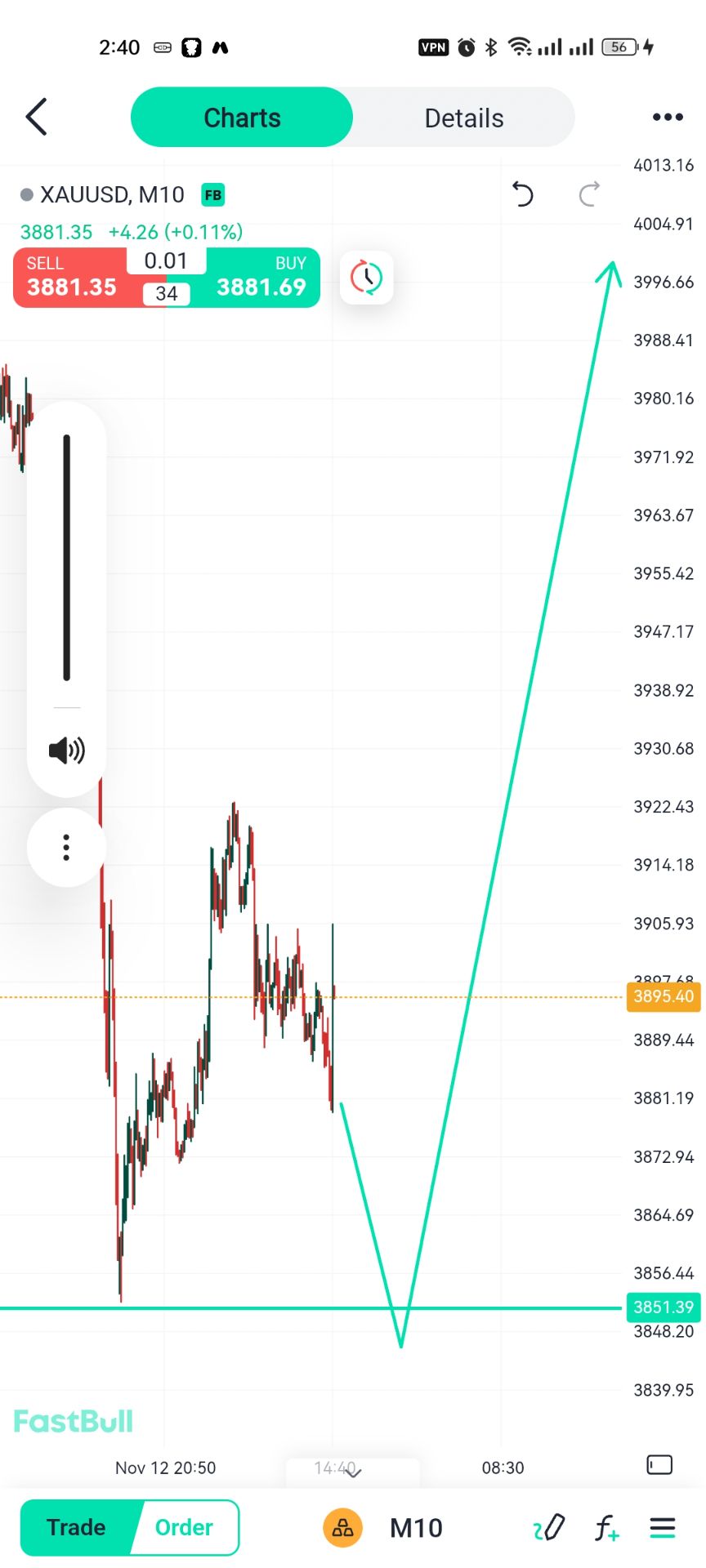
    This is the plan for the shiny metal called gold,it's gonna drop them continue higher @The Apache @Matthew
    EuroTrader flag
    Osaghae Cephas
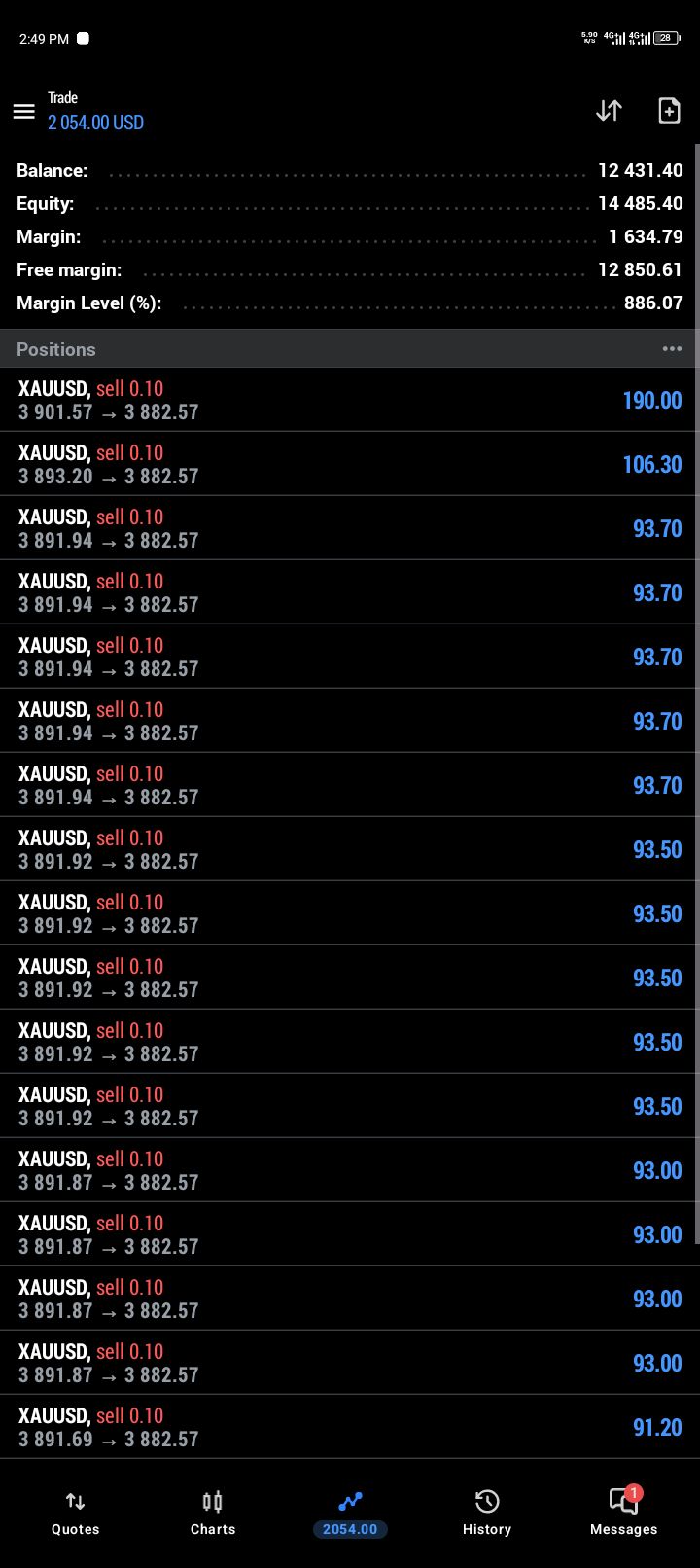
    @Osaghae CephasAm proud of you my brother. You made the call and you put a skin in the game on the call
    Osaghae Cephas flag
    EuroTrader
    @OscarThrse pairs I shared are the ones I trade asides Bitcoin and eth and Eurusd . You can trade Nasdaq and us500but they are not high probability to me
    @EuroTraderwhy is it that the call I'll will give that will make u some bucks u won't take it but the one that might give you losses you'll take it💔💔😂 what's the logic behind it? is it the universe or something🤦
    Osaghae Cephas flag
    EuroTrader
    @Osaghae CephasAm proud of you my brother. You made the call and you put a skin in the game on the call
    @EuroTraderof course
    EuroTrader flag
    Matthew
    @EuroTraderBitcoin è in rialzo?
    @Matthewhow are you doing brother. Bitcoin has some inclination to head to the upside do I'll just wait patiently to see if my king entry is verified
    Digitare qui...
    Aggiungi il nome o il codice della risorsa

      Nessun dato corrispondente

      Tutto
      Consiglia
      Azioni
      Criptovalute
      Banche centrali
      Aggiornamenti su Trump
      Notizie in evidenza
      • Tutto
      • Conflitto Russia-Ucraina
      • Punto di Tensione in Medio Oriente
      • Tutto
      • Conflitto Russia-Ucraina
      • Punto di Tensione in Medio Oriente
      Cerca
      Prodotto

      Grafico Gratis per sempre

      Chiacchierata FAQ con gli esperti
      Filtro Calendario economico Dati Strumenti
      FastBull VIP Caratteristiche
      Magazzino dati Tendenza di mercato Dati istituzionali Tassi di riferimento Macro

      Tendenza di mercato

      Sentimento speculativo Libro degli Ordini Correlazione

      Indicatori principali

      Grafico Gratis per sempre
      Mercato

      Notizie

      24/7 Analisi Educazione

      Ultime opinioni

      Ultimi aggiornamenti

      Segnale

      Copia Classifica Segnale dell'AI Diventa un fornitore di segnali Valutazione dell'IA
      Concorso
      Brokers

      Panoramica I broker Valutazione Classifiche Regolatori Notizia Reclami
      Elenco dei Broker Strumento di Comparazione dei Broker Forex Confronto degli Spread in Tempo Reale Truffa
      FAQ Reclamo Video di Avviso di Truffa Consigli per Rilevare Truffe
      Altro

      Attività commerciale
      Attività
      Reclutamento Chi siamo Pubblicità Centro assistenza

      Etichetta bianca

      Broker API

      API dati

      Plug-in Web

      Programma di affiliazione

      Premi Valutazione dell'Istituzione IB Seminar Evento del Salone Esposizione
      Vietnam Tailandia Singapore Dubai
      Incontro dei tifosi Sessione di Condivisione degli Investimenti
      Summit FastBull Expo BrokersView
      Ricerche recenti
        Principali ricerche
          Quotazioni
          Analisi
          Utente
          24/7
          Calendario economico
          Educazione
          Dati
          • Nome
          • Ultimo
          • Prec

          Visualizza tutti i risultati della ricerca

          Nessun dato

          Scansiona e scarica

          Faster Charts, Chat Faster!

          Scaricamento
          Italiano
          • English
          • Español
          • العربية
          • Bahasa Indonesia
          • Bahasa Melayu
          • Tiếng Việt
          • ภาษาไทย
          • Français
          • Italiano
          • Türkçe
          • Русский язык
          • 简中
          • 繁中
          Apri un Conto
          Cerca
          Prodotto
          Grafico Gratis per sempre
          Mercato
          Notizie
          Segnale

          Copia Classifica Segnale dell'AI Diventa un fornitore di segnali Valutazione dell'IA
          Concorso
          Brokers

          Panoramica I broker Valutazione Classifiche Regolatori Notizia Reclami
          Elenco dei Broker Strumento di Comparazione dei Broker Forex Confronto degli Spread in Tempo Reale Truffa
          FAQ Reclamo Video di Avviso di Truffa Consigli per Rilevare Truffe
          Altro

          Attività commerciale
          Attività
          Reclutamento Chi siamo Pubblicità Centro assistenza

          Etichetta bianca

          Broker API

          API dati

          Plug-in Web

          Programma di affiliazione

          Premi Valutazione dell'Istituzione IB Seminar Evento del Salone Esposizione
          Vietnam Tailandia Singapore Dubai
          Incontro dei tifosi Sessione di Condivisione degli Investimenti
          Summit FastBull Expo BrokersView

          Cos'è un'obbligazione? Come funziona, come paga gli interessi e quali rischi comporta.

          zhan chen
          Resoconto:

          Scopri cosa sono le obbligazioni, come funzionano, come gli investitori guadagnano interessi, le principali tipologie di obbligazioni, i rischi chiave e come le obbligazioni si confrontano con le azioni.

          Un'obbligazione è uno strumento finanziario che permette a governi e aziende di ottenere prestiti dagli investitori. In cambio, gli investitori ricevono in genere pagamenti periodici di interessi e recuperano il capitale investito alla scadenza dell'obbligazione. Comprendere il funzionamento delle obbligazioni può aiutare a valutarne i potenziali rendimenti, i costi e i rischi.
          Che cos'è un'obbligazione? Come funziona, come paga gli interessi e quali rischi comporta_1

          Che cos'è un'obbligazione?

          Un'obbligazione è un tipo di investimento a debito. Quando si acquista un'obbligazione, si presta denaro all'organizzazione che la emette, che di solito è un governo o un'azienda. L'emittente si impegna a pagare gli interessi per un periodo specificato e a rimborsare il capitale iniziale a una data di scadenza prestabilita.

          A differenza delle azioni, che rappresentano la proprietà di una società, le obbligazioni ti rendono un creditore anziché un azionista. Il semplice possesso di un'obbligazione societaria non conferisce diritti di proprietà. Il tuo rendimento deriva principalmente dagli interessi pagati e, a seconda del prezzo pagato, da potenziali guadagni alla scadenza o alla vendita dell'obbligazione.

          Ogni obbligazione ha alcuni termini fondamentali che ne determinano il funzionamento. Il valore nominale (detto anche valore alla pari) è l'importo che l'emittente si impegna a rimborsare alla scadenza. Il tasso cedolare determina il pagamento annuale degli interessi in percentuale del valore nominale, mentre la data di scadenza indica quando il capitale deve essere rimborsato.

          Ad esempio, supponiamo di acquistare un'obbligazione con un valore nominale di 1.000 dollari, un tasso cedolare annuo del 5% e una scadenza di 10 anni. Riceveremmo 50 dollari di interessi ogni anno, di solito in due rate da 25 dollari. Al termine dei 10 anni, l'emittente è tenuto a rimborsare i 1.000 dollari iniziali, a condizione che adempia ai propri obblighi di debito.

          L'idea di base di un'obbligazione è la seguente: si fornisce capitale a un emittente, si ricevono interessi in cambio e ci si aspetta di recuperare il capitale iniziale alla scadenza. Tuttavia, l'importo pagato per acquistare un'obbligazione sul mercato non sempre corrisponde al suo valore nominale, il che può influenzare il rendimento effettivo.

          Come funzionano le obbligazioni?

          Cosa succede quando si acquista un'obbligazione?

          Quando un governo o un'azienda ha bisogno di raccogliere fondi, può emettere obbligazioni per gli investitori. Questo processo è simile alla richiesta di un prestito, con la differenza che il finanziamento è suddiviso in singoli titoli che possono essere acquistati da molti investitori.

          Gli investitori possono acquistare obbligazioni di nuova emissione tramite un broker o attraverso una procedura di emissione come un'asta di titoli di Stato. Il denaro raccolto va all'emittente, che lo utilizza per finanziare attività quali progetti infrastrutturali, espansione aziendale o rimborso di debiti esistenti.

          Le obbligazioni possono essere acquistate e vendute anche sul mercato secondario dopo la loro emissione iniziale. In questo caso, si acquista l'obbligazione da un altro investitore anziché direttamente dall'emittente. Il tasso di interesse e la data di scadenza originari rimangono generalmente invariati, ma il prezzo di mercato può essere diverso dal valore nominale dell'obbligazione.

          Come funzionano i pagamenti degli interessi obbligazionari e la scadenza?

          Most traditional bonds pay interest according to a predetermined schedule, often every six months. The payment is calculated using the bond's face value and coupon rate, not necessarily the price an investor paid for it.

          For instance, a $1,000 bond with a 4% annual coupon pays $40 in interest per year. If you buy this bond for $950 in the secondary market, you still receive $40 annually because the coupon is based on its $1,000 face value.

          When the bond reaches its maturity date, the issuer is generally required to repay the face value to the bondholder. Some bonds, however, have no regular interest payments. These are known as zero-coupon bonds. They are typically sold at a discount and repay their full face value at maturity, with the difference representing the investor's return.

          Why Do Bond Prices Change?

          Bond prices can move up or down while the securities are being traded in the market. One of the biggest factors behind these changes is interest rates.

          Bond prices and market interest rates generally move in opposite directions. When market rates rise, newly issued bonds may offer higher interest payments than existing bonds. Older bonds with lower fixed coupon rates become less attractive, so their market prices tend to fall.

          The opposite happens when market rates decline. Existing bonds with higher coupon payments become more appealing, which can push their prices up.

          For example, imagine you own a bond paying 3% annual interest, but newly issued bonds with similar risk and maturity begin offering 5%. Investors may prefer the newer bonds, so you might have to sell your 3% bond at a discount to attract buyers.

          Interest rates are not the only factor affecting bond prices. The issuer's financial condition, credit rating, remaining time until maturity, and investor demand can also influence what buyers are willing to pay. This means a bond's market value can change even when its scheduled interest payments remain the same.

          How Do Investors Make Money From Bonds?

          Earning Interest From Bond Payments

          The most straightforward way to earn money from bonds is through coupon payments. As long as the issuer makes its scheduled payments, investors receive interest based on the bond's coupon rate and face value.

          For example, holding $10,000 in bonds with a 4% annual coupon rate would generate $400 in interest per year. Investors who hold bonds for regular income often focus on these predictable payments, although the actual amount and payment schedule depend on the bond's terms.

          Understanding Bond Yield

          The coupon rate tells you how much interest a bond pays based on its face value, but it does not show the full return you may earn at the price you actually pay. This is where bond yield becomes important.

          Two commonly used measures are current yield and yield to maturity (YTM):

          • Current yield: Annual coupon payments divided by the bond's current market price. It shows the interest income relative to what you would pay for the bond today.
          • Yield to maturity (YTM): The estimated annualized return if you buy the bond at its current price and hold it until maturity, assuming the issuer makes all payments and the coupon income can be reinvested at the calculated yield.

          For example, a bond paying $50 in annual interest and trading at $950 has a current yield of approximately 5.26%. Its yield to maturity also considers the difference between the $950 purchase price and the $1,000 face value expected at maturity.

          This distinction matters because a bond with a lower coupon rate can sometimes offer a higher yield if it trades at a sufficiently low price. Looking at yield rather than coupon rate alone gives investors a more useful picture of potential returns.

          Making a Profit or Loss When Selling Bonds

          Investors do not always have to hold bonds until maturity. Many bonds can be sold in the secondary market, allowing investors to exit their positions before the issuer repays the principal.

          If you buy a bond for $950 and later sell it for $980, you make a $30 capital gain, excluding interest payments, fees, and taxes. If you sell it for $920 instead, you incur a $30 capital loss.

          Changes in market interest rates can create these opportunities or losses. A bond purchased at a discount may rise in value when market rates decline, while a bond may lose value when rates increase. Changes in the issuer's creditworthiness can also affect its resale price.

          Therefore, the total return from a bond can include both interest income and changes in its market value. Investors who sell before maturity should consider both rather than relying on the coupon rate alone.

          What Are the Different Types of Bonds?

          Bonds are generally classified by the type of organization that issues them. The three main categories are government bonds, corporate bonds, and municipal bonds. They differ in their issuers, credit risks, and potential returns.

          Government Bonds

          Government bonds are issued by national governments to raise money for public spending, infrastructure, and other financial needs. In the United States, Treasury securities are among the best-known examples.

          These include Treasury bills, Treasury notes, and Treasury bonds, which have different maturity periods. U.S. Treasury securities are generally considered to have very low default risk because they are backed by the U.S. government. However, their market prices can still fluctuate when interest rates change, and inflation can reduce the purchasing power of their returns.

          Corporate Bonds

          Corporate bonds are issued by companies to finance business expansion, operations, acquisitions, or debt refinancing. In exchange for lending money, investors receive interest payments and repayment of principal according to the bond's terms.

          Corporate bonds often offer higher yields than government bonds because companies generally carry greater credit risk. Investment-grade bonds are issued by companies with relatively strong credit ratings, while high-yield bonds come from issuers with lower credit ratings and a greater risk of default.

          Municipal Bonds

          Municipal bonds are issued by state and local governments or other public entities to fund projects such as roads, schools, hospitals, and water systems.

          One feature that attracts investors to U.S. municipal bonds is their potential tax advantages. Interest income from many municipal bonds is exempt from federal income tax, and some may also qualify for state and local tax exemptions. However, tax treatment depends on the bond and the investor's circumstances.

          Are Bonds a Safe Investment?

          Bonds are often viewed as less volatile than stocks, but they are not risk-free. Their safety depends on who issues them, the interest rate environment, the bond's maturity, and whether the issuer can meet its payment obligations.

          Why Investors Add Bonds to Their Portfolios

          Investors often use bonds to generate income and diversify their portfolios. Bonds with regular coupon payments can provide a more predictable income stream than stocks, which may not pay dividends.

          Government and high-quality corporate bonds can also help balance the fluctuations of a stock-heavy portfolio. However, bonds do not always move in the opposite direction to stocks, so diversification does not eliminate investment losses.

          Interest Rate Risk

          When market interest rates rise, existing fixed-rate bonds generally lose market value because newly issued bonds offer more attractive yields. Investors who need to sell before maturity may have to accept a lower price.

          Longer-maturity bonds are generally more sensitive to interest rate changes than shorter-maturity bonds. This makes the timing of an investment and its maturity period important considerations.

          Credit and Default Risk

          Credit risk refers to the possibility that a bond issuer may fail to make scheduled interest payments or repay the principal. If a company experiences financial difficulties, its bonds may lose value even before an actual default occurs.

          Credit ratings from agencies such as Moody's, SP, and Fitch can help investors assess an issuer's ability to repay its debt. However, ratings are opinions rather than guarantees, and an issuer's financial condition can change.

          Inflation and Liquidity Risk

          Inflation risk arises when rising prices reduce the real value of a bond's fixed interest payments and principal repayment. For example, a bond paying 3% annually may deliver a negative inflation-adjusted return if inflation remains above 3%.

          Liquidity risk is the possibility that you cannot sell a bond quickly at a reasonable price. Bonds with smaller trading volumes or lower credit ratings may be harder to sell than actively traded government securities.

          Bonds vs. Stocks: What's the Difference?

          Obbligazioni e azioni sono due opzioni di investimento comuni, ma rappresentano modi diversi di investire denaro in un'azienda o in un mercato finanziario. Acquistare un'azione significa possedere una quota di una società, mentre acquistare un'obbligazione societaria significa prestare denaro a quella società.

          CaratteristicaobbligazioniAzioni
          Tipo di investimentoInvestimento di debitoPartecipazione azionaria in un'azienda
          RedditoSolitamente pagamenti di interessiPotenziali dividendi e plusvalenze
          ResiGeneralmente più prevedibili per le obbligazioni a tasso fissoDipende dal prezzo delle azioni e dalle prestazioni dell'azienda.
          RischioRischi di credito, di tasso d'interesse e di inflazioneRischi di mercato e specifici dell'azienda
          RimborsoIl capitale è dovuto alla scadenza, salvo rimborso da parte dell'emittente.Nessuna data di rimborso fissa
          Richiesta di risarcimento in sede fallimentareIn genere, gli obbligazionisti hanno la priorità sugli azionistiGli azionisti vengono pagati dopo i creditori

          Nessuno dei due investimenti è automaticamente migliore dell'altro. Le obbligazioni possono essere adatte agli investitori che privilegiano un reddito regolare e flussi di cassa relativamente prevedibili, mentre le azioni possono risultare interessanti per coloro che cercano una crescita del capitale a lungo termine e sono disposti ad accettare maggiori fluttuazioni di prezzo.

          Molti investitori detengono entrambi i tipi di strumenti finanziari per bilanciare reddito, potenziale di crescita e rischio di portafoglio. La combinazione più appropriata dipende dagli obiettivi di investimento, dall'orizzonte temporale e dalla tolleranza alle perdite.

          Avvertenza sui rischi ed esclusione di responsabilità sugli investimenti
          Comprendi e riconosci che esiste un alto grado di rischio coinvolto nel trading con strategie. Seguire qualsiasi strategia o metodologia di investimento è il potenziale di perdita. Il contenuto del sito viene fornito dai nostri collaboratori e analisti solo a scopo informativo. Tu solo sei l'unico responsabile di determinare se qualsiasi attività di negoziazione, o titolo, o strategia, o qualsiasi altro prodotto è adatto a te in base ai tuoi obiettivi di investimento e alla tua situazione finanziaria.
          Preferiti
          Condividi
          FastBull
          Diritto d'autore © 2026 FastBull Ltd

          728 RM B 7/F GEE LOK IND BLDG NO 34 HUNG TO RD KWUN TONG KLN HONG KONG

          TelegramInstagramTwitterfacebooklinkedin
          App Store Google Play Android Windows
          Prodotto
          Grafico

          Chiacchierata

          FAQ con gli esperti
          Filtro
          Calendario economico
          Dati
          Strumenti
          FastBull VIP
          Caratteristiche
          Funzione
          Quotazioni
          Copy Trading
          Segnale dell'AI
          Concorso
          24/7
          Analisi
          Educazione
          Azienda
          Reclutamento
          Chi siamo
          Contattaci
          Pubblicità
          Scaricamento FastBull
          Centro assistenza
          Feedback
          Accordo per gli utenti
          Politica sulla riservatezza
          Dichiarazione sulla Protezione delle Informazioni Personali di
          Attività commerciale

          Etichetta bianca

          Broker API

          API dati

          Plug-in Web

          Creatore di poster

          Programma di affiliazione

          Informativa sui rischi

          Il trading di strumenti finanziari come azioni, valute, materie prime, futures, obbligazioni, fondi o criptovalute è un'attività ad alto rischio, che include la perdita parziale o totale dell'importo dell'investimento, pertanto il trading non è adatto a tutti gli investitori.

          Quando prendi qualsiasi decisione finanziaria, dovresti condurre la tua due diligence, usare il tuo giudizio e consultare consulenti qualificati. Il contenuto di questo sito Web non è rivolto a te, né prendiamo in considerazione la tua situazione finanziaria o le tue esigenze. Le informazioni contenute in questo sito Web non sono necessariamente fornite in tempo reale, né sono necessariamente accurate. I prezzi forniti su questo sito possono essere forniti dai market maker anziché dalle borse. Qualsiasi decisione commerciale o altra decisione finanziaria presa è di esclusiva responsabilità dell'utente e non è possibile fare affidamento su alcuna informazione fornita tramite il sito Web. Non forniamo alcuna garanzia rispetto a qualsiasi informazione sul sito Web e non siamo responsabili per eventuali perdite commerciali che potrebbero derivare dall'uso di qualsiasi informazione sul sito Web.

          L'uso, la memorizzazione, la riproduzione, la visualizzazione, la modifica, la diffusione o la distribuzione dei dati contenuti in questo sito web sono vietati senza il consenso scritto di questo sito web. I fornitori e gli scambi che forniscono i dati contenuti in questo sito Web mantengono tutti i loro diritti di proprietà intellettuale.

          Accesso non effettuato

          Accedi per accedere a più funzionalità

          Connetti al Broker
          Diventa un fornitore di segnali
          Centro assistenza
          Assistenza clienti
          Modalità scura
          Colori di Salita/Discesa Prezzo

          Login

          Registrati

          Posizione
          Disposizione
          Schermo Intero
          Predefinito su Grafico
          La pagina del grafico si apre per impostazione predefinita quando visiti fastbull.com