


Unraveling the Dynamics of the Brazilian Real
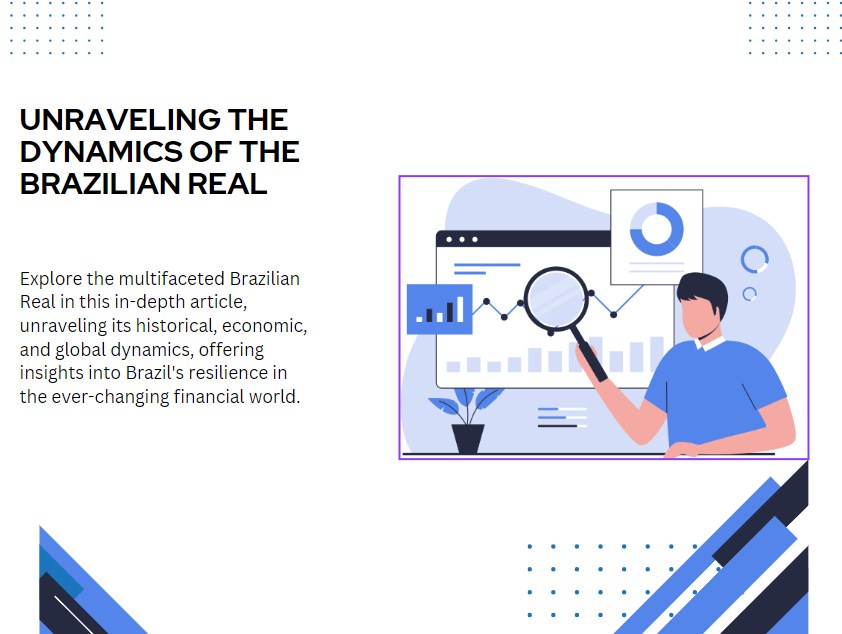
The Brazilian Real (BRL), the official currency of Brazil, has played a pivotal role in shaping the country's economic narrative. As a currency with a rich history and a complex interplay of factors influencing its value, the Brazilian Real provides a fascinating subject for exploration. This article aims to delve into the historical, economic, political, and global dimensions that contribute to the dynamics of the Brazilian Real.
Historical Perspective
The journey of the Brazilian Real began in 1994 when it replaced the Cruzeiro as the official currency. At the time, Brazil faced hyperinflation, prompting the introduction of the Real as part of the Plano Real, a comprehensive economic stabilization plan. The Real was pegged to the US dollar initially but later transitioned to a floating exchange rate. This move aimed to provide greater flexibility, allowing the currency to respond dynamically to economic shifts.
Over the years, the Brazilian Real has experienced both highs and lows. In 1999, Brazil faced a currency crisis that led to a significant depreciation of the Real. However, subsequent years saw efforts to strengthen the currency, contributing to a more stable economic environment. Understanding this historical context is crucial for comprehending the factors that continue to shape the Brazilian Real today.
Economic Factors Shaping the Brazilian Real
Inflation Targeting: The cornerstone of Brazil's monetary policy is inflation targeting. The Central Bank of Brazil uses this approach to maintain price stability. By setting an inflation target and adjusting interest rates accordingly, the bank aims to keep inflation within a predetermined range. This strategy has a direct impact on the value of the Real, as it influences investor confidence and economic stability.
Interest Rates: Brazil's interest rates, set by the Central Bank, have a profound effect on the Real's strength. Higher interest rates can attract foreign capital, increasing demand for the Real and boosting its value. Conversely, lower interest rates may lead to capital outflows, resulting in depreciation. The delicate balance between stimulating economic growth and managing inflation becomes a crucial aspect of monetary policy.
Economic Reforms: Structural reforms, such as tax and labor reforms, play a significant role in shaping the Real's trajectory. These reforms aim to enhance the competitiveness of the Brazilian economy, attract foreign investment, and foster sustainable growth. Successful implementation of such reforms positively influences Real's standing in the global market.
Political Landscape and Its Impact
Political Stability: Political stability is a key determinant of the Real's performance. A stable political environment fosters investor confidence, encouraging long-term investments. Conversely, political uncertainty can lead to market volatility and capital flight. Brazil's complex political landscape, marked by periodic elections and policy changes, adds an element of unpredictability that can impact the Real's valuation.
Government Policies: The decisions and policies of the Brazilian government have a direct bearing on the Real. Fiscal policies, including government spending and taxation, can impact economic growth and inflation. A prudent fiscal approach contributes to the stability of the Real, while fiscal mismanagement can lead to economic imbalances and currency depreciation. Investors closely monitor government actions to assess the overall economic outlook and make informed decisions regarding the Real.
Global Dynamics and External Influences
Commodity Prices: Brazil's economy is heavily dependent on commodity exports, particularly in agriculture and mining. Fluctuations in global commodity prices, driven by factors such as demand, supply, and geopolitical events, directly impact Brazil's export revenue and, consequently, the Real's value. The country's status as a major exporter of soybeans, iron ore, and other commodities makes it vulnerable to shifts in the global market.
Global Economic Trends: Brazil's economic performance is intricately linked to global economic trends. Changes in currency exchange rates, trade relations, and global economic conditions can influence the demand for Brazilian exports and impact the Real. The interconnected nature of the global economy means that events in major economic hubs, such as the United States, Europe, and China, reverberate through the Brazilian financial system.
Pandemic Impact: The COVID-19 pandemic has presented unprecedented challenges for economies worldwide, and Brazil is no exception. The pandemic's impact on public health, coupled with lockdowns and disruptions to global supply chains, has affected Brazil's economic output. The government's response to the pandemic, coupled with vaccination efforts, plays a crucial role in shaping investor sentiment and the Real's resilience in the face of adversity.
Also Read:
Reserve Currency Riddles: Unveiling the Secrets Behind the U.S. Dollar's Rule
Exploring Uruguayan Peso (UYU)
Challenges and Resilience
Despite facing numerous challenges, the Brazilian Real has exhibited resilience over the years. Economic downturns, political uncertainties, and external shocks have tested the currency's strength. However, Brazil's commitment to economic reforms, responsible fiscal policies, and efforts to attract foreign investment have contributed to Real's ability to weather storms and recover from setbacks.
The Real's resilience is also reflected in the Central Bank's interventions in the foreign exchange market. At times, the bank may engage in currency interventions to stabilize the Real or prevent excessive volatility. These interventions, combined with prudent monetary policy, demonstrate a proactive approach to maintaining the Real's stability.
Future Outlook
Technological Advancements: The global financial landscape is undergoing rapid technological advancements, and Brazil is not immune to these changes. The adoption of financial technologies (FinTech) and the exploration of digital currencies present new possibilities for the Brazilian Real. The Central Bank has been studying the feasibility of a digital Real, which could introduce efficiency gains and enhance the overall resilience of the country's financial system.
Global Partnerships: Brazil's engagement in global trade and partnerships has a direct impact on the Real. Strengthening ties with key trading partners, negotiating favorable trade agreements, and diversifying export markets contribute to the Real's stability. The ongoing efforts to expand Brazil's economic presence on the world stage position the Real as a currency influenced not only by domestic policies but also by international relations.
Environmental Considerations: With increasing global awareness of environmental issues, Brazil's stance on sustainable practices and environmental conservation can influence the Real's perception. Responsible environmental policies can enhance Brazil's global image, attracting investments aligned with sustainable practices. Conversely, concerns about deforestation and environmental degradation may impact the Real's standing in international markets.
Conclusion
The Brazilian Real is a multifaceted currency shaped by a complex interplay of historical, economic, political, and global factors. From its inception in 1994 to the present day, the Real has undergone significant transformations, reflecting Brazil's commitment to economic stability and resilience in the face of challenges. Understanding the intricacies of the Real provides valuable insights into the broader dynamics of international finance, emphasizing the interconnectedness of global economies and the need for adaptive policies to navigate an ever-changing financial landscape.


Hottest






Copyright © 2026 FastBull Ltd


Risk Warning
FX trading is of high risk and may not be suitable for all investors. Leverage will create additional risks and loss. Before trading, please carefully consider your investment objectives, experience level and risk tolerance. You may lose part or all of your initial investment; do not invest money that you cannot afford. Educate yourself about the risks associated with FX trading. If you have any questions, please consult an independent financial or tax advisor. Any data and information are provided "as is" and only for information purpose, not for trading or recommendations. Past performance does not predict future results.
Disclaimer
The data contained in this website may not be real-time and accurate. The data and prices on this site are not necessarily provided by the market or exchange, but may be provided by market makers, so prices may be inaccurate and differ from actual market prices. Namely, this price is indicative price only to reflect market trend, and is unfavorable for trading purpose. The provider of the data contained in the Website shall not be liable for any loss incurred by you as a result of your trading activities or reliance on the information contained in the Website.