


SPF Warns of Scams Involving WhatsApp Screen Sharing and MAS Impersonation: S$3M Lost Since June
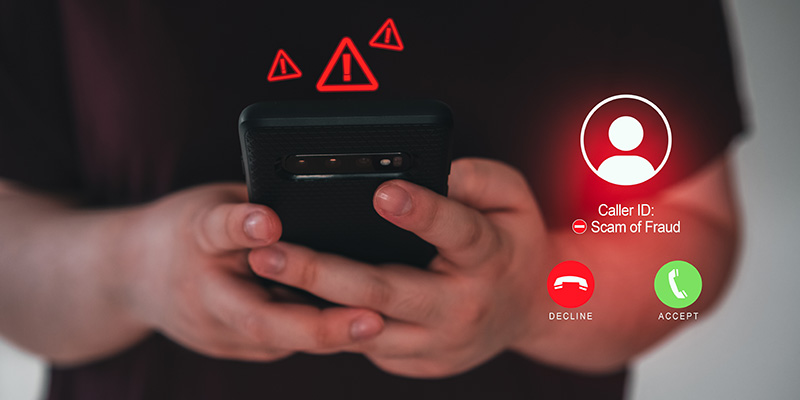
The Singapore Police Force (SPF) has issued a public advisory, alerting people to a rising impersonation scam that has defrauded victims of at least S$3 million since June 2025. At least 46 reports have been filed so far, all linked to fraudsters exploiting the WhatsApp screen-sharing feature to steal banking credentials.
In this scheme, victims receive unsolicited calls from local numbers, including those beginning with “+65” or “8”, claiming to represent firms such as NTUC Income, NTUC Union, or UnionPay. The scammers fabricate issues with non-existent insurance purchases and then escalate the deception by transferring victims to a second impersonator posing as an officer from the Monetary Authority of Singapore (MAS).
Victims are then falsely informed that their bank accounts are involved in money laundering investigations and are instructed to transfer funds to a so-called “safety account.” Scammers next direct the victims to initiate transfers via internet banking through WhatsApp’s screen-sharing function, exposing sensitive login information to the fraudsters and leading to unauthorized transactions and financial loss.
Victims only realize they have been duped when the scammers cut off contact or demand additional payments.
The SPF urges the public to exercise caution and follow these precautions:
- Never share your device screen with unknown persons or unverified individuals.
- Do not provide personal banking details or initiate money transfers based on unsolicited calls.
- Singapore government agencies, including MAS, will never:
- Request money transfers over the phone.
- Ask for banking login details.
- Instruct you to install mobile apps from unofficial app stores.
- Transfer your call to the police.
Last year, the SPF and MAS issued a joint advisory highlighting the surge in impersonation scams involving fake government officials and bank representatives. These schemes typically involved duping victims into transferring funds to so-called “safety accounts” under the pretense of assisting in “investigations”.
Hottest


Copyright © 2026 FastBull Ltd


Risk Warning
FX trading is of high risk and may not be suitable for all investors. Leverage will create additional risks and loss. Before trading, please carefully consider your investment objectives, experience level and risk tolerance. You may lose part or all of your initial investment; do not invest money that you cannot afford. Educate yourself about the risks associated with FX trading. If you have any questions, please consult an independent financial or tax advisor. Any data and information are provided "as is" and only for information purpose, not for trading or recommendations. Past performance does not predict future results.
Disclaimer
The data contained in this website may not be real-time and accurate. The data and prices on this site are not necessarily provided by the market or exchange, but may be provided by market makers, so prices may be inaccurate and differ from actual market prices. Namely, this price is indicative price only to reflect market trend, and is unfavorable for trading purpose. The provider of the data contained in the Website shall not be liable for any loss incurred by you as a result of your trading activities or reliance on the information contained in the Website.