


Russia Approves Digital Asset Law to Establish Licensing Framework for Crypto Service Providers
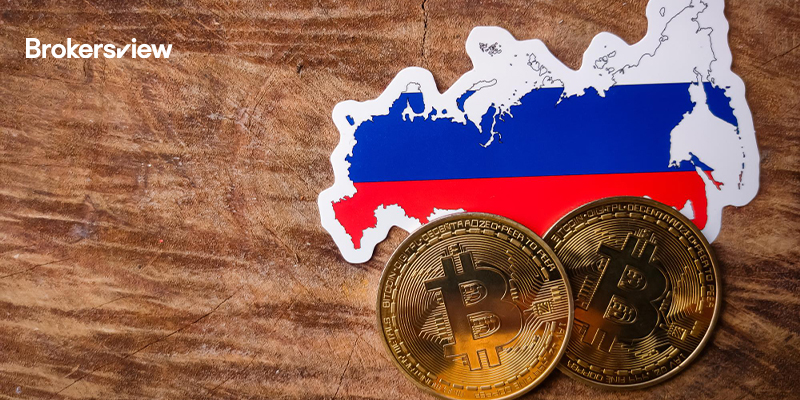
Russia has moved a step closer to introducing a comprehensive regulatory framework for digital assets after its parliament approved the Digital Currency and Digital Rights Act, paving the way for a licensed crypto market.
The legislation, which is awaiting the president's signature, is scheduled to take effect on September 1, 2026. It will establish a unified regulatory regime for cryptocurrency businesses, replacing the country's previously fragmented approach to digital asset oversight.
Under the new law, the Central Bank of Russia will be authorized to license five categories of crypto service providers: exchanges, brokers, dealers, asset managers, and custodians. Existing market participants will be granted a transition period until July 1, 2027 to comply with the new requirements, including meeting regulatory standards and joining approved self-regulatory organizations where applicable.
The legislation also introduces a minimum capital requirement of 15 million rubles for crypto exchanges, reflecting Russia's efforts to strengthen oversight of digital asset trading platforms and improve market integrity.
While the framework expands the legal status of cryptocurrency businesses, it maintains restrictions on the domestic use of digital assets. Cryptocurrencies will remain prohibited as a means of payment within Russia, preserving the country's longstanding position that the ruble is the only legal tender for domestic transactions.
However, the law expressly permits the use of digital assets in cross-border trade and international settlements, providing a regulated channel for businesses engaging in overseas transactions. The provision aligns with Russia's broader strategy of developing alternative payment mechanisms as companies continue to navigate international financial restrictions.
The new framework marks one of Russia's most significant crypto regulatory developments to date, providing greater legal certainty for licensed service providers while reinforcing the country's distinction between regulated digital asset services and the use of cryptocurrencies as domestic payment instruments.

Hottest



Copyright © 2026 FastBull Ltd


Risk Warning
FX trading is of high risk and may not be suitable for all investors. Leverage will create additional risks and loss. Before trading, please carefully consider your investment objectives, experience level and risk tolerance. You may lose part or all of your initial investment; do not invest money that you cannot afford. Educate yourself about the risks associated with FX trading. If you have any questions, please consult an independent financial or tax advisor. Any data and information are provided "as is" and only for information purpose, not for trading or recommendations. Past performance does not predict future results.
Disclaimer
The data contained in this website may not be real-time and accurate. The data and prices on this site are not necessarily provided by the market or exchange, but may be provided by market makers, so prices may be inaccurate and differ from actual market prices. Namely, this price is indicative price only to reflect market trend, and is unfavorable for trading purpose. The provider of the data contained in the Website shall not be liable for any loss incurred by you as a result of your trading activities or reliance on the information contained in the Website.