


Moldova to Introduce Comprehensive Crypto Regulation Aligned With EU MiCA Framework
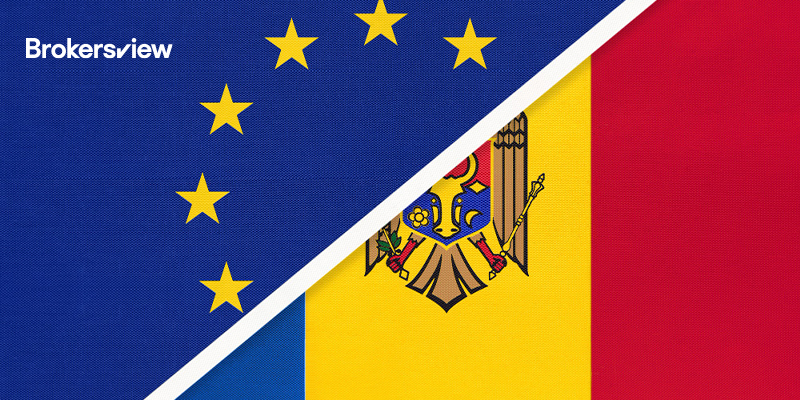
The Republic of Moldova plans to bring the cryptocurrency sector under a full legal framework this year, following the European Union's Markets in Crypto-Assets (MiCA) regulatory model, according to Finance Minister Andrian Gavriliță.
Speaking to TVR Moldova on Wednesday, Gavriliță said the upcoming legislation will establish a legal basis for the ownership, trading, and conversion of digital assets in the country, while also introducing strict tax oversight and anti-money laundering controls.
The minister noted that the initiative forms part of Moldova's commitments to the European Union. In addition to the Ministry of Finance, the draft legislation is being developed with the involvement of the National Bank of Moldova, the National Commission for Financial Markets, and the Service for the Prevention and Combating of Money Laundering.
"We cannot simply ban it. We are obliged to regulate and clarify," Gavriliță said, adding that citizens have the right to own digital assets. He confirmed that relevant legislation will be adopted this year.
According to the minister, the regulatory framework will be aligned with European directives and will draw on the experience of Romania and other EU member states. However, cryptocurrencies will not be permitted as a means of payment within Moldova, similar to the existing restrictions on foreign currencies.
Gavriliță said the government is looking to models such as Estonia and other EU countries known for relatively clear and accessible legislation, while emphasizing that Moldova's rules will not differ significantly from existing EU standards. He reiterated that while ownership and transactions involving cryptocurrencies will be legal, their use for domestic payments will remain prohibited.
The finance minister also stressed that cryptocurrencies should not be viewed as traditional investments. He described them instead as a speculative instrument, while maintaining that citizens' right to engage with digital assets must be legally recognized.
Taxation will be a central element of the new framework. Gavriliță said that Moldovan tax residents who earn income from cryptocurrency transactions will be required to pay a 12% tax, the same rate applied to other forms of income.
The overall objective, he concluded, is to legalize the sector while preventing the use of cryptocurrencies for illegal financing and money laundering.



Hottest




Copyright © 2026 FastBull Ltd


Risk Warning:
FX trading is of high risk and may not be suitable for all investors. Leverage will create additional risks and loss. Before trading, please carefully consider your investment objectives, experience level and risk tolerance. You may lose part or all of your initial investment; do not invest money that you cannot afford. Educate yourself about the risks associated with FX trading. If you have any questions, please consult an independent financial or tax advisor. Any data and information are provided "as is" and only for information purpose, not for trading or recommendations. Past performance does not predict future results.
Disclaimer:
The data contained in this website may not be real-time and accurate. The data and prices on this site are not necessarily provided by the market or exchange, but may be provided by market makers, so prices may be inaccurate and differ from actual market prices. Namely, this price is indicative price only to reflect market trend, and is unfavorable for trading purpose. The provider of the data contained in the Website shall not be liable for any loss incurred by you as a result of your trading activities or reliance on the information contained in the Website.