


Argentina Arrests 24 in Major Crypto Investment Fraud Crackdown
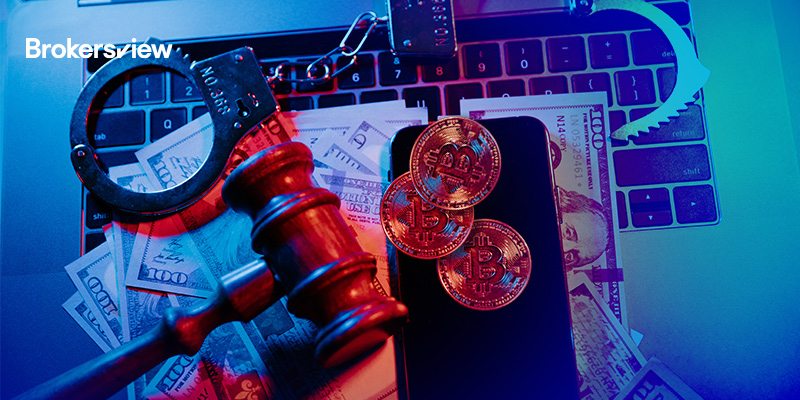
Argentine authorities have arrested 24 suspects and seized more than US$8 million in cryptocurrency as part of a nationwide operation targeting an alleged investment fraud network that used fake trading platforms to deceive investors.
The operation, dubbed "Fake Coins", involved 90 coordinated raids across multiple jurisdictions and was led by law enforcement agencies working alongside Argentina's crypto asset investigation units. Authorities also confiscated nearly ARS 60 million in cash, around 80 mobile phones, and numerous computers and tablets.
According to investigators, victims were recruited through WhatsApp messages and persuaded to invest through fraudulent online trading platforms designed to mimic legitimate investment services. The platforms displayed fake account balances and trading activity to create the illusion of profitable investments.
Funds collected from victims were allegedly converted into the stablecoin Tether (USDT) through peer-to-peer crypto transactions before being transferred overseas. Authorities estimate investor losses could total nearly ARS 3 billion.
The case marks one of Argentina's largest crypto-related enforcement actions to date and reflects growing efforts by regulators and law enforcement to combat digital asset investment fraud.
The crackdown comes as Argentina continues developing its Virtual Asset Service Provider (PSAV) regulatory framework, aimed at strengthening oversight of cryptocurrency businesses operating in the country.
Authorities used blockchain tracing and digital forensic tools to track fund movements and identify suspects, highlighting how blockchain transparency is increasingly supporting financial crime investigations.
The case also serves as a reminder for investors to be cautious of unsolicited investment offers received through messaging apps or social media, particularly schemes promising unusually high or guaranteed returns. Regulators continue to warn that fake investment platforms remain one of the fastest-growing forms of crypto-related fraud globally.


Hottest



Copyright © 2026 FastBull Ltd


Risk Warning
FX trading is of high risk and may not be suitable for all investors. Leverage will create additional risks and loss. Before trading, please carefully consider your investment objectives, experience level and risk tolerance. You may lose part or all of your initial investment; do not invest money that you cannot afford. Educate yourself about the risks associated with FX trading. If you have any questions, please consult an independent financial or tax advisor. Any data and information are provided "as is" and only for information purpose, not for trading or recommendations. Past performance does not predict future results.
Disclaimer
The data contained in this website may not be real-time and accurate. The data and prices on this site are not necessarily provided by the market or exchange, but may be provided by market makers, so prices may be inaccurate and differ from actual market prices. Namely, this price is indicative price only to reflect market trend, and is unfavorable for trading purpose. The provider of the data contained in the Website shall not be liable for any loss incurred by you as a result of your trading activities or reliance on the information contained in the Website.