• troca
  • Cotações
  • Cópia de
  • Concurso
  • 24/7
  • Calendário
  • FAQ
  • Bater papo
Filtro
ATIVO
ÚLTIMO
COMPRA (BID)
VENDA (ASK)
ALTO
BAIXO
VAR. LÍQUIDA
%VAR.
SPREAD
SPX
S&P 500 Index
7126.05
7126.05
7126.05
7147.53
7082.71
+84.77
+ 1.20%
--
DJI
Dow Jones Industrial Average
49447.42
49447.42
49447.42
49717.98
49057.42
+868.71
+ 1.79%
--
IXIC
NASDAQ Composite Index
24468.47
24468.47
24468.47
24519.51
24286.47
+365.78
+ 1.52%
--
USDX
US Dollar Index
98.040
98.040
98.120
98.070
97.380
+0.030
+ 0.03%
--
EURUSD
Euro / US Dollar
1.17633
1.17633
1.17653
1.18488
1.17600
-0.00182
-0.15%
--
GBPUSD
Pound Sterling / US Dollar
1.35142
1.35142
1.35222
1.35989
1.35041
-0.00115
-0.09%
--
XAUUSD
Gold / US Dollar
4829.05
4829.05
4829.05
4889.53
4767.55
+39.92
+ 0.83%
--
WTI
Light Sweet Crude Oil
83.448
83.448
83.544
90.112
78.869
-6.154
-6.87%
--

NULL_CELL

NULL_CELL
--
NULL_CELL
--
NULL_CELL
--
Exibir mais

Torne-se um provedor de sinal

Venda sinais de negociação para obter rendimentos adicionais

Exibir mais

NULL_CELL

NULL_CELL

Exibir mais

NULL_CELL

NULL_CELL

NULL_CELL
  • NULL_CELL
  • NULL_CELL
  • NULL_CELL
NULL_CELL
  • NULL_CELL
  • NULL_CELL
  • NULL_CELL

Todos os Concursos

  • Todos
  • Atualizações de Trump
  • Recomendar
  • Ações
  • Criptomoedas
  • Bancos Centrais
  • Notícias em destaque
Ver apenas as melhores notícias
Compartilhar

Segundo o The New York Times, as avaliações dos serviços de informação norte-americanos sugerem que o Irão ainda mantém cerca de 40% do seu arsenal de drones pré-guerra e construiu cidades subterrâneas de mísseis durante o cessar-fogo. Atualmente, o país possui cerca de 60% dos seus lançadores de mísseis e, possivelmente, até 70% do seu arsenal total.

Compartilhar

Secretário-Geral da ONU, António Guterres: Todas as partes envolvidas devem respeitar o cessar-fogo e a trégua.

Compartilhar

Secretário-Geral da ONU, António Guterres: Este é o terceiro incidente das últimas semanas que resultou na morte de forças de manutenção da paz em missão no Líbano.

Compartilhar

O secretário-geral da ONU, António Guterres, condenou veementemente o ataque de sábado contra a Força Interina das Nações Unidas no Líbano, que resultou na morte de um soldado francês da força de manutenção da paz e deixou outros três feridos.

Compartilhar

O Centro de Redes Sismológicas da China informou oficialmente que um sismo de magnitude 3,4 ocorreu às 05h27 do dia 19 de abril no condado de Ando, ​​cidade de Nagqu, Tibete (32,62 graus de latitude norte, 90,36 graus de longitude leste), com uma profundidade focal de 10 quilómetros.

Compartilhar

Departamento de Estado dos EUA: Todas as partes concordaram em libertar os prisioneiros no prazo de dez dias, de acordo com o Mecanismo de Emancipação de Detidos assinado a 14 de setembro de 2025, a fim de continuar a construir confiança.

Compartilhar

Departamento de Estado dos EUA: Todas as partes concordaram em facilitar a livre circulação de pessoal humanitário, bens e comboios humanitários.

Compartilhar

O Departamento de Estado dos EUA emitiu uma declaração conjunta sobre o progresso entre representantes da República Democrática do Congo e da Aliança do Rio Congo/Movimento M23, afirmando que as partes concordaram em não atacar, danificar, remover ou desativar quaisquer itens essenciais à sobrevivência do povo.

Compartilhar

O Centro de Redes Sismológicas da China informou oficialmente que um sismo de magnitude 5,6 ocorreu às 04h06 do dia 19 de abril na Ilha de Nias, Indonésia (1,30°N, 97,20°E), com uma profundidade focal de 30 quilómetros.

Compartilhar

Segundo o Nikkei: O Japão está a considerar permitir que os fundos mútuos aumentem os seus investimentos em empresas não cotadas.

Compartilhar

Declaração conjunta do Brasil, México e Espanha: Reafirmamos a necessidade de respeitar sempre os direitos humanos, o princípio da integridade territorial, a igualdade soberana e a resolução pacífica de conflitos.

Compartilhar

Brasil, México e Espanha emitiram uma declaração conjunta: Expressamos a nossa mais profunda preocupação com a crise humanitária em Cuba e apelamos à tomada das medidas necessárias para a aliviar.

Compartilhar

Os governos do Brasil, México e Espanha emitiram uma declaração conjunta sobre a situação em Cuba.

Compartilhar

Tesla (TSLA.O): Os robôs-táxi já estão disponíveis em Dallas e Houston.

Compartilhar

Segundo a televisão estatal iraniana, um comandante local da Marinha da Guarda Revolucionária iraniana declarou que qualquer embarcação que ignore os avisos no Estreito de Ormuz será alvo de ataques. Acrescentou que, se a Marinha dos EUA atacar navios iranianos, sofrerá um "duro golpe".

Compartilhar

Negociador-chefe do Irão: O bloqueio dos EUA é uma "decisão ignorante", pois é impossível permitir que outros navios passem pelo Estreito de Ormuz enquanto se proíbe a passagem de embarcações iranianas.

Compartilhar

A Marinha da Guarda Revolucionária iraniana emitiu um comunicado afirmando que os navios e os seus proprietários devem seguir as informações divulgadas pela própria Marinha e declarou que a declaração do presidente dos EUA, Trump, sobre o Estreito de Ormuz era "inválida".

Compartilhar

O Serviço de Segurança da Ucrânia (SBU) descreveu os tiroteios e a situação de reféns em Kiev como "atos de terrorismo".

Compartilhar

Segundo a agência de notícias iraniana Tasnim, as autoridades do Irão afirmaram ter detido dezenas de pessoas na província de Mazandran, no norte do país, acusadas de terem ligações a redes de inteligência estrangeiras.

Compartilhar

Primeiro-ministro irlandês: Todas as partes devem respeitar a segurança dos militares da Força Interina das Nações Unidas no Líbano (UNIFIL) que estão a realizar uma missão de manutenção da paz.

HORÁRIO
ACT.
EST.
ANT.
Reino Unido PIB anual (América do Sul) (Fevereiro)

A:--

H: --

A: --
Reino Unido volume de produção por ano (Fevereiro)

A:--

H: --

A: --
Zona Euro Índice geral/ano (excluindo produtos de tabaco) (Março)

A:--

H: --

A: --

Canadá Venda sua casa atual mensalmente (Março)

A:--

H: --

A: --

Zona Euro Primer final IHK M/M (Março)

A:--

H: --

A: --

Estados Unidos da América Índice Federal de Emprego Industrial da Filadélfia (Abril)

A:--

H: --

A: --

Estados Unidos da América Total de Reivindicações Semanais de Desemprego (SA)

A:--

H: --

A: --
Estados Unidos da América Reivindicações de Desemprego Semanais Ininterruptas (SA) Reivindicações

A:--

H: --

A: --
Estados Unidos da América Pedidos iniciais de seguro-desemprego com duração média de 4 semanas (América do Sul)

A:--

H: --

A: --
Estados Unidos da América Índice Federal de Negócios da Filadélfia (SA) (Abril)

A:--

H: --

A: --

O presidente da Reserva Federal de Nova Iorque, Williams, fez um discurso.
Estados Unidos da América fácil de usar (Março)

A:--

H: --

A: --

Estados Unidos da América Produção industrial de ar condicionado (Março)

A:--

H: --

A: --

Estados Unidos da América Indústria manufatureira M/M (SA) (Março)

A:--

H: --

A: --
Estados Unidos da América Consumo m/m (h) (Março)

A:--

H: --

A: --
Estados Unidos da América Volume de produção M/M (SA) (Março)

A:--

H: --

A: --
Estados Unidos da América Variação semanal dos stocks de gás natural da EIA

A:--

H: --

A: --

O economista-chefe do BCE, Sr. Lane, fala
Estados Unidos da América Bilhetes do tesouro semanais do banco central estrangeiro

A:--

H: --

A: --

Zona Euro Conta de Registro Rivista (SA). (Fevereiro)

A:--

H: --

A: --
Zona Euro Conta corrente (não SA) (Fevereiro)

A:--

H: --

A: --
Zona Euro Balança comercial (não SA) (Fevereiro)

A:--

H: --

A: --
Zona Euro Balança comercial (SA) (Fevereiro)

A:--

H: --

A: --
Índia Crescimento do Reservatório e/e

A:--

H: --

A: --

Canadá começar uma nova casa (Março)

A:--

H: --

A: --
O presidente da Reserva Federal de Richmond, Barkin, fez um discurso.
Estados Unidos da América Perfuração geral semanal

A:--

H: --

A: --

Estados Unidos da América Perfuração semanal de petróleo

A:--

H: --

A: --

O membro do FOMC, Sr. Waller, faz um discurso
Reino Unido Rightmove o índice de preços da casa ano após ano (Abril)

--

H: --

A: --

China (continente LPR a 5 ans.

--

H: --

A: --

China (continente RLP 1 mais longo

--

H: --

A: --

Alemanha PPA m/mq (Março)

--

H: --

A: --

Alemanha Icp oh / oh (Março)

--

H: --

A: --

Zona Euro volume de produção por ano (Fevereiro)

--

H: --

A: --

Zona Euro Volume de produção m/m (h) (Fevereiro)

--

H: --

A: --

Canadá Índice Nacional de Confiança Econômica

--

H: --

A: --

Canadá Ano do índice de preços ao consumidor no varejo (América do Sul) (Março)

--

H: --

A: --

Canadá IHK em/m (Março)

--

H: --

A: --

Canadá Kern-CPI J/J (Março)

--

H: --

A: --

Canadá IHK m/m (Março)

--

H: --

A: --

Canadá IHK S / Y (Março)

--

H: --

A: --

Argentina Balança comercial (Março)

--

H: --

A: --

Reino Unido Salário 3 meses (semanal com alteração) ano após ano (Fevereiro)

--

H: --

A: --

Reino Unido Salário 3 meses por ano (semanal sem comissões) (Fevereiro)

--

H: --

A: --

Reino Unido Taxa de desemprego da OIT a 3 meses (Fevereiro)

--

H: --

A: --

Reino Unido taxa de desemprego (Março)

--

H: --

A: --

Reino Unido Número de pessoas que solicitam o subsídio de desemprego (Março)

--

H: --

A: --

Reino Unido Mudança de emprego conforme definido pela OIT em 3 meses (Fevereiro)

--

H: --

A: --

Peru Capacidade de carga (Abril)

--

H: --

A: --

Alemanha Índice de Sentimento Econômico ZEW (Abril)

--

H: --

A: --

Alemanha Sim. Índice de situação econômica (Abril)

--

H: --

A: --

Zona Euro Índice de Sentimento Econômico ZEW (Abril)

--

H: --

A: --

Zona Euro Sim. Índice de situação econômica (Abril)

--

H: --

A: --

Alemanha Treasure Harvest 2 Ano Leilão Quarta-feira.

--

H: --

A: --

Estados Unidos da América Ano / ano de vendas no varejo (Março)

--

H: --

A: --

Estados Unidos da América Varejo m/m (Março)

--

H: --

A: --

Estados Unidos da América grande hash (Março)

--

H: --

A: --

Estados Unidos da América Aumento nas vendas no varejo m/m (Março)

--

H: --

A: --

Perguntas e respostas de especialistas
    • Todos
    • Sala de bate-papo
    • Grupos
    • Amigos
    Brian Kipl flag
    Shineyoeyes
    Great execution
    @Shineyoeyesthanks mahhhn
    horus flag
    horus flag
    hola amigos
    horus flag
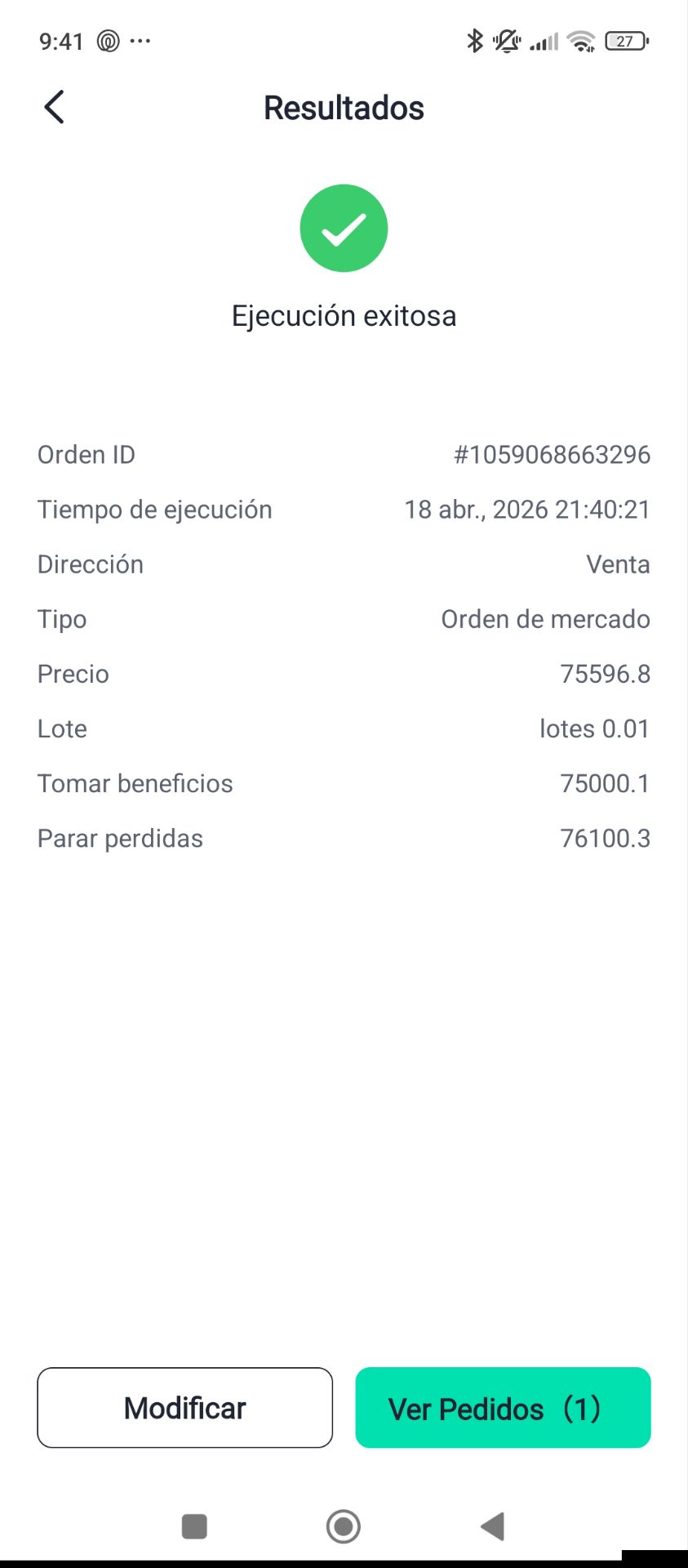
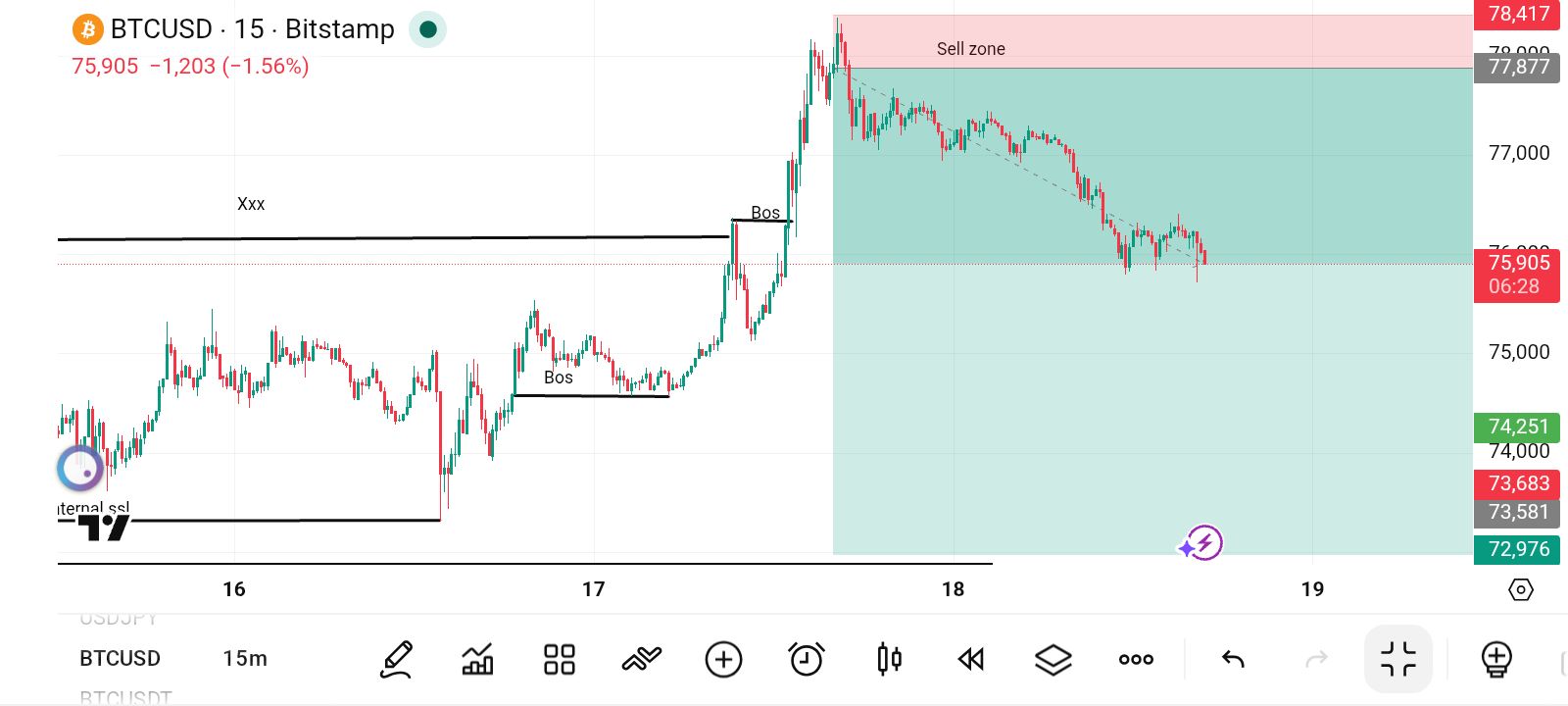
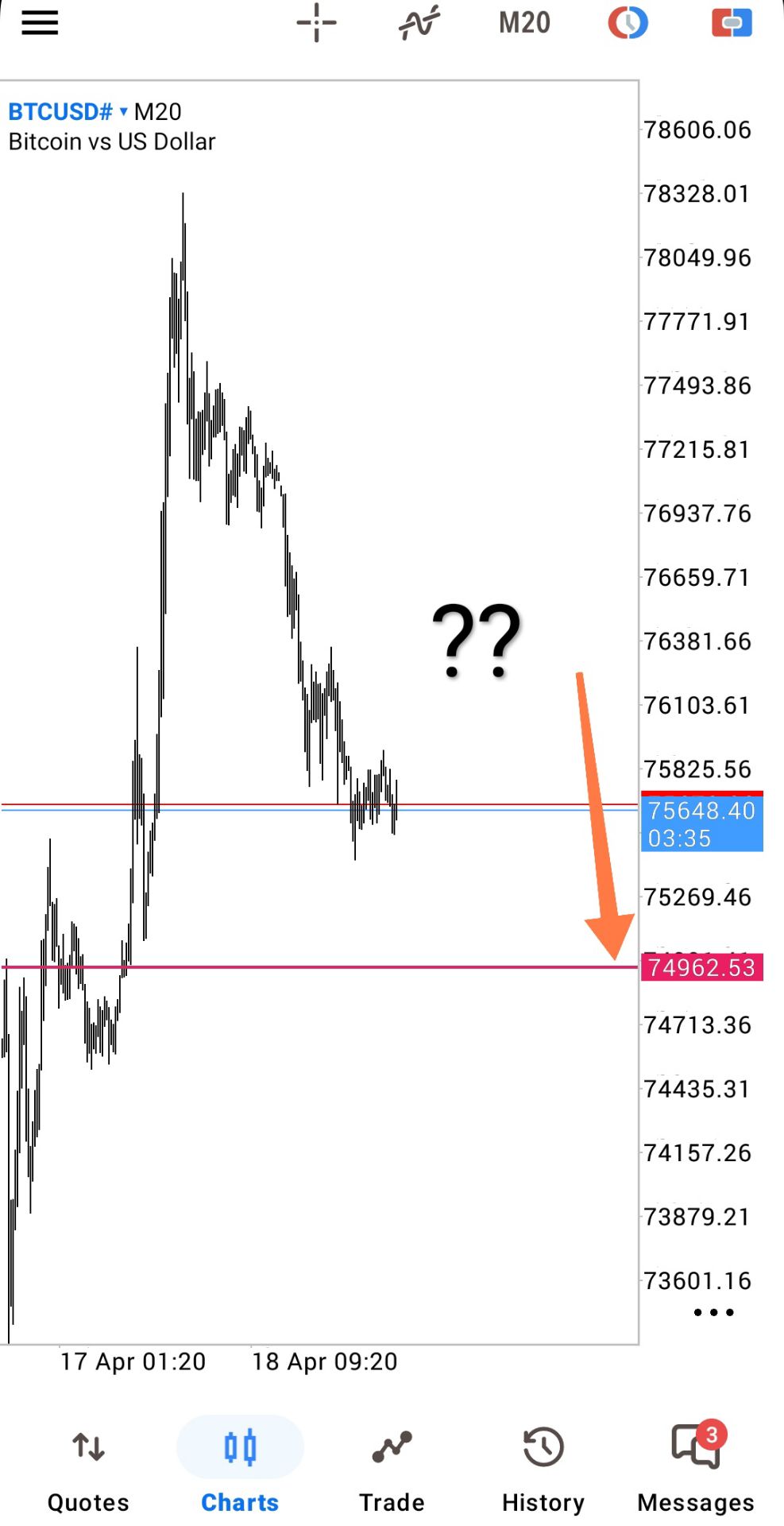
    esto lo acabo de hacer creo que sigue bajando
    RPGFX flag
    horus
    hola amigos
    @horus Hello brother, how are you doing today?
    RPGFX flag
    horus
    esto lo acabo de hacer creo que sigue bajando
    @horus Okay, nice 👍 Let us see how far the sell can go tomorrow
    RPGFX flag
    Brian Kipl
    @Brian Kipl Have you closed partials yet?
    Shineyoeyes flag
    Brian Kipl
    @Shineyoeyesthanks mahhhn
    @Brian Kipl you're welcome. I was perturbed by the success rate on this platform. It's my first time here. And i was like, wow. Glad to be here. Hopefully i can get myself acquainted, contribut and benefit from the group as well.
    C.E.O flag
    C.E.O flag
    saya kongsi lagi sekali.terserah anda untuk mencoret dan menilai.
    ali flag
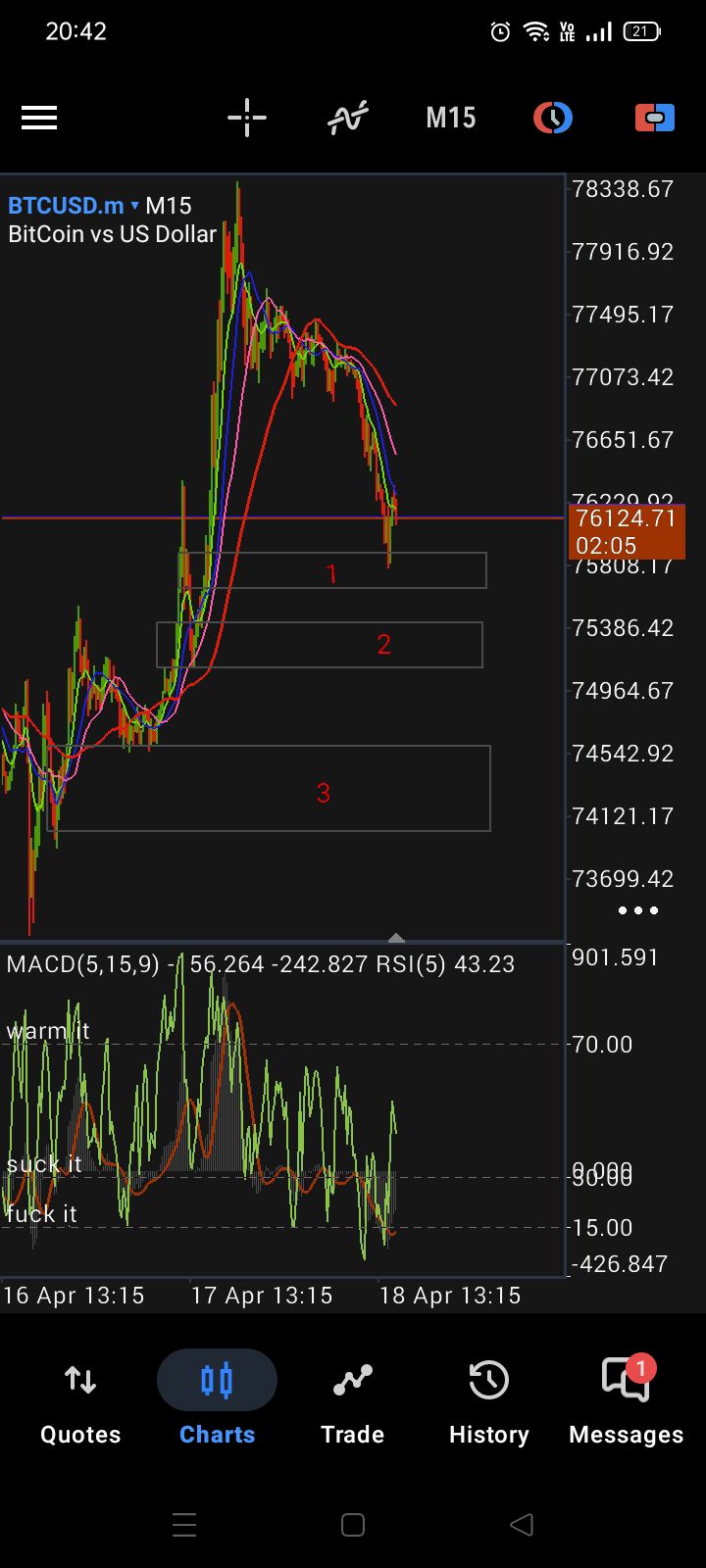
    tomorrow is a negative market then btc goes to 85306 today. market positive then goes down 72000
    Nawhdir Øt flag
    selamat pagi 💩 tahi ayam.
    clif ostin flag
    @C.E.O you are a beginner
    fred flag
    please if you dont know how to trade go and be mining btc
    Nawhdir Øt flag
    fred
    please if you dont know how to trade go and be mining btc
    @fredbenar. Kamu sangat sangat sangat... tepat. Aku tidak tahu cara berdagang. Itu.
    obsan nega flag
    Yo anyone trade futures here
    Nawhdir Øt flag
    "Skyler Spe" recuperou uma mensagem
    Nawhdir Øt flag
    Nawhdir Øt flag
    Digite aqui...
    Adicione o nome ou código do ativo

      Sem dados correspondentes

      Todos
      Atualizações de Trump
      Recomendar
      Ações
      Criptomoedas
      Bancos Centrais
      Notícias em destaque
      • Todos
      • Conflito Rússia-Ucrânia
      • Ponto de Conflito no Oriente Médio
      • Todos
      • Conflito Rússia-Ucrânia
      • Ponto de Conflito no Oriente Médio
      Pesquisar
      Produtos

      Gráfico Grátis Para Sempre

      Bater papo Perguntas e respostas de especialistas
      Filtro Calendário econômico Dados Ferramenta
      FastBull VIP Características
      Armazém de Dados Tendências de Mercado Dados Institucionais Políticas Monetárias Macro

      Tendências de Mercado

      Sentimento Especulativo Ordens e Posições Correlação

      Principais indicadores

      Gráfico Grátis Para Sempre
      Mercado

      Notícias

      24/7 Negociação Educação

      Últimas opiniões

      Actualização mais recente

      Sinal

      Cópia de Classificação Sinal de IA Torne-se um provedor de sinal Classificação de IA
      Concurso
      Brokers

      Visão geral Corretoras Avaliação Classificações Reguladores Notícias Reclamações
      Listagem de Corretores Ferramenta de Comparação de Corretores de Forex Comparação de Spreads ao Vivo Fraude
      FAQ Reclamação Vídeos de Alerta de Fraude Dicas para Detectar Fraudes
      Mais

      Negócios
      Evento
      Recrutamento Quem somos NULL_CELL Centro de ajuda

      Etiqueta branca

      Broker API

      API de dados

      Plug-ins da Web

      Programa de afiliados

      Prêmios Avaliação da Instituição IB Seminar Evento de Salão Exposição
      Vietnã Tailândia Singapura Dubai
      Encontro de fãs Sessão de Compartilhamento de Investimentos
      Cúpula FastBull Exposição BrokersView
      Pesquisas Recentes
        Principais pesquisas
          Cotações
          Negociação
          Do utilizador
          24/7
          Calendário econômico
          Educação
          Dados
          • Nomes
          • Último
          • Anterior
          Ver tudo

          Sem dados

          Digitalizar para baixar

          Faster Charts, Chat Faster!

          Descarregar aplicativo
          • English
          • Español
          • العربية
          • Bahasa Indonesia
          • Bahasa Melayu
          • Tiếng Việt
          • ภาษาไทย
          • Français
          • Italiano
          • Türkçe
          • Русский язык
          • 简中
          • 繁中
          Abrir Conta
          Pesquisar
          Produtos
          Gráfico Grátis Para Sempre
          Mercado
          Notícias
          Sinal

          Cópia de Classificação Sinal de IA Torne-se um provedor de sinal Classificação de IA
          Concurso
          Brokers

          Visão geral Corretoras Avaliação Classificações Reguladores Notícias Reclamações
          Listagem de Corretores Ferramenta de Comparação de Corretores de Forex Comparação de Spreads ao Vivo Fraude
          FAQ Reclamação Vídeos de Alerta de Fraude Dicas para Detectar Fraudes
          Mais

          Negócios
          Evento
          Recrutamento Quem somos NULL_CELL Centro de ajuda

          Etiqueta branca

          Broker API

          API de dados

          Plug-ins da Web

          Programa de afiliados

          Prêmios Avaliação da Instituição IB Seminar Evento de Salão Exposição
          Vietnã Tailândia Singapura Dubai
          Encontro de fãs Sessão de Compartilhamento de Investimentos
          Cúpula FastBull Exposição BrokersView

          A mineração solo de Bitcoin em 2025: Retorno do investimento e quão difícil é na realidade?

          Winkelmann

          Criptomoeda

          Resumo:

          A mineração solo de Bitcoin em 2025 é tecnicamente possível, mas extremamente difícil. Saiba mais sobre as taxas de sucesso, os custos, a rentabilidade em comparação com a mineração em pool e se vale a pena tentar.
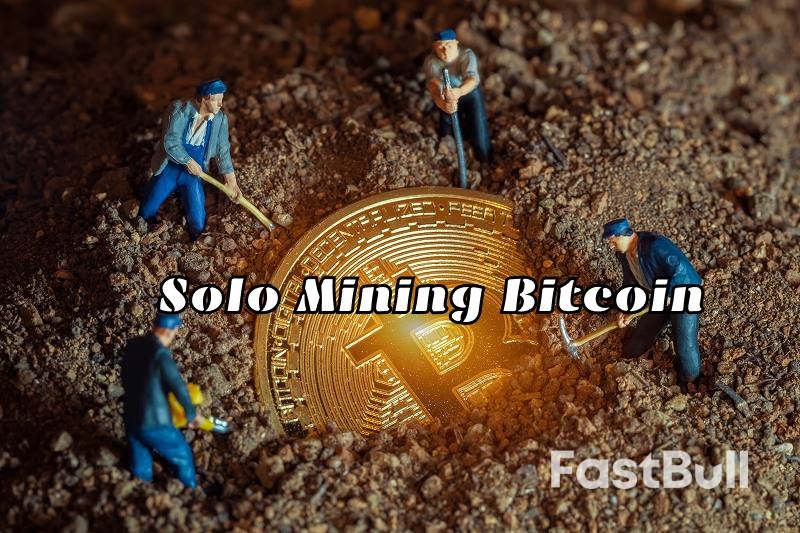
          Mineração de Bitcoin individual versus mineração em pool: qual é a mais rentável em 2025?

          A mineração solo de Bitcoin em 2025: ROI? Quão difícil é realmente?_1

          A mineração solo de Bitcoin tornou-se uma prática cada vez mais rara, dado que os pools de mineração industrial dominam a rede em 2025. Mesmo assim, alguns mineiros ainda procuram a independência e o potencial de recompensa total da mineração individual. Este guia explica como funciona a mineração a solo hoje, o quão difícil se tornou e se os indivíduos ainda podem lucrar com ela.

          O que é a mineração solo de Bitcoin?

          A mineração solo de Bitcoin significa tentar minerar blocos de Bitcoin de forma independente, sem participar num pool de mineração. Ao minerar sozinho, compete diretamente com toda a rede global de mineiros para resolver complexos puzzles criptográficos. Se encontrar um bloco com sucesso, receberá a recompensa total do bloco — atualmente 6,25 BTC mais taxas de transação — mas suportará sozinho todos os custos computacionais e riscos.

          Como funciona a mineração solo

          O processo de mineração de bitcoins em modo solo segue o mecanismo de consenso de prova de trabalho do Bitcoin. O seu hardware de mineração calcula repetidamente o hash dos dados do cabeçalho do bloco, procurando um valor de hash que atenda ao objetivo de dificuldade da rede. Isto é essencialmente uma lotaria computacional, onde mais poder de hash aumenta as suas hipóteses, mas não garante nada.

          Eis o que acontece durante a mineração de bitcoin numa única pessoa:

          • O seu equipamento de mineração liga-se a um nó completo do Bitcoin que opera.
          • O nó fornece ao seu mineiro modelos de blocos candidatos contendo transações não confirmadas.
          • O seu mineiro ASIC realiza triliões de cálculos de hash por segundo, procurando uma solução válida.
          • Se encontrar um bloco válido, o seu nó transmite-o à rede para verificação.
          • Após a confirmação, receberá a recompensa total do bloco diretamente na sua carteira.

          Ao contrário da mineração em pool, onde as recompensas são distribuídas com base no trabalho contribuído, a mineração a solo opera no sistema "tudo ou nada". Pode minerar durante meses ou anos sem encontrar um único bloco, ou teoricamente pode encontrar um no seu primeiro dia — embora este último cenário seja astronomicamente improvável com o hardware típico.

          Mineração solo vs. Mineração em pool: Principais diferenças

          Compreender as diferenças fundamentais entre a mineração individual e em pool é essencial antes de investir recursos em qualquer uma das abordagens.

          AspetoMineração soloMineração em piscina
          Distribuição de recompensas100% da recompensa por bloco (6,25 BTC + taxas) em caso de sucesso.Participação proporcional com base na taxa de hash contribuída.
          Frequência de pagamentoExtremamente raro, imprevisível (possivelmente nunca)Pagamentos regulares (diários a semanais)
          Estabilidade de rendimentoRendimento zero durante longos períodos, seguido de um pagamento enorme.Retornos consistentes e previsíveis
          Taxas da piscinaNenhum1-3% dos rendimentos
          Requisitos técnicosExecutar um nó Bitcoin completo, configuração avançadaLigação simples aos servidores da pool
          Risco de VariânciaProbabilidades extremamente elevadas — semelhantes às da lotaria.Baixos retornos suavizados em muitos mineiros
          Taxa de hash mínimaRealisticamente, mais de 100 TH/s para qualquer hipótese razoável.Qualquer valor é aceite (mesmo um único ASIC).

          The economic reality is stark: pool mining provides predictable income that covers electricity costs and generates steady profit, while solo mining bitcoin resembles buying lottery tickets with your electricity bill. Most rational miners choose pools because consistent returns allow for business planning, equipment maintenance, and risk management.

          How Hard Is Solo Bitcoin Mining in 2025?

          The difficulty of solo mining bitcoin has reached unprecedented levels in 2025. To understand just how challenging it has become, we need to examine the current network conditions and calculate your realistic probability of success.

          Current Bitcoin Network Difficulty

          Bitcoin's mining difficulty adjusts every 2,016 blocks (approximately every two weeks) to maintain a consistent 10-minute block time. As of 2025, the network difficulty has increased dramatically compared to Bitcoin's early years, making solo mining exponentially harder than it was even a few years ago.

          Key network statistics that impact solo mining difficulty:

          • Total network hashrate exceeds 600 exahashes per second (EH/s), representing the combined computing power of millions of ASIC miners worldwide
          • Mining difficulty has increased over 100 trillion times since Bitcoin's launch in 2009
          • Industrial mining operations with hundreds of petahashes dominate the network, making individual miners statistically insignificant
          • The average time between blocks remains 10 minutes, but this is distributed across the entire global mining network

          This difficulty level means that even a state-of-the-art ASIC miner running at 100 terahashes per second (TH/s) represents only 0.000017% of the total network hashrate. You're competing against massive mining farms with thousands of machines operating in regions with cheap electricity.

          Your Actual Chances of Mining a Block Solo

          Mathematics reveals the harsh reality of bitcoin solo mining success. Your probability of finding a block depends entirely on your hashrate relative to the total network hashrate.

          Here's the probability calculation for different hardware scenarios:

          Your Hashrate% of NetworkExpected Time to Find 1 BlockProbability per Day
          100 TH/s (1 high-end ASIC)0.000017%~11.4 years0.024%
          500 TH/s (5 ASICs)0.000083%~2.3 years0.12%
          1 PH/s (10 ASICs)0.00017%~14 months0.24%
          10 PH/s (100 ASICs)0.0017%~42 days2.4%
          100 PH/s (1000 ASICs)0.017%~4.2 days24%

          These are expected averages based on probability. The actual time could be much shorter or significantly longer due to the random nature of mining. You might find a block on your first day (probability near zero) or mine for triple the expected time without success—both scenarios have occurred in practice.

          For perspective, if you run a single high-end ASIC costing $3,000-$5,000 with electricity expenses around $150-$300 monthly, you could spend $20,000+ on electricity over the expected 11.4 years before finding your first block. Even if successful, the block reward might not cover your accumulated costs, especially considering hardware depreciation and potential Bitcoin price fluctuations.

          Real Success Stories (and Failures)

          Despite astronomical odds, solo bitcoin mining pool victories do occasionally occur—but context matters enormously when evaluating these rare successes.

          Notable recent success cases include:

          • In January 2024, a solo miner with approximately 120 TH/s successfully mined a block, earning 6.25 BTC plus transaction fees (worth roughly $270,000 at that time). However, this miner had been attempting solo mining for over a year, with electricity costs likely exceeding $15,000 during that period.
          • A small mining operation with around 400 TH/s found a block in mid-2023 after seven months of continuous mining. While profitable on paper, they calculated that pool mining during the same period would have generated nearly the same revenue with zero risk of complete failure.
          • Several hobbyist miners report bitcoin solo mining success after running old S9 ASICs for multiple years—but when accounting for electricity costs and hardware investment, most actually operated at a net loss compared to simply buying Bitcoin directly.

          The failure stories are far more common but rarely discussed:

          • Thousands of miners attempt solo mining annually with modest hashrates (10-100 TH/s) and abandon the effort after 6-12 months of zero returns and mounting electricity bills
          • Several documented cases exist of miners spending $50,000+ on equipment and electricity over 2-3 years without finding a single block
          • The vast majority of solo mining attempts end in financial loss, with miners eventually switching to pools or exiting mining entirely

          Even success stories often reveal that pool mining would have been more profitable when considering risk-adjusted returns. The psychological appeal of potentially winning a full block reward clouds the mathematical reality that consistent pool returns typically generate superior outcomes over time.

          Hardware Requirements for Solo Bitcoin Mining

          Successfully mining bitcoins solo demands significant hardware investment and infrastructure planning. Unlike pool mining where even modest equipment can generate some returns, solo mining requires substantial computational power to have any realistic chance of finding a block within a reasonable timeframe.

          ASIC Miners: What You Need

          Application-Specific Integrated Circuit (ASIC) miners are the only viable hardware for solo bitcoin mining in 2025. Graphics cards (GPUs) and CPUs became obsolete for Bitcoin mining years ago due to efficiency limitations. Modern ASIC miners are purpose-built for the SHA-256 algorithm that Bitcoin uses, delivering hashrates that general-purpose hardware cannot match.

          Current top-tier ASIC miners for solo mining consideration:

          ModelHashratePower ConsumptionEfficiencyApproximate Cost
          Antminer S21200 TH/s3,500W17.5 J/TH$5,000-$7,000
          Whatsminer M60172 TH/s3,344W19.4 J/TH$4,500-$6,500
          Antminer S19 XP140 TH/s3,010W21.5 J/TH$3,500-$5,000
          AvalonMiner 1466150 TH/s3,500W23.3 J/TH$4,000-$5,500

          For solo mining to be remotely feasible, you realistically need at least 500 TH/s to 1 PH/s of total hashrate. This translates to investing in 3-5 high-end ASIC miners, with an initial hardware outlay of $15,000 to $35,000. Even at this investment level, your expected time to find a block remains between 1-3 years under current network conditions.

          Critical factors when selecting ASIC hardware:

          • Energy efficiency matters tremendously for long-term operations—a few joules per terahash difference can mean thousands in annual electricity costs
          • Newer models offer better efficiency but command premium prices, while older models are cheaper but consume more power per hash
          • Consider used ASIC markets cautiously—mining hardware degrades over time, and warranty coverage is often limited or nonexistent
          • Noise levels are substantial (70-90 decibels)—these machines require dedicated space with sound insulation for residential settings
          • Heat generation is massive—each miner produces 3,000-3,500 watts of heat that must be managed through ventilation or cooling systems

          Some miners explore solar powered bitcoin mining to offset electricity costs, though this requires additional investment in solar panels, inverters, and battery storage systems. A typical ASIC drawing 3,500 watts continuously needs approximately 12-15 kilowatts of solar panel capacity (accounting for efficiency losses and nighttime operations), adding $10,000-$20,000 to your initial investment per miner.

          Electricity and Infrastructure Costs

          Electricity represents the ongoing operational expense that determines whether solo bitcoin mining remains financially viable. Unlike the one-time hardware purchase, electricity costs accumulate continuously and often exceed hardware investment over extended mining periods.

          Understanding your electricity costs:

          Hardware SetupTotal Power DrawMonthly kWhCost at $0.10/kWhCost at $0.15/kWh
          1 ASIC (200 TH/s)3,500W2,520 kWh$252$378
          3 ASICs (600 TH/s)10,500W7,560 kWh$756$1,134
          5 ASICs (1 PH/s)17,500W12,600 kWh$1,260$1,890
          10 ASICs (2 PH/s)35,000W25,200 kWh$2,520$3,780

          Beyond electricity, infrastructure requirements add substantial costs:

          • Electrical infrastructure upgrades—residential circuits typically cannot handle multiple ASICs drawing 15-20 amps each; professional electrician services to install 240V circuits and proper breaker capacity can cost $2,000-$5,000
          • Cooling and ventilation systems—industrial fans, ducting, and exhaust systems to prevent overheating, typically adding $1,000-$3,000 depending on space configuration
          • Network infrastructure—stable, high-uptime internet connection and potentially backup connectivity; running a full Bitcoin node requires significant bandwidth and storage
          • Physical space costs—dedicated room or facility with proper ventilation, fire suppression considerations, and security measures
          • Monitoring systems—remote monitoring equipment to track temperatures, hashrates, and downtime alerts, adding $200-$500

          Solar bitcoin mining can reduce operational costs, but requires substantial upfront investment and depends heavily on geographic location. Areas with optimal sun exposure (Southwest United States, parts of Australia, Middle East) provide better ROI for solar installations. However, battery storage systems necessary for 24/7 mining operations significantly increase costs—a battery bank capable of running 5 ASICs overnight might cost $15,000-$30,000 alone.

          Insurance and maintenance represent ongoing expenses often overlooked by new miners. ASIC miners require regular cleaning, fan replacements, and occasional repairs. Budget approximately 5-10% of hardware value annually for maintenance and unexpected component failures.

          Solo Mining Bitcoin: ROI Analysis

          Return on investment calculations for solo bitcoin mining reveal why most rational actors choose pool mining instead. While the potential for a massive one-time payout exists, the mathematical expected value typically favors consistent pool returns when accounting for risk, time value of money, and operational complexities.

          Cost vs Potential Reward

          A comprehensive cost analysis exposes the financial reality of solo mining attempts. Let's examine a realistic scenario with specific numbers to illustrate the economic challenge.

          Example scenario: 1 PH/s solo mining operation (5 high-end ASICs)

          Cost CategoryInitial InvestmentMonthly RecurringAnnual Total
          ASIC Hardware (5 miners)$30,000——
          Infrastructure Setup$5,000——
          Electricity (at $0.12/kWh)—$1,512$18,144
          Internet Maintenance—$150$1,800
          Hardware Depreciation——$7,500
          Total First Year$35,000$1,662$62,444

          Expected outcome analysis:

          • With 1 PH/s, expected time to find one block: approximately 14 months under current network difficulty
          • Block reward if successful: 6.25 BTC + transaction fees (approximately 0.1-0.3 BTC), totaling roughly 6.35-6.55 BTC
          • Bitcoin price assumption: $60,000 per BTC (conservative 2025 estimate)
          • Expected reward value: $381,000-$393,000
          • Total costs over 14 months: approximately $58,317
          • Net profit if successful: $322,683-$334,683

          This appears attractive on paper, but several critical risk factors undermine this optimistic scenario:

          • The 14-month timeframe is an average expectation—actual time could be 3 months or 4 years due to probability variance
          • If you don't find a block within 24 months, you've spent $74,732 with zero return, potentially forcing you to abandon the operation at a total loss
          • Network difficulty continuously increases, reducing your probability over time as more hashrate joins the network
          • Hardware depreciation accelerates—ASICs lose 50-70% of resale value after 12-18 months of operation
          • Bitcoin price volatility creates enormous uncertainty; if BTC drops to $40,000, your expected reward falls to $254,000-$262,000, barely doubling your investment after 14+ months of risk

          The probability distribution matters enormously. You have roughly a 30% chance of finding zero blocks in 20 months, a scenario where you lose your entire $70,000+ investment. Conversely, you have about a 5% chance of finding a block within 2 months, generating exceptional returns. This risk profile resembles venture capital investing or gambling rather than traditional business operations.

          Solo Mining vs Pool Mining Profitability

          Comparing identical hardware operating in solo versus pool mining modes reveals the fundamental economic trade-off between variance and expected value.

          Using the same 1 PH/s setup over 14 months:

          MetricSolo MiningPool Mining
          Expected Blocks Found1 block (average)N/A (proportional shares)
          Expected Revenue$381,000-$393,000$385,000
          Pool Fees$0$7,700 (2%)
          Net Mining Revenue$381,000-$393,000$377,300
          Operating Costs$58,317$58,317
          Net Profit$322,683-$334,683$318,983
          Revenue CertaintyHigh variance (might be $0)99%+ certainty
          Cash FlowZero for months, then lump sumDaily/weekly payouts

          The expected value difference is minimal—solo mining potentially saves 2% in pool fees, translating to roughly $3,700-$15,700 more profit over 14 months. However, this marginal advantage disappears when considering:

          • Risk-adjusted returns heavily favor pool mining—consistent income allows you to cover electricity costs, service debts, and reinvest profits without depending on a single probabilistic event
          • Cash flow management becomes impossible with solo mining; you cannot pay monthly electricity bills with hypothetical future block rewards, potentially forcing you to fund operations from external sources or abandon the effort before success
          • Psychological stress of operating at zero revenue for months or years often leads solo miners to quit prematurely, realizing losses that pool mining would have avoided
          • Pool mining allows scaling flexibility—you can start with one ASIC, verify profitability, and expand gradually; solo mining demands massive upfront commitment to achieve reasonable success probability

          The solo bitcoin mining pool concept has emerged as a middle-ground option, where miners contribute hashrate to a pool that attempts solo mining on behalf of participants. If the pool finds a block, rewards distribute proportionally among contributors. This reduces individual variance while maintaining some solo mining characteristics, though it doesn't eliminate the fundamental probability challenges of competing against the entire network.

          Bitcoin Price Impact on Profitability

          Bitcoin's notorious price volatility introduces another layer of complexity to solo mining ROI calculations. Unlike pool mining where you can sell rewards regularly to lock in prices, solo mining forces you to bet on Bitcoin's value at an unknowable future date when you might find a block.

          Price scenario analysis for 1 PH/s operation finding a block after 14 months:

          BTC Price ScenarioBlock Reward ValueTotal CostsNet Profit/LossROI
          $100,000 (bull case)$635,000$58,317+$576,683989%
          $80,000 (optimistic)$508,000$58,317+$449,683771%
          $60,000 (moderate)$381,000$58,317+$322,683553%
          $40,000 (pessimistic)$254,000$58,317+$195,683336%
          $25,000 (bear market)$158,750$58,317+$100,433172%

          Even in pessimistic price scenarios, finding a block generates positive returns—but this analysis assumes you successfully find a block. The compounding risk involves both probability (might never find a block) and price uncertainty (block might be worth less than expected).

          Additional price-related considerations:

          • If Bitcoin price crashes during your mining period, continuing operations might become unprofitable even if you eventually find a block—$25,000 BTC means each month of operation costs $1,512 while the expected value of your mining drops proportionally
          • Pool miners can implement dollar-cost-averaging strategies by selling portions of daily earnings, reducing exposure to price crashes; solo miners hold all risk until block discovery
          • Rising Bitcoin prices increase mining competition as more hashrate comes online seeking profits, paradoxically reducing your probability of bitcoin solo mining success even as potential rewards increase
          • Market timing becomes critical for solo mining; starting during bear markets when difficulty is lower and prices depressed could yield higher ROI if you find a block during subsequent recovery

          The optimal strategy for most miners involves pool mining to generate steady income while Bitcoin price remains uncertain, then potentially switching to solo mining only if accumulating significant hashrate (10+ PH/s) that makes probability of success reasonable within specific timeframes. Attempting solo mining with modest hashrate essentially converts your mining operation into a speculative bet on both probability and future Bitcoin valuation—a dual-risk proposition that sophisticated investors typically avoid.

          How to Start Solo Mining Bitcoin (Step-by-Step)

          Setting up a solo mining operation requires technical knowledge beyond simply connecting hardware to a pool. You'll need to run your own Bitcoin node, configure mining software, and maintain reliable infrastructure. This section walks through the essential steps for anyone determined to attempt mining bitcoins solo despite the challenging odds.

          Software Setup

          The foundation of any solo mining operation is a fully synchronized Bitcoin Core node. Unlike pool mining where the pool operator manages blockchain data, solo miners must maintain their own complete copy of the Bitcoin blockchain and validate all transactions independently.

          Step-by-step Bitcoin Core installation:

          • Download Bitcoin Core from the official bitcoin.org website—verify the download signature to ensure file authenticity and avoid malware
          • Install Bitcoin Core on a computer with at least 500GB of available storage (the blockchain exceeds 450GB and grows continuously)
          • Allow the initial blockchain synchronization to complete, which typically takes 24-72 hours depending on internet speed and hardware performance
          • Configure your bitcoin.conf file to enable mining functionality by adding the parameters: server=1, rpcuser=yourusername, rpcpassword=yourpassword, and rpcallowip=192.168.1.0/24 (adjust IP range to match your local network)
          • Restart Bitcoin Core to apply configuration changes and verify RPC interface is accessible

          Mining software configuration comes next. Several options exist for solo bitcoin mining, each with different features and compatibility:

          SoftwareBest ForKey FeaturesDifficulty Level
          CGMinerAdvanced usersHighly customizable, supports multiple hardware typesHigh
          BFGMinerASIC minersDynamic clocking, monitoring, remote interfaceHigh
          Braiins OS+Antminer hardwareFirmware replacement with optimization featuresMedium
          Solo CK PoolBeginners wanting solo experienceSimplified solo mining without running full nodeLow

          For true solo mining, CGMiner or BFGMiner connected to your local Bitcoin Core node provides complete control. Configure your mining software with these essential parameters:

          • Point the software to your Bitcoin Core RPC interface (typically localhost:8332)
          • Provide RPC authentication credentials matching your bitcoin.conf configuration
          • Set your Bitcoin wallet address where block rewards will be sent if you successfully mine a block
          • Configure intensity and workload settings appropriate for your ASIC hardware model
          • Enable temperature monitoring and automatic shutdown thresholds to prevent hardware damage

          Alternative approach for those wanting to avoid full node complexity: solo bitcoin mining pool services like Solo CK Pool allow you to attempt solo mining by connecting your hardware to their infrastructure. You maintain the solo mining reward structure (keeping 100% of any block found minus a small fee), but delegate the technical burden of running a node. This reduces setup complexity but introduces minor centralization and trust requirements.

          Connecting Your ASIC Miner

          Once your software infrastructure is ready, connecting ASIC hardware involves both physical setup and network configuration. Modern ASICs include built-in web interfaces that simplify configuration compared to earlier generations of mining hardware.

          Physical connection process:

          • Position your ASIC in a location with adequate ventilation—these devices generate extreme heat and require constant airflow; enclosed spaces without cooling will cause thermal shutdown or hardware damage within minutes
          • Connect the power supply unit (PSU) to your ASIC, ensuring you're using the correct voltage (typically 220V for optimal efficiency) and that your electrical circuit can handle the amperage load
          • Attach an Ethernet cable from your ASIC to your local network router—WiFi is not recommended for mining operations due to stability and latency concerns
          • Power on the device and wait 2-3 minutes for the boot sequence to complete

          Network configuration through ASIC web interface:

          • Locate your ASIC's IP address through your router's device list or use scanning tools like Advanced IP Scanner
          • Access the web interface by entering the IP address in your browser (default credentials are usually admin/admin or root/root—change these immediately for security)
          • Navigate to the mining pool configuration section
          • Enter your Bitcoin Core node address as Pool 1: stratum+tcp://your-node-ip:8332
          • Input your RPC username and password in the worker credentials fields
          • Add backup pools (either other solo options or a traditional pool) to prevent downtime if your primary node experiences issues
          • Save configuration and restart the miner to apply changes

          Verification steps to confirm successful connection:

          • Check the ASIC dashboard for active hashrate—you should see your device reporting its expected TH/s within 5-10 minutes of starting
          • Monitor your Bitcoin Core debug log for incoming share submissions from your miner
          • Verify that all hashing boards are operational—ASICs typically have 3 boards that should all show active temperature and hashrate readings
          • Confirm network latency remains low (under 50ms) to minimize stale shares and maximize efficiency

          Common troubleshooting issues include incorrect RPC credentials, firewall blocking connections between miner and node, or insufficient PSU power delivery causing hashboard failures. Most ASIC manufacturers provide detailed logs through the web interface that help diagnose connectivity problems.

          Monitoring Your Mining Operation

          Continuous monitoring separates successful mining operations from costly failures. Hardware issues, network disruptions, or configuration problems can silently drain electricity for days while generating zero useful work. Implementing robust monitoring systems provides early warning of problems and maximizes your already-slim chances of bitcoin solo mining success.

          Essential metrics to monitor continuously:

          • Hashrate consistency—your reported hashrate should remain within 5% of the ASIC's rated specification; significant drops indicate hardware degradation, overheating, or connectivity issues
          • Temperature readings across all boards—optimal operating temperature ranges from 60-75°C; sustained temperatures above 80°C accelerate hardware failure and may trigger automatic shutdowns
          • Fan speeds and performance—fans should maintain consistent RPMs; declining fan speed often precedes complete failure and potential hardware damage from overheating
          • Network uptime and latency—mining effectiveness depends on constant connectivity to your Bitcoin node; even brief disconnections mean wasted electricity and missed opportunities
          • Bitcoin Core node synchronization—your node must remain fully synchronized with the network; falling behind by even a few blocks means you're mining on outdated data and cannot successfully find valid blocks

          Monitoring tools and platforms:

          ToolTypeKey FeaturesCost
          Awesome MinerSoftware suiteMulti-device monitoring, alerts, remote managementFree (limited) / $200+ (pro)
          Hive OSOperating systemComprehensive dashboard, mobile app, auto-tuningFree (3 devices) / $3/device/month
          MinerStatWeb platformCloud monitoring, profit switching, alerts$2-4/device/month
          Built-in ASIC interfaceHardware nativeBasic stats, logs, configurationFree (included)

          Setting up effective alert systems prevents costly extended downtime:

          • Configure email or SMS notifications for hashrate drops below 90% of expected performance
          • Set temperature alerts at 75°C (warning) and 82°C (critical) thresholds
          • Enable alerts for miner disconnections lasting more than 5 minutes
          • Monitor your Bitcoin wallet address for block reward deposits—the moment you've been waiting months for
          • Track electricity consumption through smart meters or monitoring devices to detect abnormal power usage that might indicate hardware problems

          For operations using solar powered bitcoin mining, additional monitoring becomes essential. Track solar panel output, battery charge levels, and grid consumption to optimize your energy mix. Solar monitoring systems should alert you when battery reserves drop below thresholds needed to maintain 24/7 operation, allowing you to temporarily reduce mining intensity or switch to grid power during extended cloudy periods.

          Regular maintenance schedules complement automated monitoring. Monthly tasks should include physically inspecting your ASICs for dust accumulation, verifying all fans spin freely, checking cable connections remain secure, and reviewing performance trends to identify gradual degradation before catastrophic failure occurs. Quarterly deep cleaning with compressed air prevents dust buildup that reduces cooling efficiency and shortens hardware lifespan.

          Documentation practices help optimize long-term operations. Maintain logs of hashrate performance, downtime incidents, maintenance activities, and electricity costs. This data proves invaluable for calculating actual ROI, identifying patterns in hardware behavior, and making informed decisions about when to upgrade equipment or abandon unprofitable operations.

          FAQs about Solo Mining Bitcoin

          1. Is solo mining Bitcoin possible?

          Yes, solo mining Bitcoin is still possible in 2025, but success chances are extremely low due to the high network difficulty and dominance of industrial-scale miners.

          2. How long does it take to solo mine 1 Bitcoin?

          Com um único mineiro ASIC de topo, pode demorar em média mais de 10 anos para encontrar um bloco. Mesmo as grandes instalações podem esperar meses ou anos sem sucesso.

          3.º Quanto ganham os mineiros de Bitcoin que trabalham sozinhos?

          A maioria dos mineiros individuais não ganha nada a menos que encontrem um bloco completo. Quando bem-sucedidos, as recompensas podem ultrapassar os 300.000 dólares, dependendo do preço do Bitcoin e das taxas.

          4.º A mineração a solo é legítima?

          Sim, a mineração individual é legítima e está alinhada com o design descentralizado do Bitcoin. No entanto, as probabilidades de obter lucro consistente são muito pequenas para a maioria das pessoas.

          Conclusão

          A mineração solo de Bitcoin em 2025 continua a ser tecnicamente possível, mas extremamente desafiante. Requer um investimento significativo, um fornecimento constante de energia e a vontade de correr riscos a longo prazo em busca de recompensas incertas. Embora seja atraente para aqueles que valorizam a independência e a descentralização, a maioria dos mineiros considera a mineração em pool uma abordagem muito mais prática e rentável.

          Avisos de Riscos e Isenções de Responsabilidade sobre Investimento
          Você entende e reconhece que há um alto grau de risco envolvido na negociação com estratégias. Seguir quaisquer estratégias ou metodologias de investimento possui um potencial de perda. O conteúdo do site está sendo fornecido por nossos colaboradores e analistas apenas para fins informativos. Você é o único responsável por determinar se quaisquer ativos de negociação, valores mobiliários, estratégia ou qualquer outro produto são adequados para você com base em seus objetivos de investimento e situação financeira.
          Favoritos
          Compartilhar
          FastBull
          Copyright © 2026 FastBull Ltd

          728 RM B 7/F GEE LOK IND BLDG NO 34 HUNG TO RD KWUN TONG KLN HONG KONG

          TelegramInstagramTwitterfacebooklinkedin
          App Store Google Play Google Play
          Produtos
          Gráfico

          Bater papo

          Perguntas e respostas de especialistas
          Filtro
          Calendário Econômico
          Dados
          Ferramenta
          FastBull VIP
          Características
          Função
          Cotações
          Copy Trading
          Sinal de IA
          Concurso
          24/7
          Negociação
          Educação
          Empresa
          Recrutamento
          Quem somos
          Contato
          NULL_CELL
          Centro de ajuda
          Feedback
          Contrato do Usuário
          Política de Privacidade
          Declaração de Proteção de Informações Pessoais de
          Negócios

          Etiqueta branca

          Broker API

          API de dados

          Plug-ins da Web

          Criador de pôsteres

          Programa de afiliados

          Divulgação de Riscos

          O risco de perda em ativos financeiros de negociação, como ações, FX, commodities, futuros, títulos, ETFs ou criptomoedas pode ser substancial. Você pode sustentar uma perda total dos fundos que deposita com sua corretora. Portanto, você deve considerar cuidadosamente se tal negociação é adequada para você de acordo com suas circunstâncias e recursos financeiros.

          Nenhuma consideração para investir deve ser feita sem conduzir minuciosamente sua própria diligência ou consultar seus assessores financeiros. Nosso conteúdo web pode não se adequar a você, já que não conhecemos sua condição financeira e necessidades de investimento. É possível que nossas informações financeiras tenham atraso ou possuam imprecisões, então você deve ser totalmente responsável por qualquer uma de suas transações e decisões de investimento. A empresa não será responsável pelo seu capital perdido.

          Sem obter a permissão do site, você não está autorizado a copiar os gráficos, textos ou marcas do site. Os direitos de propriedade intelectual no conteúdo ou dados incorporados a este site pertencem a seus provedores e comerciantes de câmbio.

          Não Conectado

          Faça login para acessar mais recursos

          Conectar ao Corretor
          Torne-se um provedor de sinal
          Centro de ajuda
          Service clientèle
          Modo Escuro
          Cores de Alta/Baixa de Preço

          Iniciar sessão

          Cadastre-se

          Posição
          Disposição
          Tela Cheia
          Padrão para Gráfico
          A página de gráfico abre por padrão ao visitar fastbull.com