


Wall Street Leaders Warn of Potential 10–15% Equity Market Correction
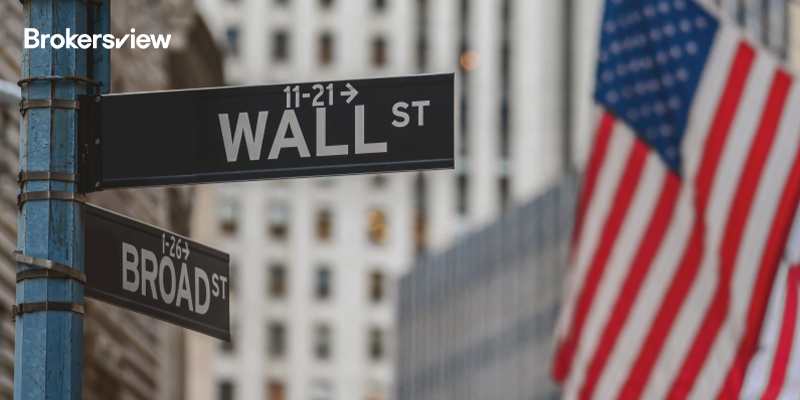
Top Wall Street executives are cautioning that global equity markets could face a decline of more than 10% within the next two years, describing it as a normal part of the market cycle rather than a sign of crisis.
Speaking at a financial summit hosted by the Hong Kong Monetary Authority, Capital Group CEO Mike Gitlin said valuations were becoming stretched even as corporate earnings remained solid. "Most people would say we're somewhere between fair and full," he said, suggesting that few now view markets as cheap. He also noted that credit spreads remain tight, adding to concerns about compressed risk premiums.
Morgan Stanley CEO Ted Pick and Goldman Sachs CEO David Solomon echoed the sentiment, with both predicting that a pullback of 10% to 15% could be "a healthy development." Pick pointed to "policy error risk" in the United States and ongoing geopolitical uncertainty as potential catalysts for a correction. Solomon added that such drawdowns often occur even during long-term bull markets, allowing investors to reassess their portfolios.
Data from Bloomberg show the S&P 500 currently trades at around 23 times forward earnings, well above its five-year average of 20, while the Nasdaq 100 sits at 28 times earnings, up from about 19 in 2022. Futures on the Nasdaq fell nearly 1.8% on Tuesday, with Palantir Technologies sliding over 7% in pre-market trading amid valuation concerns.
Citadel CEO Ken Griffin warned that markets may be "very deep into a bull run," noting that investor sentiment tends to become most irrational at both market peaks and troughs.
While some executives cautioned about excessive optimism, others emphasized that temporary corrections can bring balance. "It just means things run and then they pull back so people can reassess," Solomon said.
Market analysts say any sustained decline could influence retail investor behavior—prompting some to reduce exposure or shift to defensive assets, while others may treat lower prices as buying opportunities, heightening short-term volatility.

Hottest




Copyright © 2025 FastBull Ltd


Risk Warning:
FX trading is of high risk and may not be suitable for all investors. Leverage will create additional risks and loss. Before trading, please carefully consider your investment objectives, experience level and risk tolerance. You may lose part or all of your initial investment; do not invest money that you cannot afford. Educate yourself about the risks associated with FX trading. If you have any questions, please consult an independent financial or tax advisor. Any data and information are provided "as is" and only for information purpose, not for trading or recommendations. Past performance does not predict future results.
Disclaimer:
The data contained in this website may not be real-time and accurate. The data and prices on this site are not necessarily provided by the market or exchange, but may be provided by market makers, so prices may be inaccurate and differ from actual market prices. Namely, this price is indicative price only to reflect market trend, and is unfavorable for trading purpose. The provider of the data contained in the Website shall not be liable for any loss incurred by you as a result of your trading activities or reliance on the information contained in the Website.