


Southeast Asia's Anti-Fraud Wave Exposes Cross-Border Crypto Scams
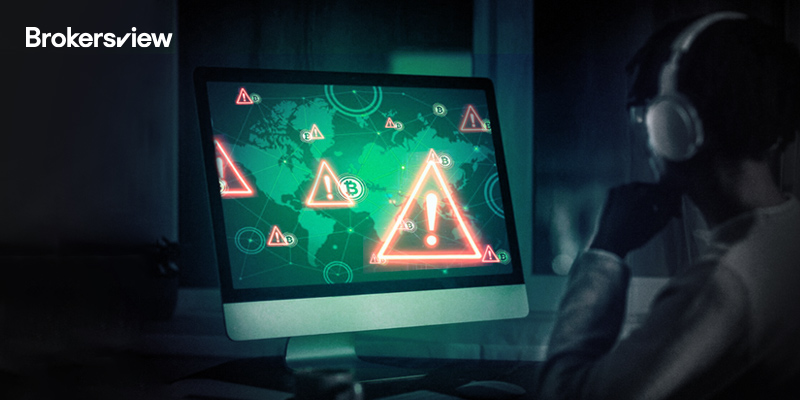
Highly organized cross-border scam networks have spread rapidly across Southeast Asia in recent years, employing diversified tactics and increasingly sophisticated technologies. These operations have caused severe financial losses to countless traders—and in many cases, victims have even suffered serious physical harm. Many are drained of their savings before they realize what's happening, while the machinery behind these crimes involves cryptocurrency transactions, laundering channels, coercive control, and advanced fraud techniques.
Recently, BrokersView reported that the U.S. Department of Justice, together with federal law enforcement agencies and multiple partners, has launched a new Scam Center Task Force to address crypto-related fraud targeting U.S. investors. The initiative aims to shield the public from highly coordinated, transnational scams.
Investigations show that certain parts of Southeast Asia have evolved into large-scale hubs of "scam compounds," where dozens of buildings and hundreds of rooms are sealed off behind fortified walls and guarded entrances. These compounds serve as operational centers for orchestrating cross-border scams. At the same time, some cryptocurrency platforms provide technical tools and financial channels for these groups—ranging from virtual currency transactions and "guarantee" services to gambling sites and ads promoting fraudulent tech solutions. These activities facilitate tens of billions of dollars in illicit flows, giving criminal groups both liquidity and laundering capacity.
The tactics used blend high-tech tools with social engineering. Scammers rely on AI-generated voices and faces, fake social media identities, and fabricated documents to lure victims into investing. Once a target is hooked, the funds are transferred through crypto or underground banking networks at high speed, making traditional financial oversight and law enforcement tracking extremely difficult.
A notable recent development is the U.S. government's seizure of $15 billion in crypto assets linked to major fraud networks—the largest cryptocurrency confiscation to date. These actions demonstrate that regulatory and enforcement efforts can disrupt a portion of the financial infrastructure supporting such networks. However, scam compounds and related groups in Southeast Asia continue to operate, and many of the so-called "crackdowns" remain superficial, functioning more as public relations displays than genuine reform.
From a prevention standpoint, both the public and financial institutions must remain vigilant.
Individual investors should be cautious with any unsolicited investment contact, recognizing that a cross-border scam network may sit behind a friendly message or professional-looking platform.
Financial institutions, especially those connected to digital asset services, must strengthen monitoring of suspicious flows and intervene early to cut off the funding pipelines that sustain these organizations.
The cross-border crypto scam ecosystem highlights the complexity and opacity of modern transnational organized crime. Public awareness, stronger financial and digital literacy, and deeper regulatory and enforcement cooperation are all essential in curbing these operations.
BrokersView Reminds You
If you have encountered fraudulent activity involving crypto platforms, you may submit your complaint and evidence via the BrokersView complaint page.
Hottest




Copyright © 2025 FastBull Ltd


Risk Warning:
FX trading is of high risk and may not be suitable for all investors. Leverage will create additional risks and loss. Before trading, please carefully consider your investment objectives, experience level and risk tolerance. You may lose part or all of your initial investment; do not invest money that you cannot afford. Educate yourself about the risks associated with FX trading. If you have any questions, please consult an independent financial or tax advisor. Any data and information are provided "as is" and only for information purpose, not for trading or recommendations. Past performance does not predict future results.
Disclaimer:
The data contained in this website may not be real-time and accurate. The data and prices on this site are not necessarily provided by the market or exchange, but may be provided by market makers, so prices may be inaccurate and differ from actual market prices. Namely, this price is indicative price only to reflect market trend, and is unfavorable for trading purpose. The provider of the data contained in the Website shall not be liable for any loss incurred by you as a result of your trading activities or reliance on the information contained in the Website.