





- USDCAD
- XAUUSD
- XAGUSD
- WTI
- USDX










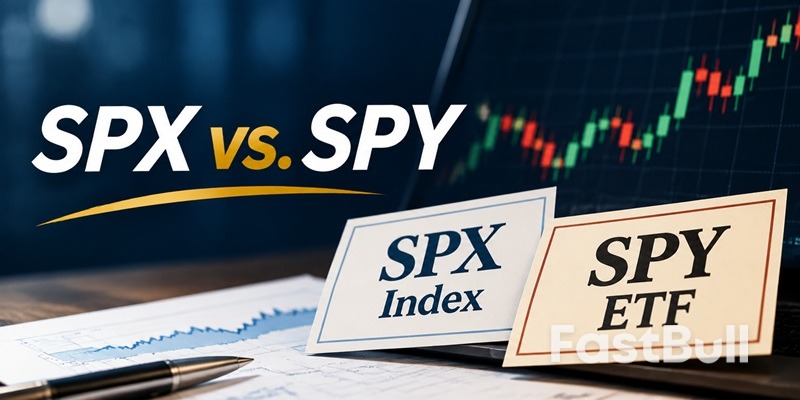
يوفر كل من SPX وSPY إمكانية الوصول إلى مؤشر ستاندرد آند بورز 500، لكنهما أداتان مختلفتان. SPX هو المؤشر نفسه، بينما SPY هو صندوق متداول في البورصة (ETF) يتتبعه. يؤثر هذا التمييز على التسعير والتداول واستخدام المحفظة.
ما هما مؤشرا SPX و SPY؟
ما هو مؤشر SPX؟
SPX هو الرمز المستخدم عادةً لمؤشر S&P 500، وهو مؤشر مرجعي لأكبر 500 شركة أمريكية. يتم ترجيح المؤشر وفقًا للقيمة السوقية المعدلة حسب الأسهم المتاحة للتداول، لذا فإن الشركات الأكبر حجمًا عادةً ما يكون لها تأثير أكبر على مستواه.
مؤشر SPX هو قيمة مؤشر، وليس سهماً أو صندوقاً استثمارياً. لا يمكن للمستثمرين شراؤه مباشرةً، ولكن يمكنهم الحصول على انكشاف على مؤشر SP500 من خلال صناديق المؤشرات المتداولة أو المشتقات المالية مثل خيارات SPX.
ما هو برنامج التجسس (SPY)؟
SPY هو صندوق State Street SPDR SP 500 ETF Trust، وهو صندوق متداول في البورصة مصمم لتتبع مؤشر SP 500 قبل خصم مصاريف الصندوق. يتم تداوله في بورصة نيويورك أركا، مما يتيح للمستثمرين شراء وبيع الأسهم من خلال حساب وساطة خلال يوم التداول.
على عكس مؤشر ستاندرد آند بورز 500 (SPX)، يُمكن الاستثمار في صندوق SPY مباشرةً. يمتلك الصندوق محفظة أسهم مصممة لتتبع المؤشر، ويتلقى أرباحًا من هذه الأسهم، ويوزع الدخل على المساهمين. تبلغ نسبة المصاريف الإجمالية 0.0945% اعتبارًا من 18 نوفمبر 2026؛ يُرجى مراجعة أحدث وثائق الصندوق لأن الرسوم قابلة للتغيير.
| ميزة | SPX | جاسوس |
|---|---|---|
| يكتب | مؤشر ستاندرد آند بورز 500 | صندوق المؤشرات المتداولة لمؤشر ستاندرد آند بورز 500 |
| هل يمكن الاستثمار فيه مباشرة؟ | لا | نعم، من خلال أسهم صناديق المؤشرات المتداولة |
| مقتبس من | نقاط المؤشر | دولار للسهم |
| توزيعات الأرباح | مستبعد من مؤشر الأسعار | يستلم ويوزع دخل الصندوق |
| الاستخدام الشائع | مشتقات المؤشرات والمعايير | الاستثمار وتداول خيارات صناديق المؤشرات المتداولة |
كيف تتم مقارنة مؤشري SPX و SPY من حيث السعر والأداء؟
لماذا سعر مؤشر SPX أعلى من سعر مؤشر SPY؟
يُقاس مؤشر SPX بنقاط المؤشر، بينما يُقاس مؤشر SPY بالدولار الأمريكي لكل سهم من أسهم الصندوق المتداول في البورصة. عادةً ما يكون مستوى SPX أعلى بعشر مرات تقريبًا من سعر سهم SPY. هذا الاختلاف في وحدات القياس ليس دليلًا على أن قيمة SPX أعلى بعشر مرات أو أن SPY نسخة مخفضة من المؤشر.
النسبة ليست ثابتة. يمكن أن تؤدي توزيعات SPY ونفقات الصندوق واختلافات التتبع والعلاوات أو الخصومات الصغيرة على صافي قيمة الأصول (NAV) إلى تغيير العلاقة بمرور الوقت.
كيفية حساب فرق السعر بين مؤشر ستاندرد آند بورز 500 ومؤشر ستاندرد آند بورز 500
اقسم مستوى مؤشر SPX على سعر سهم SPY في نفس التاريخ:
نسبة مؤشر ستاندرد آند بورز 500 إلى مؤشر ستاندرد آند بورز 500 = مستوى مؤشر ستاندرد آند بورز 500 ÷ سعر سهم مؤشر ستاندرد آند بورز 500
في 18 نوفمبر 2026، أغلق مؤشر ستاندرد آند بورز 500 عند 7323.63 نقطة، بينما أغلق مؤشر SPY عند 730.20 دولارًا. وبلغت النسبة حوالي 10.03. هذه مقارنة بين مستويات المؤشرين المعلنة، وليست معدل تحويل أو مقياسًا للأداء.
لمقارنة العوائد بمرور الوقت، استخدم التغيرات النسبية بدلاً من الأسعار الخام:
نسبة العائد = (القيمة النهائية - القيمة الابتدائية) ÷ القيمة الابتدائية × 100
هل يتمتع مؤشرا SPX وSPY بنفس الأداء؟
صُمم صندوق SPY لتتبع مؤشر S&P 500، لذا فإن تحركات أسعارهما النسبية متقاربة عمومًا، ولكنها ليست متطابقة. قد تُحدث مصاريف الصندوق، واختلافات التتبع، والعلاوات أو الخصومات على صافي قيمة الأصول فجوات طفيفة.
The dividend treatment also matters. The commonly quoted SPX level is a price index and excludes dividends. SPY receives dividends from its holdings, and its published total-return figures assume reinvestment of dividends and capital gains, net of fund fees.
For a fair comparison, match the measures: compare the SP 500 price index with SPY's price return, or compare the SP 500 Total Return Index with SPY's total return. When charting, reset both series to 100 at the start date to compare percentage performance. Comparing a price index with a dividend-reinvested ETF return mixes two different measures.
How Are SPX and SPY Options Different?
Contract Size and Notional Value
Both standard SPX and SPY options have a $100 contract multiplier, but they represent different underlying values. An SPX contract represents 100 times the index level; a standard SPY contract represents 100 ETF shares. Because SPX is usually about ten times SPY's share price, one SPX contract generally has about ten times the notional exposure.
Using the November 18, 2026 closing levels:
- One SPX contract: about $732,363 in notional exposure (7,323.63 × $100).
- One SPY contract: about $73,020 ($730.20 × 100 shares).
Notional exposure is not the option premium or the amount paid to open a position. The premium is the option quote multiplied by the contract multiplier. Larger SPX exposure can mean larger dollar gains and losses for a similar percentage move.
Cash Settlement vs. Physical Settlement
SPX options are cash-settled. At expiration, the difference between the settlement value and strike price is credited to or debited from the account; no ETF shares are delivered.
SPY options are physically settled. Exercising a standard contract involves buying or selling 100 SPY shares at the strike price. SPY options are American-style and can be exercised before expiration, creating early assignment risk for option sellers.
SPX options are European-style and can only be exercised at expiration. This removes early assignment risk, but expiration and settlement risks remain.
SPX vs. SPY for 0DTE Trading
0DTE means zero days to expiration: the option expires on the current trading day. Both products have short-dated options, but their listed schedules differ. SPX weekly and end-of-month options currently have weekday expirations; SPY options are listed for Monday, Wednesday, and Friday, plus standard monthly and end-of-month dates. Check the option chain and Cboe contract specifications for the exact expiration and settlement time.
SPX may suit traders seeking larger index exposure, cash settlement, and European-style exercise. SPY may suit traders who prefer smaller contract exposure and accept the possibility of ETF share delivery or assignment.
Both carry substantial 0DTE risk. Options can lose value rapidly near expiration, and small moves in the underlying can cause large changes in option prices. Position size and expiration risk matter more than assuming one product is automatically safer.
Options Volume and Liquidity
Both markets are active, but contract counts alone do not provide an equal comparison. One SPX contract represents roughly ten times the underlying exposure of one SPY contract.
Compare bid-ask spreads, volume, open interest, and market depth for the specific strike and expiration. SPY's smaller contract size allows finer position adjustments, while SPX provides larger exposure through fewer contracts.
Tax Treatment: Section 1256 vs. Standard Tax Rules
Qualifying SPX index options generally receive Section 1256 treatment. Gains and losses are typically treated as 60% long-term and 40% short-term, regardless of holding period. Section 1256 contracts are also generally marked to market at year-end.
SPY options generally follow standard equity option tax rules, with gains and losses classified as short-term or long-term under the applicable holding-period rules.
Tax results depend on the contract, strategy, and taxpayer. Straddles and hedging transactions may trigger special rules, so consult a qualified tax professional before choosing a product for tax reasons.
SPX vs. SPY vs. VOO vs. ES: What Are the Differences?
SPY vs. VOO: Which SP 500 ETF Is Better?
SPY and VOO both track the SP 500 and provide exposure to broadly similar portfolios. Their main differences include fees and trading use. SPY has an established options market, which can matter to active traders. VOO may appeal to long-term investors because of its lower expense ratio.
As of the latest fund data checked for this article, SPY's gross expense ratio was 0.0945% (November 18, 2026), compared with 0.03% for VOO (April 28, 2026). Fees can change, so check each fund's latest prospectus.
SPX vs. ES: Index vs. Futures
SPX is the SP 500 Index; ES is the contract code for CME Group's E-mini SP 500 futures. Each ES contract has a multiplier of $50 times the futures price. Futures provide leveraged exposure because traders post margin rather than paying the full notional value.
ES trades nearly 23 hours a day from Sunday through Friday, providing access outside regular U.S. stock-market hours. See CME Group's E-mini SP 500 futures details for current contract information. Leverage can magnify gains and losses, and futures are subject to margin requirements and expiration rules. SPX is an index, SPY is an ETF, and ES is a futures contract.
Which Is Better: SPX or SPY?
Which Is Better for Long-Term Investors?
للاستثمار طويل الأجل في مؤشر S&P 500، يُعدّ صندوق SPY أكثر عملية من صندوق SPX، إذ يُمكن للمستثمرين شراء أسهم صناديق المؤشرات المتداولة والاحتفاظ بها في حساب وساطة واستلام توزيعات الأرباح. مع ذلك، يُنصح أيضًا بمقارنة صندوق VOO نظرًا لانخفاض نسبة مصاريفه. لا يُمكن شراء صندوق SPX مباشرةً، ولا يُعدّ بديلاً عن صناديق المؤشرات المتداولة في المحفظة الاستثمارية التقليدية.
أيهما أفضل للمتداولين النشطين؟
يعتمد الاختيار على أهداف التداول وحجم الحساب ومدى تحمل المخاطر:
- خيارات مؤشر SPX: ضع في اعتبارك التعرض الأكبر للمؤشر، والتسوية النقدية، والممارسة على النمط الأوروبي، والمعاملة المواتية المحتملة بموجب المادة 1256.
- خيارات SPY: ضع في اعتبارك هذه الخيارات للحصول على انكشاف تعاقدي أصغر، وممارسة على الطريقة الأمريكية، والقدرة على تداول أو الاحتفاظ بأسهم صندوق المؤشرات المتداولة الأساسية.
لا يوجد خيار أفضل من الآخر بشكل مطلق. قد يناسب مؤشر SPX المتداولين ذوي الخبرة الذين يديرون مراكز كبيرة، بينما يوفر مؤشر SPY تعرضًا أكثر دقة. قارن قيمة المركز، وقواعد التسوية، وتكاليف المعاملات، والخسائر المحتملة قبل التداول.


