





- XAUUSD
- XAGUSD
- WTI
- USDX















كم ينبغي عليك المساهمة في خطة التقاعد 401(k)؟ نقطة البداية العملية هي المساهمة بما يكفي للحصول على كامل مساهمة صاحب العمل، ثم العمل على ادخار حوالي 15% من دخلك قبل الضريبة للتقاعد، بما في ذلك مساهمات صاحب العمل. يعتمد هدفك على عمرك ومدخراتك الحالية ودخلك وأهدافك التقاعدية.
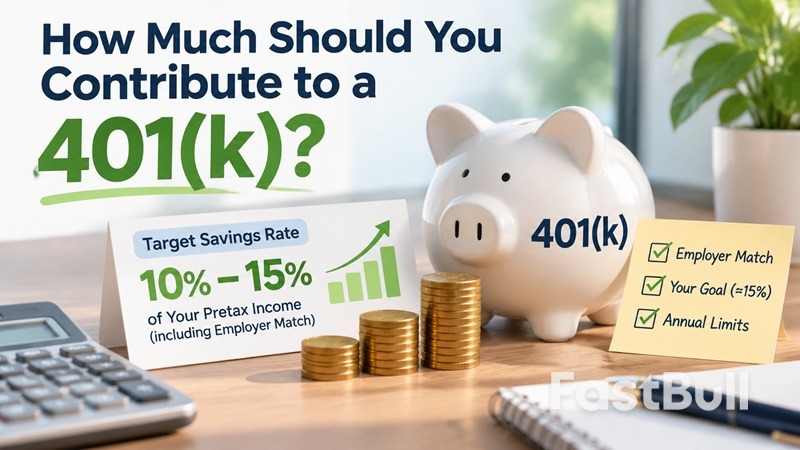
ما هي النسبة المئوية من راتبك التي يجب أن تساهم بها في خطة التقاعد 401(k)؟
يُعتبر ادخار 15% من دخلك قبل الضريبة للتقاعد سنوياً معياراً شائعاً، ويشمل ذلك مساهماتك الشخصية وأي مساهمة من صاحب العمل. هذا لا يعني بالضرورة أن تودع 15% من راتبك في حساب التقاعد الخاص بك (401(k)). يمكن أن تكون مساهمتك الشخصية أقل إذا ساهم صاحب العمل بمبلغ إضافي أو إذا كنت تدخر أيضاً في حساب التقاعد الفردي (IRA).
ابدأ بالحصول على مساهمة صاحب العمل الكاملة
إذا كان صاحب العمل يساهم بمبلغ مماثل لمساهماتك في خطة التقاعد 401(k)، فحاول المساهمة بما يكفي للحصول على كامل المبلغ المساهم به، شريطة أن تسمح ميزانيتك بذلك. وإلا، فقد لا تستفيد من جزء من استحقاقاتك التقاعدية.
على سبيل المثال، افترض أنك تكسب 80,000 دولار وأن صاحب العمل يطابق 50٪ من مساهماتك حتى 6٪ من راتبك.
| مساهمة | مساهمتك السنوية | مطابقة صاحب العمل |
|---|---|---|
| 3% | 2400 دولار | 1200 دولار |
| 6% | 4800 دولار | 2400 دولار |
| 8% | 6400 دولار | 2400 دولار |
عند نسبة مساهمة 6%، تحصل على الحد الأقصى للمساهمة من صاحب العمل وهو 2400 دولار. رفع مساهمتك إلى 8% يضيف 1600 دولار أخرى من أموالك الخاصة، ولكنه لا يزيد من مساهمة صاحب العمل في هذا المثال.
راجع صيغة مطابقة مساهمات صاحب العمل وجدول استحقاقها في خطتك. يحدد جدول الاستحقاق متى تصبح مساهمات صاحب العمل ملكًا لك.
اسعَ لتحقيق معدل ادخار تقاعدي بنسبة 15%
توصي إرشادات شركة فيديليتي للادخار التقاعدي بتوفير ما لا يقل عن 15% من الدخل قبل الضريبة للتقاعد، بما في ذلك مساهمات صاحب العمل. هذا هدفٌ نسعى لتحقيقه، وليس قاعدةً تناسب الجميع. يمكن أن تشمل نسبة الـ 15% الأموال التي تودعها في حساب التقاعد الفردي (IRA)؛ وليس من الضروري إيداعها بالكامل في حساب التقاعد 401(k).
على سبيل المثال، إذا كان دخلك السنوي 80,000 دولار، فإن 15% منه تساوي 12,000 دولار. وإذا ساهم صاحب العمل بمبلغ 2,400 دولار من خلال برنامج المطابقة، فستحتاج إلى ادخار 9,600 دولار إضافية بنفسك عبر حسابات التقاعد الخاصة بك لتحقيق هذا الهدف.
ماذا لو لم تستطع تحمل تكلفة المساهمة بهذا القدر؟
ليس عليك الوصول إلى نسبة 15% فورًا. ابدأ بمبلغ يمكنك الحفاظ عليه، ثم زدّه تدريجيًا عندما تتحسن ميزانيتك. إن أمكن، احصل أولًا على كامل مساهمة صاحب العمل. يمكنك أيضًا زيادة مساهمتك بنسبة مئوية واحدة بعد زيادة راتبك، واستخدام الاستقطاعات التلقائية من الراتب للحفاظ على ادخارك بانتظام.
كيفية حساب مساهمتك في خطة التقاعد 401(k)
تُحسب معظم مساهمات خطة التقاعد 401(k) كنسبة مئوية من الراتب المؤهل. لتقدير مساهمتك السنوية، اضرب راتبك في نسبة مساهمتك.
مساهمة الموظف السنوية = الراتب السنوي × معدل المساهمة
على سبيل المثال، إذا كان دخلك السنوي 80,000 دولار أمريكي، وساهمت بنسبة 8%، فستوفر 6,400 دولار أمريكي سنويًا. وإذا كنت تتقاضى راتبك كل أسبوعين، أي 26 مرة في السنة، فإن ذلك يعادل حوالي 246.15 دولارًا أمريكيًا لكل راتب.
احسب مساهمتك بناءً على راتبك
The table shows how different contribution rates affect savings on an $80,000 salary. It assumes 26 paychecks per year and does not include employer matching.
| Contribution Rate | Annual Contribution | Biweekly Contribution |
|---|---|---|
| 3% | $2,400 | $92.31 |
| 5% | $4,000 | $153.85 |
| 8% | $6,400 | $246.15 |
| 10% | $8,000 | $307.69 |
| 12% | $9,600 | $369.23 |
| 15% | $12,000 | $461.54 |
Your actual take-home pay will depend on whether you use a traditional or Roth 401(k), your tax situation, and how your plan calculates eligible compensation.
Estimate Your Contribution Per Paycheck
Use the calculator to estimate your employee contribution, amount per paycheck, employer match, and combined annual contributions. It assumes a flat employer match percentage up to the salary percentage you enter. Some plans use tiered formulas, so check your plan documents for an exact match calculation.
401(k) Contribution Calculator
Annual Employee Contribution: $6,400.00
Contribution Per Paycheck: $246.15
Estimated Annual Employer Match: $2,400.00
Total Annual Contributions: $8,800.00
Note: This calculator provides estimates and does not account for IRS contribution limits, vesting schedules, tiered employer matching formulas, or payroll rounding.
How Should Your 401(k) Contribution Change With Age and Income?
The right contribution rate depends partly on how long your savings have to grow and how much you have already accumulated. Someone who starts in their 20s has more time to invest than someone who begins in their 40s or 50s.
Starting Early vs. Catching Up Later
Starting early gives contributions more time to benefit from compounding. If you begin in your 20s or early 30s, working toward a 15% retirement savings rate, including employer contributions, can be a useful benchmark.
If you start later, you may need to save a larger share of your income, work longer, or adjust your retirement spending expectations. Workers aged 50 and older may also be eligible for catch-up contributions, subject to plan rules and annual IRS limits.
Adjusting Contributions Based on Your Retirement Goals
Income affects the dollar amount you save. A 10% contribution from a $60,000 salary is $6,000 a year; the same rate on a $100,000 salary is $10,000. But income alone does not determine whether you are on track. Consider your current retirement balance, planned retirement age, expected expenses, and other income sources such as Social Security, a pension, an IRA, or taxable investments.
What Are the 401(k) Contribution Limits for 2026 and 2027?
The IRS sets annual limits on employee 401(k) contributions and on total additions to a defined contribution plan. The 2027 limits were announced in November 2026.
Employee Contribution Limits and Catch-Up Contributions
For 2026, employees can defer up to $24,500 into traditional and Roth 401(k) accounts combined. For 2027, the limit increases to $25,500. Employees aged 50 or older may be able to contribute an additional catch-up amount if their plan permits it.
| Age Group | 2026 Employee Limit | 2027 Employee Limit |
|---|---|---|
| Under 50 | $24,500 | $25,500 |
| 50–59 and 64+ | $32,500 | $34,000 |
| Ages 60–63 | $35,750 | $37,250 |
The age 60–63 limit includes the higher catch-up amount instead of the standard catch-up; it is not added on top of it. Traditional and Roth 401(k) salary deferrals share the same employee limit. If you participate in more than one 401(k) or 403(b) plan during the year, your employee deferrals generally count toward the same annual limit.
How Employer Contributions Affect the Annual Limit
Employer matching and nonelective contributions do not count toward the regular employee deferral limit, but they do count toward the overall annual additions limit.
For most defined contribution plans, that limit is the lesser of 100% of eligible compensation or:
| Tax Year | Overall Annual Additions Limit |
|---|---|
| 2026 | $72,000 |
| 2027 | $75,000 |
Catch-up contributions that qualify under IRS rules are generally excluded from this overall limit. Check your plan rules before trying to maximize contributions. Your employer may impose plan-specific restrictions, and the plan must permit catch-up contributions.
For the official figures, see the IRS announcement of the 2027 contribution limits and IRS Notice 2026-66.
Should You Increase or Max Out Your 401(k)?
Maxing out your 401(k) can help build retirement savings faster, but it is not automatically the best choice for every household. Consider your income, cash reserves, debt, employer benefits, and other financial goals before increasing contributions.
When It Makes Sense to Increase Your Contributions
Increasing contributions can make sense when your salary rises, essential expenses are covered, and you have enough emergency savings. You may also want to increase your rate if you are behind on your retirement target or want to make full use of the annual limit.
A practical approach is to raise your contribution gradually rather than making a large change that strains your monthly budget. Check how much you have already contributed during the year so you do not accidentally exceed the applicable limit.
When Other Financial Priorities Come First
If you have no emergency savings or carry high-interest credit card debt, putting every available dollar into your 401(k) may not be sensible. Consider keeping cash for unexpected expenses and paying down expensive debt while contributing enough to receive the full employer match when possible.
You do not have to choose one goal exclusively. A balanced plan can maintain retirement contributions while improving your short-term financial stability.
Is a 401(k) Enough for Retirement?
يمكن أن يكون حساب التقاعد 401(k) مصدراً رئيسياً للدخل التقاعدي، ولكن مدى كفايته يعتمد على معدل ادخارك، وأداء استثماراتك، وسن التقاعد، واحتياجاتك الإنفاقية. يجمع الكثيرون بين حساب التقاعد 401(k) والضمان الاجتماعي، أو حساب التقاعد الفردي (IRA)، أو المعاش التقاعدي، أو استثمارات أخرى.
راجع مدخراتك ومعدل مساهماتك بانتظام، خاصةً بعد أي تغيير في الراتب أو حدث مهم في حياتك. الهدف هو بناء موارد كافية لدعم نمط الحياة الذي تتوقعه بعد التقاعد، وليس مجرد الوصول إلى الحد الأقصى للمساهمة كل عام.


