• تجارة
  • أسعار السوق
  • ينسخ
  • منافسة
  • 24/7
  • تقويم
  • سؤال وجواب
  • محادثة
المرشحات
الأصول
الحالي
سعر الشراء
سعر البيع
أعلى
أدنى
صافي التغير
% التغير
السبريد
مصدر
SPX
S&P 500 Index
7592.40
7592.40
7592.40
7652.76
7550.84
-26.98
-0.35%
--
--
DJI
Dow Jones Industrial Average
52297.09
52297.09
52297.09
52751.22
52271.16
-189.40
-0.36%
--
--
IXIC
NASDAQ Composite Index
25366.08
25366.08
25366.08
25597.23
25068.28
-100.10
-0.39%
--
--
USDX
مؤشر الدولار الأمريكي
103.090
103.090
103.170
103.173
102.940
+0.020
+ 0.02%
--
--
EURUSD
اليورو/الدولار الأمريكي
1.10518
1.10518
1.10527
1.10725
1.10440
-0.00024
-0.02%
--
--
GBPUSD
الجنيه الاسترليني/الدولار الأمريكي
1.32315
1.32315
1.32327
1.32500
1.32177
-0.00032
-0.02%
--
--
XAUUSD
Gold / US Dollar
3886.37
3886.37
3886.80
3922.97
3872.76
+9.28
+ 0.24%
--
--
WTI
Light Sweet Crude Oil
88.022
88.022
88.052
88.402
86.859
+0.277
+ 0.32%
--
--

حساب المجتمع

حسابات الإشارة
--
حسابات الربح
--
حسابات الخسارة
--
عرض المزيد

كن مزود إشارة

بيع إشارات التداول لكسب دخل إضافي

عرض المزيد

دليل لتداول النسخ

ابدأ بسهولة وثقة

عرض المزيد

حسابات الإشارات للأعضاء

جميع حسابات الإشارات

أفضل عائد
  • أفضل عائد
  • أفضل P/L
  • أفضل MDD
الأسبوع الماضي
  • الأسبوع الماضي
  • الشهر الماضي
  • السنة الماضية

جميع المسابقات

  • الجميع
  • تحديثات ترامب
  • الأسهم
  • العملات المشفرة
  • البنوك المركزية
  • يوصي
  • الأخبار المميزة
اعرض الأهم فقط
مشاركة

انخفضت العقود الآجلة للغاز الطبيعي في الولايات المتحدة بأكثر من 3.00%، ويتم تداولها حاليًا عند 3.632 دولارًا لكل مليون وحدة حرارية بريطانية.

مشاركة

انخفض سعر الفضة الفورية بأكثر من 1.00% خلال اليوم، ويتم تداولها حاليًا عند 49.55 دولارًا للأونصة.

مشاركة

رئيسة بنك الاحتياطي الفيدرالي في بوسطن، كولينز: رفع أسعار الفائدة قد يضر بالقدرة على تحمل تكاليف السكن.

مشاركة

صرحت رئيسة بنك الاحتياطي الفيدرالي في بوسطن، كولينز، بأن مكافحة التضخم لها أولوية أعلى من أزمة الإسكان.

مشاركة

رئيسة بنك الاحتياطي الفيدرالي في بوسطن، كولينز: زيادة الإنتاجية تساعد في كبح بعض الضغوط التضخمية.

مشاركة

رئيسة بنك الاحتياطي الفيدرالي في بوسطن، كولينز: إن ضمان استقرار الأسعار أمر إيجابي على المدى الطويل لسوق الإسكان.

مشاركة

صرحت وزارة الخارجية الفرنسية بأنه من الضروري زيادة الضغط على المتمردين الحوثيين في اليمن لإجبارهم على وقف هجماتهم غير المقبولة، وخاصة تلك التي تستهدف المملكة العربية السعودية.

مشاركة

محافظ البنك المركزي البرازيلي غاليبولو: لم نأخذ في الاعتبار بعد تأثير معدل الضريبة لإصلاح ضريبة الاستهلاك.

مشاركة

أدرج قسم الأبحاث العالمية في بنك أوف أمريكا في توقعاته رفع سعر الفائدة بمقدار 25 نقطة أساس من قبل الاحتياطي الفيدرالي في يناير 2027؛ ويتوقع حاليًا رفع أسعار الفائدة في ديسمبر ويناير ومارس 2026.

مشاركة

وبحسب التقارير، نفذ الجيش الإسرائيلي عملية هدم واسعة النطاق في بلدة الخيام وبالقرب من زوتر غربية في جنوب لبنان.

مشاركة

سيلقي جون كولينز، العضو المصوّت في لجنة السوق المفتوحة الفيدرالية لعام 2028 ورئيس بنك الاحتياطي الفيدرالي في بوسطن، الكلمة الافتتاحية في المؤتمر الاقتصادي السنوي السبعين الذي يستضيفه بنك الاحتياطي الفيدرالي في بوسطن خلال عشر دقائق.

مشاركة

صرح مدير السياسة النقدية في البنك المركزي البرازيلي، غاليبورو، بأن التضخم الذي يتجاوز النطاق المستهدف يمثل مصدر قلق كبير للبنك المركزي، ولكنه لا يزال أقل بنسبة أقل من نقطة مئوية واحدة من أسعار الفائدة الأمريكية.

مشاركة

أصدرت البحرية الأمريكية بياناً بشأن عودة المدمرة بعد 11 شهراً.

مشاركة

عادت المدمرة التابعة للبحرية الأمريكية "يو إس إس مايكل مورفي" إلى الوطن بعد إتمام مهمتها في الشرق الأوسط.

مشاركة

انخفض سعر عقد الألومينا الرئيسي بنسبة 2.00% خلال اليوم، ويتم تداوله حاليًا عند 2579 يوان/طن.

مشاركة

قال رئيس بنك الاحتياطي الفيدرالي في شيكاغو، غولزبي: إن بنك الاحتياطي الفيدرالي ليس على المسار الصحيح حاليًا لتحقيق هدفه المتمثل في التضخم بنسبة 2٪، ويحتاج البنك المركزي إلى معالجة هذه المشكلة؛ فهو بحاجة إلى ضمان عدم ارتفاع الطلب بشكل مفرط.

مشاركة

قال رئيس بنك الاحتياطي الفيدرالي في شيكاغو، غولزبي: إذا أظهرت البيانات أن التضخم يتفاقم، فسيتخذ بنك الاحتياطي الفيدرالي إجراءات أكثر صرامة.

مشاركة

انخفض سعر الذهب الفوري بمقدار 20 دولارًا على المدى القصير، مما أدى إلى محو جميع المكاسب التي تحققت بعد إصدار بيانات مؤشر أسعار المنتجين، ويتم تداوله حاليًا عند 3874.89 دولارًا للأونصة.

مشاركة

أفاد البنك المركزي الروسي أنه اعتبارًا من 1 أكتوبر، كان المستثمرون الأجانب يمتلكون 32٪ من السندات السيادية الروسية الأوروبية.

مشاركة

من المتوقع أن يلتقي المدير العام للموساد جوفمان مع المبعوث الأمريكي الخاص للشرق الأوسط ويتكوف في ميامي.

التوقيت
الحالي
المتوقع
السابق
التأثير (PR)
أمريكا تغير مخزونات البنزين الأسبوعي من إدارة معلومات الطاقة الأمريكية

ا:--

ا: --

ا: --

WTI
  • WTI
  • XAUUSD
  • XAGUSD
  • USDX
أمريكا التغيرات الأسبوعية في واردات النفط الخام EIA

ا:--

ا: --

ا: --

WTI
  • WTI
  • XAUUSD
  • XAGUSD
  • USDX
أمريكا التغيرات الأسبوعية في مخزون زيت التدفئة EIA

ا:--

ا: --

ا: --

WTI
  • WTI
  • XAUUSD
  • XAGUSD
  • USDX
أمريكا متوسط معدل العائد علي مزاد السندات لمدة 30 سنة

ا:--

ا: --

ا: --

XAUUSD
  • XAUUSD
  • XAGUSD
  • WTI
  • USDX
أمريكا رصيد الميزانية (أکتوبر)

ا:--

ا: --

ا: --

USDX
  • USDX
  • XAUUSD
  • XAGUSD
  • WTI
الأرجنتين مؤشر أسعار المستهلك
CPI الشهري (أکتوبر)

ا:--

ا: --

ا: --

XAUUSD
  • XAUUSD
  • XAGUSD
  • WTI
  • USDX
أمريكا سندات الخزانة التي تحتفظ بها البنوك المركزية الأجنبية أسبوعيا

ا:--

ا: --

ا: --

USDX
  • USDX
  • XAUUSD
  • XAGUSD
  • WTI
ألقى رئيس مجلس الاحتياطي الفيدرالي في نيويورك، ويليامز، خطاباً.
فرنسا المؤشر المنسق لأسعار المستهلك النهائي
HICP الشهري (أکتوبر)

ا:--

ا: --

ا: --

EURUSD
  • EURUSD
  • XAUUSD
  • XAGUSD
  • WTI
  • USDX
البر الرئيسى الصينى نمو القروض المستحقة السنوي (أکتوبر)

ا:--

ا: --

ا: --

XAUUSD
  • XAUUSD
  • XAGUSD
  • WTI
  • USDX
تقرير وكالة الطاقة الدولية عن سوق النفط
البر الرئيسى الصينى المعروض النقدي السنوي M2 (أکتوبر)

ا:--

ا: --

ا: --

XAUUSD
  • XAUUSD
  • XAGUSD
  • WTI
  • USDX
البر الرئيسى الصينى المعروض النقدي السنوي M0 (أکتوبر)

ا:--

ا: --

ا: --

XAUUSD
  • XAUUSD
  • XAGUSD
  • WTI
  • USDX
البر الرئيسى الصينى المعروض النقدي السنوي M1 (أکتوبر)

ا:--

ا: --

ا: --

XAUUSD
  • XAUUSD
  • XAGUSD
  • WTI
  • USDX
البر الرئيسى الصينى مقياس التمويل الاجتماعي (أکتوبر)

ا:--

ا: --

ا: --

XAUUSD
  • XAUUSD
  • XAGUSD
  • WTI
  • USDX
منطقة اليورو الميزان التجاري (غير معدل موسميا) (أيلول/سبتمبر)

ا:--

ا: --

ا: --
EURUSD
  • EURUSD
  • XAUUSD
  • XAGUSD
  • WTI
  • USDX
منطقة اليورو الميزان التجاري (معدل موسميا) (أيلول/سبتمبر)

ا:--

ا: --

ا: --
EURUSD
  • EURUSD
  • XAUUSD
  • XAGUSD
  • WTI
  • USDX
منطقة اليورو التوظيف السنوي (معدل موسميا) (الربع 3)

ا:--

ا: --

ا: --

EURUSD
  • EURUSD
  • XAUUSD
  • XAGUSD
  • WTI
  • USDX
منطقة اليورو إجمالي الناتج المحلي
GDP المنقّح السنوي (الربع 3)

ا:--

ا: --

ا: --

الهند نمو الودائع السنوي

ا:--

ا: --

ا: --

XAUUSD
  • XAUUSD
  • XAGUSD
  • WTI
  • USDX
البرازيل مبيعات التجزئة شهريا (أيلول/سبتمبر)

ا:--

ا: --

ا: --

XAUUSD
  • XAUUSD
  • XAGUSD
  • WTI
  • USDX
كندا مبيعات الجملة الشهري (معدل موسميا) (أيلول/سبتمبر)

ا:--

ا: --

ا: --
USDCAD
  • USDCAD
  • XAUUSD
  • XAGUSD
  • WTI
  • USDX
كندا مبيعات الجملة السنوي (أيلول/سبتمبر)

ا:--

ا: --

ا: --

USDCAD
  • USDCAD
  • XAUUSD
  • XAGUSD
  • WTI
  • USDX
كندا الطلبات المعلقة في قطاع التصنيع شهريا (أيلول/سبتمبر)

ا:--

ا: --

ا: --

USDCAD
  • USDCAD
  • XAUUSD
  • XAGUSD
  • WTI
  • USDX
كندا الطلبات الجديدة في قطاع التصنيع شهريا (أيلول/سبتمبر)

ا:--

ا: --

ا: --
USDCAD
  • USDCAD
  • XAUUSD
  • XAGUSD
  • WTI
  • USDX
أمريكا PPI الشهري (معدل موسميا) (أکتوبر)

ا:--

ا: --

ا: --
USDX
  • USDX
  • XAUUSD
  • XAGUSD
  • WTI
أمريكا مؤشر أسعار المنتجين PPI السنوي (أکتوبر)

ا:--

ا: --

ا: --

USDX
  • USDX
  • XAUUSD
  • XAGUSD
  • WTI
أمريكا مؤشر أسعار المنتجين PPI الأساسي الشهري (معدل موسميا) (أکتوبر)

ا:--

ا: --

ا: --
USDX
  • USDX
  • XAUUSD
  • XAGUSD
  • WTI
أمريكا مؤشر أسعار المنتجين PPI الأساسي السنوي (أکتوبر)

ا:--

ا: --

ا: --

USDX
  • USDX
  • XAUUSD
  • XAGUSD
  • WTI
كندا مخزون قطاع التصنيع شهريا (أيلول/سبتمبر)

ا:--

ا: --

ا: --

USDCAD
  • USDCAD
  • XAUUSD
  • XAGUSD
  • WTI
  • USDX
كندا مخزون شركات البيع بالجملة شهريا (أيلول/سبتمبر)

ا:--

ا: --

ا: --

USDCAD
  • USDCAD
  • XAUUSD
  • XAGUSD
  • WTI
  • USDX
كندا مخزون شركات البيع بالجملة سنويا (أيلول/سبتمبر)

ا:--

ا: --

ا: --

USDCAD
  • USDCAD
  • XAUUSD
  • XAGUSD
  • WTI
  • USDX
أمريكا تغير مخزونات الغاز الطبيعي الأسبوعي من إدارة معلومات الطاقة الأمريكية

--

ا: --

ا: --

روسيا مؤشر أسعار المستهلك
CPI السنوي (أکتوبر)

--

ا: --

ا: --

أمريكا اجمالي عدد منصات التنقيب الأسبوعي

--

ا: --

ا: --

أمريكا اجمالي عدد منصات التنقيب عن النفط الأسبوعي

--

ا: --

ا: --

المملكة العربية السعودية مؤشر أسعار المستهلك
CPI السنوي (أکتوبر)

--

ا: --

ا: --

اليابان إجمالي الناتج المحلي GDP الحقيقي الفصلي (الربع 3)

--

ا: --

ا: --

اليابان إجمالي الناتج المحلي GDP الاسمي الفصلي (الربع 3)

--

ا: --

ا: --

المملكة المتحدة مؤشر أسعار المنازل Rightmove السنوي (نوفمبر)

--

ا: --

ا: --

البر الرئيسى الصينى الإنتاج الصناعي السنوي (YTD) (أکتوبر)

--

ا: --

ا: --

البر الرئيسى الصينى معدل البطالة في المناطق الحضرية (أکتوبر)

--

ا: --

ا: --

اليابان الناتج الصناعي النهائي الشهري (أيلول/سبتمبر)

--

ا: --

ا: --

اليابان الناتج الصناعي النهائي السنوي (أيلول/سبتمبر)

--

ا: --

ا: --

منطقة اليورو الإنتاج الصناعي السنوي (أيلول/سبتمبر)

--

ا: --

ا: --

منطقة اليورو المخرجات الصناعية شهريا (أيلول/سبتمبر)

--

ا: --

ا: --

منطقة اليورو إجمالي الأصول الاحتياطية (أکتوبر)

--

ا: --

ا: --

كندا مؤشر الثقة الاقتصادية الوطني

--

ا: --

ا: --

أمريكا مؤشر بنك الاحتياطي الفيدرالي في نيويورك للاستحواذ على سعر التصنيع (نوفمبر)

--

ا: --

ا: --

أمريكا مؤشر بنك الاحتياطي الفيدرالي في نيويورك لطلبات التصنيع الجديدة (نوفمبر)

--

ا: --

ا: --

كندا مؤشر أسعار المستهلك CPI الأساسي السنوي (أکتوبر)

--

ا: --

ا: --

كندا مؤشر أسعار المستهلك CPI الأساسي الشهري (أکتوبر)

--

ا: --

ا: --

سؤال وجواب الخبراء
    • الجميع
    • غرفة الدردشة
    • مجموعات
    • أصدقاء
    Sanjeev Ku flag
    Sanjeev Ku
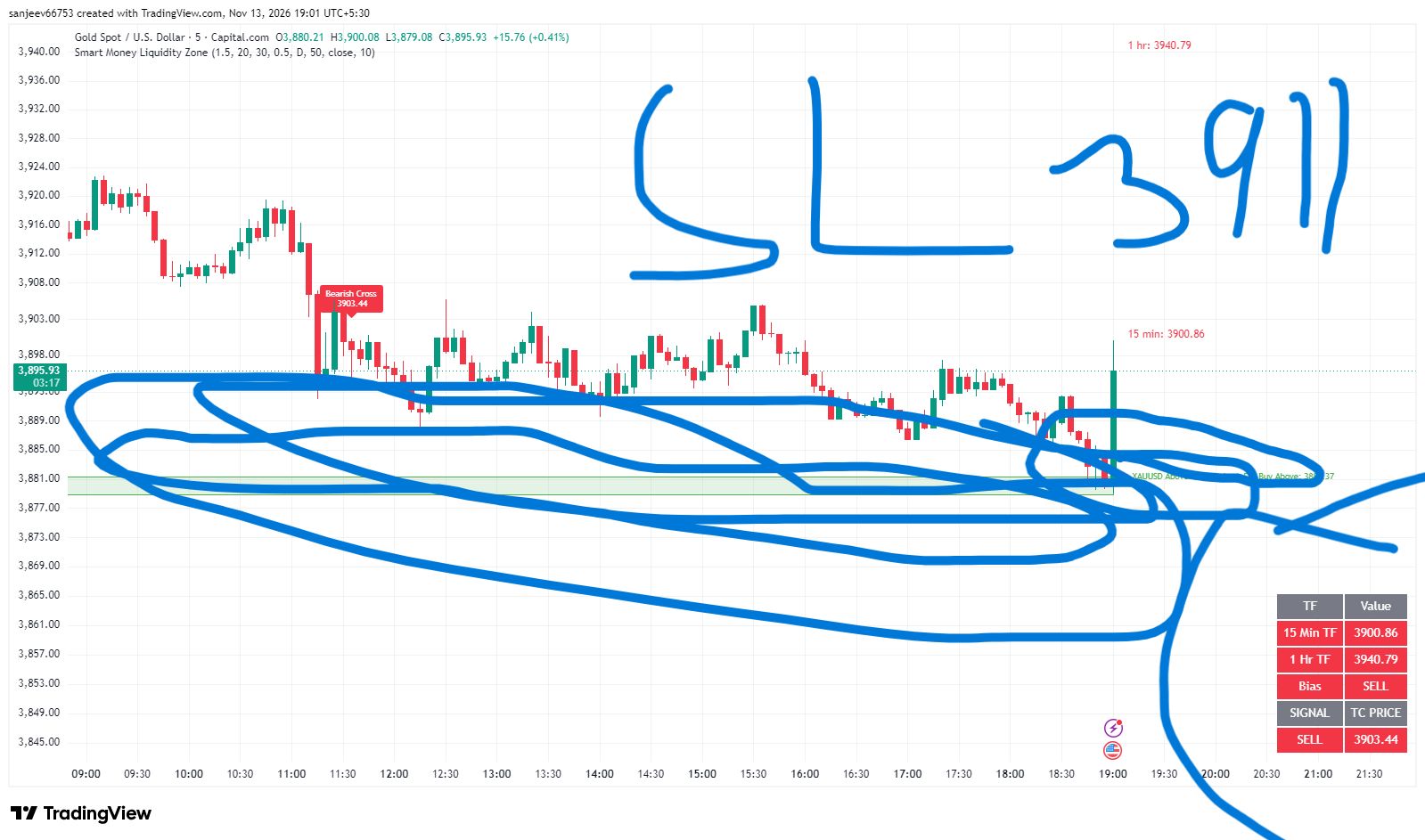
    entry 3903 sl 3911 tgt open
    Osaghae Cephas flag
    EuroTrader
    @Osaghae Cephasbuys are over for real? You think the buys are over and sells would continue lower
    yesss
    Osaghae Cephas flag
    EuroTrader
    @Osaghae Cephastake the trade on your account. Have you taken it bro..let's see how it goes for you 😜
    ok
    Fawad Khan flag
    EuroTrader
    @Fawad Khan ohh yes the data has been released..were you able to take any trades on Gold or any other currency pair
    @EuroTradercan you tell me data is against USD or in favour of USD?
    Osaghae Cephas flag
    Sanjeev Ku flag
    Sanjeev Ku
    entry 3903 sl 3911 tgt open
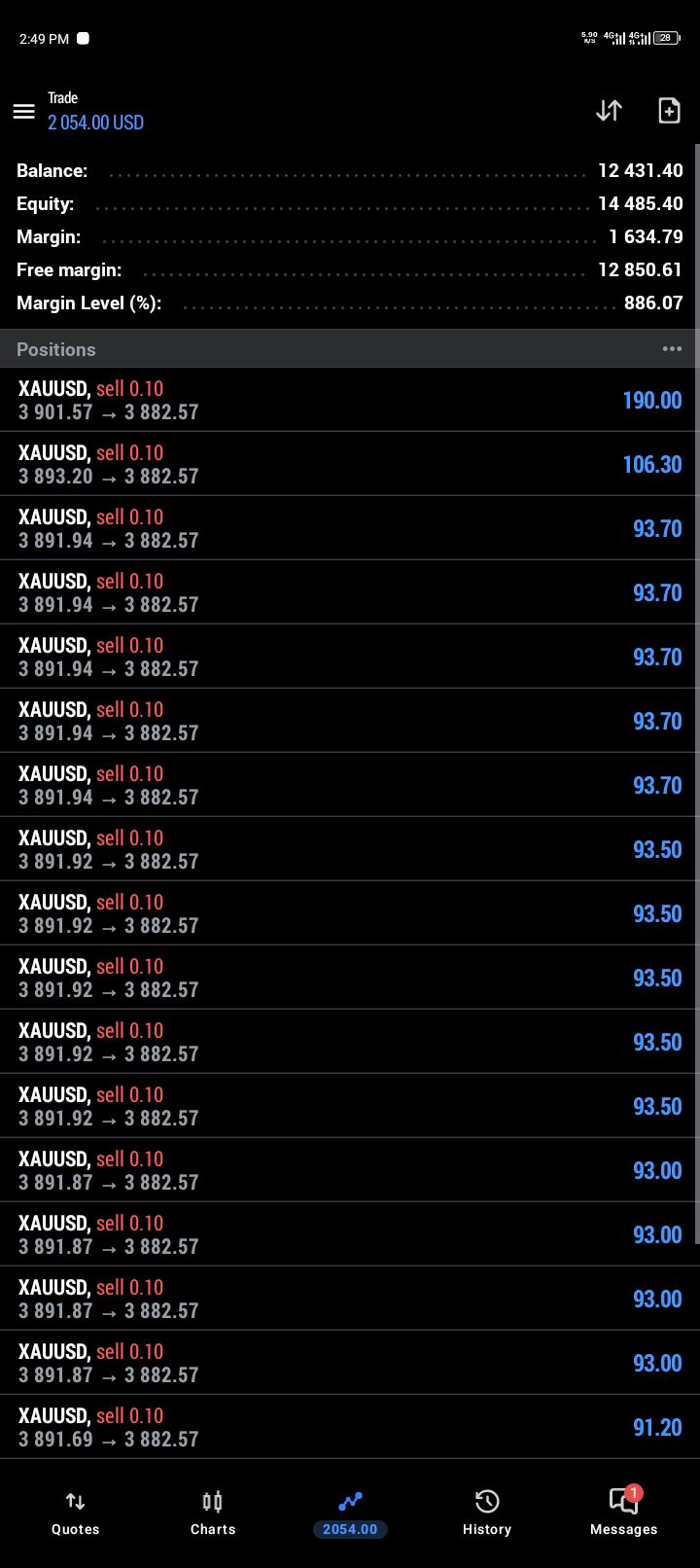
    now 3878 1:3 already
    Sanjeev Ku flag
    nhow 3875
    Oscar flag
    EuroTrader
    @Osaghae Cephastake the trade on your account. Have you taken it bro..let's see how it goes for you 😜
    @EuroTraderbro do you have another pair you can recommend to me
    john flag
    The Apache
    buyers of silver and gold may have a plan . so i sit with my thoughts
    @The Apache what is your plan ? What levels are you watching?
    john flag
    Capri flag
    Fawad Khan
    @EuroTradercan you tell me data is against USD or in favour of USD?
    @Fawad Khan brother focus market structure
    The Apache flag
    john
    @The Apache what is your plan ? What levels are you watching?
    @johnsilver indeed
    john flag
    Sanjeev Ku
    nhow 3875
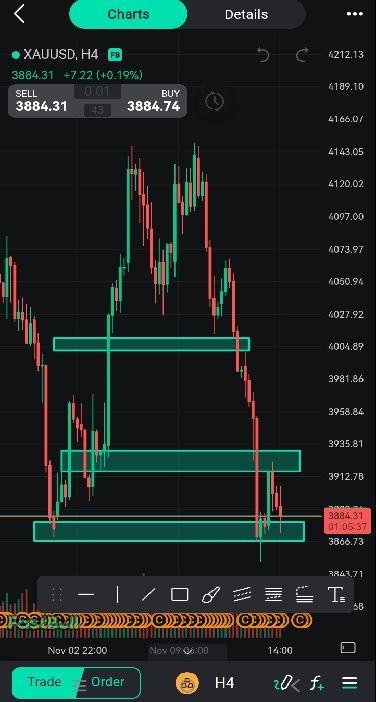
    @Sanjeev Kulooking at the current H4 gold seems poised for a further move lower
    john flag
    @The Apache But again it's Friday so let's proceed carefully whatsoever
    john flag
    The Apache
    @johnsilver indeed
    @The Apache So how are you positioned in silver at the moment
    "The Apache " قام باستدعاء رسالة
    The Apache flag
    bearish
    The Apache flag
    john
    @The Apache So how are you positioned in silver at the moment
    @johnselling
    Sanjeev Ku flag
    john
    @Sanjeev Kulooking at the current H4 gold seems poised for a further move lower
    @john yeh bro. on days like today. place strict and non neogiable sl and ride the trade with some tgt in mind. by non negotiable i mean to say that no change in sl. some changes sl when price approaching there sl no. if hits ok tata bye bye thank you. see you later. see you later not to sl but instrument haha
    Osaghae Cephas flag
    Sanjeev Ku
    @john yeh bro. on days like today. place strict and non neogiable sl and ride the trade with some tgt in mind. by non negotiable i mean to say that no change in sl. some changes sl when price approaching there sl no. if hits ok tata bye bye thank you. see you later. see you later not to sl but instrument haha
    @Sanjeev Ku😂😖 what are u saying mate..
    أكتب هنا...
    أضف اسم الأصل أو الكود

      لا توجد البينات المعلقة

      الجميع
      تحديثات ترامب
      الأسهم
      العملات المشفرة
      البنوك المركزية
      يوصي
      الأخبار المميزة
      • الجميع
      • الصراع بين روسيا وأوكرانيا
      • نقطة اشتعال الشرق الأوسط
      • الجميع
      • الصراع بين روسيا وأوكرانيا
      • نقطة اشتعال الشرق الأوسط
      بحث
      منتج

      جدول دائما مجاني

      محادثة سؤال وجواب الخبراء
      المرشحات التقويم الاقتصادي البيانات أداة
      العضوية سمات
      مخزن البيانات اتجاهات السوق بيانات مؤسسية سياسة أسعار الفائدة الاقتصاد الكلي

      اتجاهات السوق

      معنويات المضاربة في السوق دفتر الطلبات الترابط

      أهم مؤشرات

      جدول دائما مجاني
      السوق

      أخبار مالية

      24/7 تحليل التداول تعليم

      أحدث المشاهدات

      أحدث

      الإشارة

      ينسخ الترتيب إشارات AI كن مزود إشارة تصنيف AI
      منافسة
      Brokers

      ملخص الوسطاء التقييم الترتيب الجهات التنظيمية أخبار المطالبات
      قائمة الوسطاء أداة مقارنة وسطاء الفوركس مقارنة الفوارق الحية الاحتيال
      سؤال وجواب الشكوى فيديوهات التحذير من الاحتيال نصائح لاكتشاف الاحتيال
      المزيد

      عمل
      الحادث
      توظيف من نحن دعاية مركز المساعدة

      البطاقة البيضاء

      Broker API

      API البيانات

      المكونات الإضافية للويب

      برنامج التابعة لها

      الجوائز تقييم المؤسسة IB Seminar فعالية صالون معرض
      فيتنام تايلاند سنغافورة دبي
      لقاء المعجبين جلسة مشاركة الاستثمار
      قمة FastBull معرض BrokersView
      البحث الأخيرة
        الأكثر بحثا
          أسعار السوق
          تحليل التداول
          مستخدم
          24/7
          التقويم الاقتصادي
          تعليم
          البيانات
          • الاسم
          • أحدث قيمة
          • السابق

          عرض جميع نتائج البحث

          لا توجد بيانات

          اسمح، تنزيل الآن

          Faster Charts, Chat Faster!

          تحميل
          العربية
          • English
          • Español
          • العربية
          • Bahasa Indonesia
          • Bahasa Melayu
          • Tiếng Việt
          • ภาษาไทย
          • Français
          • Italiano
          • Türkçe
          • Русский язык
          • 简中
          • 繁中
          فتح حساب
          بحث
          منتج
          جدول دائما مجاني
          السوق
          أخبار مالية
          الإشارة

          ينسخ الترتيب إشارات AI كن مزود إشارة تصنيف AI
          منافسة
          Brokers

          ملخص الوسطاء التقييم الترتيب الجهات التنظيمية أخبار المطالبات
          قائمة الوسطاء أداة مقارنة وسطاء الفوركس مقارنة الفوارق الحية الاحتيال
          سؤال وجواب الشكوى فيديوهات التحذير من الاحتيال نصائح لاكتشاف الاحتيال
          المزيد

          عمل
          الحادث
          توظيف من نحن دعاية مركز المساعدة

          البطاقة البيضاء

          Broker API

          API البيانات

          المكونات الإضافية للويب

          برنامج التابعة لها

          الجوائز تقييم المؤسسة IB Seminar فعالية صالون معرض
          فيتنام تايلاند سنغافورة دبي
          لقاء المعجبين جلسة مشاركة الاستثمار
          قمة FastBull معرض BrokersView

          ما هي السياسة النقدية؟ كيف تتحكم البنوك المركزية في التضخم والاقتصاد؟

          زان تشن
          الملخص:

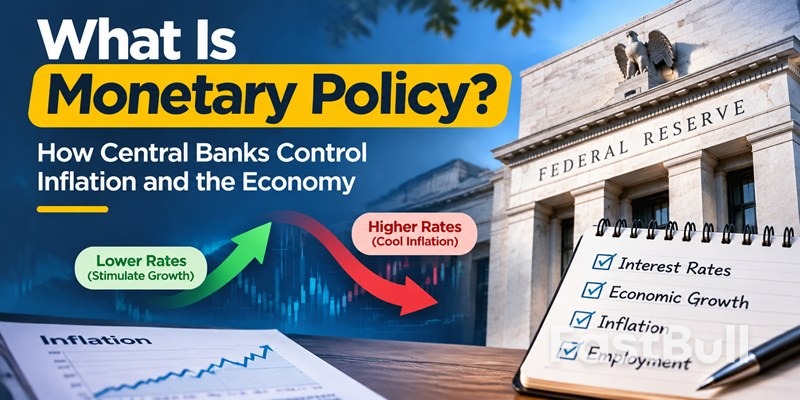
          ما هي السياسة النقدية، وكيف تعمل؟ تعرف على كيفية استخدام البنوك المركزية لأسعار الفائدة للسيطرة على التضخم، والتأثير على الاقتصاد، ودعم النمو.

          السياسة النقدية هي الوسيلة التي تؤثر بها البنوك المركزية على أسعار الفائدة والأوضاع المالية للحفاظ على التضخم تحت السيطرة واستقرار الاقتصاد. فعندما ترتفع الأسعار بسرعة كبيرة، قد يصبح الاقتراض أكثر تكلفة. وعندما يتباطأ النمو الاقتصادي، قد تنخفض تكاليف الاقتراض. وتؤثر هذه القرارات على كل شيء بدءًا من الرهون العقارية والمدخرات وصولًا إلى الوظائف واستثمارات الشركات.
          ما هي السياسة النقدية؟ كيف تتحكم البنوك المركزية في التضخم والاقتصاد؟

          ما هي السياسة النقدية؟

          تشير السياسة النقدية إلى الإجراءات التي يتخذها البنك المركزي للتأثير على تكلفة وتوافر النقود والائتمان في الاقتصاد. وتهدف إلى الحفاظ على استقرار الأسعار ودعم النشاط الاقتصادي المستدام.

          لا تتحكم البنوك المركزية بشكل مباشر في الأسعار التي يدفعها المستهلكون أو عدد العمال الذين توظفهم الشركات. بل إنها تؤثر على الأوضاع المالية، بشكل أساسي من خلال أسعار الفائدة، التي تؤثر بدورها على حجم الاقتراض والإنفاق والادخار والاستثمار.

          لنأخذ مثالاً بسيطاً. إذا ارتفع التضخم نتيجةً لإنفاق المستهلكين والشركات بوتيرة أسرع من قدرة الاقتصاد على توفير السلع والخدمات، فقد يرفع البنك المركزي أسعار الفائدة. فارتفاع تكاليف الاقتراض قد يُثبّط الإنفاق ويُخفّف الضغط على الأسعار. أما إذا تباطأ الاقتصاد وارتفعت البطالة، فقد يُخفّض البنك المركزي أسعار الفائدة لتشجيع الاقتراض والاستثمار.

          هذه القرارات هي السياسة النقدية قيد التنفيذ.

          ما هي الأهداف الرئيسية للسياسة النقدية؟

          يتمثل الهدف الرئيسي للسياسة النقدية في الحفاظ على استقرار الاقتصاد، على الرغم من اختلاف المسؤوليات المحددة بين الدول.

          في الولايات المتحدة، لدى الاحتياطي الفيدرالي هدفان رئيسيان للسياسة النقدية، ويُطلق عليهما عادةً اسم التفويض المزدوج :

          • استقرار الأسعار: الحفاظ على معدل تضخم منخفض ويمكن التنبؤ به حتى تتمكن الأسر والشركات من التخطيط لإنفاقها واستثماراتها بثقة أكبر.
          • الحد الأقصى للتوظيف: دعم أعلى مستوى من التوظيف يمكن للاقتصاد تحمله دون خلق ضغط تضخمي مستمر.

          يستهدف الاحتياطي الفيدرالي معدل تضخم بنسبة 2% على المدى الطويل، ويُقاس ذلك بمؤشر أسعار نفقات الاستهلاك الشخصي. هذا لا يعني بالضرورة انخفاض الأسعار بنسبة 2% أو ثباتها تمامًا، بل يعني أن مستوى الأسعار الإجمالي سيرتفع بوتيرة بطيئة نسبيًا ويمكن التنبؤ بها.

          قد تتعارض هذه الأهداف أحيانًا. فخفض أسعار الفائدة قد يدعم التوظيف ولكنه قد يزيد التضخم أيضًا. بينما قد يؤدي رفعها إلى كبح التضخم ولكنه قد يُضعف فرص العمل. لذا، يجب على صانعي السياسات الموازنة بين هذه الآثار بدلًا من السعي وراء هدف واحد دون مراعاة الآخر.

          من يتحكم بالسياسة النقدية؟

          تُدار السياسة النقدية عموماً من قبل البنك المركزي للدولة، وليس بشكل مباشر من قبل حكومتها.

          في الولايات المتحدة، يتولى الاحتياطي الفيدرالي إدارة السياسة النقدية. وتحدد لجنة السوق المفتوحة الفيدرالية التابعة له النطاق المستهدف لسعر الفائدة على الأموال الفيدرالية، وهو معيار يؤثر على تكاليف الاقتراض في جميع أنحاء الاقتصاد.

          Other central banks perform similar functions, including the European Central Bank (ECB) in the euro area and the Bank of England (BoE) in the United Kingdom. Their mandates and policy frameworks differ, but controlling inflation is a central responsibility.

          Governments influence the economy through taxation and public spending. Those decisions belong to fiscal policy, which is different from monetary policy.

          How Does Monetary Policy Work?

          Monetary policy works by changing financial conditions rather than directly ordering businesses to adjust prices or consumers to spend less.

          Interest rates are the main channel. When a central bank changes its policy rate, the effects spread through financial markets, commercial banks, household borrowing, and business investment. These changes influence demand for goods and services, which eventually affects employment and inflation.

          How Interest Rates Affect Inflation and Economic Growth

          Suppose inflation is running above the central bank's target. Raising interest rates makes borrowing more expensive. Some households delay purchasing homes or cars, while businesses reconsider expansion plans that depend on loans.

          As spending and investment slow, demand puts less pressure on the economy's productive capacity. Businesses may find it harder to raise prices without losing customers, allowing inflation to ease.

          The process generally follows this pattern:

          Higher interest rates → More expensive borrowing → Slower spending and investment → Weaker demand → Lower inflationary pressure.

          Lower interest rates generally work in the opposite direction. They can encourage borrowing and spending, supporting economic growth when demand is weak.

          However, monetary policy does not produce immediate or guaranteed results. It can take months or longer for interest rate changes to affect economic activity and inflation. Longer-term borrowing rates also depend on expectations about future rates, inflation, and financial risks.

          There are limits to what interest rates can achieve. For example, if oil prices rise because of a disruption in global supply, raising rates cannot produce more oil. It can reduce broader demand and prevent inflation from spreading, but it cannot directly resolve the shortage.

          Another important distinction is that lower inflation does not necessarily mean lower prices. If inflation falls from 6% to 2%, prices are still rising, just more slowly than before.

          How Monetary Policy Affects Borrowing, Savings, and Employment

          The effects of monetary policy extend beyond inflation statistics. They influence financial decisions that households and businesses make every day.

          • Mortgages and loans: Higher market interest rates generally increase the cost of new mortgages, car loans, and business financing. Existing fixed-rate loans may be unaffected, while variable-rate borrowers can experience changes more quickly.
          • Savings: Higher policy rates can lead to better returns on savings accounts and short-term deposits, although banks do not always pass along the full increase. Lower rates generally reduce these returns.
          • Business investment: Companies become more cautious about borrowing to open stores, purchase equipment, or expand operations when financing becomes expensive.
          • Employment: Weaker consumer demand and reduced business investment can slow hiring. Conversely, stronger spending may encourage businesses to expand and create jobs.

          These effects are connected. A business facing higher loan costs may postpone opening another location. That decision reduces demand for equipment, construction services, and additional workers.

          Monetary policy therefore affects employment and economic growth indirectly, even though the central bank does not determine individual wages, loan rates, or hiring decisions.

          Expansionary vs. Contractionary Monetary Policy

          Central banks adjust monetary policy according to economic conditions. When growth is weak, they may try to stimulate spending and investment. When inflation is persistently high, they may try to reduce demand.

          These two approaches are known as expansionary monetary policy and contractionary monetary policy.

          When Do Central Banks Use Expansionary Monetary Policy?

          Expansionary monetary policy is generally used when economic activity is weak, unemployment is rising, or inflation is below the central bank's target.

          Central banks can lower policy interest rates or use other measures to ease financial conditions. The aim is to make borrowing and investment more attractive, encouraging households and businesses to increase spending.

          For example, during an economic downturn, a company might delay expanding because sales are falling. Lower financing costs can make new investment more affordable, especially if the company expects demand to recover.

          However, lower rates cannot guarantee stronger growth. If businesses are pessimistic about future sales or consumers are worried about losing their jobs, they may avoid borrowing even when credit is inexpensive.

          Expansionary policy also carries inflation risks. If demand rises faster than the economy can increase production, prices may begin climbing too quickly.

          When Do Central Banks Use Contractionary Monetary Policy?

          Contractionary monetary policy is used when inflation is too high or economic demand is growing at an unsustainable pace.

          Central banks typically raise policy interest rates or tighten financial conditions through other tools. This discourages some borrowing and spending, helping bring demand closer to the economy's available supply.

          For example, if strong consumer demand is allowing businesses to raise prices repeatedly, higher borrowing costs can reduce purchases financed by credit. As demand moderates, businesses may have less room to increase prices.

          The trade-off is slower economic activity. If monetary policy becomes too restrictive, businesses may reduce investment, hiring may weaken, and the economy could enter a recession.

          The difference between the two approaches is summarized below.

          FeatureExpansionary PolicyContractionary Policy
          Main PurposeStimulate economic activityReduce inflationary pressure
          Typical ConditionsWeak growth, rising unemployment, or low inflationHigh inflation or excessive demand
          Interest Rate DirectionGenerally lowerGenerally higher
          Borrowing and SpendingEncouragedDiscouraged
          Employment ImpactMay support hiringMay slow hiring
          Main RiskExcessive inflationRecession and higher unemployment

          Neither approach is inherently better. The appropriate policy depends on whether the economy needs stronger demand or relief from inflationary pressure. Central banks may also keep policy unchanged while assessing whether earlier decisions are having their intended effects.

          What Tools Do Central Banks Use?

          Central banks use several tools to influence interest rates, credit conditions, and the amount of liquidity in the financial system. The exact tools vary by country, but interest rates and open market operations are among the most important.

          Interest Rates and Open Market Operations

          The main monetary policy tool used by the Federal Reserve is its target range for the federal funds rate. This is the interest rate banks charge each other for overnight loans of reserve balances.

          Although the Fed does not directly set mortgage rates, credit card rates, or business loan rates, changes in the federal funds rate influence borrowing costs across financial markets. Banks adjust their lending and deposit rates as funding conditions change.

          The Fed uses several mechanisms to keep short-term market rates within its target range. These include:

          • Interest on Reserve Balances (IORB): The interest the Fed pays banks on the funds they hold in reserve accounts. Changing this rate influences the rates banks are willing to accept when lending money overnight.
          • Overnight Reverse Repurchase Facility: This allows eligible financial institutions, including money market funds, to place funds with the Fed overnight at a specified rate. It helps establish a floor for certain short-term market rates.

          Another important tool is open market operations. These involve the Federal Reserve buying or selling government securities, or conducting short-term repurchase agreements, to manage liquidity and support its interest rate targets.

          For example, when the Fed buys securities, it adds reserve balances to the banking system. When it conducts operations that absorb reserves, it reduces available liquidity. These operations help the Fed implement its monetary policy decisions.

          Quantitative Easing, Quantitative Tightening, and Other Tools

          When adjusting short-term interest rates is not enough to influence financial conditions, central banks can use other measures, including quantitative easing (QE) and quantitative tightening (QT).

          • Quantitative Easing (QE): The central bank purchases large amounts of longer-term government bonds or other securities. These purchases increase demand for the assets and can push down longer-term interest rates, making mortgages and business financing more affordable.
          • Quantitative Tightening (QT): The central bank reduces its balance sheet, usually by allowing securities to mature without fully reinvesting the proceeds. This gradually reduces the central bank's holdings and can tighten financial conditions.

          QE is generally used when an economy needs additional monetary support, particularly when short-term interest rates are already very low. QT is more commonly used when policymakers want to gradually withdraw some of the monetary support provided through earlier asset purchases.

          Other tools include the discount window, through which eligible banks can borrow directly from the Federal Reserve to address short-term funding needs, and forward guidance, which communicates the central bank's likely future policy direction to influence market expectations.

          One distinction is important when looking at U.S. monetary policy: although reserve requirements are often listed in traditional explanations of central bank tools, the Federal Reserve reduced reserve requirement ratios to zero in March 2020. They are not a primary tool in its current operating framework.

          The Fed also ended its balance sheet reduction process on December 1, 2025. Therefore, QT is useful to understand as a monetary policy tool, but it should not be confused with an ongoing Fed policy as of November 2026.

          For a complete overview, see the Federal Reserve's monetary policy tools.

          How Does the Federal Reserve Make Monetary Policy Decisions?

          The Federal Reserve does not raise or lower interest rates simply because inflation changes in one month. Its policymakers examine a range of economic indicators to determine whether the economy needs tighter or looser financial conditions.

          What Factors Influence the Fed's Interest Rate Decisions?

          The Federal Open Market Committee (FOMC) is responsible for setting the direction of U.S. monetary policy. It holds eight regularly scheduled meetings each year to review economic conditions and decide whether to change its policy stance.

          Several factors influence these decisions:

          • Inflation: The Fed examines whether price increases are slowing, accelerating, or remaining above its 2% longer-run target. It also considers whether inflation is broad-based or concentrated in specific categories.
          • Employment: Job creation, unemployment, wage growth, and labor market conditions help policymakers assess whether the economy is overheating or losing momentum.
          • Economic growth: GDP, consumer spending, and business investment show whether overall demand is expanding at a sustainable pace.
          • Inflation expectations: If households and businesses expect prices to keep rising, workers may seek higher wages and companies may increase prices in advance. These expectations can make inflation harder to control.
          • Financial conditions: Credit availability, borrowing costs, asset prices, and broader market conditions help the Fed understand how its previous decisions are affecting the economy.

          The Fed must also consider how long monetary policy takes to work. An interest rate increase may affect new borrowing relatively quickly, but its full impact on consumer spending, business investment, hiring, and inflation can take much longer to appear.

          This is why policymakers look at both current economic data and the likely direction of the economy. Raising rates too aggressively can weaken employment and growth, while waiting too long to address persistent inflation can allow price pressures to become more entrenched.

          What Is the Fed's Current Monetary Policy?

          As of November 13, 2026, the Federal Reserve's latest monetary policy decision was announced on October 28, 2026. The FOMC voted 10–2 to maintain the federal funds rate target range at 3.75% to 4.00%.

          The Committee said economic activity was expanding at a strong pace, supported by resilient domestic spending, productivity growth, and business investment. Job gains had kept pace with the workforce, while inflation remained elevated relative to the Fed's 2% goal.

          The decision was not unanimous. Two FOMC members, Lisa D. Cook and Beth M. Hammack, preferred to raise the target range by another 0.25 percentage point rather than leave rates unchanged.

          This decision illustrates an important point: monetary policy is not determined by inflation alone. The Fed must weigh price stability against employment and economic growth, particularly when different indicators suggest different policy responses.

          Future rate decisions will depend on incoming economic data and how inflation and employment develop. The Fed does not follow a fixed schedule of rate increases or cuts simply because a particular number of months has passed.

          You can check the October 28, 2026 FOMC statement for the official decision and its economic assessment.

          Monetary Policy vs. Fiscal Policy: What's the Difference?

          Monetary policy and fiscal policy are two major ways governments influence economic activity, but they work through different channels and are controlled by different institutions.

          تُدار السياسة النقدية من قبل البنك المركزي للدولة، وتؤثر بشكل رئيسي على أسعار الفائدة، وشروط الائتمان، والسيولة المالية. أما السياسة المالية فتُحددها الحكومة من خلال الضرائب، والإنفاق العام، والاقتراض.

          في الولايات المتحدة، يتولى الاحتياطي الفيدرالي إدارة السياسة النقدية، بينما يتخذ الكونغرس والإدارة قرارات السياسة المالية.

          ميزةالسياسة النقديةالسياسة المالية
          من يسيطر عليه؟البنك المركزي، مثل الاحتياطي الفيدراليالحكومة، بما في ذلك الكونغرس والإدارة في الولايات المتحدة
          الأدوات الرئيسيةأسعار الفائدة، وعمليات السوق المفتوحة، وعمليات شراء الأصولالضرائب والإنفاق الحكومي والتحويلات
          التركيز الأساسياستقرار الأسعار والتوظيفالنمو الاقتصادي، والخدمات العامة، ودعم الدخل، والتوظيف
          كيف يؤثر ذلك على الاقتصادتغييرات في تكاليف الاقتراض، وشروط الائتمان، وحوافز الإنفاقتغييرات في دخل الأسر، وحوافز الأعمال، والطلب العام
          مثاليرفع الاحتياطي الفيدرالي أسعار الفائدة للحد من الضغوط التضخميةتزيد الحكومة من الإنفاق على البنية التحتية لدعم النشاط الاقتصادي

          يمكن أن تعمل السياستان معاً، لكنهما قد تسحبان الاقتصاد في اتجاهات مختلفة أيضاً.

          فعلى سبيل المثال، خلال فترة الركود الاقتصادي، قد تزيد الحكومة الإنفاق العام لدعم الوظائف والطلب الاستهلاكي، بينما يخفض البنك المركزي أسعار الفائدة لتشجيع الاقتراض والاستثمار الخاصين. ويمكن لكلا الإجراءين أن يدعم الانتعاش الاقتصادي.

          ومع ذلك، إذا زادت الحكومة الإنفاق بشكل كبير في حين أن التضخم مرتفع بالفعل، فقد يحتاج البنك المركزي إلى الحفاظ على أسعار فائدة أعلى أو تشديد السياسة النقدية لمنع الطلب الإضافي من دفع الأسعار إلى الارتفاع.

          باختصار، تؤثر السياسة النقدية على تكلفة وتوافر الأموال والائتمان، بينما تُغير السياسة المالية بشكل مباشر إيرادات الحكومة وإنفاقها. ويؤثر كلاهما على النمو الاقتصادي، لكنهما يفعلان ذلك من خلال آليات مختلفة.

          لمزيد من التفاصيل، راجع شرح الاحتياطي الفيدرالي للفرق بين السياسة النقدية والسياسة المالية .

          خاتمة

          تؤثر السياسة النقدية على التضخم والتوظيف والنمو الاقتصادي من خلال تغيير أسعار الفائدة والأوضاع المالية. ويساعد فهم كيفية استخدام البنوك المركزية لهذه الأدوات في تفسير سبب تأثير قراراتها على الاقتراض والادخار والاستثمار التجاري والاقتصاد ككل.

          تحذيرات المخاطر وإخلاء المسؤولية عن قرارات الاستثمار
          أنت تفهم وتقّر بأن هناك درجة عالية من المخاطر التي ينطوي عليها التداول باستعمال هذه الاستراتيجيات. هناك احتمال التعرض للخسارة عند اتباع أي من استراتيجيات أو مناهج الاستثمار. يتم توفير المحتوى على الموقع من قبل المساهمين والمحللين لدينا بهدف نشر المعلومات فقط. أنت وحدك المسؤول عن تحديد ما إذا كانت أي من أصول التداول أو الأوراق المالية أو استراتيجية أو أي منتج آخر مناسب لك بناء على أهدافك الاستثمارية ووضعك المالي.
          المفضلة
          مشاركة
          FastBull
          حقوق النشر © 2026 FastBull Ltd

          728 RM B 7/F GEE LOK IND BLDG NO 34 HUNG TO RD KWUN TONG KLN HONG KONG

          TelegramInstagramTwitterfacebooklinkedin
          App Store Google Play Android Windows
          منتج
          جدول

          محادثة

          سؤال وجواب الخبراء
          المرشحات
          التقويم الاقتصادي
          البيانات
          أداة
          العضوية
          سمات
          وظيفة
          أسعار السوق
          تداول النسخ
          إشارات AI
          منافسة
          24/7
          تحليل التداول
          تعليم
          شركة
          توظيف
          من نحن
          اتصل بنا
          دعاية
          تحميل FastBull
          مركز المساعدة
          الإنطباعات والملاحظات
          اتفاقية المستخدم
          سياسة الخصوصية
          بيان حماية المعلومات الشخصية
          عمل

          البطاقة البيضاء

          Broker API

          API البيانات

          المكونات الإضافية للويب

          صانع ملصقات مجاني قابل للتخصيص

          برنامج التابعة لها

          الإفصاح عن المخاطر

          يمكن أن تكون مخاطر الخسارة كبيرة عند تداول الأصول المالية مثل الأسهم أو العملات الأجنبية أو السلع أو العقود الآجلة أو السندات أو صناديق الاستثمار المتداولة أو العملات المشفرة. قد تتعرض لخسارة كامل الأموال التي تودعها لدى شركة الوساطة. لذلك، يجب أن تفكر مليًا فيما إذا كانت هذه التجارة مناسبة لك في ضوء ظروفك ومواردك المالية.

          لا ينبغي الاقدام على الاستثمار دون إجراء التدقيق و الأبحاث اللاّزمة أو التشاور مع مستشاريك الماليين. قد لا يناسبك محتوى موقعنا ، لأننا لا نعرف حالتك المالية واحتياجاتك الاستثمارية. من المحتمل أن معلوماتنا المالية قد يكون لها زمن انتقال أو تحتوي على معلومات غير دقيقة، لذلك يجب أن تكون مسؤولاً بالكامل عن أي من معاملاتك وقراراتك الاستثمارية. لن تكون الشركة مسؤولة عن خسارة أي من أموالك.

          بدون الحصول على إذن من موقع الويب، لا يُسمح لك بنسخ رسومات الموقع أو النصوص أو العلامات التجارية. حقوق الملكية الفكرية في المحتوى أو البيانات المدرجة في هذا الموقع مملوكة لمزوديها و بورصات التداول.

          لم تسجّل الدخول

          سجل الدخول لعرض المزيد من الميزات

          الاتصال بالوسيط
          كن مزود إشارة
          مركز المساعدة
          خدمة العملاء
          الوضع الداكن
          ألوان ارتفاع/انخفاض الأسعار

          تسجيل الدخول

          الاشتراك

          الموقع
          مخطط التصميم
          شاشة كاملة
          الافتراضي إلى المخطط
          تفتح صفحة المخطط افتراضيًا عند زيارة fastbull.com